

Crop Pests in the Philippines
Know which pest is on your crop before you buy a spray. Palay or durian, kamote or tubo, each one shows the signs, the damage and what to spray, or why not to.
Pests by Crop
Start from the crop in front of you. Each shelf holds the pests that matter most on Philippine farms, from palay to durian, with their local names and what to spray.
Rice18 pests · Palay
Like Brown planthopper, Rice black bug and Rice bug.
Corn and Sorghum14 pests · Mais, batad
Like Asian corn borer, Cutworm and Fall armyworm.
Legumes14 pests · Monggo, mani, sitaw
Like Bean aphid, Pod sucking bugs and Bean weevil.
Root Crops22 pests · Kamote, kamoteng kahoy, gabi
Like Hornworms, Yam and rhizome scale and Sweet potato leaf folder.
Vegetables33 pests · Gulay
Like Thrips, Diamondback moth and Cabbage webworm.
Onion and Garlic4 pests · Sibuyas, bawang
Like Cutworm, Thrips and Onion armyworm.
Sugarcane and Industrial Crops28 pests · Tubo, tabako, abaka
Like Termites, Slug caterpillars and Pink bollworm.
Fruits and Plantation Crops42 pests · Niyog, saging, mangga
Like Mealybug, Oriental fruit fly and Coconut scale insect.
Crop Pests of Philippine Farms
112 pests of 83 Philippine crops, from palay, mais and gulay to the root crops, sugarcane and the fruit trees. Search by any name you know, English, scientific or local, like atangya or kuhol.
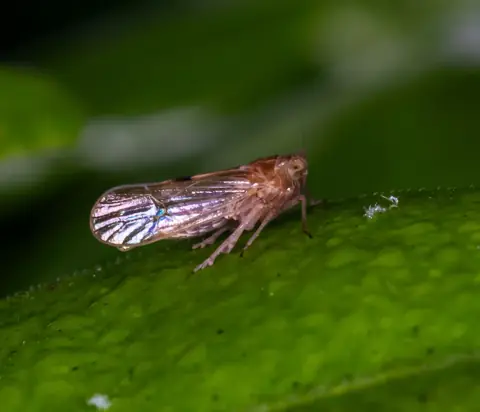 Rice
Insect
Local names: Kayumangging ngusong kabayo, kayumangging hanip
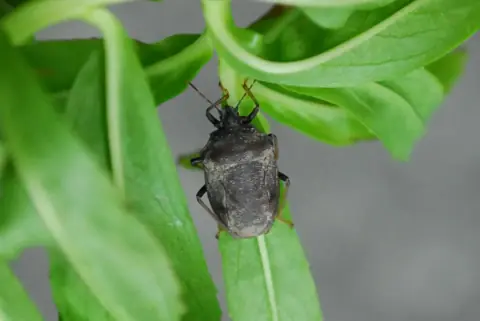 Rice
Insect
Local names: Itim na atangya
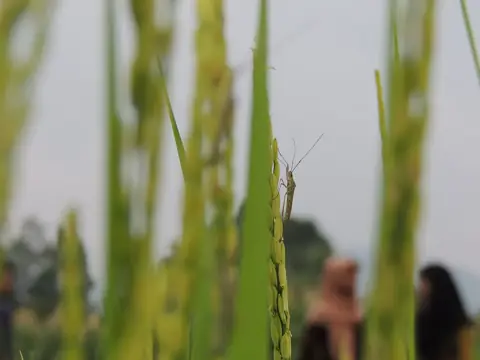 Rice
Insect
Local names: Atangya, dangaw
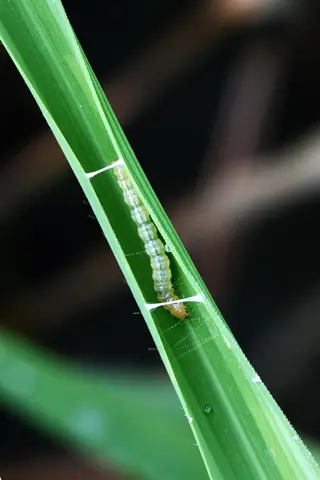 Rice
Insect
Local names: Mambibilot, maniniklop
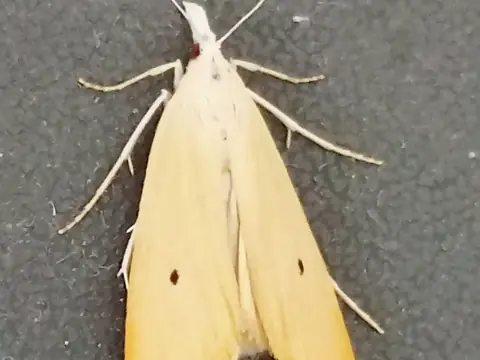 Rice
Insect
The central shoot dries up and pulls out easily, which is a deadheart.
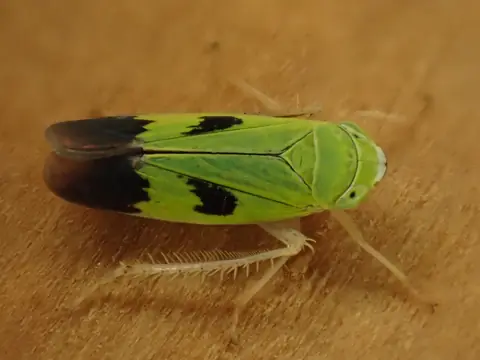 Rice
Insect
Small green wedge shaped insects jump or run sideways when you disturb the hills.
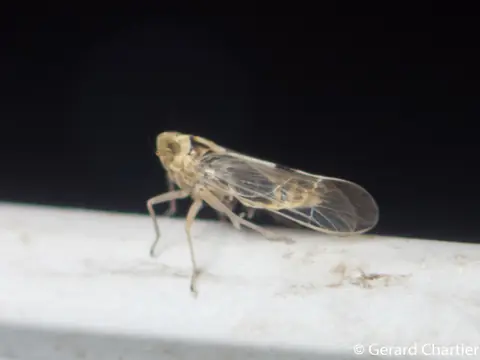 Rice
Insect
Small pale brown insects with a white stripe on the back sit low on the plant.
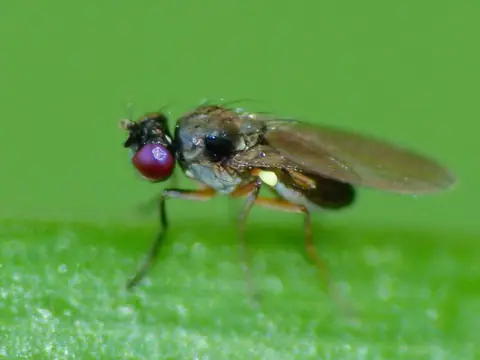 Rice
Insect
Yellow spots or streaks appear on the inner edges of new leaves.
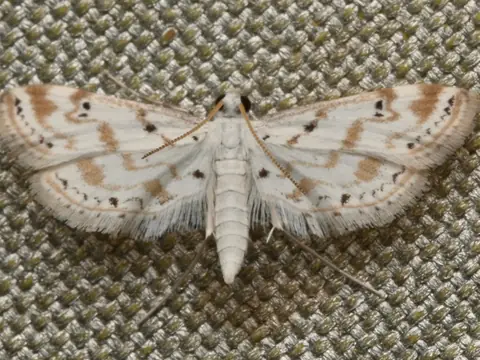 Rice
Insect
Leaf tips are cut at right angles, as if with scissors.
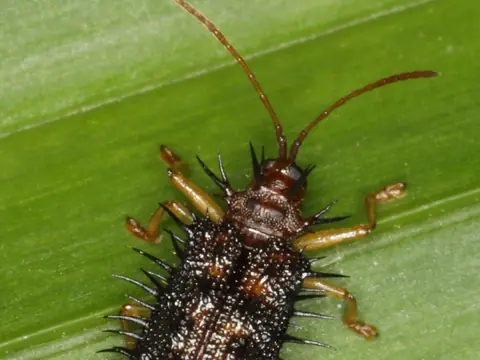 Rice
Insect
White streaks run along the leaf, parallel to the midrib.
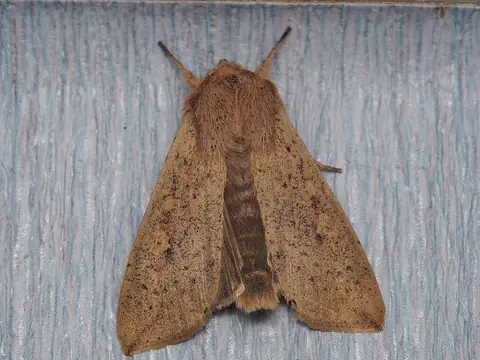 Rice
Insect
Leaves are chewed away, often including the veins, leaving only the midribs.
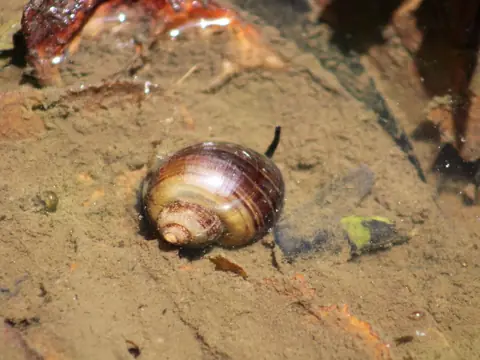 Rice
Snail
Local names: Kuhol
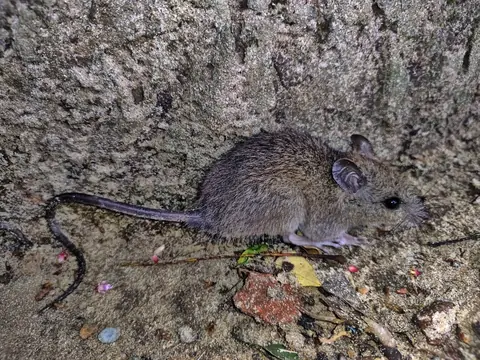 Rice
Rodent
Tillers are cut at an angle and lie in the water, often in patches or in lines along the pilapil.
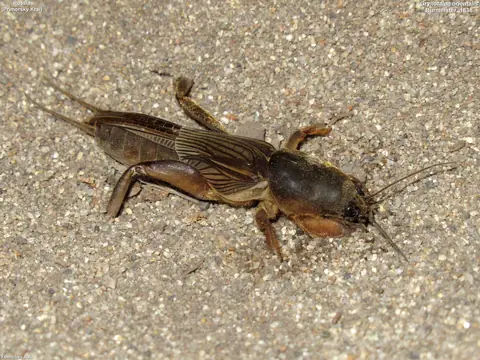 Rice
Insect
Seedlings are cut at the base and bare patches show in the seedbed or field.
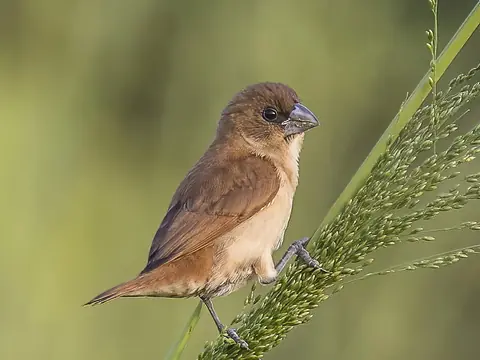 Rice
Bird
Flocks of small brown or chestnut birds land on the panicles at the milky stage.
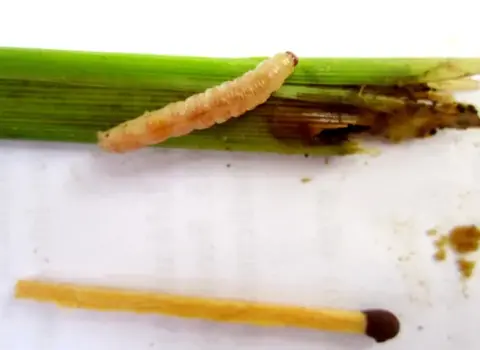 Corn
Insect
Pinholes in the leaves, tunnels in the stalk, broken tassels and bored ears.
 Corn
Insect
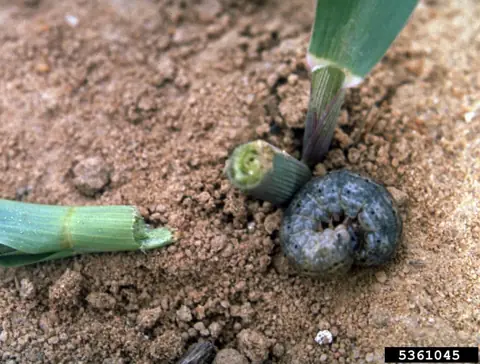
Seedlings cut off at the base overnight, with a gray caterpillar curled in the soil nearby.
 Corn
Insect
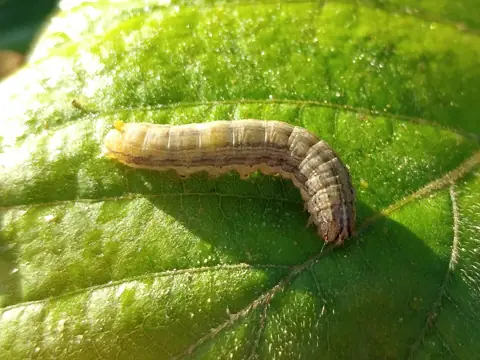
Ragged holes in the whorl and wet, sawdust like droppings.
 Corn
Insect
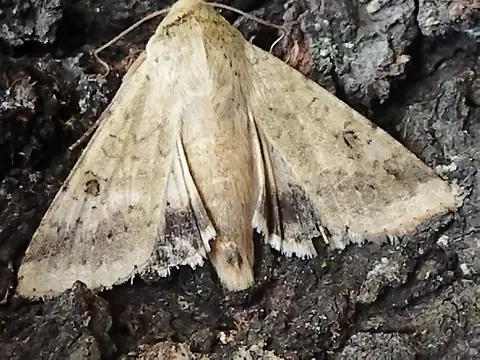
Silks are chewed and frass lies at the ear tip.
 Corn
Insect
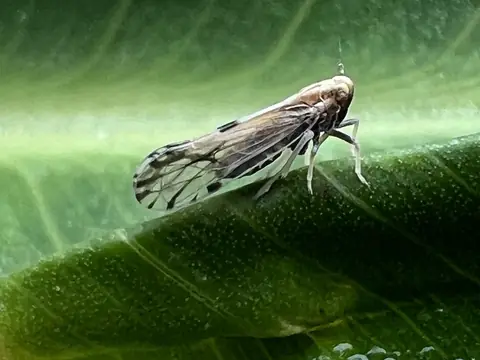
Small greenish brown hoppers sit in the whorl and on the leaves, and jump when disturbed.
 Corn
Insect
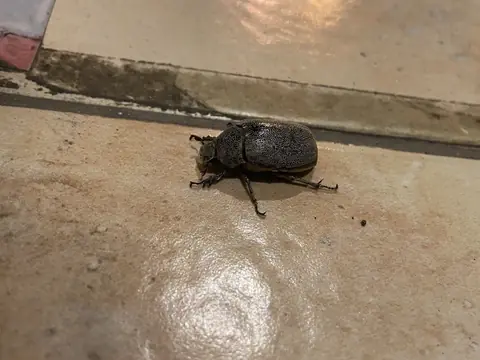
Leaves turn orange yellow, and plants wilt and stunt in patches.
 Vegetables
Insect
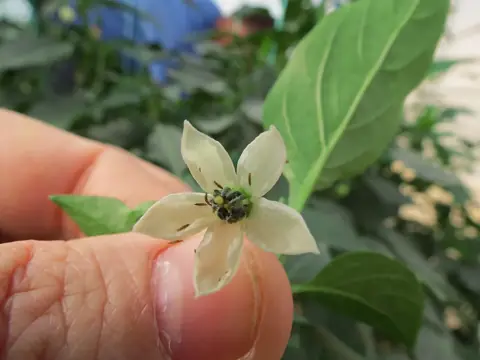
Silvery streaks on onion leaves, curled sili leaves and scarred fruit.
 Vegetables
Insect
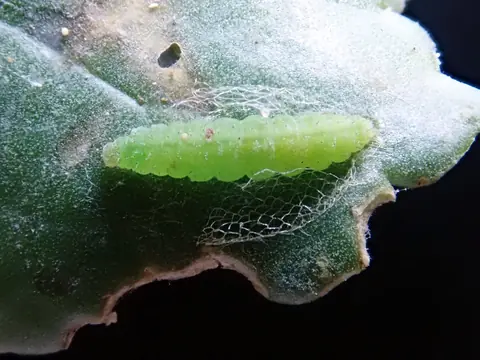
Window pane spots, where the upper leaf skin stays and turns clear, show on the leaves.
 Vegetables
Insect
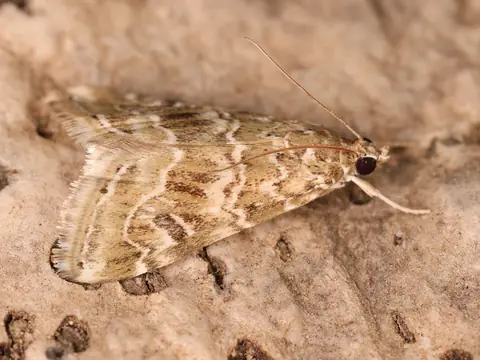
Silk webbing and frass sit in the heart of young plants.
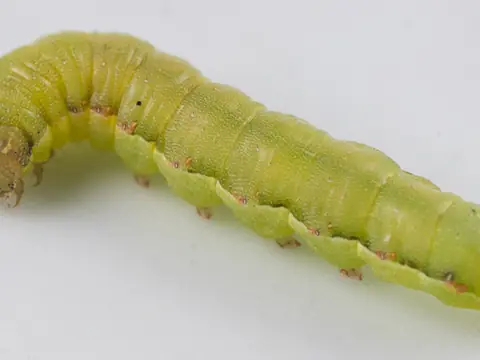 Vegetables
Insect
White, cotton like egg masses sit on the leaves.
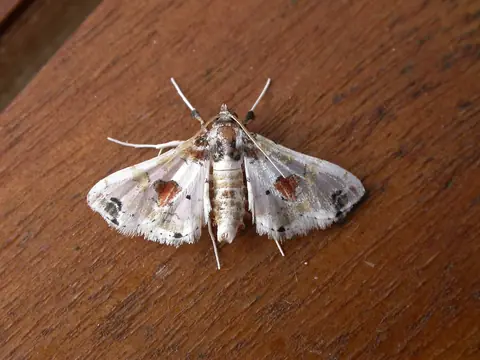 Vegetables
Insect
Shoot tips that wilt and dry while the lower leaves stay green.
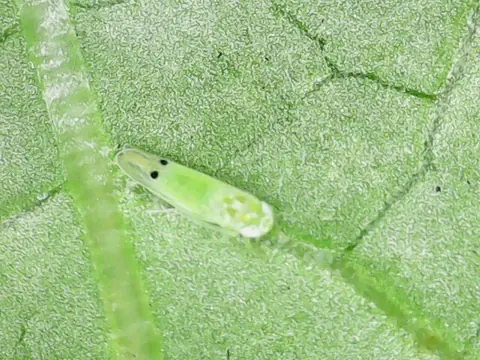 Vegetables
Insect
Leaf margins that curl upward and look yellowish or burned.
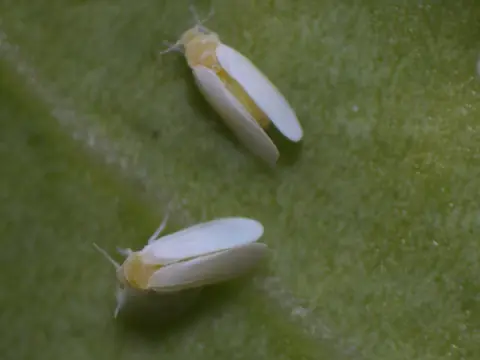 Vegetables
Insect
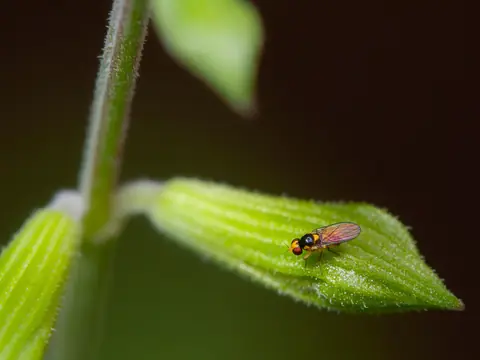
Small white flying insects that rise from the leaves when you shake the plant.
 Vegetables
Insect
White, winding or coiled tunnels on the leaves, with a thin black line inside.
 Vegetables
Insect
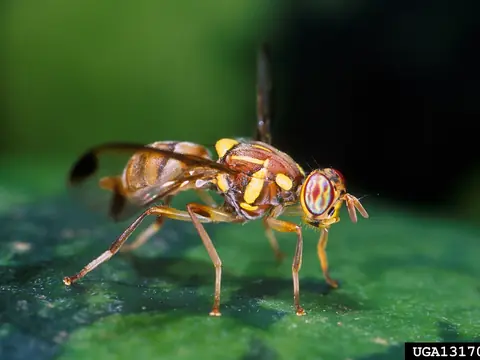
Small sting marks on young fruit where the female laid her eggs.
 Vegetables
Insect
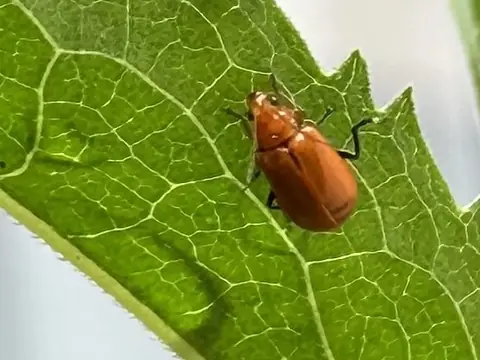
Round or irregular holes in the leaves, often starting at the leaf margins.
 Vegetables
Insect
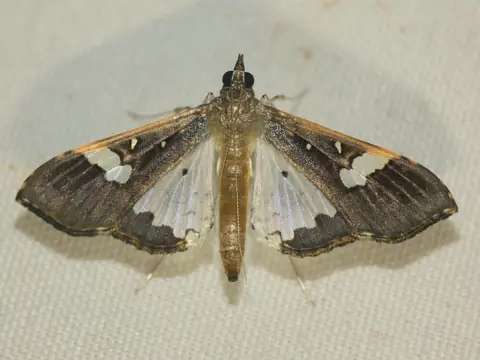
Flowers that are chewed, webbed together or dropping.
 Vegetables
Insect
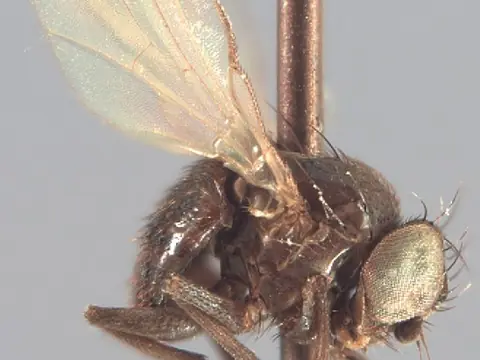
Small feeding holes in the young leaves.
 Fruits
Insect
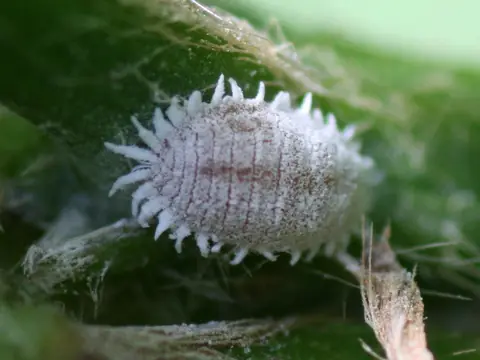
White, waxy or cottony masses on leaves, stems, fruit stalks and fruit.
 Fruits
Insect
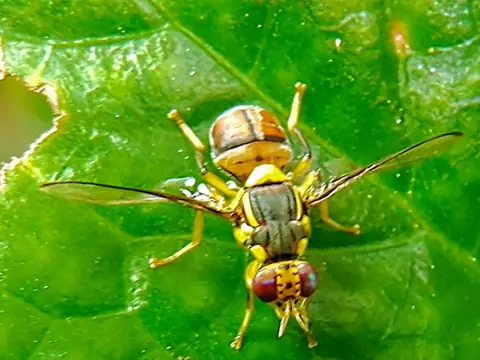
Small sting marks on the fruit skin where the female laid eggs.
 Fruits
Insect
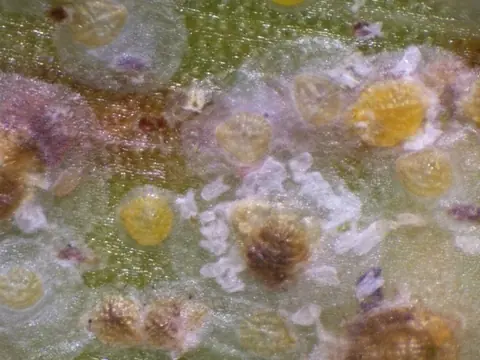
Small flat scales crowd the underside of the leaflets.
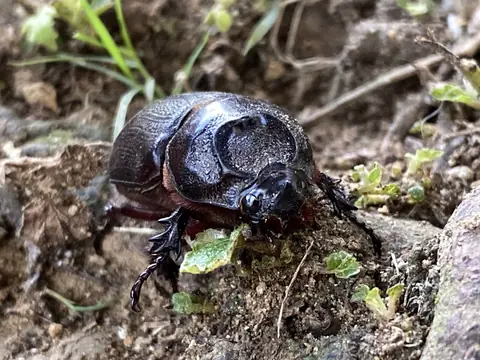 Fruits
Insect
Leaflets show V shaped or wedge shaped cuts when the frond opens.
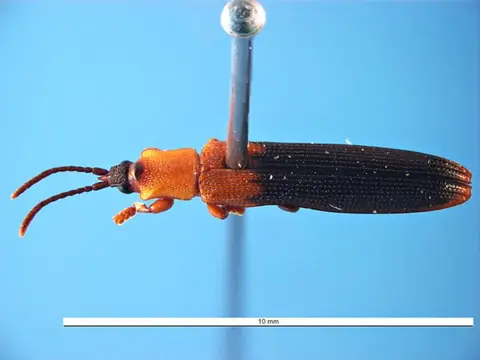 Fruits
Insect
The still folded spear leaf shows thin red brown streaks along its leaflets.
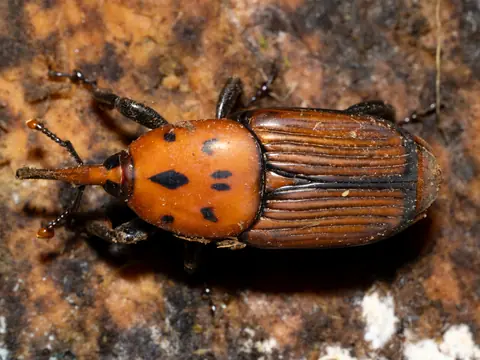 Fruits
Insect
Holes appear at the base of the fronds or in the trunk.
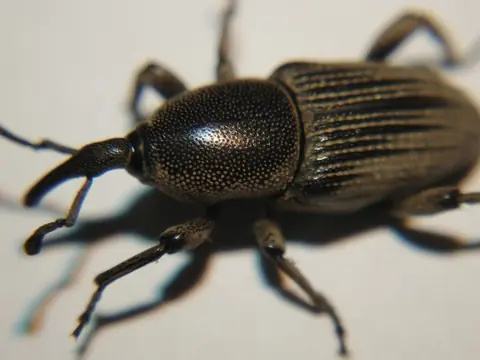 Fruits
Insect
Tunnels run through the corm and the base of the pseudostem.
 Fruits
Insect
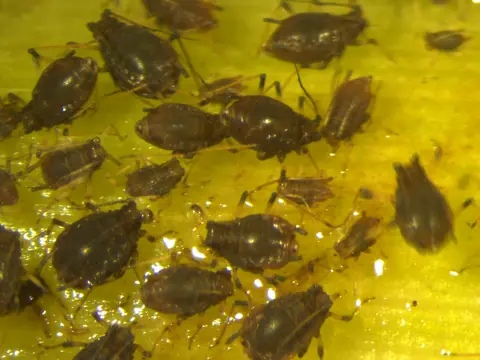
Dark red brown aphids sit in colonies on leaf undersides, sheaths and young suckers.
 Fruits
Insect
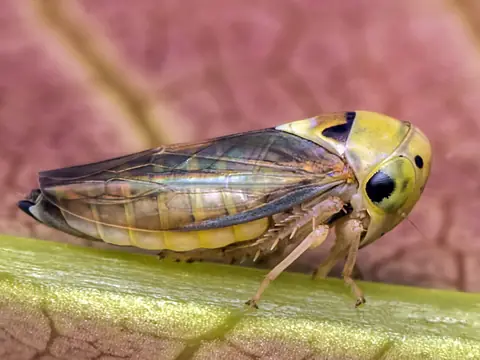
Wedge shaped hoppers jump and fly with a clicking sound when you shake a flowering branch.
 Fruits
Insect
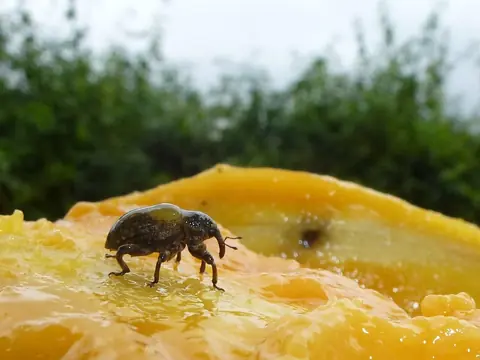
Tunnels in the pulp darken the flesh after the grub feeds.
 Fruits
Insect
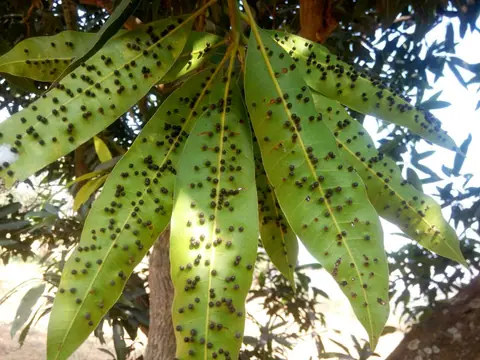
Circular brown to black scab like spots are scattered over the fruit skin.
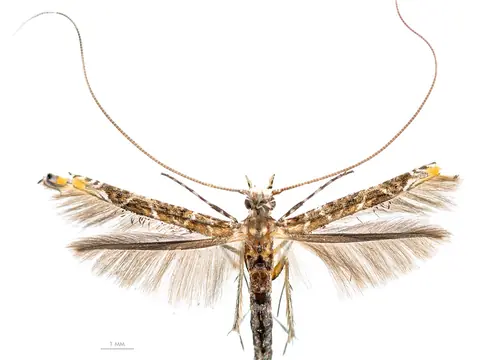 Fruits
Insect
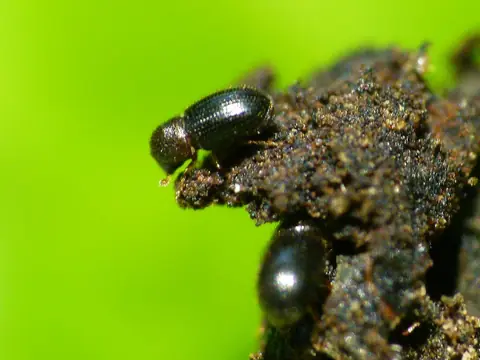
Pods ripen early and turn yellow unevenly.
 Fruits
Insect
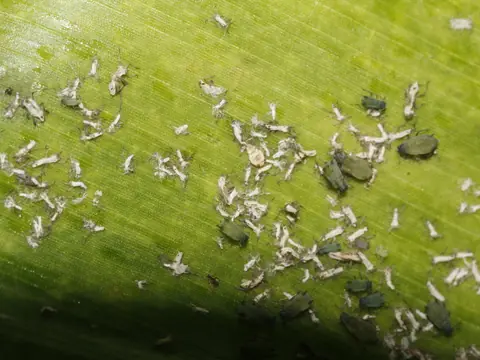
A small round entry hole shows on the berry, with brown frass over it.
 Corn
Insect
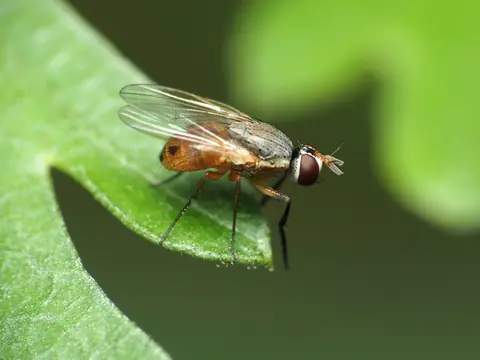
Local names: Aplat (Ilocano), dugos dugos (Cebuano)
 Corn
Insect
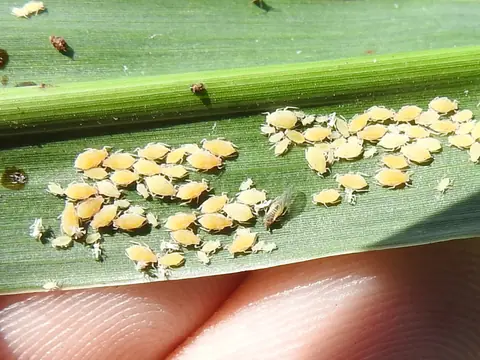
The center leaf of a young seedling yellows and dies, with a cream colored maggot boring down inside the shoot.
 Corn
Insect
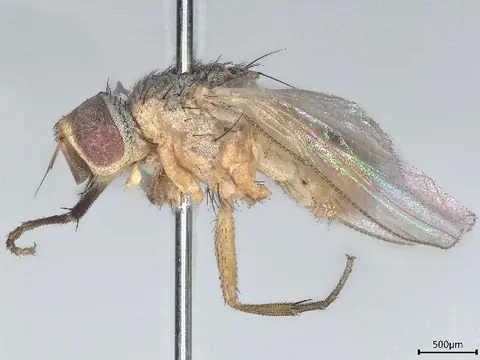
Pale yellow to gray aphids pack the underside of the lower leaves, which turn shiny with honeydew and then black with sooty mold.
 Corn
Insect
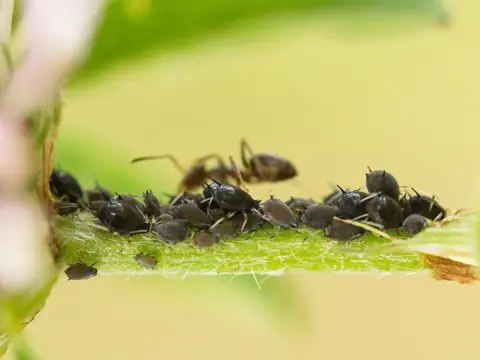
Seedlings one to four weeks old show dead hearts, where the center leaf dries and pulls out easily while the outer leaves stay green.
 Legumes
Insect
Local names: Dugos dugos (Cebuano, for aphids)
 Legumes
Insect
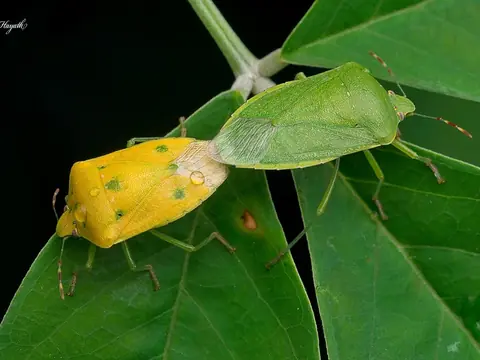
Green stink bugs or slender brown bugs suck the young pods, leaving dark spots, shriveled seeds and pods that drop early.
 Legumes
Insect
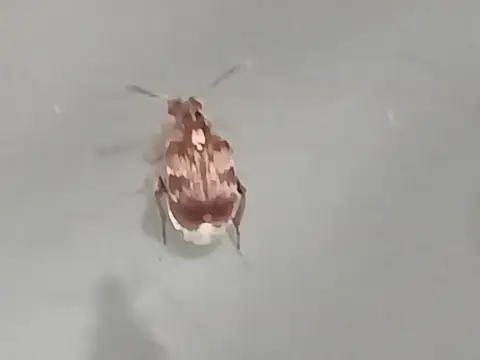
Local names: Bukbok
 Legumes
Insect
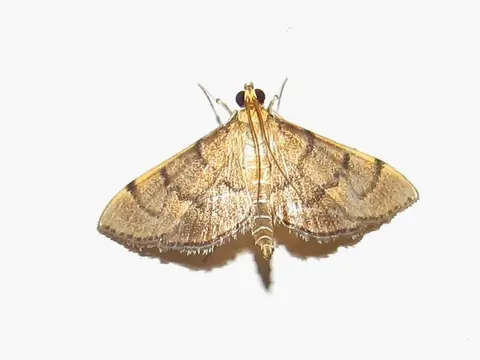
Leaves are folded or webbed together and eaten from inside, leaving a silvery, papery look.
 Legumes
Insect
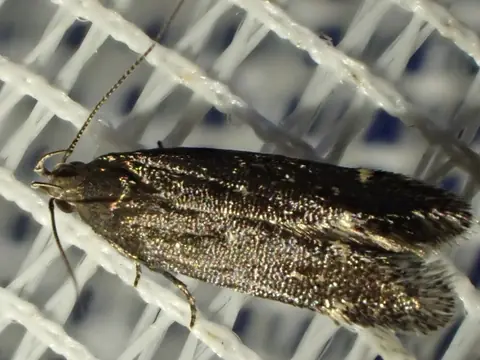
Small brown blotches appear on the leaflets where tiny green caterpillars mine inside, then fold the leaflets together.
 Legumes
Insect
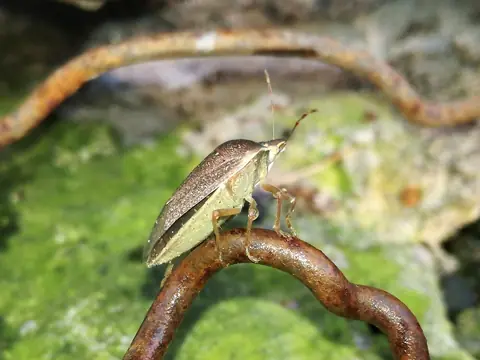
Green shield shaped bugs that smell when touched suck the young pods, which turn warty, bent or fall.
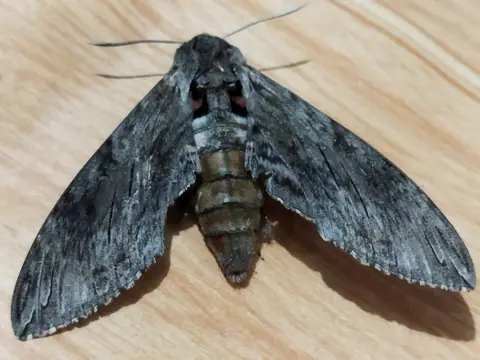 Root Crops
Insect
Big green or brown caterpillars with a horn on the tail eat whole leaves, leaving bare stalks and large droppings below.
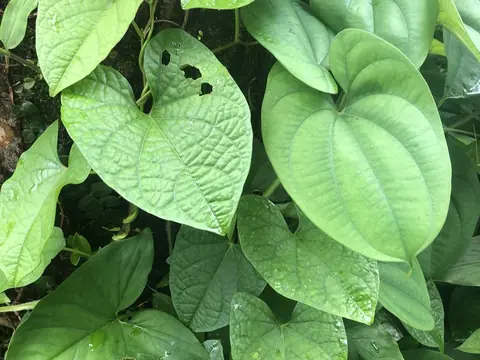 Root Crops
Insect
Tubers and rhizomes, most often in storage, are crusted with tiny round gray to brown scales, then shrivel and sprout poorly.
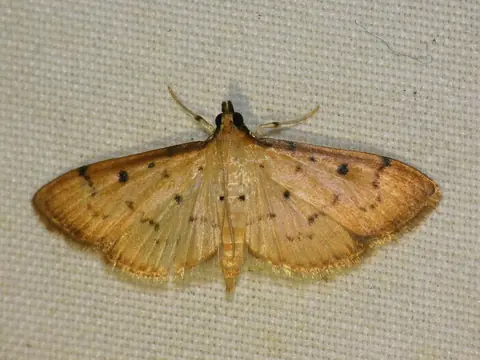 Root Crops
Insect
Leaves are folded and tied with silk, and small caterpillars inside eat windows in the leaf until it turns brown.
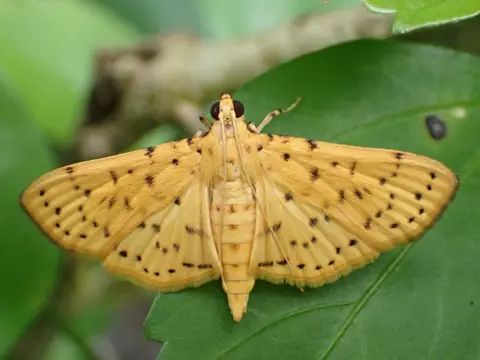 Root Crops
Insect
Caterpillars bore into the leafy stem, leaving a hole with frass, and the center shoot yellows and dries.
 Root Crops
Insect
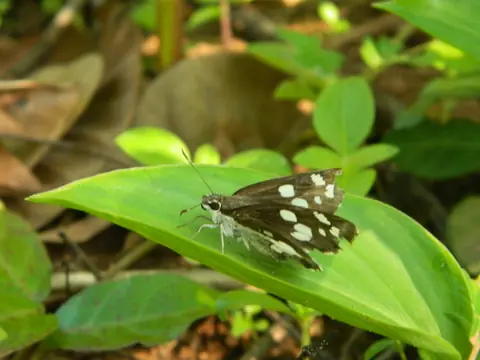
Green caterpillars with a black head fold the leaves lengthwise and feed hidden inside the rolls, and heavy attacks strip the leaves.
 Root Crops
Insect
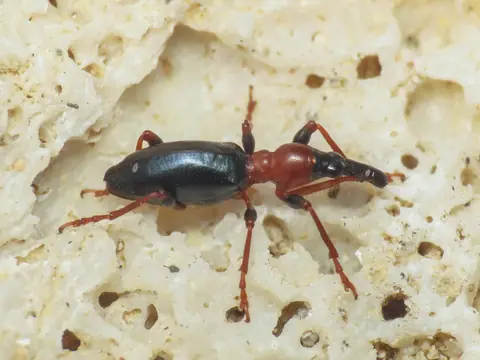
Roots have small feeding holes and dark tunnels inside, smell bad and taste bitter, and the vine base is cracked and swollen.
 Root Crops
Insect
Stems are crusted with tiny white scales, leaves yellow and drop, and cuttings taken from these stems sprout poorly.
 Root Crops
Insect
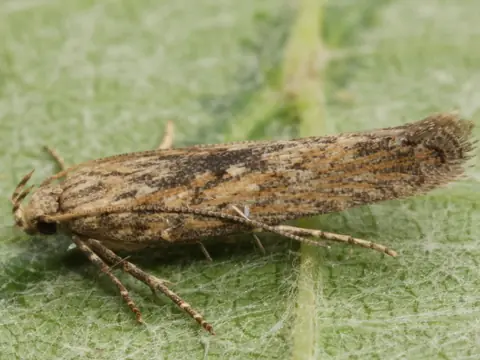
Small caterpillars mine the leaves and stems, then tunnel into tubers near the surface and in storage, leaving holes with dark droppings.
 Root Crops
Insect
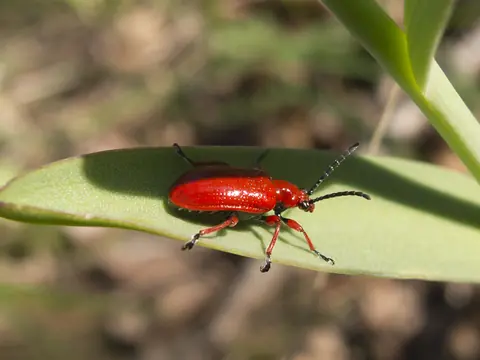
Beetles and their grubs chew holes in the leaves and eat the vine tips, and heavy attacks leave the vines bare.
 Vegetables
Insect
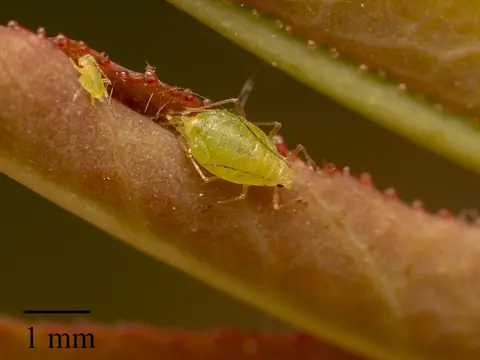
Clusters of small soft green, gray or black insects suck under young leaves, which curl, turn sticky and grow black sooty mold.
 Vegetables
Mite
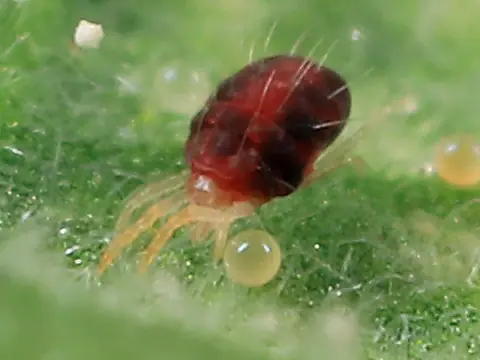
Lower leaves get tiny yellow dots, turn rusty brown and fall in the dry season, with fine webbing under the leaves.
 Vegetables
Insect
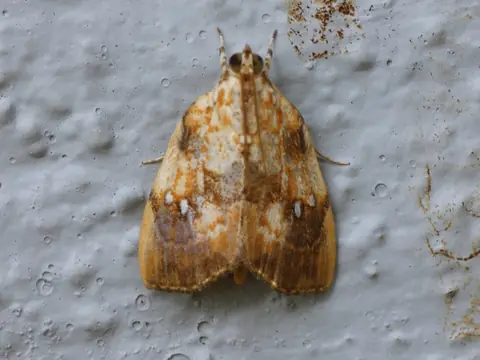
Groups of green caterpillars with a reddish brown head web the heart leaves together and eat the growing point and the young head.
 Vegetables
Insect
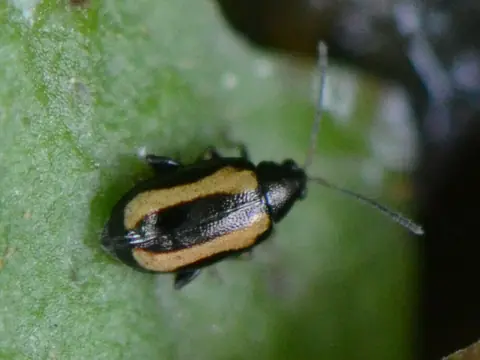
Tiny shiny black beetles with yellow stripes jump away when touched and pepper young leaves with small round holes.
 Vegetables
Insect
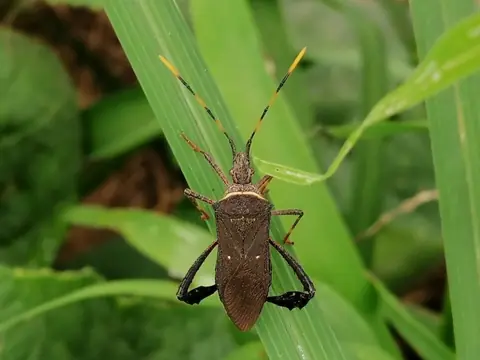
Young fruits show dark spots where the bugs fed, unripe fruits fall, and in bad cases the vines wilt.
 Vegetables
Mite
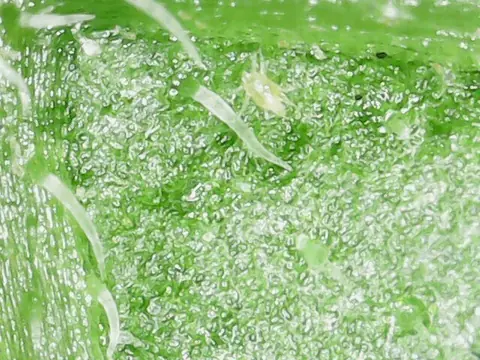
Tip leaves turn small, thick, curled down and bronze, and the shoot stops growing, while the mites are too tiny to see.
 Vegetables
Insect
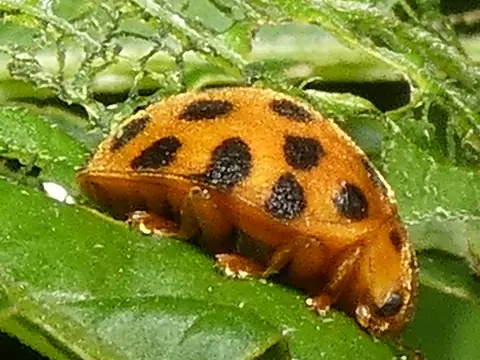
Orange beetles with black spots and their yellow spiny grubs scrape the leaves into lacy windows between the veins.
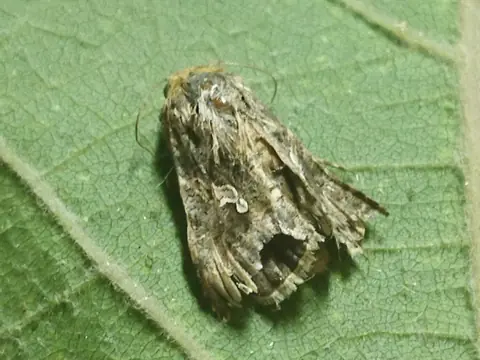 Vegetables
Insect
Green caterpillars with thin white stripes along the sides arch their backs as they crawl and chew ragged holes in the leaves, leaving the veins.
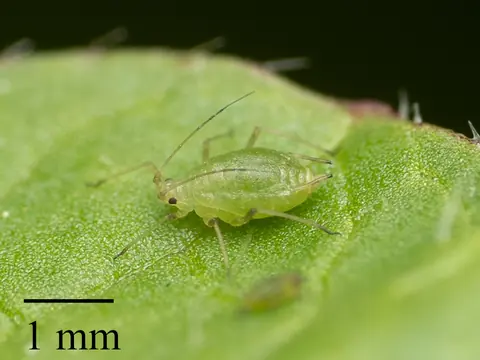 Vegetables
Insect
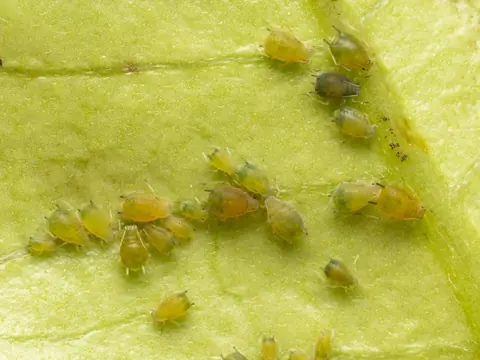
Green or pinkish aphids crowd the underside of the young and middle leaves, which turn sticky and curl.
 Vegetables
Insect
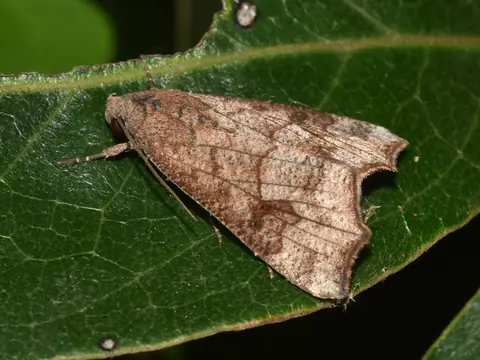
Dark green to yellow aphids cluster under the young leaves, which curl down and turn sticky and black with sooty mold.
 Vegetables
Insect
Green looping caterpillars eat the top leaves and buds, leaving ragged leaves and shoots that branch.
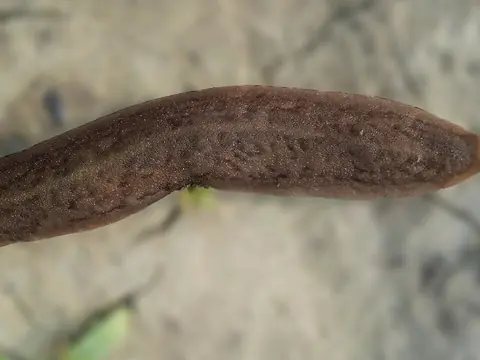 Vegetables
Snail
Flat gray brown slugs feed at night and chew holes into ripening berries and leaves, leaving shiny slime trails.
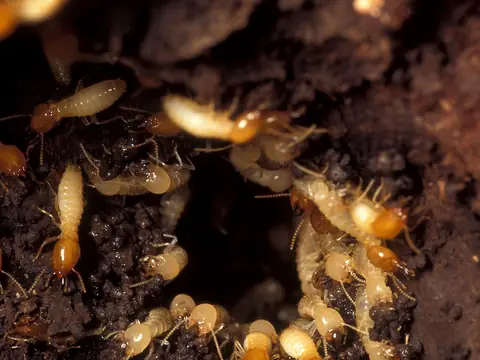 Industrial
Insect
Local names: Anay
 Industrial
Insect
Local names: Tilas (abaca, Cebuano)
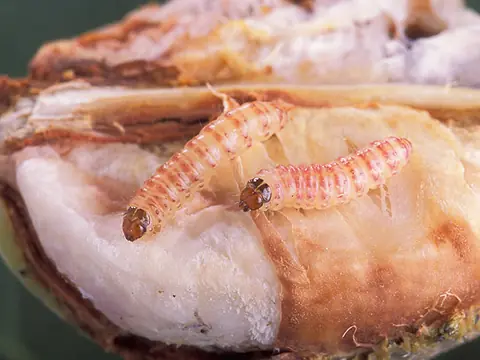 Industrial
Insect
Flowers stay closed like rosettes, and small pink caterpillars inside the green bolls eat the seeds and stain the lint.
 Industrial
Insect
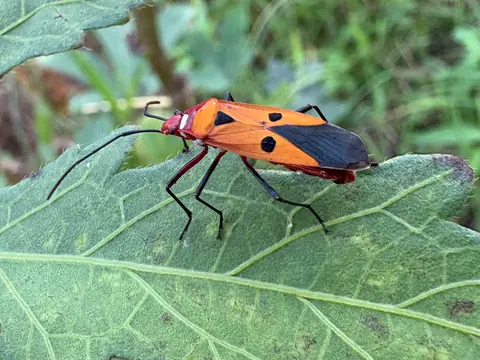
Red and black bugs feed on the bolls, young bolls shrivel, and the lint comes out stained.
 Industrial
Insect
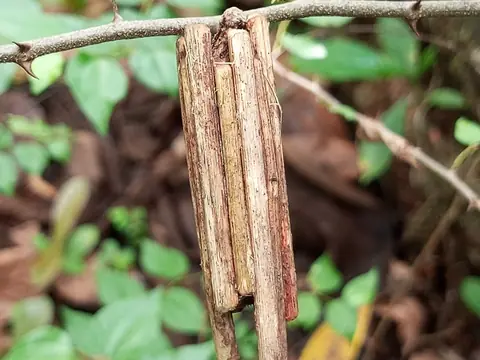
Small cases made of chewed leaf bits hang under the fronds, and the leaves turn gray and ragged as if scorched.
 Industrial
Insect
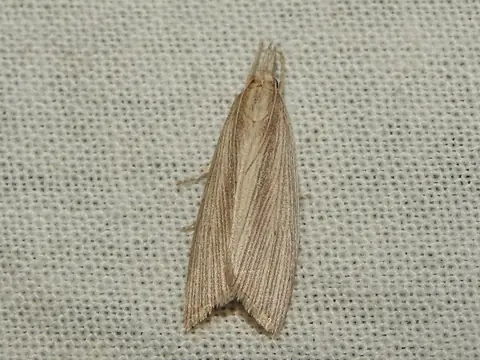
Young shoots show dead hearts, and older canes have bore holes, tunnels and frass at the nodes.
 Industrial
Insect
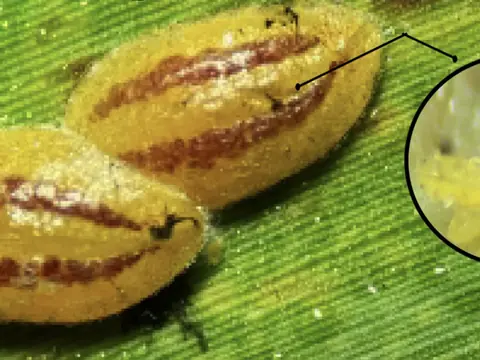
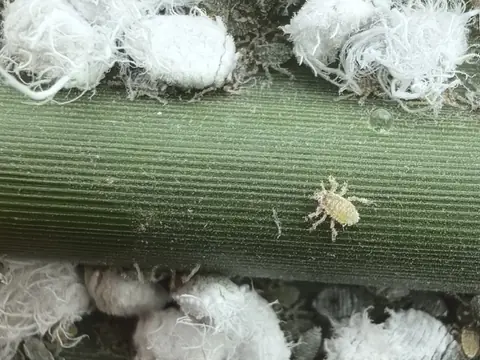
Small flat scales with reddish stripes and white cottony egg sacs crowd the leaves, which turn sticky, black with sooty mold, then dry.
 Industrial
Insect
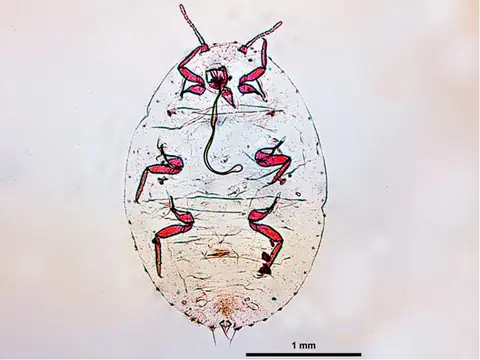
White woolly patches of aphids cover the underside of the leaves, and the leaves below turn black with sooty mold and dry from the tip.
 Industrial
Insect
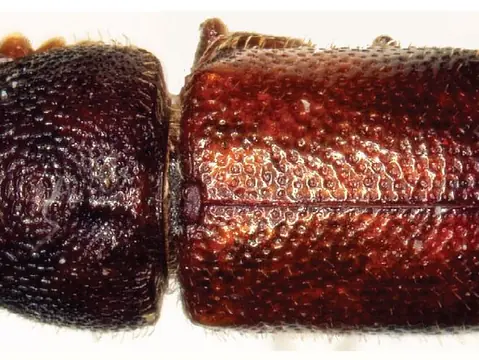
Leaf tips turn red, then yellow and pink, curl down and dry, while pink mealybugs hide at the base of the plant and on the roots.
 Industrial
Insect
Local names: Bukbok
 Industrial
Insect
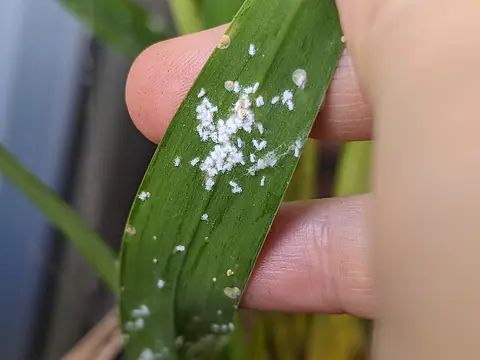
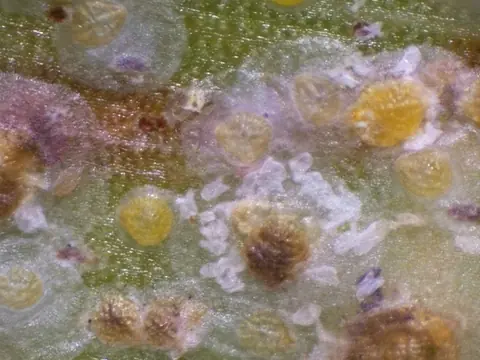
Tiny round white scales crowd on the leaves and fruit, the leaves show small rusty or yellow spots, and heavy crusts weaken the plant and mar the fruit.
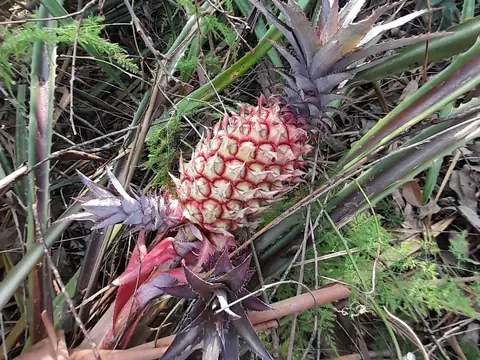 Industrial
Mite
Tiny orange red mites gather at the pale base of the leaves and on the crown and fruit, leaving brown scabby patches where they feed.
 Fruits
Insect
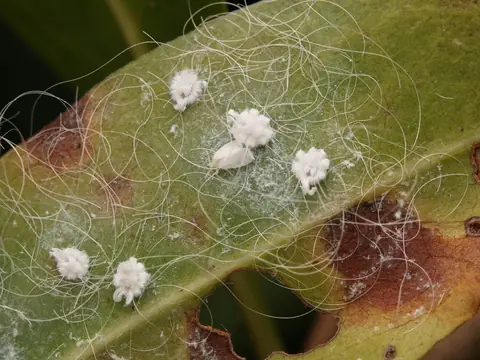
Small flat or domed bumps crowd on leaves, twigs and fruits, the plant yellows and weakens, and black sooty mold follows.
 Fruits
Insect
White waxy spirals of eggs and fluffy white nymphs cover the underside of leaves, with sticky honeydew and black sooty mold on top.
 Fruits
Insect
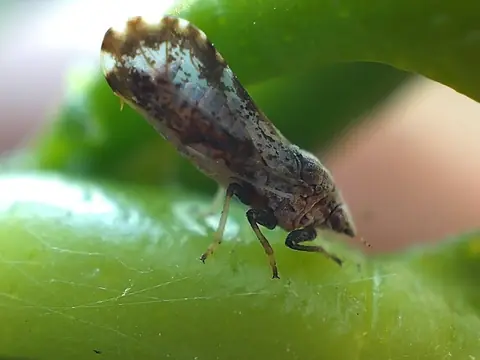
Small brown jumping bugs and their nymphs with white waxy threads crowd on new flushes, which curl and twist, and they spread citrus greening.
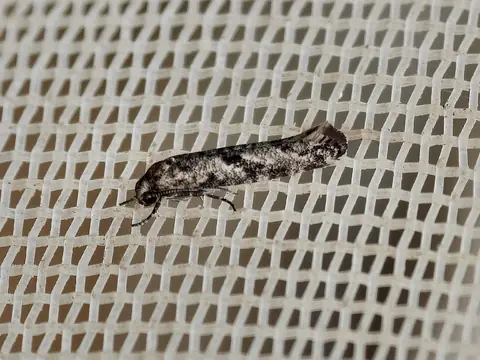 Fruits
Insect
Small caterpillars tunnel in the rind of young fruits, leaving gummy entry holes and corky scars, and many fruits rot or drop.
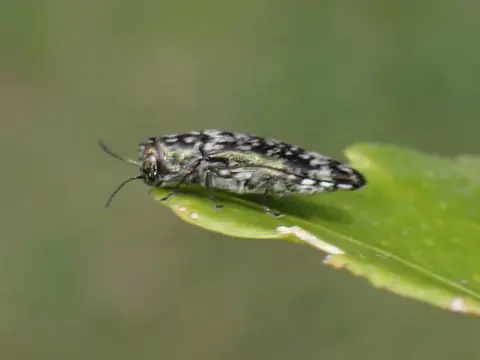 Fruits
Insect
Zigzag tunnels, cuts and rough edges show on the bark with oozing gum, and branches above the damage wilt and dry.
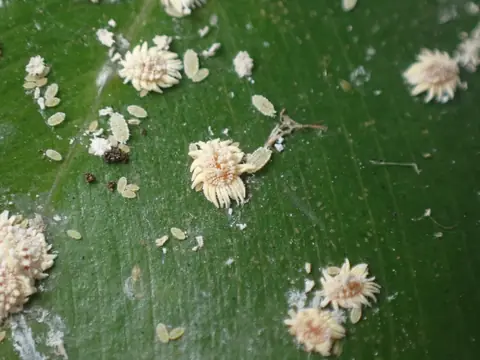 Fruits
Insect
Buff colored mealybugs with short waxy filaments pack on fruits, leaves and twigs, fruits stay small and black with sooty mold, and trees decline.
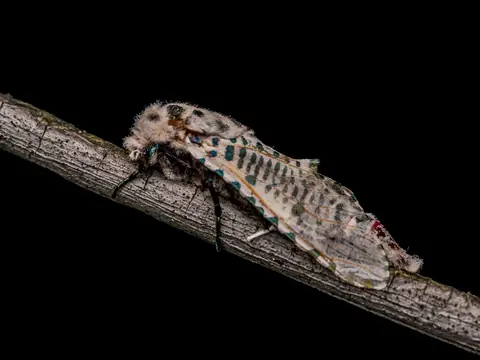 Fruits
Insect
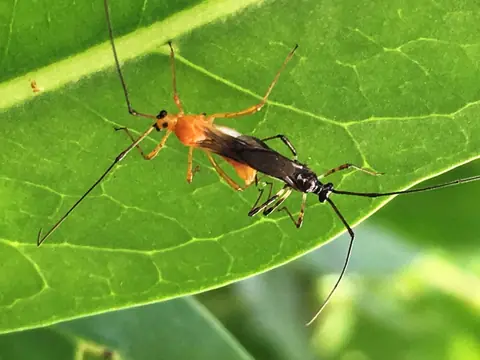
Pinkish red caterpillars tunnel inside branches and young stems, pushing sawdust out of small holes, and the part above wilts and dies.
 Fruits
Insect
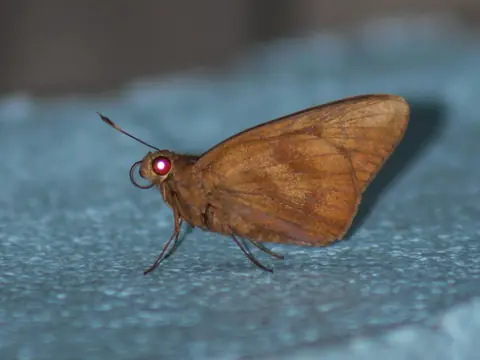
Dark sunken spots and scabby lesions appear on young pods, shoots and nuts where the slender red and black bugs feed, and shoots dry out.
 Fruits
Insect
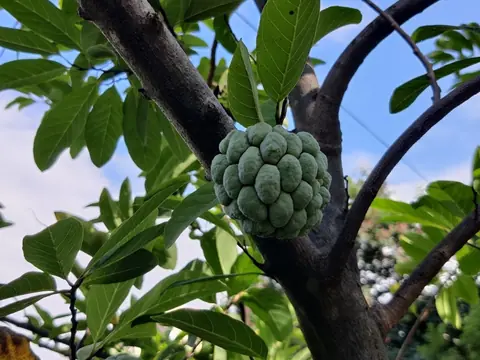
Leaf edges are cut and rolled into tubes, each with a caterpillar covered in white powder inside.
 Fruits
Insect
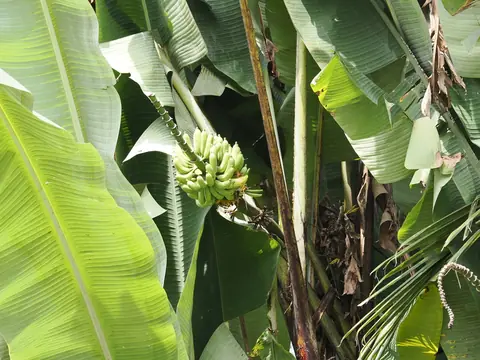
Caterpillars bore into the fruit, leaving holes with brown frass and webbing, and the flesh inside turns black and rots.
 Fruits
Insect
Young fingers get tiny black specks that grow into rough corky scab, or reddish brown rust where fingers touch, and badly hit fruit splits open.
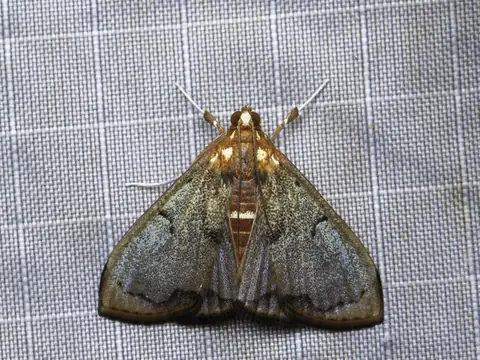 Fruits
Insect
Caterpillars bore in near the tip of young fruits and eat the flesh and seed, leaving holes that ooze, and the fruits crack, rot and drop.
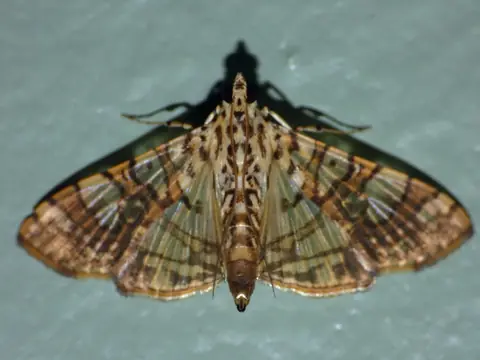 Fruits
Insect
Caterpillars bore into flower spikes, shoots and young fruits, leaving holes with brown frass, and the fruits rot or drop.
 Fruits
Insect
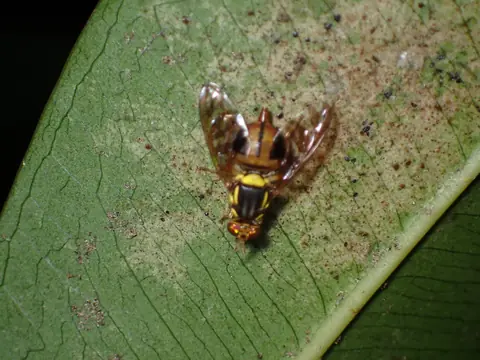
Flies sting the rind of maturing fruits, maggots feed inside, and the flesh under the sting marks turns soft and rotten.
 Fruits
Insect
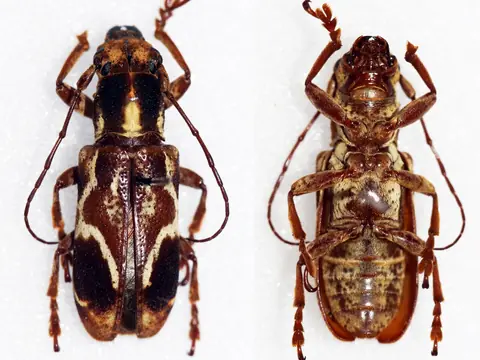
Beetle larvae bore into twigs and small branches, which wilt, dry and break off.
 Fruits
Insect
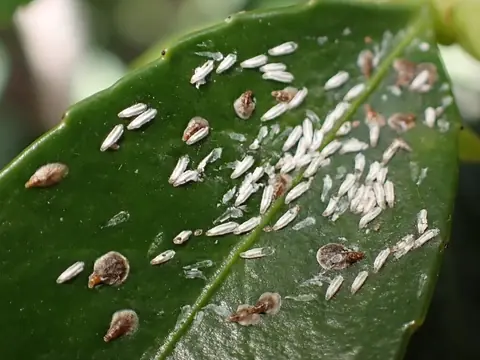
Leaves get crowded with tiny white and brown scales, yellow and drop early, fruits stay few, small and sour, and badly hit trees can die.
 Fruits
Insect
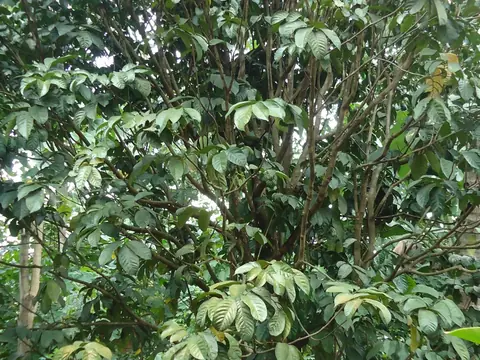
Larvae feed under the bark of the trunk and main branches, leaving frass and dead, peeling bark patches, and weak trees bear less.
 Fruits
Insect
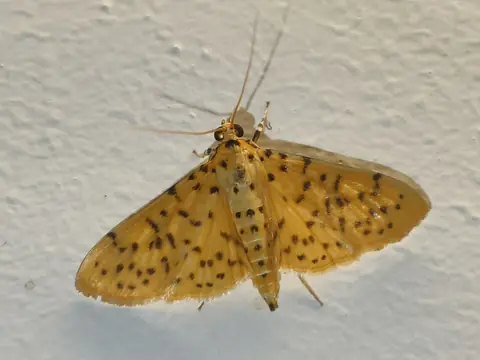
Caterpillars bore into young and growing fruits through the stalk, base or side, leaving holes with frass, and fruits rot or drop.
 Fruits
Insect
Local names: bao bao
 Fruits
Insect
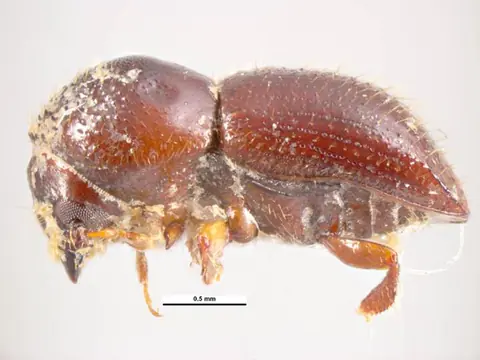
Tiny black or brown beetles drill many pinholes in the trunk and main branches of stressed trees, often together with Phytophthora canker.
 Fruits
Insect
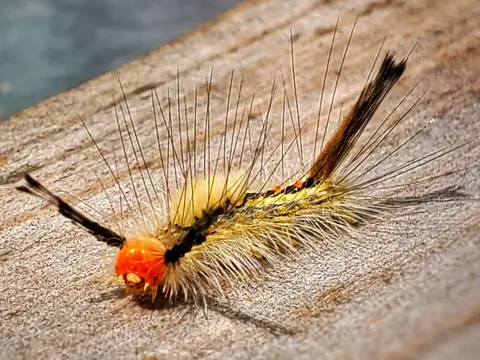
Hairy caterpillars with tufts on the back eat young flushes and leaves, leaving ragged leaves; the hairs can sting the skin.
 Fruits
Insect
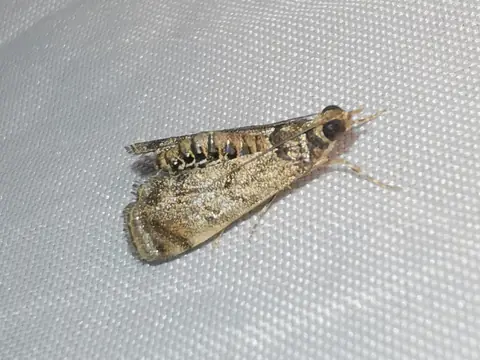
Small green caterpillars web and scrape the leaflets until only the veins are left, and whole trees can be stripped bare in the dry season.
 Fruits
Insect
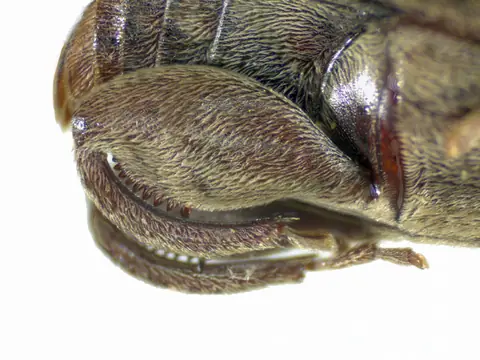
Small brown beetles and their grubs bore into the pods and seeds, leaving round exit holes and powder, and the damage keeps growing in stored pods.
None under this crop.
Nothing by that name in the catalogue yet. Try its scientific name, or take a photo and ask Anee, the smart farm technician.
See all 112 crop pests and how to stop each one
Every pest is open with Libre + Anee: how to be sure which one you have, the damage it does, when it pays to act and what to spray.
The account is free, no credit card.
Pest Guides for Filipino Farmers
The whole picture: how to tell the pests apart, the friends in your field, and how to manage pests without wasting money on sprays.

Crop pests in the Philippines are not only insects. Golden apple snails, rats, birds and mites take their share of the harvest too. This guide sorts them by kind and show...
Read the guide ›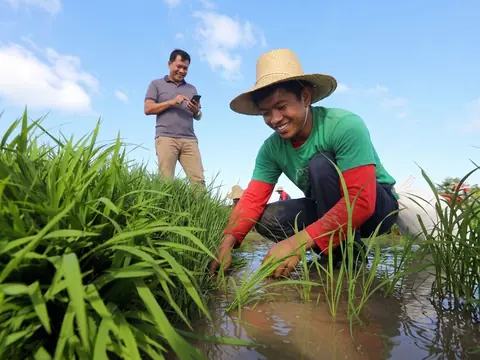
Integrated pest management, or IPM, means you count pests before you spray. You keep their natural enemies alive, and you use an insecticide only when the numbers say it...
Read the guide ›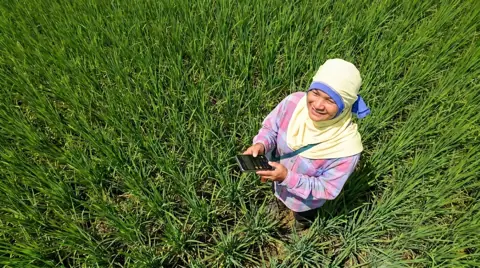
Rice insects in the Philippines range from stem borers that kill tillers to rice bugs that empty the grain. Most fields also hold spiders, wasps and beetles that eat thos...
Read the guide ›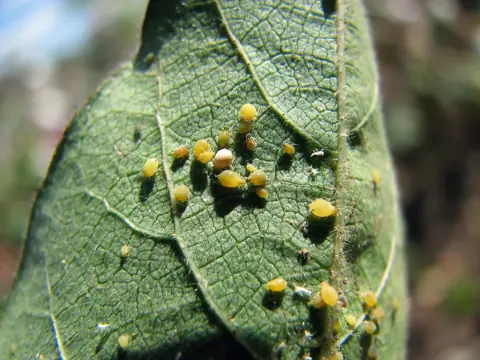
In Tagalog dictionaries, hanip is the chicken louse or flea. In the field the word stretches to tiny crop pests. Kayumangging hanip is a name for the brown planthopper of...
Read the guide ›Not sure which pest it is?
Send Anee a Photo of the Insect
Anee, the smart farm technician in anee.io, tells you what it most likely is, how much damage to expect at the age of your crop and what to do first. In Tagalog or English.