White Grub: How to Spot It and Stop It in Your Mais and Palay
The white grub, Leucopholis irrorata, is the fat, curled larva of a chafer beetle that eats roots underground. You see yellow, wilting and dying plants, and you find the grubs when you dig. This page shows the signs and the steps that cut the number of beetles and grubs.
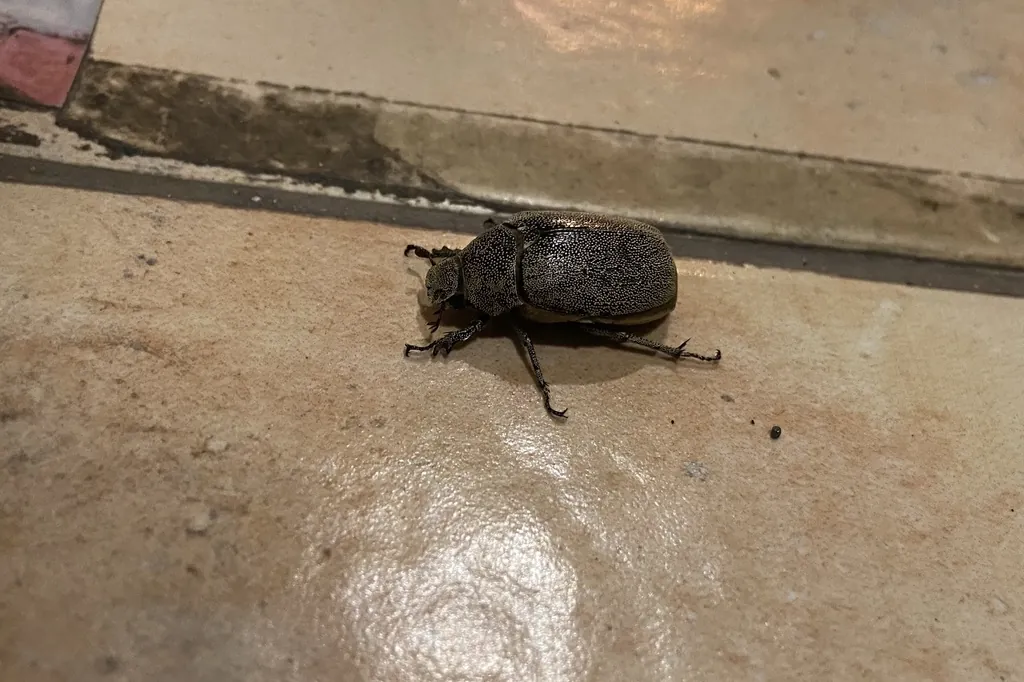
What Is White Grub?
The white grub is also called the root grub. In the Philippines it ranks among the four main insect pests of corn, and no insect is more common or does more harm to sugarcane. It also attacks rice.
The beetle feeds on leaves at night. Its grubs stay in the soil near moisture and eat the roots. Farmers care because the plants die in patches, and the damage can look like a fertilizer problem.
| Fact | Details |
|---|---|
| Name | White grub |
| Scientific name | Leucopholis irrorata |
| Kind | Insect |
| Crops it attacks | Corn, rice and sugarcane |
| Local names | None recorded |
| Where it strikes | Roots and base and the whole plant |
| When it strikes | At the start of the rains, when the beetles fly and lay eggs, and again when the grubs feed on the roots of young plants. |
| Life cycle | The adult beetles are nocturnal and come out after heavy rains. Females burrow into moist soil to lay creamy white eggs, and the grubs feed on roots for one to two years. |
How to Identify White Grub
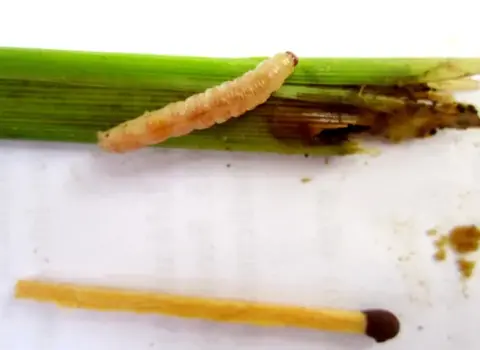
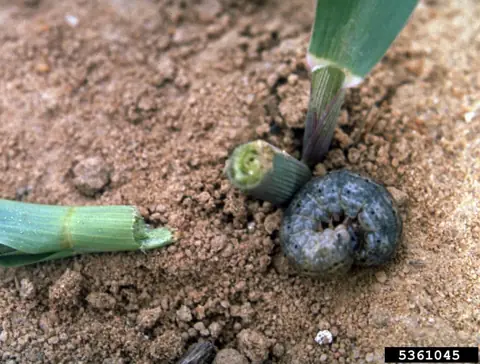
Dig around a wilting plant and look for fat, creamy white, C shaped grubs with brown heads. The adult is a chafer beetle that comes to lights at night. The symptoms are orange yellow leaves, wilting and stunting, and they can resemble nutrient trouble or mealybug damage, so check the roots before you act.
- Leaves turn orange yellow, and plants wilt and stunt in patches.
- Roots are chewed or missing, and the plant lifts easily from the soil.
- Fat white grubs lie in the soil near the roots.
- Beetles gather at lights at night after heavy rains.
- Plants dry and die when the root system is gone.
Nutrient trouble and mole cricket damage can look like it. Dig up the roots, because only the white grub leaves fat C shaped larvae near them.
How White Grub Hurts Your Corn
Root feeding cuts the plant off from water and food, so damaged plants dry and die. The grub is one of the major pests of sugarcane and corn in the Philippines. We found no sourced yield loss figure, so we give none.
The grubs live one to two years in the soil, so a bad field can stay bad. Mark the patches on your lot map and compare the root counts each season.
How to Control White Grub
- Collect the beetles by hand and with lights for about three weeks, starting from the first beetle flight. Community campaigns do this best, since beetles fly from field to field.
- Collect and destroy the grubs when you plow, and cultivate the soil well. This exposes the grubs to birds, earwigs and fire ants.
- Use natural enemies. Scoliid wasps parasitize the grubs, and carabid beetles, birds, toads and fungal diseases attack them. Metarhizium anisopliae, a fungus, is studied as a biological control.
- Time planting and cultivation with the beetle season, and check roots of a few wilting plants before you decide.
- Where grubs are abundant, apply a granular insecticide along the furrow at planting or in June, to meet the young grubs.
When a Spray Makes Sense
A soil insecticide comes last, and its timing must match the young grubs, since older grubs are harder to kill. The sources we used do not name an active ingredient, so ask the DA for an FPA registered product and follow the label.
Active Ingredients on Philippine Labels
| Active ingredient | IRAC group | On Philippine labels |
|---|---|---|
| Chlorantraniliprole | IRAC 28 | A first choice. 1 registered product names it on pineapple. |
| Spirotetramat | IRAC 23 | A sound second choice. 19 registered products name it on pineapple. |
| Fipronil | IRAC 2B | A sound second choice. Registered products name it on corn and sugarcane. |
| Tetraniliprole | IRAC 28 | A sound second choice. 1 registered product names it on corn. |
| Carbofuran | IRAC 1A | Older or broad chemistry: a last resort. Registered products name it on corn and peanut. |
| Chlorpyrifos | IRAC 1B | Older or broad chemistry: a last resort. Registered products name it on sugarcane and pineapple. |
Use only products registered with the Fertilizer and Pesticide Authority, and follow the label for the rate, the timing and the protective clothing. Switch to a different insecticide group next time, so the pest does not learn to survive it. Our guide to integrated pest management explains how.
Keep It Out Next Season
- Collect the beetles by hand and with light traps for about three weeks from their first flight at the start of the rains, as a whole village.
- Plow deep and harrow more than once. Pick up the grubs and let birds, earwigs and fire ants take the rest.
- Time planting and cultivation to the beetle season, so young grubs meet freshly worked soil.
- Flood the field for a few days where water allows. Grubs drown or come up for the birds.
- Check the roots of a few wilting plants before you decide. Orange yellow patches that wilt are the sign.
Natural Enemies and Biological Help
- Scoliid wasps lay their eggs on the grubs, and ground beetles, birds, toads and fungus diseases kill many more.
- Metarhizium fungus mixed into the furrow or into compost infects the grubs. It works best on young ones.
Not Sure What You Are Seeing?
Take a clear photo of the insect, the damage and the whole plant, then ask Anee, the smart farm technician in anee.io, in Tagalog or English. Anee tells you what it most likely is and what to do at the age of your crop. You can also put your scouting days on the cropping calendar, so the team knows when to walk the field.
anee.io keeps your scouting, spraying and harvest on one calendar, and Anee answers when something looks wrong.
- Scouting days dated from each lot's own planting day
- Photos and notes for every lot
- Anee, the smart farm technician, in Tagalog or English
Questions Farmers Ask About White Grub
What does a white grub look like?
When do the beetles fly?
Why do the plants wilt?
How long does one grub live in the soil?
Stop White Grub from costing you the harvest
With Libre + Anee, read the whole guide: how to be sure it is this pest, when it pays to act, and what to spray, by active ingredient.
The account is free, no credit card.