Palay in English: Meaning, Parts, Growth Stages and How It Becomes Rice
Palay is rice that still wears its husk. It is the grain you harvest, dry and sell before any mill touches it. This guide explains what palay means in English and names the parts of the grain. It also follows the plant from seed to harvest and shows how the grain turns into the rice on your table.
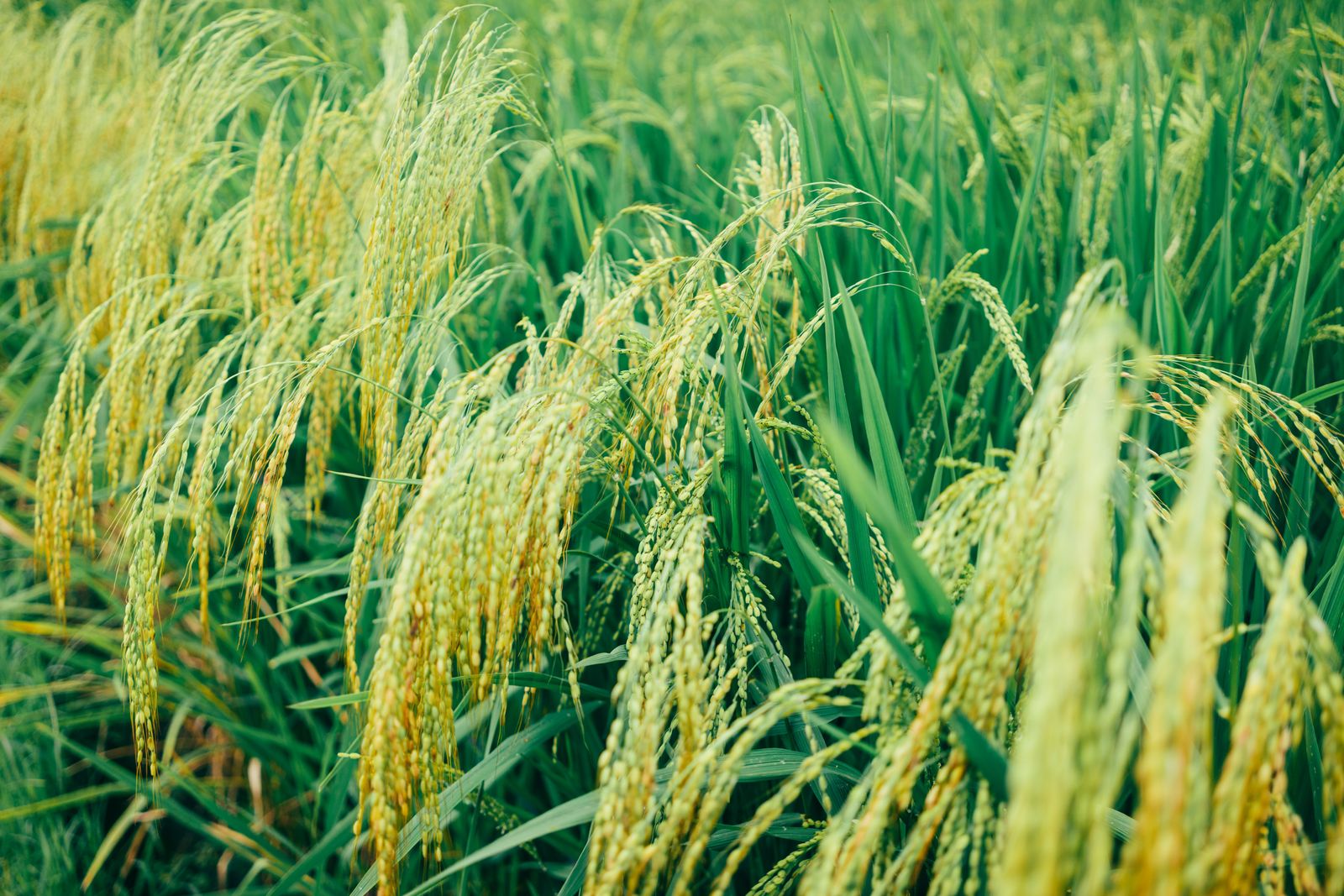
In the field, three words name the same grain at different steps. Palay is the crop and the unmilled grain, bigas is milled rice, and kanin is cooked rice. So palay at bigas are two goods with two prices, not one. Because the price changes at each step, a farmer who knows seed class and moisture sells better and loses less.
Palay meaning and palay in English
Palay in English is paddy, rough rice or unhusked rice. So if someone asks for the English ng palay, any of the three works. In print it often appears as palay (unhusked rice). In daily talk, though, the palay meaning goes wider. Farmers say palay for the growing plant, the ripe heads and the sacks of dried grain.
A related word is palayan, the rice field itself. Central Luzon has some of the widest palayan in the country. Nueva Ecija even named its capital after the word, as our story on Palayan, Nueva Ecija explains.
Many farm towns also celebrate the crop. For example, Narra in Palawan, known as the rice granary of that province, holds a Palay Festival, usually in October. The old stories live on too. Our page on the alamat ng palay retells the legend and gives a short buod and banghay for students.
Parts of the palay grain
Open one grain with your thumbnail and you will see why milling matters. Each grain has four parts.
- Hull or husk (ipa). The hard outer cover. It makes up about 20 percent of the weight of palay, with a range of 16 to 28 percent.
- Bran (darak). The thin brown layers under the hull. The mill takes it off with the germ.
- Germ or embryo. The small living part at one end. It sprouts when you sow the seed.
- Endosperm. The white, starchy core. This is the bigas you cook.
Take off the hull and you get brown rice. Then polish away the bran and germ and you get white milled rice. The small broken bits from the mill go to market as binlid.
Growth stages of palay from seed to harvest
The life of the rice plant has three phases. In the tropics the reproductive phase takes about 35 days and ripening about 30 days. So the vegetative phase decides whether a variety is early or late. For example, IR64 matures in 110 days with a 45 day vegetative phase, while IR8 needs 130 days with a 65 day vegetative phase.
Vegetative phase: seed, seedlings and tillers
This phase runs from germination to panicle initiation. First the seed swells and sends out a root and a shoot. Then the seedlings grow leaves and, after transplanting, send out tillers. These side shoots later carry the heads, so most of your fertilizer and weeding work happens here.
Reproductive phase: panicle to flowering
Inside the stem a tiny panicle forms. Next the stem grows longer, the flag leaf appears and the leaf sheath swells, which farmers call booting. After that the head pushes out and the flowers open. Drought from panicle initiation to grain filling leaves many empty grains.
Ripening phase: milk, dough and mature grain
At first the grain fills with a milky liquid. Then it turns into soft dough, then hard dough, while the heads bend and turn golden. Harvest by hand when 85 to 90 percent of the grains turn golden yellow. With a combine, wait for 90 to 95 percent.
You do not need to count the days by hand. The growth stages and weather tool in anee.io shows each lot's stage on any date you pick, what to do and what to watch for.
From palay to rice: drying, milling and recovery
Palay to rice takes three steps: drying, hulling and polishing. First dry the grain to 12 to 14 percent moisture within 12 to 24 hours after threshing. Wet grain left in a pile heats up, turns yellow and mills badly.
Then the mill removes the hull, and a polisher strips off the bran. The share of milled rice you get back is the milling recovery. In November 2024 the official rate moved to 63.0 percent, effective from 2025. Before that, the rate was 65.4 percent.
| Item | Approximate weight |
|---|---|
| Dry palay into the mill | 1,000 kg |
| Milled rice out | 630 kg |
| Hull, bran, germ and losses | 370 kg |
So one cavan, about 50 kg of palay, gives about 31.5 kg of milled rice at that rate. Timing counts as well. Harvesting too early can drop milling recovery to as low as 53 percent.
For the palay price today and the palay price per kilo today, read our palay price guide. It gives the latest national farmgate average and the NFA buying price. It also explains why rice costs more, so you can compare the palay price with the rice price in the Philippines before you accept an offer.
Rice seeds and seed classes
Seed is one of the cheapest ways to protect your yield. High quality seed with at least 85 percent germination can raise yield by 10 percent or more. In the Philippines seed inspectors test seed lots and tag them. The tag color tells you the class.
| Seed class | Tag color | What happens to it |
|---|---|---|
| Breeder seed | White | Kept by the breeder, planted to make foundation seed |
| Foundation seed | Red | Planted to make registered seed |
| Registered seed | Green | Grown by selected seed growers to make certified seed |
| Certified seed | Blue | Planted by farmers for the palay crop |
Buy certified seed from accredited seed growers and check that the tag is valid. If you keep your own seed from last season's crop, run a germination test before sowing.
Each new rice variety in the Philippines, or rice breed as some people say, gets a code from the National Seed Industry Council, such as NSIC Rc 222. The Binhing Palay app lists registered varieties and their traits. For the Philippine rice variety list, with inbred and rice hybrid picks side by side, see our rice varieties guide. It also covers Jackpot rice variety maturity and the rice variety characteristics of NSIC Rc 402, two questions farmers often ask.
What a palay picture or palay image shows
Many people look for a palay image for school, a report or a seed label. Each growth stage looks different, so you can tell which one a photo shows.
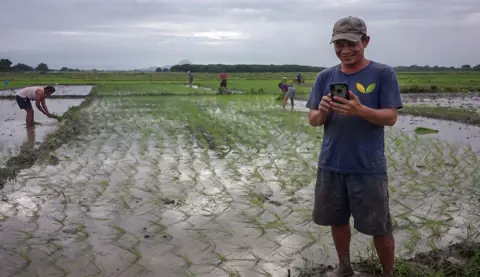
- Young field: flooded paddies with rows of pale green palay seedlings, set out at 18 to 21 days old.
- Tillering: thick clumps of bright green leaves, with water still standing between the hills.
- Heading and flowering: heads pushing out past the flag leaf, with tiny flowers open along each head.
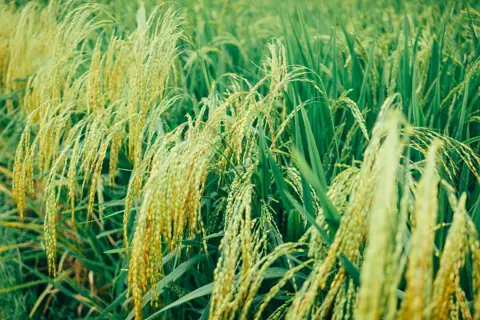
- Ripening: heavy heads bent over, turning from green to golden yellow.
- After threshing: golden grain spread on concrete to dry, or packed in sacks.
If you need to draw one instead, a palayan drawing usually shows these paddies with dikes, a carabao, a small hut and mountains behind. Our Palayan, Nueva Ecija page has a simple palayan drawing guide you can follow. For the plant alone, follow our palay drawing guide.
Fresh grain from the harvester carries 20 to 25 percent moisture in the wet season. Buyers pay less for wet grain because part of what you sell is water. So dry it to 14 percent if you can store it safely.
Growing palay well: where to go next
Our Filipino guide to pagtatanim ng palay walks through every step, from punla to pag aani ng palay. It covers the seedbed, direct seeding with tools like the palatak palay seeder, water, abono timing and the treser ng palay at harvest. To score your season, use the nine key checks in our guide to raising rice yield per hectare.
Weeds and pests can eat into your yield if you let them. Control weeds in the first 45 days, and watch for grasses, broadleaves and any sedge weed such as Cyperus iria. After that, watch for the rice insects that come with each stage. For nutrients, start with our guide to fertilizer for rice.
Set each lot's day zero and anee.io dates every task, from seedbed to harvest. Anee starts you with 20 free AI credits. When something looks wrong, ask Anee, the smart farm technician, in Tagalog or English, and send a photo of the pest or the sick plant.
Start free