

Plant Nutrients: What Each One Does and When Crops Need It
Nitrogen to nickel, one page each: what the nutrient does inside the plant, whether it is a building block the harvest carries away or a helper that works in grams, where its shortage shows first, and the days each crop needs it most.

Plant nutrients are the minerals a crop takes from the soil to build its body and run its chemistry. Some are building blocks the harvest carries away, some are helpers t...
Read the guide ›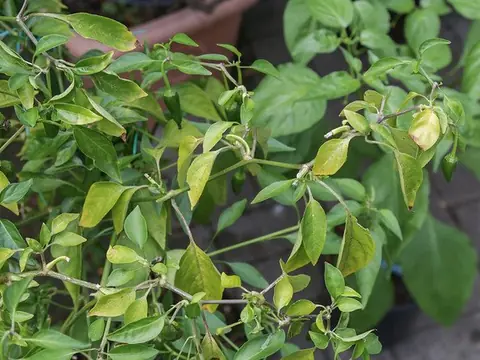
Nitrogen in plants is the nutrient of green growth. It is built into chlorophyll, the green color that turns sunlight into food, and into every protein and enzyme, so a c...
Read the guide ›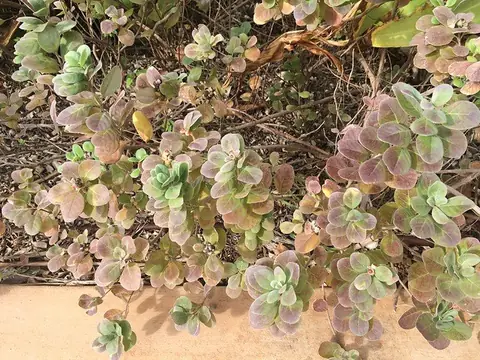
Phosphorus in plants is the energy nutrient. It carries the energy every cell runs on, builds new roots, and later moves into the seed and the grain. A crop needs it most...
Read the guide ›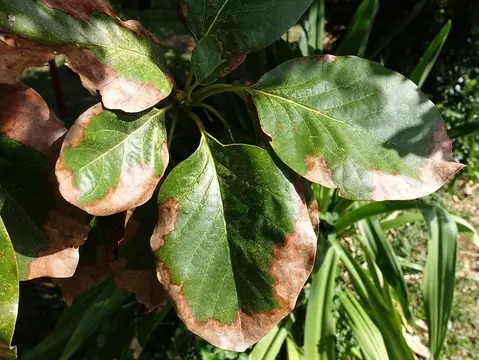
Potassium in plants is the regulator. It is not built into the plant body at all: it stays dissolved in the sap, where it opens and closes the leaf pores, moves sugar int...
Read the guide ›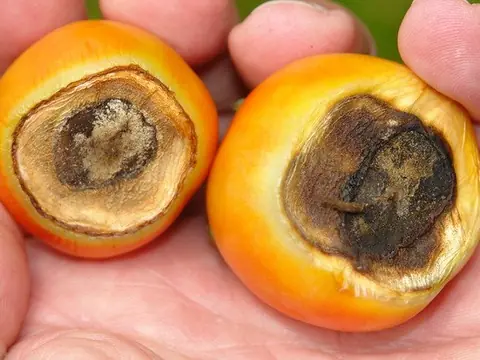
Calcium in plants is the cement of the cell walls. It holds new cells together and keeps fruit firm, but it cannot move from old leaves to new ones, so the young parts su...
Read the guide ›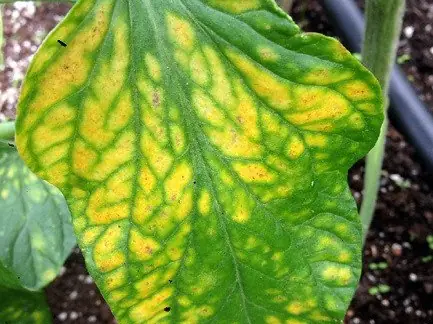
Magnesium in plants sits at the very center of chlorophyll, the green that turns sunlight into food, and it switches on the enzymes that move energy around the plant. A c...
Read the guide ›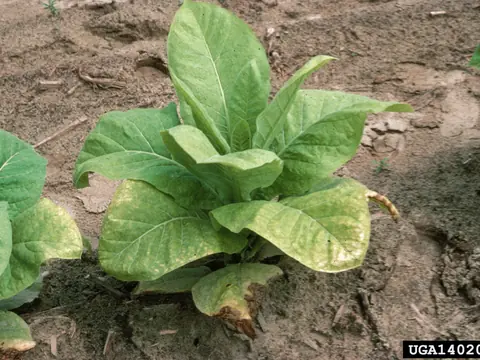
Sulfur in plants is a building block of proteins, and the partner nitrogen cannot work without. It also gives onion and garlic their bite and oil crops their oil. A crop...
Read the guide ›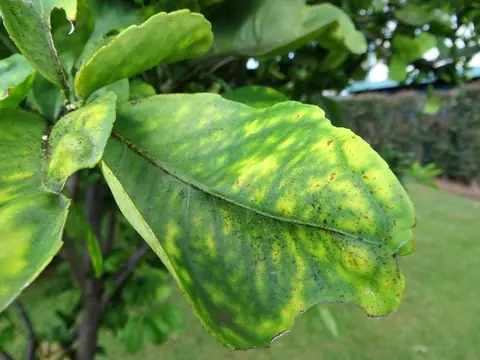
Zinc in plants is a helper: a tiny amount switches on the enzymes and hormones that make leaves grow and stems lengthen. Flooded palay runs short of it more often than of...
Read the guide ›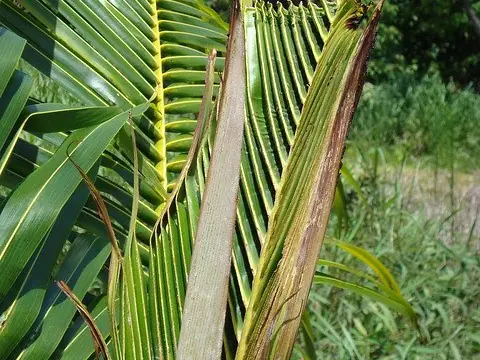
Boron in plants helps build cell walls and makes pollen grow, so flowers turn into fruit and seed. It does not move to new growth, so a shortage hits the growing tips and...
Read the guide ›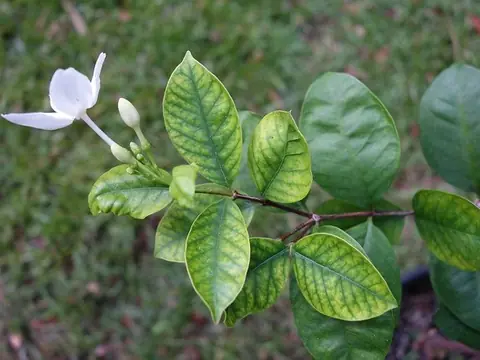
Iron in plants is a helper the leaf cannot make chlorophyll without. A crop short of it turns pale yellow on its newest leaves while the veins stay green. Upland crops on...
Read the guide ›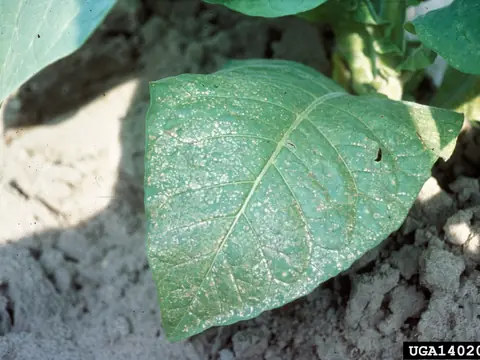
Manganese in plants is the helper that splits water inside the leaf, the first step of turning sunlight into food. It also switches on enzymes that build defenses against...
Read the guide ›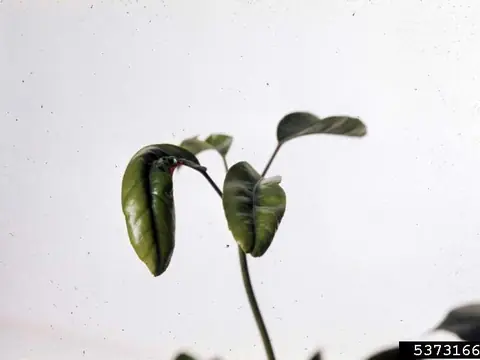
Copper in plants is a helper needed in very small amounts, for photosynthesis, for strong cell walls and above all for pollen. A crop short of it has twisted, wilting you...
Read the guide ›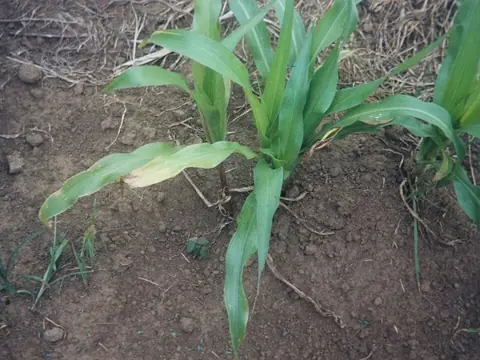
Molybdenum in plants is the smallest need of all, often less than a hundred grams per hectare, yet without it a crop cannot use the nitrate it takes up, and a legume cann...
Read the guide ›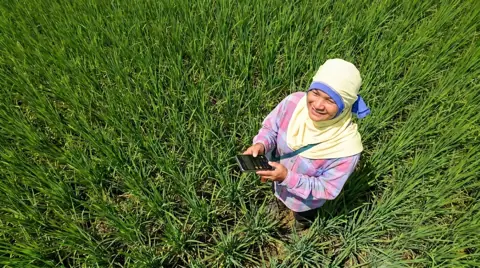
Chlorine in plants works as chloride, a helper that keeps water balanced in the cells and the leaf pores working. Most crops get all they need from rain, irrigation water...
Read the guide ›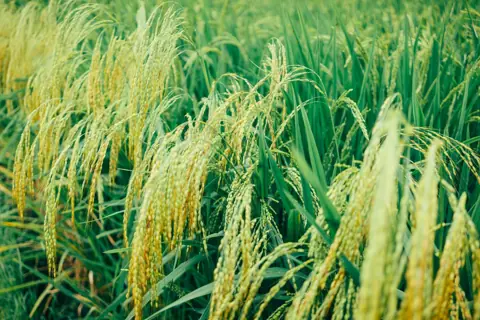
Nickel in plants is the newest nutrient on the list and the smallest need after molybdenum. It is part of urease, the enzyme that breaks down urea inside the plant, and i...
Read the guide ›
Silicon in plants is not on the list of essential nutrients, yet palay takes more of it than of nitrogen. It stiffens the leaves and stems, so the crop stands up to wind,...
Read the guide ›Put the guides to work
Plan the season, then let anee.io keep count
Build the cropping calendar from these guides, track every bag of fertilizer and every peso, and ask Anee, the smart farm technician, when a leaf looks wrong. In Tagalog or English.