

Latest in Agriculture
Philippine farm news every few days, with what each story means for your farm and a link to the full report. Plus our guides to fertilizer, pesticides, palay prices and farm words in Tagalog.

Farm news for November 12, 2026 brings critical alerts for palay rice producers as Lambunao declares a state of calamity and Central Visayas warns of heavy crop damage. W...
Read the news ›
Farm news for November 10, 2026 highlights the fight to protect palay in the philippines as twenty lawmakers demand a nationwide calamity declaration for dry spells. Pump...
Read the news ›
On November 9, 2026, the top farm story is a warning that corn output in Tabuk City, Kalinga, could fall up to 50 percent because of Super El Nino. For palay at mais grow...
Read the news ›
Our farm briefing for November 8, 2026 covers urgent weather shifts and field adjustments affecting palay farming across the islands. Rice growers face widening dry spell...
Read the news ›
On November 7, 2026, Philippine agriculture recorded a sharp 5 percent contraction in farm harvest value during the third quarter, driven down by shrinking palay rice and...
Read the news ›
National palay reserves dropped by 8.3 percent in October, raising questions about which rice varieties in the Philippines growers should rely on as El Nino tightens its...
Read the news ›
Today, November 5, 2026, the palay price outlook faces sharp turns as national offices prepare rules for a palay support price while extreme dry spells grip key regions....
Read the news ›
On November 4, 2026, the palay price outlook reflects heavy arrivals of foreign grain from Cambodia, along with sharp dry spell threats in Mindanao. Farm families face bo...
Read the news ›
Farm news for November 3, 2026 highlights mounting risks for grain growers as severe dry spells and high fertilizer prices in the Philippines trends strain seasonal budge...
Read the news ›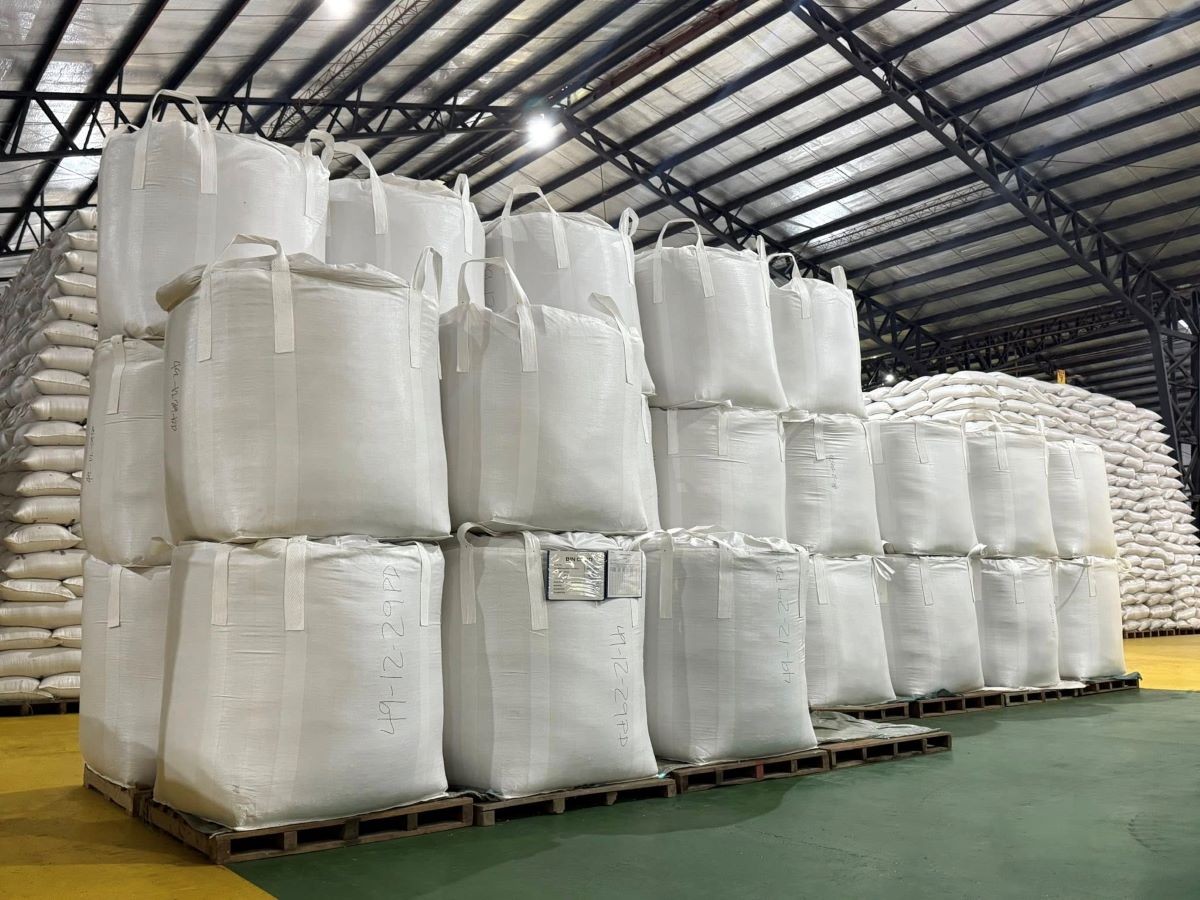
Palay Price news matters most on November 2, 2026, and today's top story is a National Food Authority pilot that cut palay handling time from one hour to 15 minutes. This...
Read the news ›
Farm news for November 1, 2026 shows mounting pressure on production costs as the weak peso raises import expenses for chemical inputs. These currency changes directly to...
Read the news ›
On October 31, 2026, the palay price encounters fresh pressure as the country declares a state of calamity in 109 areas due to prolonged dry weather cutting grain reserve...
Read the news ›
Farm news for October 30, 2026 shows shifting input costs as the fertilizer prices in the Philippines faces delays from currency movements and higher import expenses. At...
Read the news ›
Farm news for October 28, 2026 centers on how a weak peso drives energy costs upward for farm inputs and power bills. Fuel expenses and imported goods, including fertiliz...
Read the news ›
Farm news for October 27, 2026 highlights threats to the palay price today as diesel climbs, the peso drops near record lows, and El Nino strengthens. Extended dry spells...
Read the news ›
Farm news for October 26, 2026 highlights mounting dry spell pressure on the palay price as national crop damages reach 8.57 billion pesos. Over 288,000 growers face prol...
Read the news ›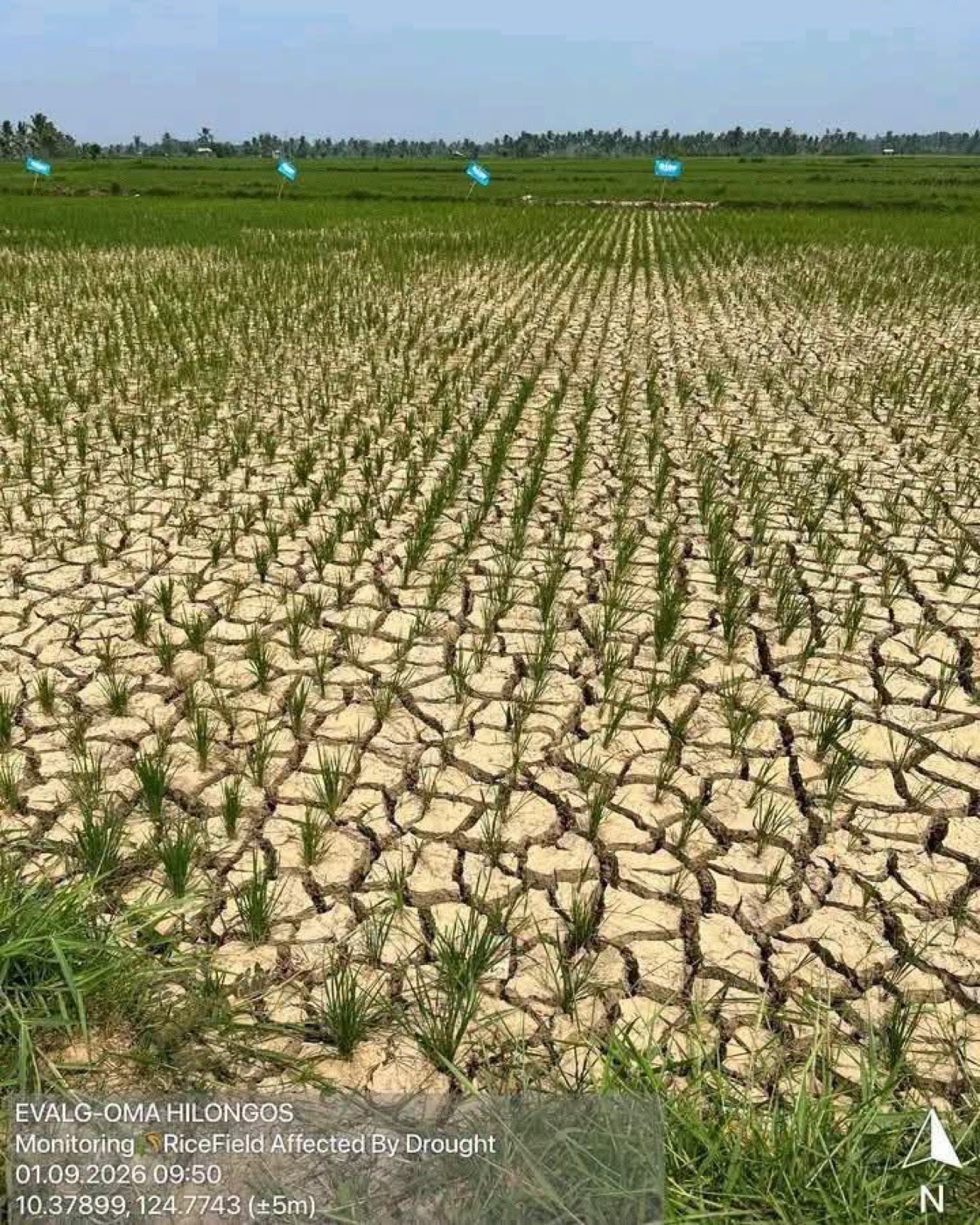
The palay price outlook faces heavy pressure this October 25, 2026 as prolonged dry spells cause ₱300 million in farm damage across Eastern Visayas. Along with drought co...
Read the news ›
Farm news for October 24, 2026 shows shifting outlooks for the palay price as authorities warn of severe drought. A projected Super El Nino harvest loss of one million me...
Read the news ›
Our farm roundup for October 23, 2026 looks closely at how the palay price today responds to thin government warehouse stocks and shifting weather. Multiple provinces now...
Read the news ›
Farm news for October 22, 2026 highlights threats to the palay price as Super Typhoon Rosal lashes northern Luzon while prolonged dry spells inflict heavy losses across o...
Read the news ›
Farm news for October 21, 2026 highlights pressure on the palay price as drought losses exceed 6.5 billion pesos across ten regions. While field crops confront water shor...
Read the news ›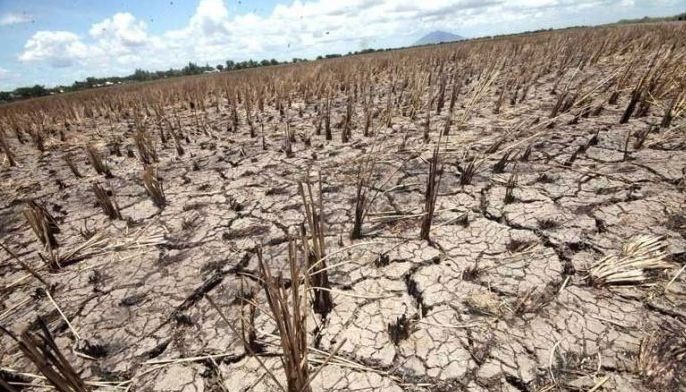
Farm news for October 19, 2026 highlights shifting conditions that pressure the palay price today across regional trading posts. Super Typhoon Champi moves closer to east...
Read the news ›
On October 18, 2026, the palay price outlook stays protected after authorities halted the commercial sale of thousands of tons of seized grain. Farmers tracking palay ric...
Read the news ›
On October 17, 2026, the Philippine Competition Commission levied a historic 1.76 billion peso fine against a major onion cartel that manipulated markets. This landmark p...
Read the news ›
Here is the farm news update for October 15, 2026, focusing on shifting fuel and farm costs across the country. Diesel prices dropped by around 3 pesos per liter this wee...
Read the news ›
Farm news for October 14, 2026 focuses on rising dry spell threats to standing palay rice crops across the country. Farmers also see diesel price relief this week alongsi...
Read the news ›
On October 13, 2026, government warnings highlight serious weather risks for palay rice production heading into the dry months. A major fuel price split brings relief for...
Read the news ›
For the week of October 7 to 11, 2026, El Niño continues to dry out fields across the Visayas, threatening thousands of hectares of crops. As the government releases aid...
Read the news ›
For the week of October 5 to 7, 2026, the biggest story for our growers is the drop in palay rice stocks just as the dry spell approaches. The government is moving fast t...
Read the news ›
The Super El Niño leads the farm news from September 28 to October 6, 2026. The Department of Agriculture says there is enough food and more aid for farmers is coming, wh...
Read the news ›
Palayan, Nueva Ecija is the capital of the country's rice granary, and its name says so: palayan means rice field. Here is how the city got its name and why Nueva Ecija g...
Read the guide ›
Weeds in Tagalog is damo, the same word Filipinos use for grass. So when a farmer says the field is full of damo, they mean the unwanted plants, not a lawn. This glossary...
Read the guide ›
Examples of organic fertilizer range from compost and vermicast to composted chicken dung, fish amino acid and ground eggshells. Each one feeds the soil as well as the cr...
Read the guide ›
Ani is the Filipino word for harvest: the crop you gather and the act of gathering it. This page explains the ani meaning and what crop yield means. It also shows how to...
Read the guide ›
Urea fertilizer is the white abono sold in 50 kg bags marked 46 0 0. It carries 46 percent nitrogen, the most of any common solid fertilizer. That makes it the main nitro...
Read the guide ›
Complete fertilizer 14 14 14 is a common basal abono for palay and mais in the Philippines. Farmers call it triple 14. It holds equal parts nitrogen, phosphate and potash...
Read the guide ›
Ang alamat ng palay ay kuwentong bayan na nagpapaliwanag kung paano natutong magtanim ng palay ang ating mga ninuno. Hindi iisa ang kuwento. May bersiyon ang mga Ibaloi n...
Basahin ›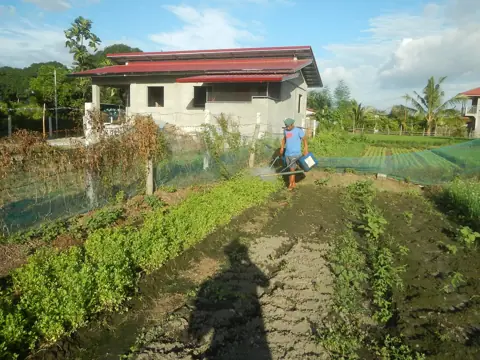
Fertilizer for plants puts back the nitrogen, phosphorus and potassium that each harvest carries away. Pick the wrong mix and you get leafy plants with no fruit, or weak...
Read the guide ›
Foliar fertilizer is plant food you spray on the leaves instead of putting it in the soil. It acts fast on small needs, like a zinc or boron shortage, but leaves cannot t...
Read the guide ›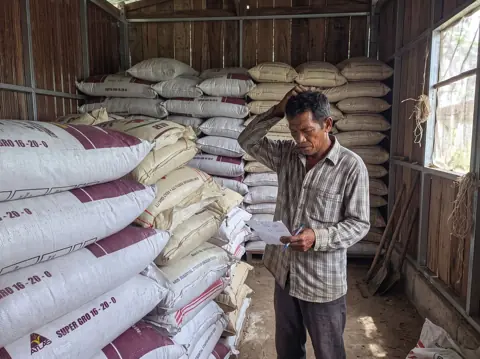
The Fertilizer and Pesticide Authority, or FPA, is the government agency that decides which fertilizers and pesticides may be sold in the Philippines and who may sell the...
Read the guide ›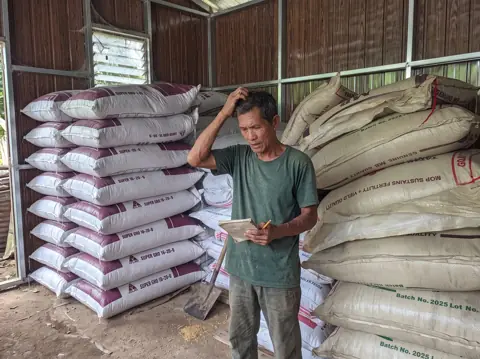
The palay price you get depends on the month, your province, the variety and how dry your grain is. Here is the latest national farmgate average and the NFA buying price....
Read the guide ›
Your fertilizer dealer is often your first source of farm advice and your lender in a tight season. It is also where a big share of your input money goes. A good one sell...
Read the guide ›
Karate insecticide, Cymbush and Selecron are long familiar names in Filipino farming, and many farmers buy them out of habit. All three come from Syngenta Philippines, bu...
Read the guide ›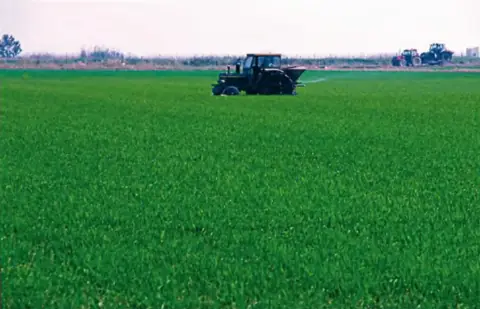
Fertilizer application methods decide how much of what you paid for actually reaches the roots. The same sack of urea can feed the crop or wash away, depending on where a...
Read the guide ›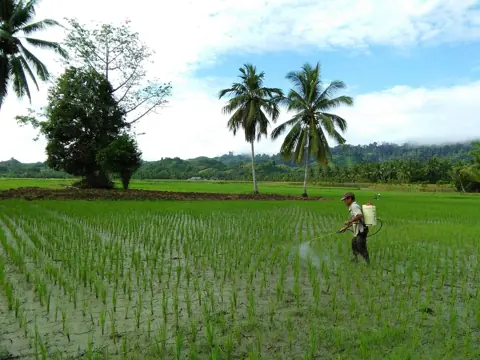
Alika insecticide, Virtako and Chess are often stocked side by side at the agrivet, and all three come from Syngenta Philippines. But they are not three names for one thi...
Read the guide ›
Ammonium sulfate fertilizer is the 21 0 0 abono that farmers call ammosul. It gives 21 percent nitrogen plus 24 percent sulfur, so it feeds two nutrients at once. This gu...
Read the guide ›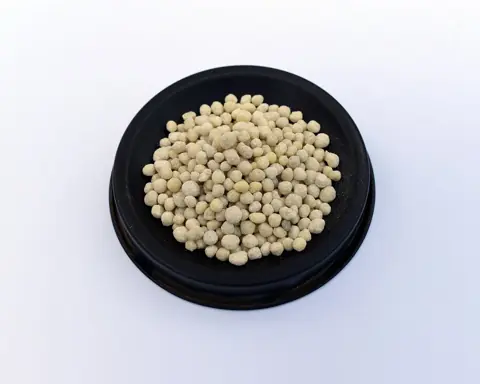
Examples of inorganic fertilizer on any Philippine agri supply shelf are urea (46 0 0), complete (14 14 14), ammophos (16 20 0), ammosul (21 0 0), muriate of potash (0 0...
Read the guide ›
A fungicide protects a crop from fungal disease. It stops spores from sprouting or slows a fungus already inside the leaf, but it cannot bring dead tissue back to life. T...
Read the guide ›
16 20 0 fertilizer is ammonium phosphate, sold in the Philippines as ammophos. Each bag gives 16 percent nitrogen and 20 percent phosphate but no potash. Farmers put it o...
Read the guide ›
Fertilizer calculation comes down to one line. Kilos of product equal kilos of nutrient needed, divided by that nutrient's share in the bag. With this fertilizer calculat...
Read the guide ›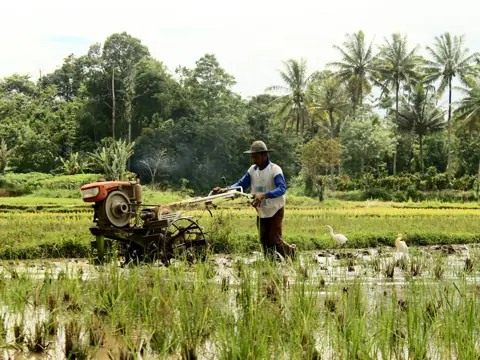
An agricultural engineer designs the irrigation, machines, buildings and processing systems that farms run on. In the Philippines the profession is now called agricultura...
Read the guide ›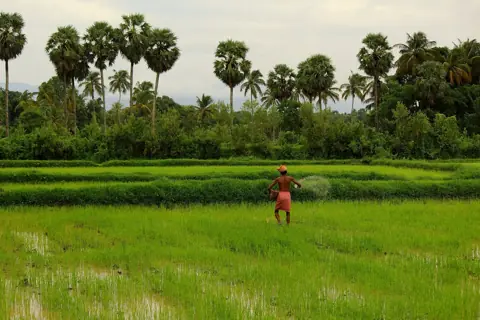
The right fertilizer for rice depends on your soil, your variety and your season, but the plan always follows the same growth stages. This guide lays out a full palay sea...
Read the guide ›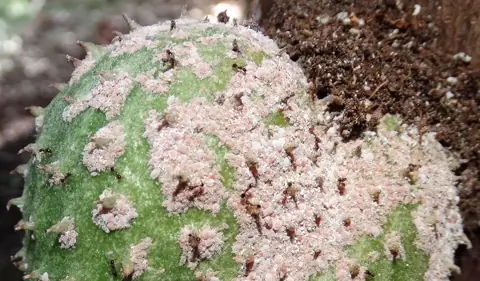
An ant bait is food mixed with a slow acting insecticide. Worker ants carry it home and share it, so the poison reaches the queen and the brood that you never see. Termit...
Read the guide ›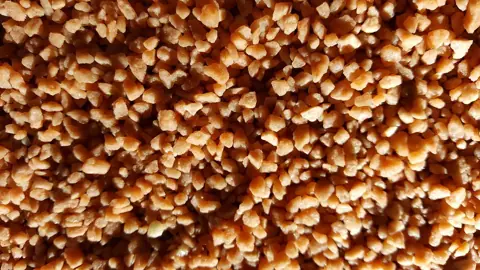
Potash fertilizer in the Philippines usually means muriate of potash, the 0 0 60 sold in 50 kg bags. It carries 60 percent potash (K2O), and it is the most common fertili...
Read the guide ›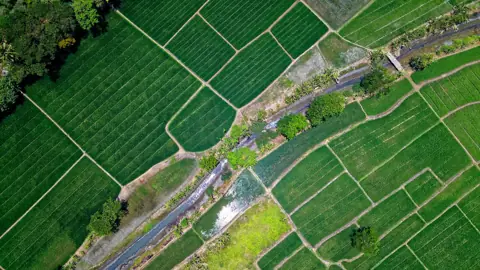
Agriculture in the economy of the Philippines is small in pesos but huge in people. It makes less than a tenth of the country's output, yet it employs about one in five w...
Read the guide ›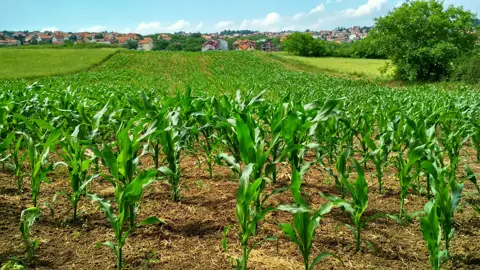
Ang alamat ng mais ay kuwentong bayan na nagpapaliwanag kung bakit may buhok ang mais at kung bakit parang mga hiyas ang butil nito. Marami ang bersiyon, at dalawa ang ma...
Basahin ›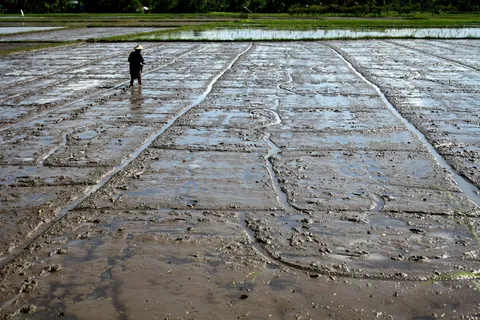
The best farm planning app for a small rice farm in the Philippines dates every task from your own transplanting or sowing day. It also knows the growth stages of palay,...
Read the guide ›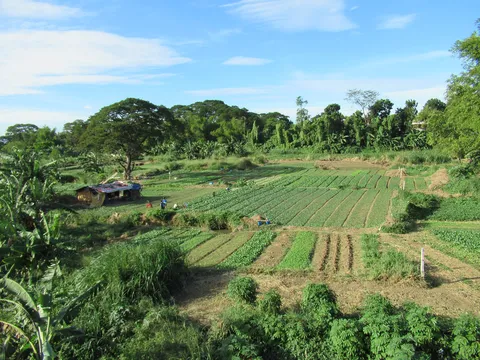
The best value farm app for vegetable growers in the Philippines is the one that keeps track of many crops, many pickings and many small costs for the fewest pesos. anee....
Read the guide ›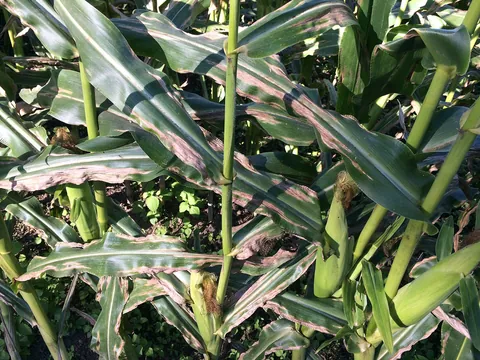
The best crop disease diagnosis app for a Filipino rice or corn farmer reads your photo together with the crop's age, variety and weather. It tells you how to confirm the...
Read the guide ›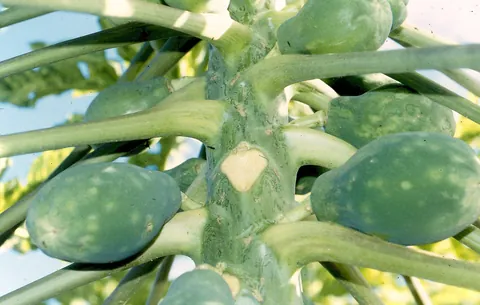
The most useful plant disease detection tool for a Filipino fruit grower is not the one with the smartest camera. It reads the leaf, fruit or trunk with your tree's stage...
Read the guide ›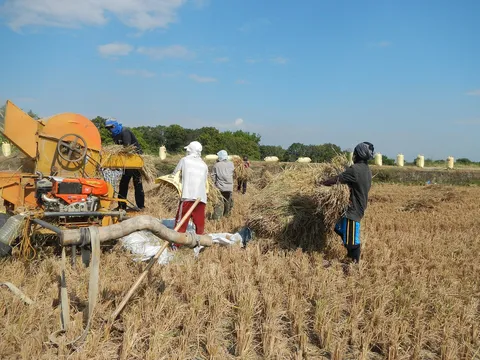
The best farm labor tracking app for a Philippine rice farm records who worked, on which task and lot, and at what rate. Then it adds those wages into the season's costs...
Read the guide ›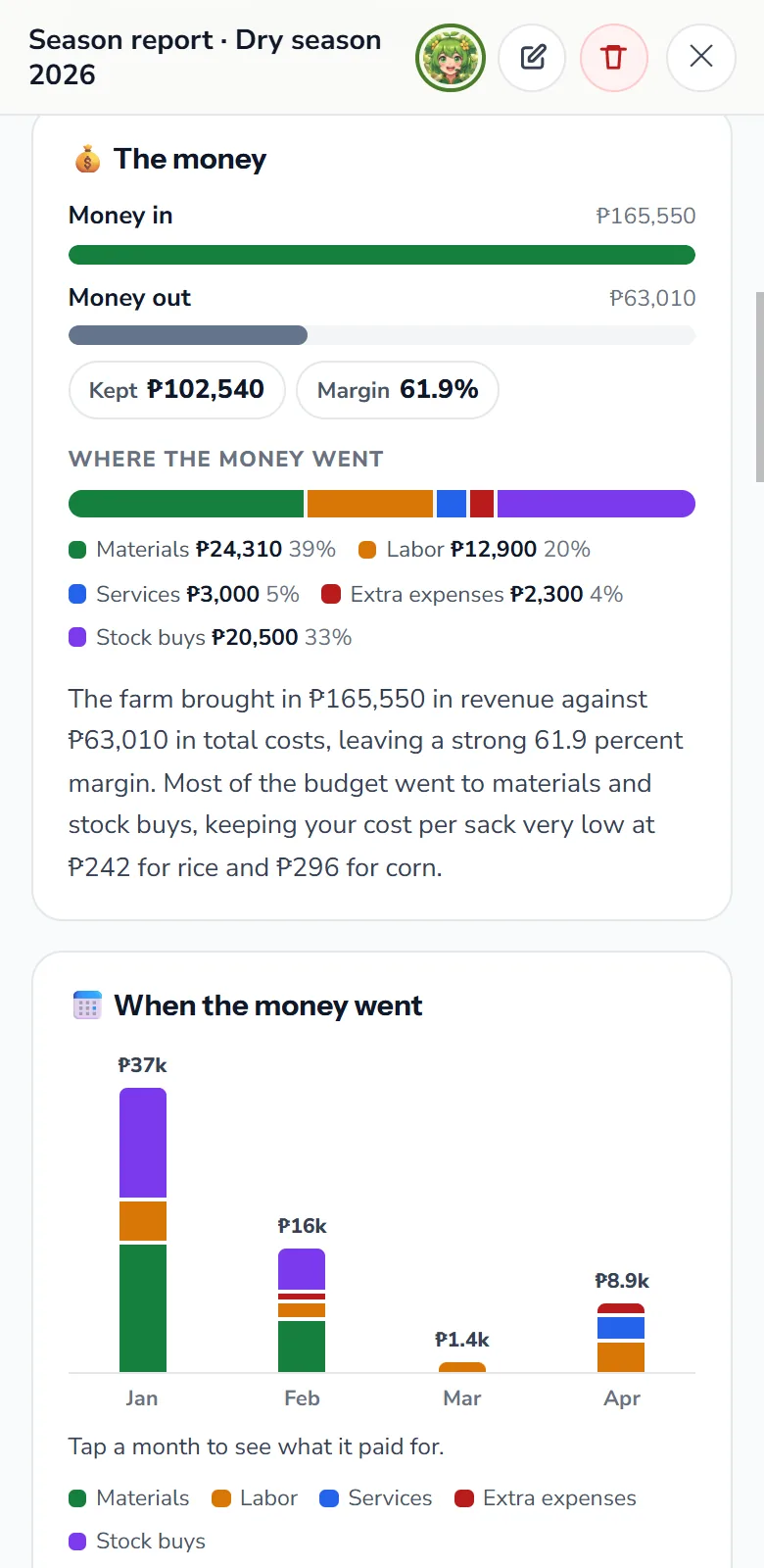
The best value farm expense management software records each cost where it happens, on the task in the field, and turns it into an expenses report and a real profit figur...
Read the guide ›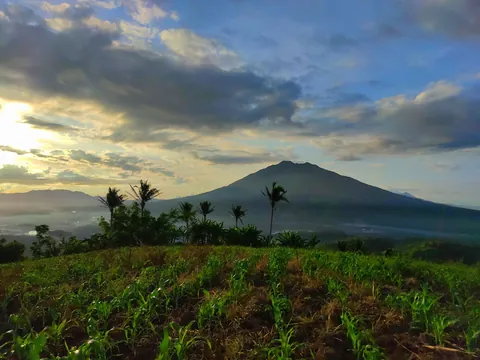
The best crop growth stage monitoring tool for rice and corn counts each lot's age from its own planting day, names the stage, and tells you what to do at that stage, wit...
Read the guide ›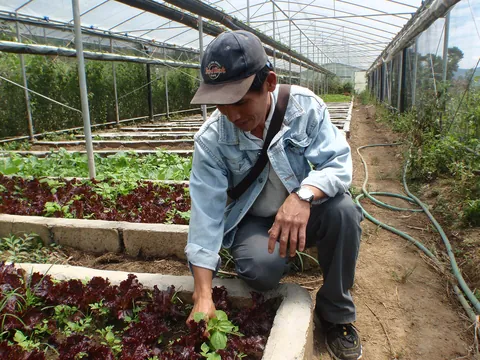
No platform raises vegetable yields on its own. The crop monitoring for vegetable farmers that pays is a weekly habit: turn the leaves, count pests and their natural enem...
Read the guide ›
The best Filipino farmer community is the one where real growers near you answer your questions, and where membership gets you cheaper inputs. For most farmers that means...
Read the guide ›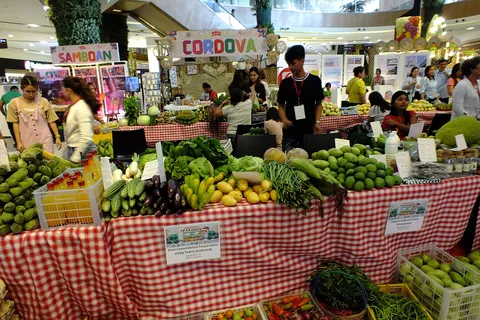
There is no single best online marketplace for farmers in the Philippines. Most farmers sell best through a mix: DA Kadiwa outlets and buyer matching, NFA buying stations...
Read the guide ›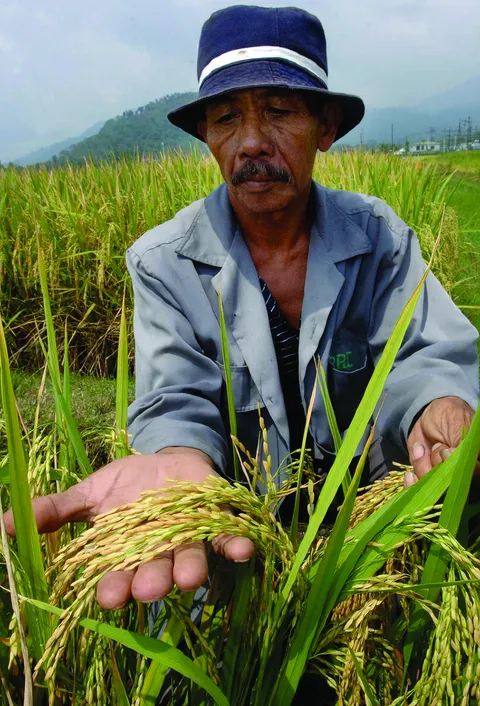
To increase rice yield per hectare, find and fix the weakest link of your season instead of only adding fertilizer. Nine key checks cover the season, from certified seed...
Read the guide ›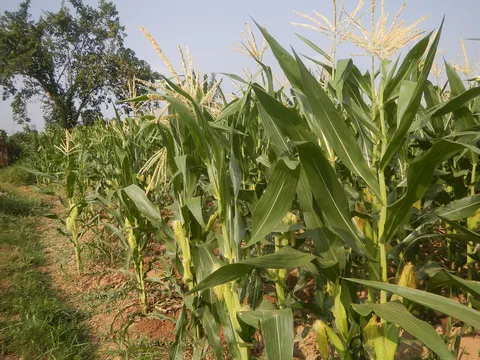
To increase corn yield, get three things right before you spend more on fertilizer: enough plants per hectare, nutrients matched to your soil test and a weed free first m...
Read the guide ›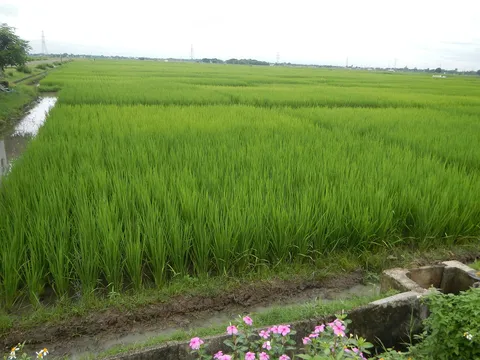
The best fertilizer for wet season rice is a smaller plan with sharper timing, because cloudy months cap the yield the crop can reach. The general recommendation for irri...
Read the guide ›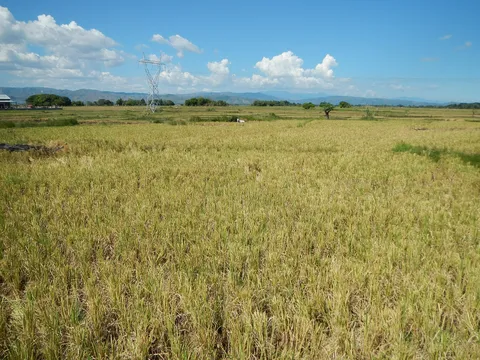
Irrigated palay usually needs about 2.5 to 6.5 bags of inorganic fertilizer per hectare, depending on the yield you aim for. The Abonong Swak plan uses 2.5 bags for 3 to...
Read the guide ›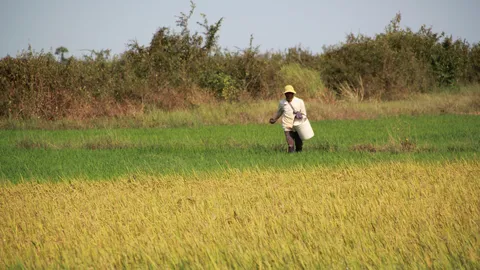
The best fertilizer calculator app for a Filipino farm reads the bag grades sold here, adds up nitrogen, phosphorus and potassium per hectare and compares them with what...
Read the guide ›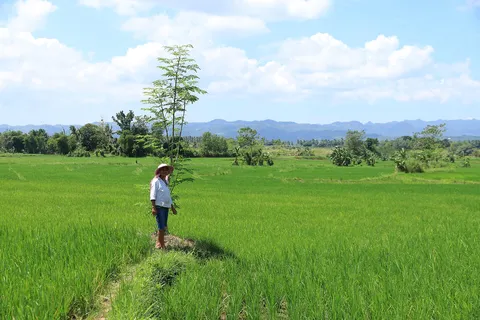
You can spot a nutrient deficiency in rice by where and how the leaves change color. Older leaves gone yellowish green point to nitrogen, short plants with dark leaves st...
Read the guide ›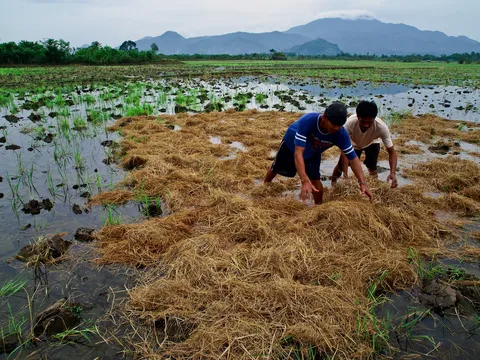
You can lower fertilizer cost without lowering your harvest by cutting waste, not nutrients. Test the soil before you buy, return rice straw and manure to the field, let...
Read the guide ›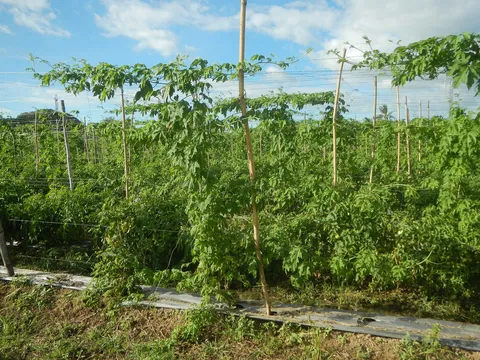
The best fertilizer for vegetables like ampalaya, tomato and eggplant is a program, not a single bag. Work in compost or decomposed manure before planting, give complete...
Read the guide ›
Good fertilizer timing by growth stage means you read the plant, not only the calendar. In rice, the basal dose goes in by 14 days after transplanting, nitrogen follows a...
Read the guide ›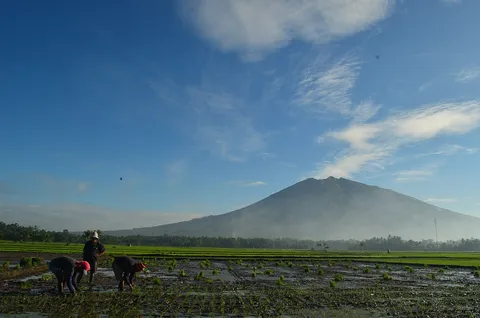
The best way to make a season fertilizer plan is to work backward from a yield target you can reach. Count what your soil, straw and manure already supply, turn the gap i...
Read the guide ›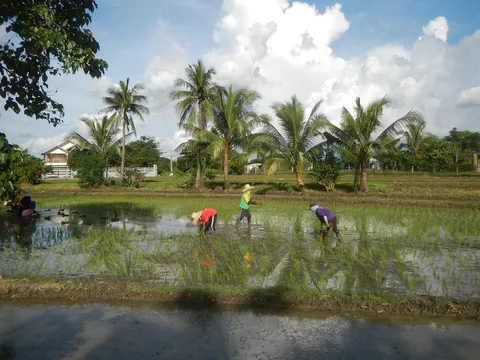
The best time to plant rice in your province depends on two things: sure water, and flowering and harvest that miss your typhoon months. Nationwide, wet season planting p...
Read the guide ›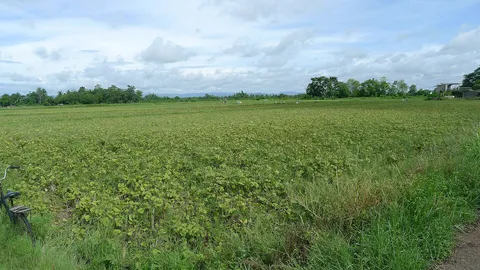
What crop to plant this season comes down to six checks: water, the season ahead, soil, market, cash and labor. For the coming dry season, a strong El Nino is forecast th...
Read the guide ›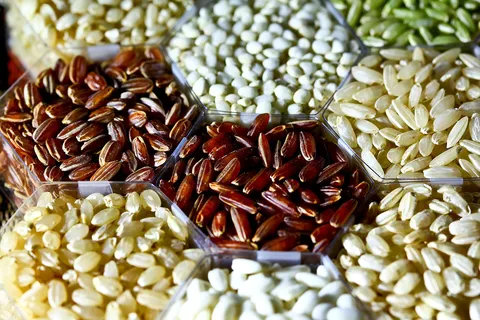
If you are asking "what is the best rice variety for my area", look for one that suits your field, season, pests and buyers. Add one more test: it should have done well i...
Read the guide ›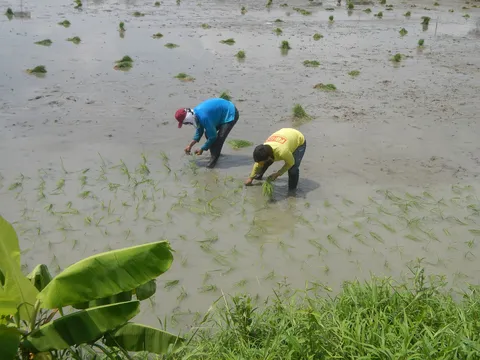
A cropping calendar is your season written as dated tasks, from land preparation to harvest, counted from each lot's planting day. Here is how to make a cropping calendar...
Read the guide ›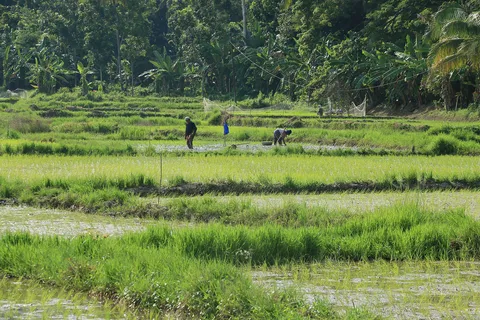
To plan a season for lots planted on different days, give each lot its own day zero and count every task from it. A staggered planting schedule then spreads labor, water,...
Read the guide ›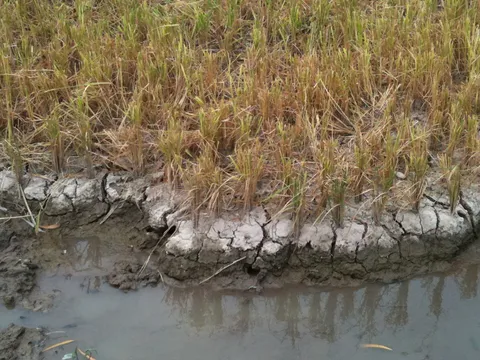
These El Nino farming tips start with PAGASA's monthly ENSO alert: when it calls an El Nino, plan the dry season around the water you are sure of. Plant rice only where w...
Read the guide ›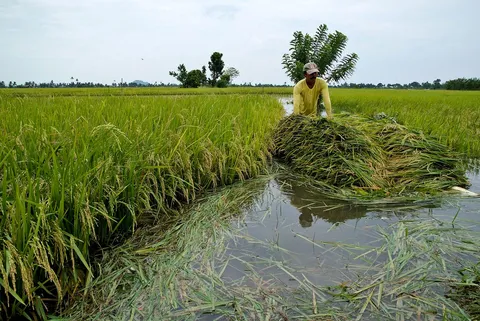
Typhoon preparation for farmers starts the moment PAGASA raises a wind signal: harvest any crop that is mature, clear the drains, move seed, inputs, animals and machines...
Read the guide ›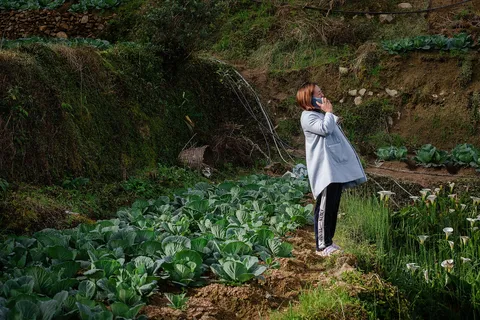
The best free farm app keeps your season in order without charging you: tasks dated from your planting day, growth stages, notes and photos, weather and a record of your...
Read the guide ›
Yes. A good farm app without internet keeps working when the signal drops: you open your plan, tick tasks and write notes, and the app sends your changes once the signal...
Read the guide ›
anee.io is the closest thing to a full Tagalog farm app today: Anee, its smart farm technician, answers in Tagalog, Bisaya, Ilocano, Taglish or English, and she reads you...
Read the guide ›
To identify rice pests from a photo, take two pictures: a close one of the insect and one of the damage it left, both sharp and in daylight. Then match the damage to the...
Read the guide ›
To tell a pest or disease apart, look for the culprit first. Chewed or cut tissue, holes, droppings, eggs and the insects themselves point to a pest, while spots with bor...
Read the guide ›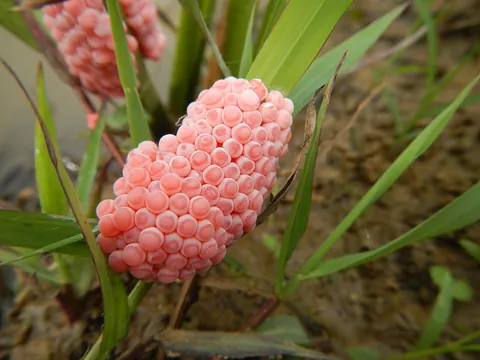
Early pest detection means walking your field on a fixed routine and counting pests and their natural enemies. You act only when a count crosses an action level, long bef...
Read the guide ›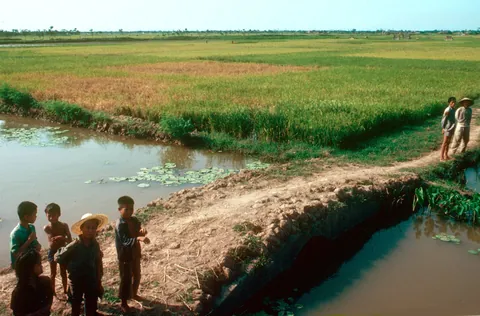
Yellow rice leaves point first to nitrogen shortage, one of the most common problems of rice, but tungro, planthoppers, zinc or sulfur deficiency and water stress can all...
Read the guide ›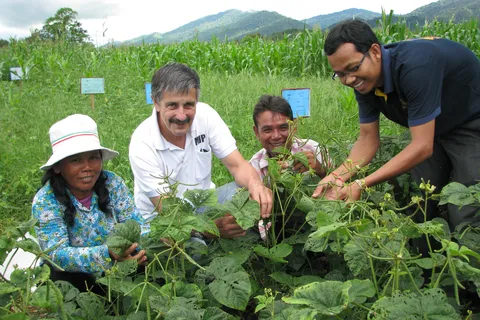
You can ask an agriculturist online for free through public services: the PhilRice Text Center (0917 111 7423) for rice, and the Farmers' Contact Center of the Agricultur...
Read the guide ›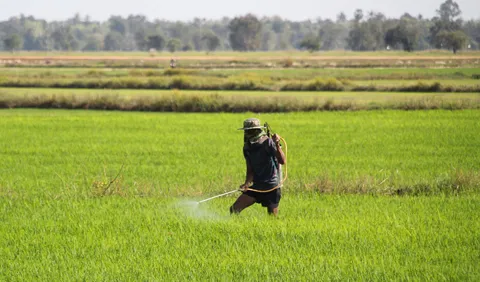
AI farm advice is accurate enough to trust as a first opinion and a planning aid, not as the final word before you spray or spend. It is only as good as what it can see,...
Read the guide ›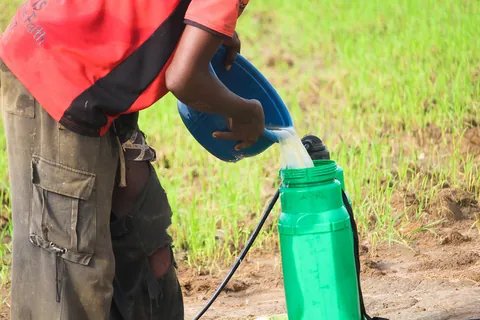
You avoid the wrong pesticide by naming the problem before you shop. An insecticide does nothing for a fungus, no spray cures a virus, and some problems need no spray at...
Read the guide ›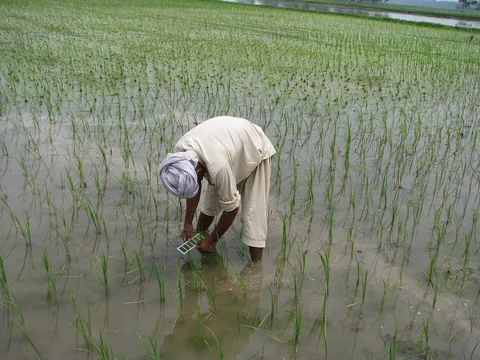
You can monitor crop health without a drone by walking each lot on a fixed schedule, checking leaves and stems at several spots, reading a leaf color chart for rice, sett...
Read the guide ›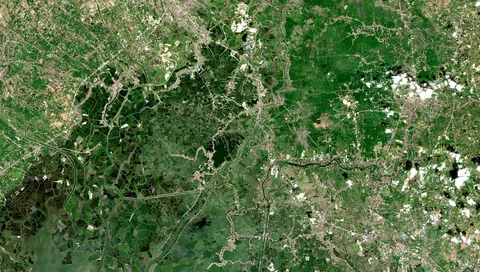
Yes, within limits. Free Sentinel 2 satellite images of my farm, or any farm in the Philippines, show how green and even a crop is, which part of a field is weaker, and w...
Read the guide ›
To compute the cost of producing rice per hectare, add every cost of the season, whether paid in cash, paid in palay or supplied by you, then divide by the hectares you p...
Read the guide ›
Your farm is really profitable when harvest sales cover every cost and still leave money over. That includes the work and land you did not pay for in cash. Measure farm p...
Read the guide ›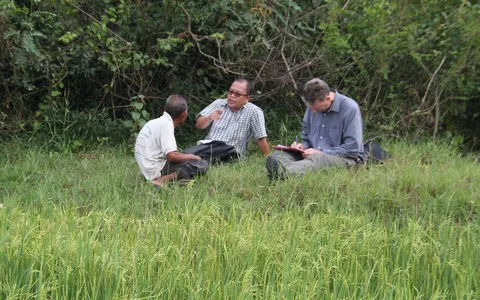
The best way to keep farm records is to write each thing down where and when it happens, in one place you can add up later. For good farm record keeping, most Filipino fa...
Read the guide ›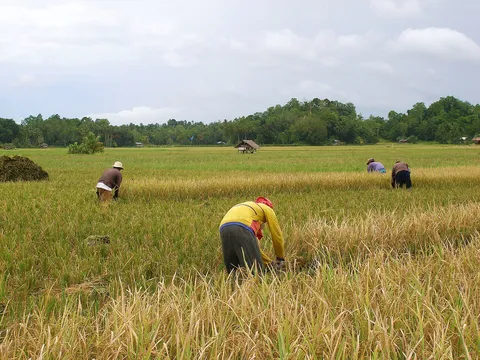
To pay farm workers' wages fairly, agree on the pay before the work starts, follow your region's minimum wage, and record every day each person works. Then pay on the day...
Read the guide ›
The simplest way to share the farm plan with workers is to send each day's tasks to their phones the evening before. Use a form they can open without an account. With ane...
Read the guide ›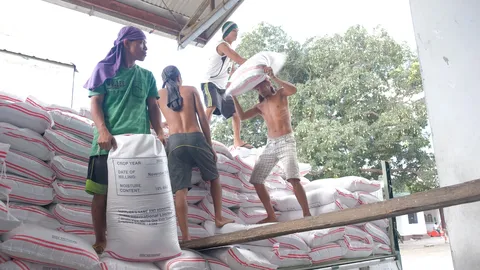
Farm inventory tracking means writing down every bag, bottle and sack that comes into your shed and every one that goes out. Note the date, the task and who took it. Your...
Read the guide ›
To prepare the cash for each week of the cropping season, list every task by its date, put a peso amount on each one, and add them up week by week. That farm cash flow pl...
Read the guide ›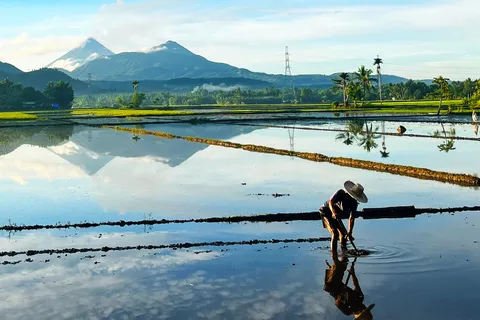
To manage a farm remotely, put the season's plan in writing, give one trusted caretaker clear daily tasks, ask for a photo of each finished job, release cash by the week,...
Read the guide ›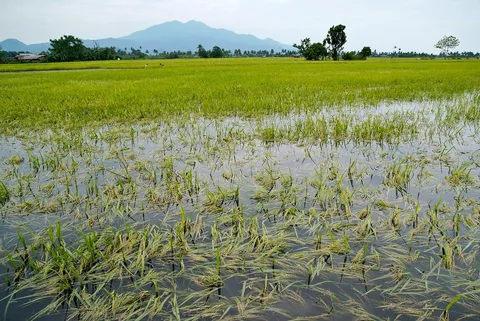
Most farm loans and crop insurance in the Philippines start with three things: your RSBSA registration, proof that you own, rent or till the land, and a farm plan and bud...
Read the guide ›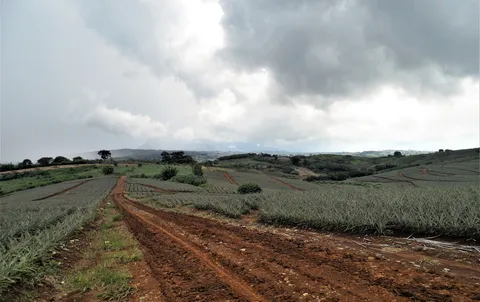
The best weather app for farmers in the Philippines gives the forecast for your own farm, hour by hour, and puts it beside your work so you can move a spray or a harvest...
Read the guide ›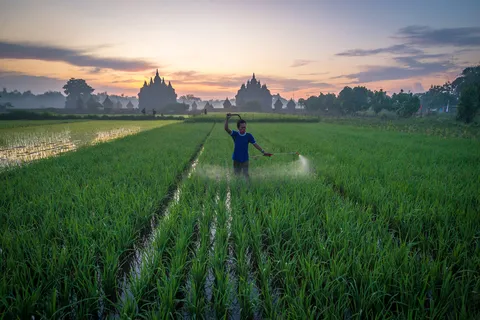
Read the hourly forecast for your farm's exact location the evening before and again that morning, and spray only if no rain is expected for the dry period your product l...
Read the guide ›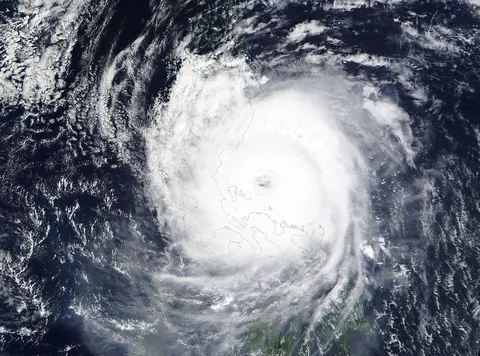
To track typhoons that may hit your farm, follow PAGASA's tropical cyclone bulletins and wind signals, and use a storm map that shows each storm's track, its cone and its...
Read the guide ›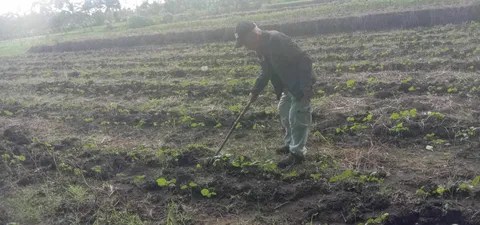
You can start farming with no experience if you learn first, start small and plan every step before you plant. Take free courses from the Agricultural Training Institute,...
Read the guide ›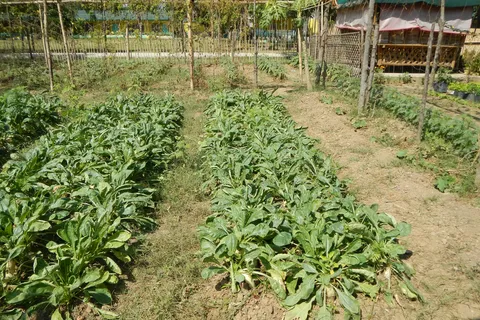
The best small farm ideas in the Philippines are crops that grow fast, sell nearby and pay you more than once: leafy greens like pechay and mustasa, and fruiting vegetabl...
Read the guide ›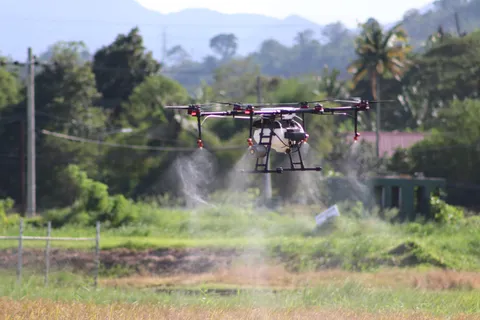
The best way to learn modern farming techniques in the Philippines is to pair a free course with practice on your own field. Take an ATI online course or join a farmer fi...
Read the guide ›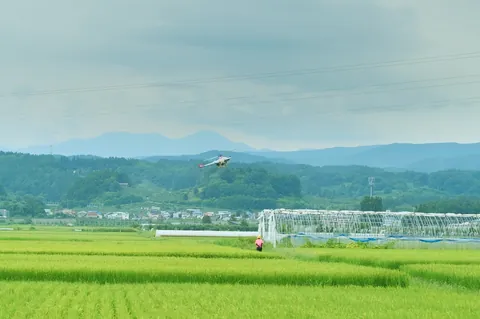
Precision agriculture means giving each field, or each part of a field, what it really needs, based on measurements instead of one rate for everything. Small farmers in t...
Read the guide ›
Yes. If you keep asking what to do on my farm today, anee.io, a farm app built for Filipino farmers, answers it every morning. Each lot shows its tasks, growth stage, wat...
Read the guide ›
AI for farmers raises income in two ways: it cuts costly mistakes, such as the wrong pesticide, the wrong fertilizer rate or a spray before rain, and it helps you time pl...
Read the guide ›
A modern Filipino farm needs six digital farming tools: a planning and records app, a weather and typhoon tracker, a fertilizer adviser, a variety guide, a pest and disea...
Read the guide ›
The best farm management app in the Philippines runs the whole farm, not only the calendar: workers and pay, the shed of inputs, money in and out, and a team that can log...
Read the guide ›
To reduce crop losses, find where your farm loses the most and fix that first: pests caught late, storms met unprepared, a harvest cut too early or too late, and grain dr...
Read the guide ›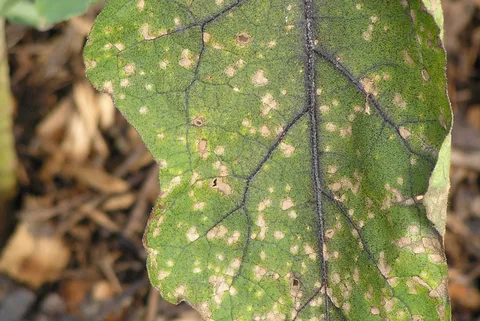
The best plant disease identification app covers your crop, reads the photo with the crop's age and weather, and tells you how to confirm. No app is right every time. In...
Read the guide ›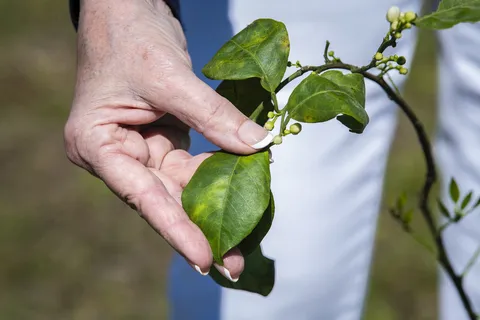
Yes. An app to identify plant problems can name a likely cause from a photo or from the signs you pick. But one yellow leaf can come from a pest, a disease, hunger, water...
Read the guide ›
The best farm management software for a small farm dates every task from planting and adds up costs, labor and harvest by itself, on an ordinary phone. You do not need co...
Read the guide ›
A farm record keeping app beats a notebook once you hire workers, plant more than one lot or want your real profit, because it adds up labor, expenses and sales for you....
Read the guide ›
This anee.io review is our own overview, written by the anee.io team, not an independent test. In short, anee.io is a farm app built for Filipino farmers to plan and run...
Read the guide ›
There is no single best fertilizer for palay. The best one is the right grade, at the right growth stage, in the amount your soil needs. In the usual plans, that means co...
Read the guide ›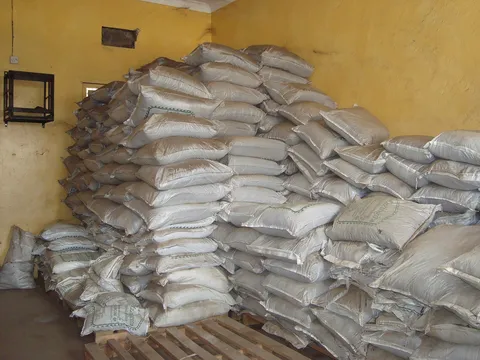
The best fertilizer store near me is a dealer licensed by the Fertilizer and Pesticide Authority (FPA). It sells sealed, registered bags and gives an official receipt. Ch...
Read the guide ›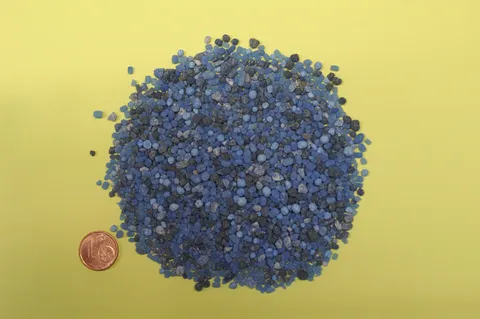
Fertilizer prices Philippine farmers pay change every week, so check the latest Fertilizer and Pesticide Authority (FPA) list before you buy. For October 5 to 9, 2026, th...
Read the guide ›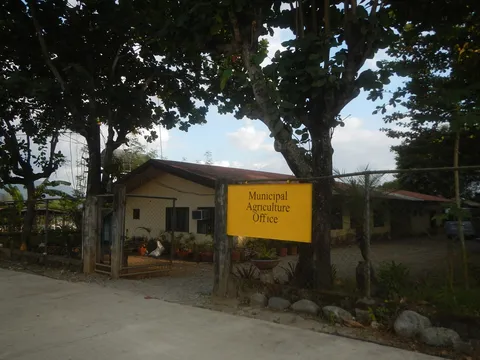
DA help for rice farmers, a fertilizer subsidy included, usually starts with one step: registering in the RSBSA at your Municipal Agriculture Office (MAO). The DA has giv...
Read the guide ›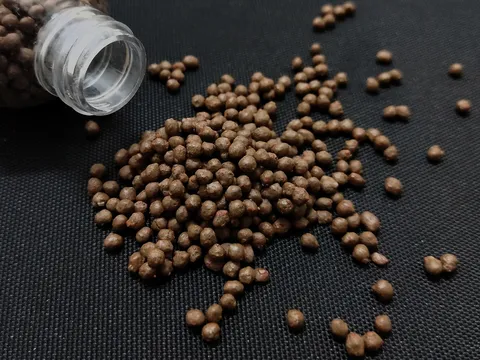
There is no single best NPK ratio for rice, because the right amounts change with soil, season and yield target. As a guide, the usual rates for irrigated lowland rice wo...
Read the guide ›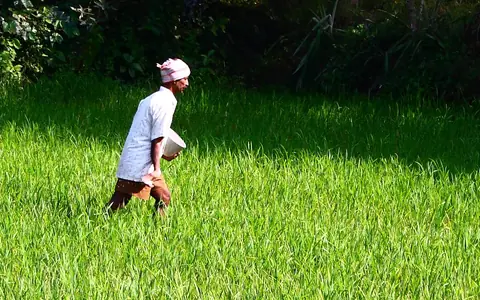
Balanced fertilization means giving rice the nutrients it lacks in the right amount, proportion and timing. It uses organic and inorganic fertilizer together. The DA adop...
Read the guide ›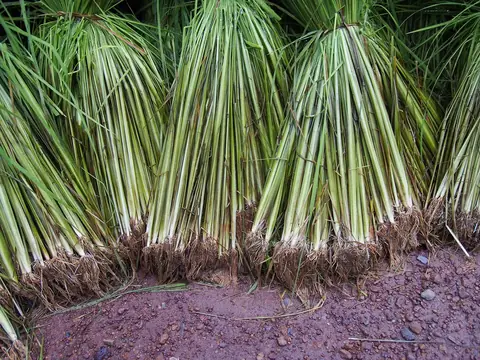
Yes, rice needs micronutrients, and zinc is the one most often short. It shows 2 to 4 weeks after transplanting as dusty brown spots on stunted plants, mostly on alkaline...
Read the guide ›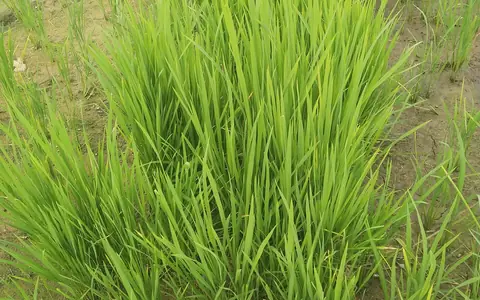
Nitrogen is the main fertilizer for tillering. Palay makes more tillers when about 30 percent of its nitrogen goes in the basal dose by 14 days after transplanting, with...
Read the guide ›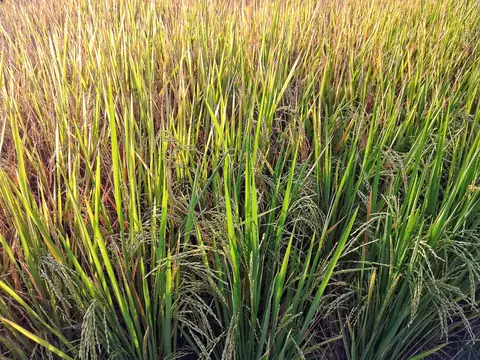
The fertilizer that fills palay grains goes on before heading, not during grain filling. Give the last nitrogen and the second potassium dose around panicle initiation, k...
Read the guide ›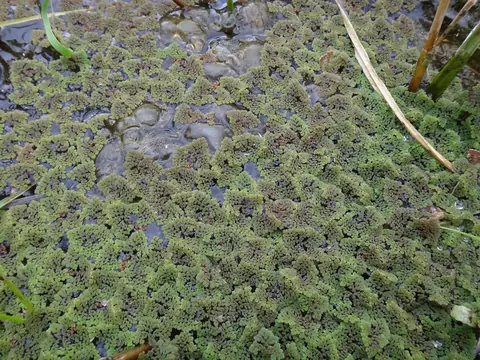
Neither one wins alone. In the organic vs inorganic fertilizer question, inorganic fertilizer feeds palay fast and costs the least per kilo of nitrogen. Organic fertilize...
Read the guide ›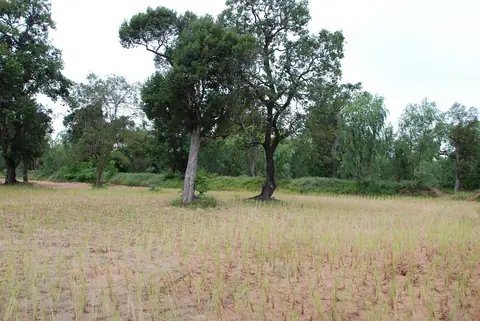
The best fertilizer for sandy soil growing palay is the usual complete, urea and potash, given in more and smaller doses, with organic matter every season. Sand holds lit...
Read the guide ›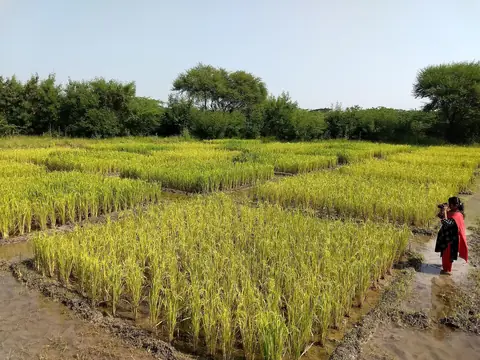
Sometimes, by a modest amount, and only on top of a sound NPK program. A growth enhancer for rice, whether a biostimulant, a foliar booster or a plant growth regulator, c...
Read the guide ›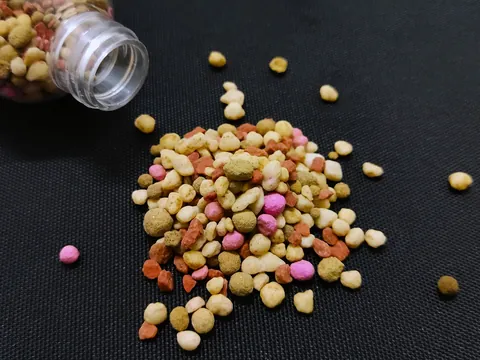
Fertilizer is any material, natural or factory made, that supplies the nutrients plants need to grow, usually through the soil. That is the usual international definition...
Read the guide ›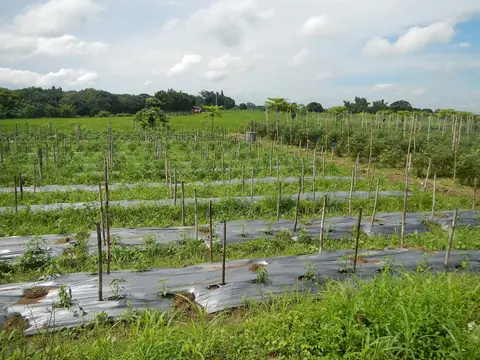
The best fertilizer for tomatoes in the Philippines is a program by stage, not one bag. Work decomposed manure into the field and put a tablespoon of complete fertilizer...
Read the guide ›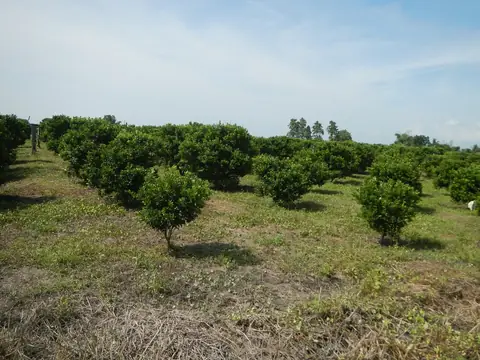
The right fertilizer for fruit trees depends on the tree's age. Young trees get small, split doses of urea or ammonium sulfate to grow their frame. Bearing trees get comp...
Read the guide ›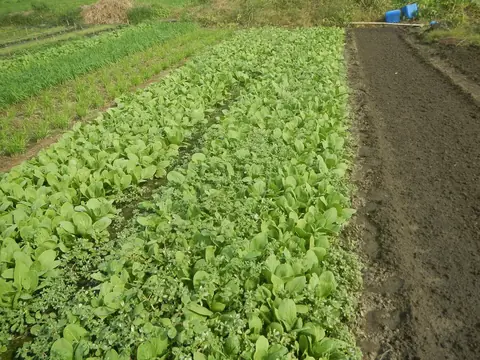
The best organic fertilizer for pechay is mature compost or fully decomposed chicken manure, worked into the bed before planting. Add a weekly fish amino acid (FAA) spray...
Read the guide ›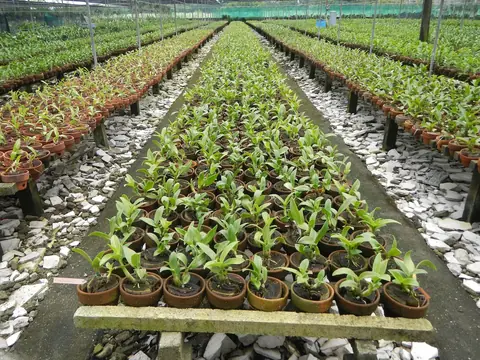
The best fertilizer for orchids is a balanced, water soluble feed mixed weak and given weekly. Once a month, water with plain water to flush out salts. Other ornamentals...
Read the guide ›
The best rice farming app counts the days after sowing or transplanting from each lot's own day zero. It times fertilizer, water and pest checks by growth stage, keeps la...
Read the guide ›
You can download a farm app for Android from Google Play, where you will find rice apps such as Binhing Palay and free rice calendar apps. anee.io, a farm app built for F...
Read the guide ›
Farm management software cost runs from free to a monthly or yearly fee, and some tools charge by area, by user or in credits for AI work. Count the hidden costs too: a p...
Read the guide ›
To digitize farm records, do not copy every old page. Bring over the few numbers you will compare, start fresh with the current season, and keep the notebook as a backup...
Read the guide ›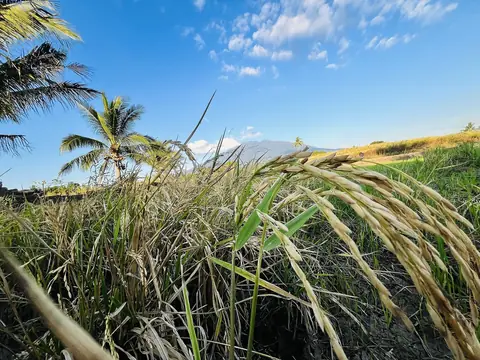
Crop yield forecasting can give you a fair range before harvest, but no app can promise an exact number. Once the grains fill, count panicles and grains in a few small sa...
Read the guide ›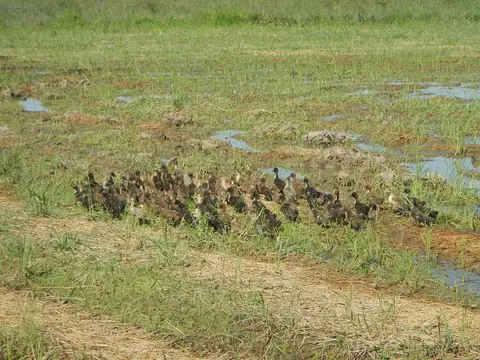
A livestock farm app keeps herd and flock records: each animal or batch, breeding, vaccinations, medicines, feed and deaths. A crop app keeps the season, from land prepar...
Read the guide ›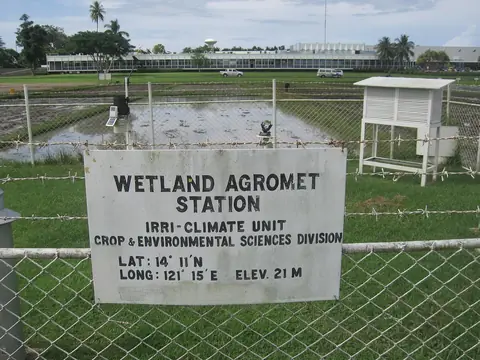
Some farm apps connect to farm sensors such as weather stations, soil moisture probes and water level meters, mostly on big farms. In the Philippines, public projects lik...
Read the guide ›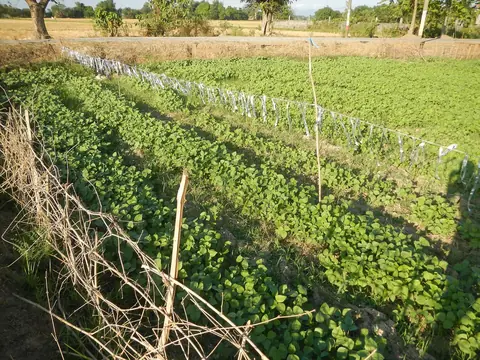
Multiple cropping means growing two or more crops on the same land in one year, one after another or side by side. In rice areas, munggo, mais or melon can follow the pal...
Read the guide ›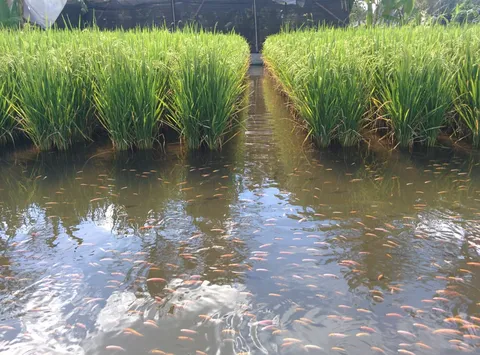
Palayisdaan is rice fish farming: you raise tilapia or carp in the flooded paddy with your palay, plus a deeper trench where the fish shelter when the water drops. The na...
Read the guide ›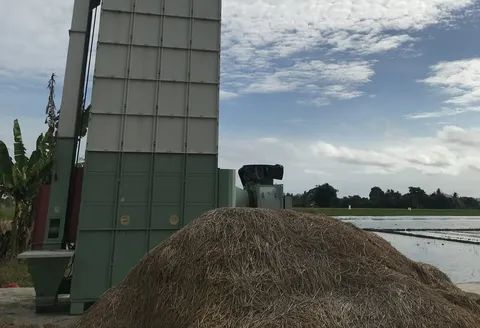
Dry palay to 12 to 14 percent moisture within 12 to 24 hours after harvest or threshing. Sun drying on a clean pavement or net costs little in good weather. A palay dryer...
Read the guide ›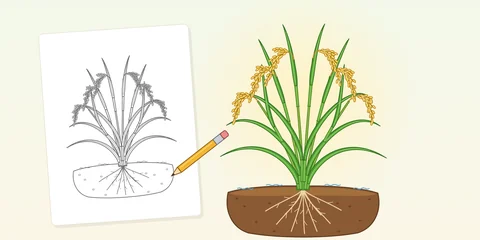
To draw palay, start with the ground and roots. Then add six thin stems, long arching leaves, drooping panicle stems and many small oval grains. This palay drawing guide...
Read the guide ›
A leaf color chart is a plastic strip with four shades of green that tells you when palay needs nitrogen. You hold a rice leaf against it, match the color, and add urea o...
Read the guide ›
A rice fertilizer schedule tells you what to apply, how many 50 kg bags per hectare, and on which day. The plan below is the general recommendation for fields with no soi...
Read the guide ›
Alternate wetting and drying, or AWD, is a way to irrigate palay only when the field needs it. Instead of keeping the paddy flooded all season, you let the water sink bel...
Read the guide ›
Knowing when to spray palay saves money and keeps pests from coming back stronger. The answer is rarely the moment you see an insect. The rule is to count first, let natu...
Read the guide ›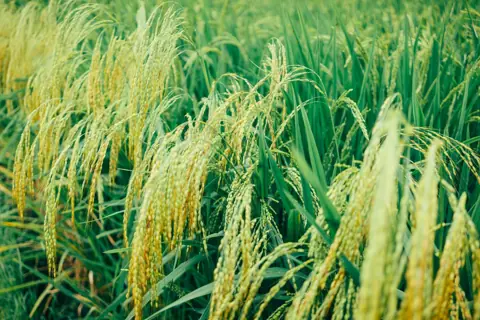
When to harvest rice comes down to the grains. Cut by hand when 85 to 90 percent of them have turned golden yellow, or wait for 90 to 95 percent if a combine will do the...
Read the guide ›Put the guides to work
Plan the season, then let anee.io keep count
Build the cropping calendar from these guides, track every bag of fertilizer and every peso, and ask Anee, the smart farm technician, when a leaf looks wrong. In Tagalog or English.