Urea Fertilizer 46 0 0: Uses, Timing, Losses and Price
Urea fertilizer is the white abono sold in 50 kg bags marked 46 0 0. It carries 46 percent nitrogen, the most of any common solid fertilizer. That makes it the main nitrogen source for palay and mais in the Philippines. Below, you will see what it does, when to apply it, how to stop losses and what a bag costs.
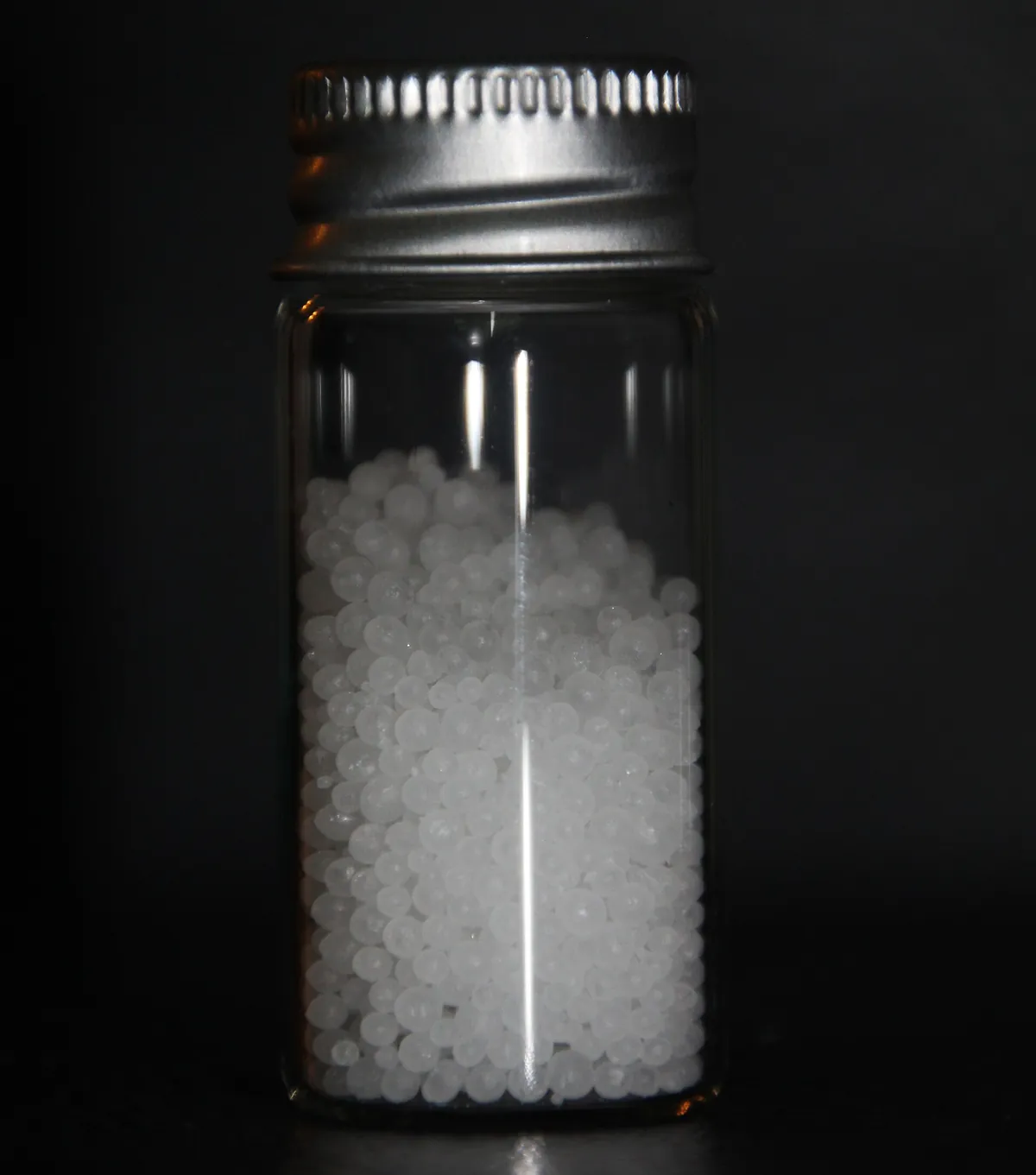
Fertilizer in Tagalog is abono or pataba, and most farmers simply call this one urea. The agri supply sells two kinds. Prilled urea comes as small round beads, and granular urea as bigger, harder grains. Both are 46 0 0 fertilizer, and the price of each is tracked weekly. Our list of farm words in Tagalog covers the other names you will hear.
Urea is cheap per kilo of nitrogen, but it is easy to waste. If it goes on at the wrong stage or sits on wet ground, part of it never reaches the plant.
Of every fertilizer high in nitrogen in the store, urea carries the most: 46 kilos in every 100. Our NPK ratio for rice guide shows where it fits.
What urea fertilizer is and what 46 0 0 means
Every fertilizer bag shows three numbers called the grade. They give the percent of nitrogen (N), phosphate (P2O5) and potash (K2O), in that order. So 46 0 0 means 46 percent nitrogen and no phosphorus or potassium.
One 50 kg bag of urea holds 23 kg of nitrogen, since 50 times 0.46 is 23. Ammonium sulfate, the 21 0 0 fertilizer, gives only 10.5 kg per bag but adds sulfur. For phosphorus and potassium, pair urea with complete fertilizer 14 14 14 or 16 20 0.
What nitrogen fertilizer does for palay and mais
In almost every soil, nitrogen is the element that runs short first. In rice, it adds plant height, tillers and leaf size, and more panicles per hill and spikelets per panicle. Corn also needs it for its leaves, stalk and ears.
Too much is also a problem. Excess nitrogen at panicle initiation and flowering invites lodging and pests. It also raises the share of unfilled grains and wastes money. So a good plan splits urea into doses instead of putting it all on at once.
Signs your crop is short of nitrogen
- Older leaves turn yellowish green first, then the whole plant
- Plants stay short, with few tillers
- Fewer panicles and fewer grains per panicle at harvest
- On a leaf color chart, 6 or more of 10 leaves read below 4 in transplanted rice, or below 3 in direct seeded rice
When to apply urea fertilizer on rice
Nitrogen follows growth stages, not a fixed date. Without a leaf color chart, split nitrogen by variety maturity, as in the table below. In most bag plans, the first dose comes from complete fertilizer or 16 20 0. Those also carry phosphorus and potassium, and urea supplies the later doses.
| Variety maturity | First dose | Second dose | Third dose |
|---|---|---|---|
| 110 days or less | 0 to 14 DAT, or 7 to 10 DAS | 5 to 7 days before panicle initiation | None |
| More than 110 days | 0 to 14 DAT, or 7 to 10 DAS | Mid tillering | 5 to 7 days before or after panicle initiation |
DAT means days after transplanting. DAS means days after sowing, for direct seeded rice. If you own a leaf color chart, read it every 7 days from 14 DAT, or 21 DAS, until early flowering. Apply nitrogen only when the leaves call for it.
In Nueva Ecija, the wet season windows for top dressing fertilizer run like this. Active tillering comes at 23 to 27 DAT for early varieties and 28 to 32 DAT for medium ones. Panicle initiation follows at 33 to 37 DAT and 43 to 47 DAT for the same groups. Treat these as a guide, since fields differ. The full season plan is on our fertilizer for rice page.
When to apply urea fertilizer on corn
At planting, put all the phosphorus and potassium and half the nitrogen in the furrow. It goes in a band about 5 cm beside and 5 cm below the seed. The rest of the nitrogen goes on as a side dress 21 to 30 days after planting, during hilling up. That second dose is where urea fits best.
Hilling up covers the urea with soil right away, which also cuts losses. For a dry season crop, apply all the fertilizer at planting while the soil is still moist. Read more in our guide to pagtatanim ng mais.
Why urea fertilizer escapes into the air, and how to stop it
Once urea touches moist soil, an enzyme called urease turns it into ammonium within about two days. The water around each granule turns alkaline. Part of the ammonium then changes into ammonia gas and floats away. Agronomists call this loss volatilization.
The loss is worst when urea sits on a wet soil surface or goes straight into floodwater. Calcareous and alkaline soils are also high risk. So the aim is simple: get the urea into the soil, or into the plant, fast.
- Mix the basal dose into the mud during the last harrowing
- On corn, cover the side dress with soil when you hill up
- Split nitrogen into two or three doses by growth stage
- Spread evenly so no corner of the paddy gets a double dose
- Keep bunds and outlets closed after top dressing so the dissolved fertilizer stays in your field
- On upland crops, apply just before a light rain or an irrigation that carries the urea into the soil
The weekly price list of the Fertilizer and Pesticide Authority (FPA) gives the average dealer price per region and province. Check it so you know if your dealer's quote is fair.
Urea fertilizer price in the Philippines
Prices move every week, so check before you buy. The weekly dealer survey for September 14 to 18, 2026 gives the national weighted averages. Prilled urea stood at PHP 2,320.69 per 50 kg bag and granular urea at PHP 2,322.28. By region, prilled urea ran from PHP 2,156.05 in the Cordillera to PHP 2,677.79 in Region X.
In the week of January 5 to 9, 2026, prilled urea averaged PHP 1,694.25. That is about PHP 626 more per bag in eight months.
| Fertilizer | Grade | January 5 to 9, 2026 | September 14 to 18, 2026 |
|---|---|---|---|
| Urea, prilled | 46 0 0 | PHP 1,694.25 | PHP 2,320.69 |
| Urea, granular | 46 0 0 | PHP 1,625.72 | PHP 2,322.28 |
| Ammonium sulfate | 21 0 0 | PHP 841.47 | PHP 1,213.63 |
| Complete | 14 14 14 | PHP 1,655.71 | PHP 1,902.92 |
| Ammonium phosphate | 16 20 0 | PHP 1,460.84 | PHP 1,753.71 |
| Muriate of potash | 0 0 60 | PHP 1,731.94 | PHP 1,668.08 |
Compare the price per kilo of nitrogen
Divide the bag price by the kilos of nutrient inside. At the September 2026 averages, urea gives nitrogen at about PHP 100.90 per kg. Ammonium sulfate gives it at about PHP 115.58 per kg. But each ammonium sulfate bag also brings 12 kg of sulfur, useful on soils that lack it.
Fertilizer calculation: how many bags of urea you need
Know your nitrogen target
Start from a soil test, the Rice Crop Manager, MOET or your technician. As a general guide only, the modified general recommendation is 97 kg of nitrogen per hectare for irrigated lowland rice in the wet season and 139 kg in the dry season.
Subtract the nitrogen from other fertilizers
Two bags of 14 14 14 at basal give 14 kg of nitrogen. For a 97 kg target, that leaves 83 kg for urea.
Divide by 0.46
83 divided by 0.46 is about 180 kg of urea. At 50 kg per bag, that is 3.6 bags for one hectare.
Scale it to your lot
For a 0.75 hectare lot, multiply by 0.75 to get about 135 kg, or 2.7 bags. Then split it by growth stage.
Our fertilizer calculation guide does phosphorus and potassium the same way. For broadcasting, banding and side dressing, see fertilizer application methods.
Plan every urea fertilizer dose in anee.io
Each lot in anee.io keeps its own day zero. So the cropping calendar dates every urea dose by DAT, DAS or DAP, and a lot planted late keeps its own timing. The farm inventory counts your urea in 50 kg bags. Tick a fertilizer task done and it takes those bags out of stock and adds their cost to your expense report.
Not sure how many bags your lot needs? Ask Anee, the smart farm technician, in Tagalog or English. She reads your lot size, crop and stage, then works out a fertilizer plan to check against your soil test.
Sign up free, set your transplanting date, and let anee.io date each fertilizer task and count every bag.
Start free