

Land Preparation Guides for Philippine Farms
A good season starts before planting. Each guide shows how to plow, harrow, level and shape the field for one crop, following standard practice, and what to change on sodic, acidic or saline ground.
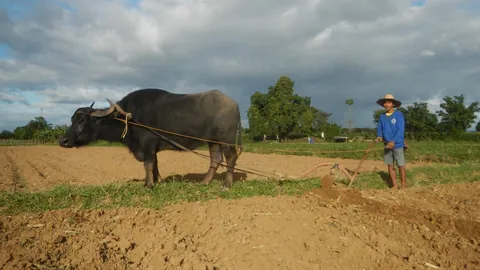
Land preparation in the Philippines is the work you do on a field before the first seed or seedling goes in. It decides how well water moves, how many weeds come up and h...
Read the guide ›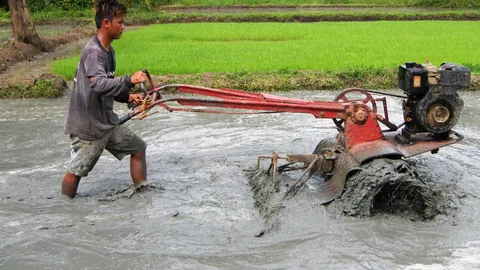
Rice land preparation starts weeks before the first seedling goes in. The goal is a well leveled field. This guide walks through the plan for transplanted lowland rice, d...
Read the guide ›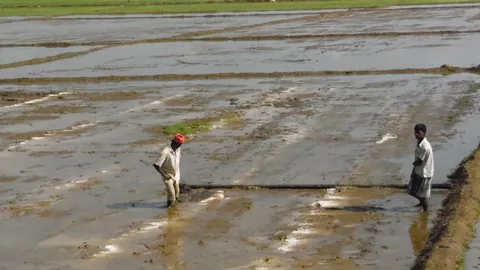
Direct seeded rice land preparation has one job that transplanting does not: give a seed that sits on the soil, with no seedling head start, a flat and weed poor bed. Get...
Read the guide ›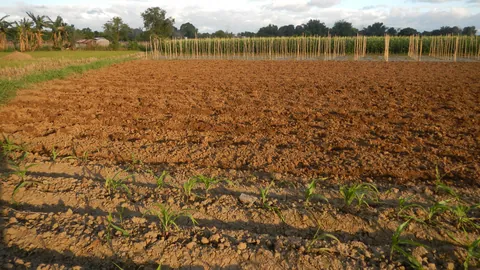
Corn land preparation is simpler than rice, but it still decides your stand. Corn (mais) needs loose, well drained soil, so the work is plowing, harrowing and then furrow...
Read the guide ›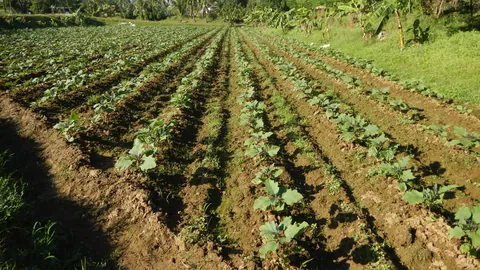
Good vegetable land preparation decides how well your tomato, eggplant, pepper, okra or lettuce roots grow. The basics are simple: plow early, plow and harrow two to thre...
Read the guide ›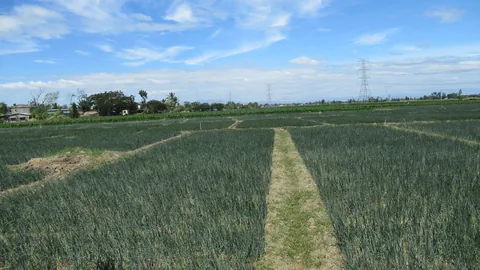
Land preparation for onion and garlic usually begins in a rice field that has just been harvested. The soil is wet, hard and full of stubble, but both crops need loose, f...
Read the guide ›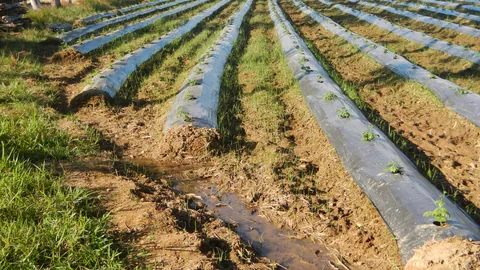
Cucurbit land preparation sets up the long runs of vine that ampalaya, squash, upo, patola and cucumber need. These crops sprawl for meters, hate wet feet and carry heavy...
Read the guide ›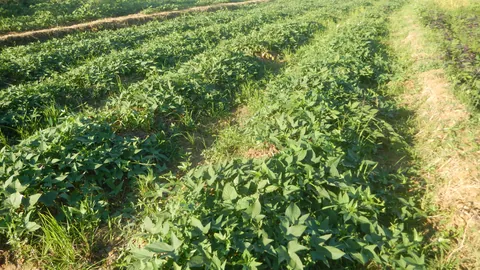
Root crop land preparation has one job: give the roots loose, deep soil that never sits in water. Kamote, cassava, ube and gabi all swell underground, so a hard layer or...
Read the guide ›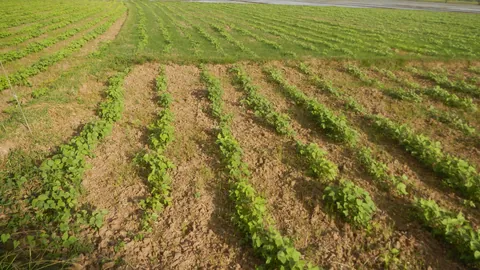
Legume land preparation is mostly about timing and water. Mungbean, peanut, soybean and sitao often follow rice, when the paddy soil is wet, packed and poor in structure....
Read the guide ›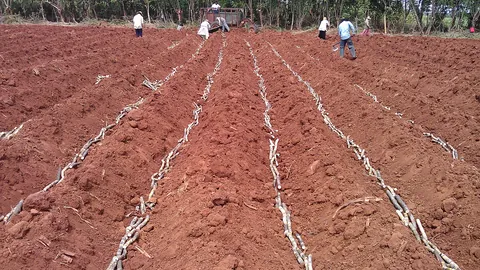
Sugarcane land preparation is the heaviest tillage job on a Philippine farm, because the crop roots deep and stays in the field for years of ratoons. The work is deep plo...
Read the guide ›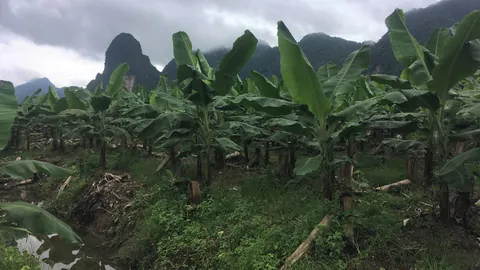
Good banana land preparation decides how well the mat stands, drains and fruits for years, because a banana is planted once and stays in the same spot. This guide walks t...
Read the guide ›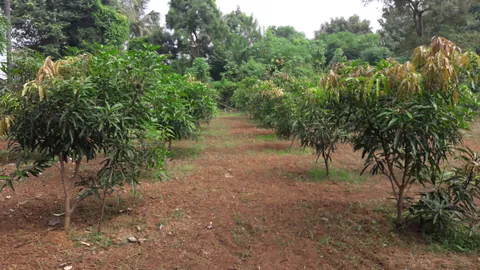
Fruit tree land preparation is a one time job, because a mango, durian or cacao tree stays in its hole for decades. So clear the land, plow, harrow and stake the layout....
Read the guide ›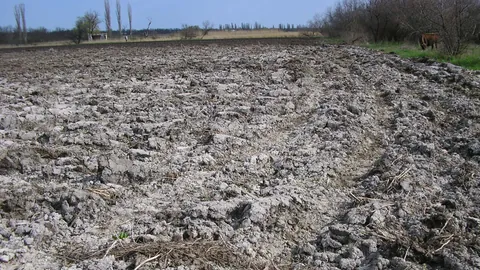
Sodic and alkaline soil preparation starts with a diagnosis, because a hard crust and slow drainage do not always mean the same problem. A sodic soil holds too much sodiu...
Read the guide ›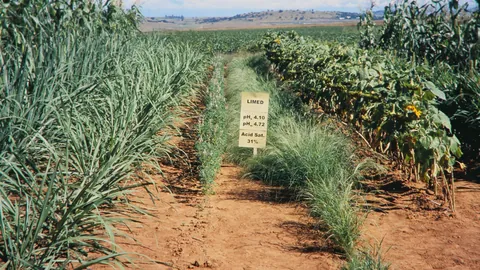
Acidic soil preparation begins with a test, because lime applied by guess can fail or even do harm. A soil that is too acidic locks up nutrients and exposes roots to alum...
Read the guide ›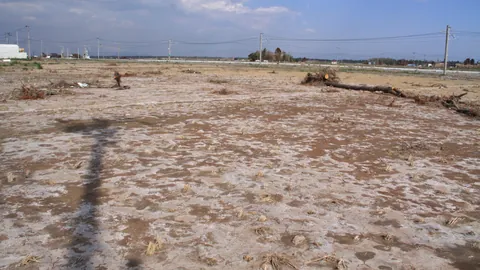
Saline soil preparation is a race against the sea and the dry season, because salt that sits in the root zone stops seeds from sprouting and burns the leaves. The Philipp...
Read the guide ›Put the guides to work
Plan the season, then let anee.io keep count
Build the cropping calendar from these guides, track every bag of fertilizer and every peso, and ask Anee, the smart farm technician, when a leaf looks wrong. In Tagalog or English.