Sodic and Alkaline Soil Preparation: Gypsum, Leaching and Rice
Sodic and alkaline soil preparation starts with a diagnosis, because a hard crust and slow drainage do not always mean the same problem. A sodic soil holds too much sodium, which makes the clay fall apart, seal the surface and block water. This guide shows what to test, what to add and how to plan the field.
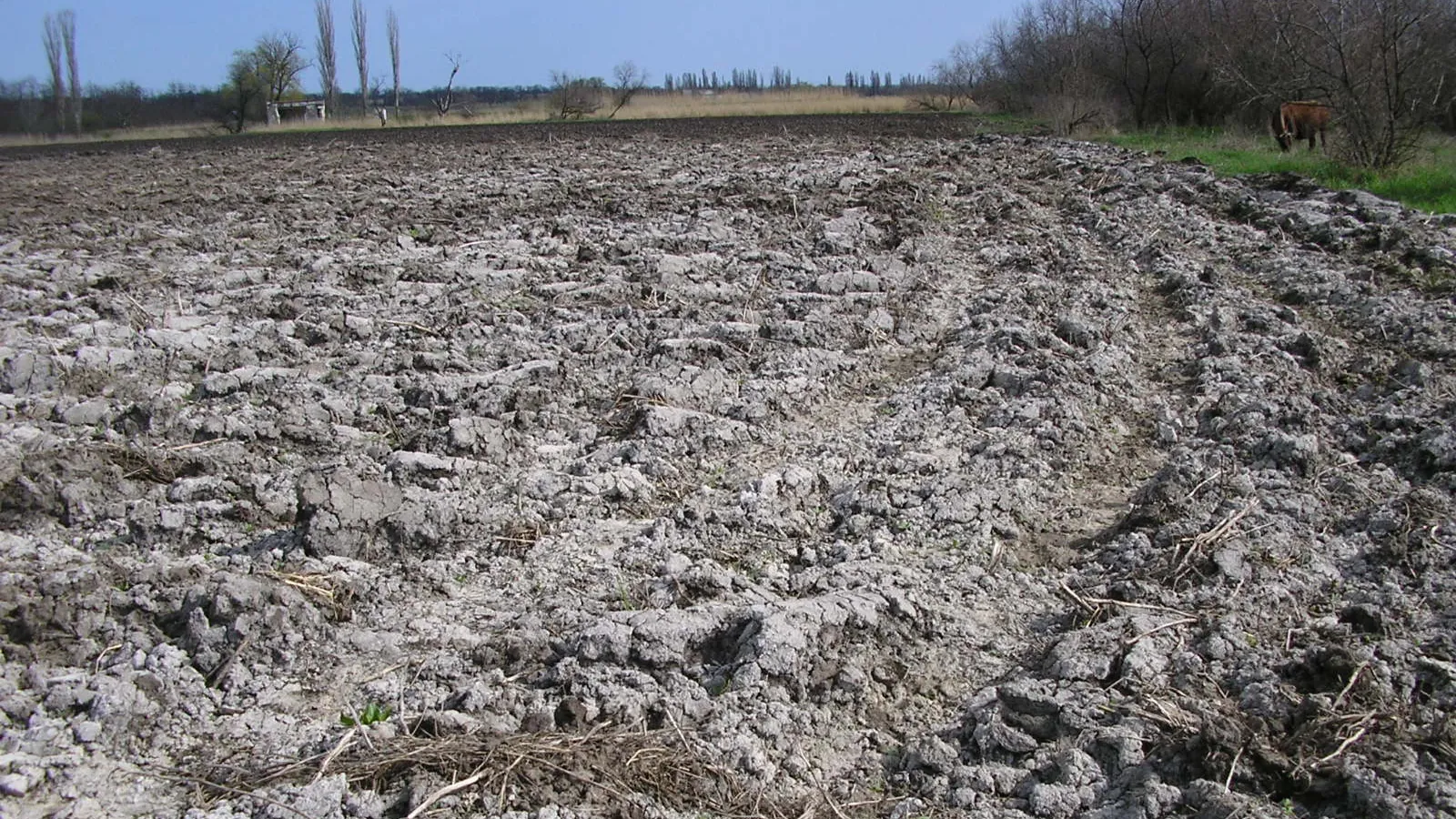
A warning first. Sodic soil needs a laboratory test before you spend money on an amendment. Ask the BSWM or your DA regional office where to have the pH and the salts tested. Then ask your municipal agriculturist what to do for your own soil.
How to recognize a sodic soil
Here is what happens in a sodic soil. Too much sodium sits on the clay, and the soil loses its structure. It then disperses, which means the soil crumbs break apart. A dense, hard crust forms on top and keeps seedlings from coming up. Water soaks in slowly and the field stays wet for a long time.
There is also a sign you can see. A brownish black crust sometimes forms on the surface, because the soil organic matter disperses. White salt crust points to a saline soil instead.
| Soil | Salt (EC, dS/m) | pH | Sodium (SAR) |
|---|---|---|---|
| Saline | More than 4.0 | Below 8.5 | Below 13 |
| Sodic | Below 4.0 | Above 8.5 | Above 13 |
| Saline sodic | More than 4.0 | Below 8.5 | Above 13 |
A sodic soil has a saturated paste pH of 8.2 or more, and in extreme cases above 10.5. An exchangeable sodium percentage of 15 is the usual limit. A high pH does not harm the plant directly. Instead, it lowers the supply of calcium, magnesium and some other nutrients. For salty fields near the sea, read our saline soil guide.
Sodic and alkaline soil preparation step by step
Test first
Get the pH, the salt level and the sodium level from a laboratory. Ask for a gypsum requirement test too, which tells you how much gypsum the soil needs per 30 cm of depth.
Replace the sodium with calcium
Reclaiming a sodic soil means removing much of the exchangeable sodium and replacing it with calcium in the root zone. Gypsum is the usual amendment, because it supplies soluble calcium. It is also the most widely used one, because it is cheap and easy to get.
Mix the gypsum into the top layer
Gypsum is normally broadcast and then worked in by disking or plowing. In one trial, gypsum mixed into the top 15 cm worked better than gypsum left on the surface. Shallower mixing beats deeper mixing, which dilutes the gypsum.
Leach with good water
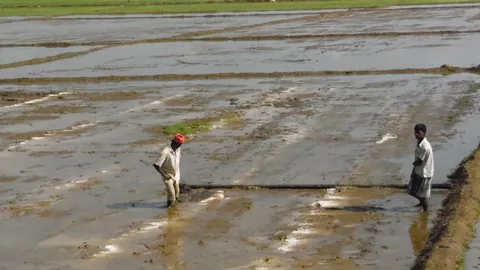
Fast results need the amendment followed by leaching, which means flushing water through the soil to carry the replaced sodium away. Use water with low salt. One irrigation before the amendment helps wash out soluble carbonates.
Add organic matter
Straw, farm manure and green manure help too, but slowly. Decomposition and root action dissolve calcium already in the soil. Cover crops and manure are good choices for sodic soils as well.
Open the hard layer where one exists
In trials, plowing as deep as 100 cm helped where a hardpan or a tight clay layer sat below the topsoil. It worked by mixing in calcareous or gypsiferous subsoil. Ask a technician before you try it, because it needs the right subsoil.
Installing drainage tile on sodic soil before remediating the sodicity gives less than ideal results. Fix the sodium first, then drain. Test both the salt and the sodium before you dig any canal.
Rice, mulch and crop choice
Rice is a good fit for sodic land. For the field work itself, see our rice land preparation guide. Its high tolerance comes from its ability to stand a layer of water through the season. Flooding also lowers the pH. In one study, the pH fell from 8.8 to 7 twelve weeks after flooding. That makes rice an ideal crop during reclamation. Rice and dhaincha are tolerant, wheat is only moderately tolerant and legumes like lentil are sensitive.
Older rice seedlings tolerate sodicity better. Transplant seedlings 35 to 40 days old instead of the usual 30 days. Mulch helps as well. In one trial, rice husk mulch 3 to 8 cm thick pushed salts deeper. The next rice crop then yielded more. Do not leave the land fallow, because fallowing pulls salts back up. Keep it cropped.
Sodic soils are low in organic matter, so they are usually short of nitrogen. Poor aeration also wastes some of it, so let soil tests and a technician set the fertilizer rate. Acids or acid forming materials, such as sulphur, can also work. They act slowly, because they must first turn into sulphuric acid in the soil.
Add the lot to anee.io and the cropping calendar dates the soil test, gypsum spreading, leaching, organic matter and planting back from your planting day. Ask Anee, the smart farm technician, to read your notes in Tagalog or English.
Start freeTrees and beds on sodic land
For trees, dig pits 90 cm deep and 90 cm wide, filled with soil amended with gypsum and manure. Auger holes 15 cm wide and 150 cm deep also work. In trials, these were filled with original soil, 2 kg of gypsum and 7 to 8 kg of manure, and the roots mostly bypassed the sodic layer. A bed and ridge method that stores rain water and grows trees on sodic soil. Compare it with our fruit tree land preparation guide.
Common mistakes
- Treating a high pH or a hard crust with no soil test.
- Spreading gypsum and leaving the water out. The sodium needs water to leave.
- Mixing gypsum deep, which dilutes it.
- Leaving the land fallow between crops.
- Planting wheat or beans first, when rice or another tolerant crop would do better.
Questions about sodic and alkaline soil
What is the difference between sodic and saline soil?
What does gypsum do in sodic soil?
Can I plant rice on sodic soil?
Should I fix drainage first?
Get every step of sodic and alkaline soil preparation right
Register for free to read every step, then date each one on your own calendar with the Land Prep Planner, counted back from your planting day.
Free to register. No credit card. Works on any phone.