Corn Seeds: How to Choose, Plant and Grow an Even Stand
The corn seeds you plant limit how well the crop can do, whatever you spend on fertilizer later. This guide covers the kinds of seed sold in the Philippines. It shows how to pick a variety of corn for your field and your buyer. It also gives the usual seeding rate and spacing, and the care that turns seed into an even stand of corn seedlings.
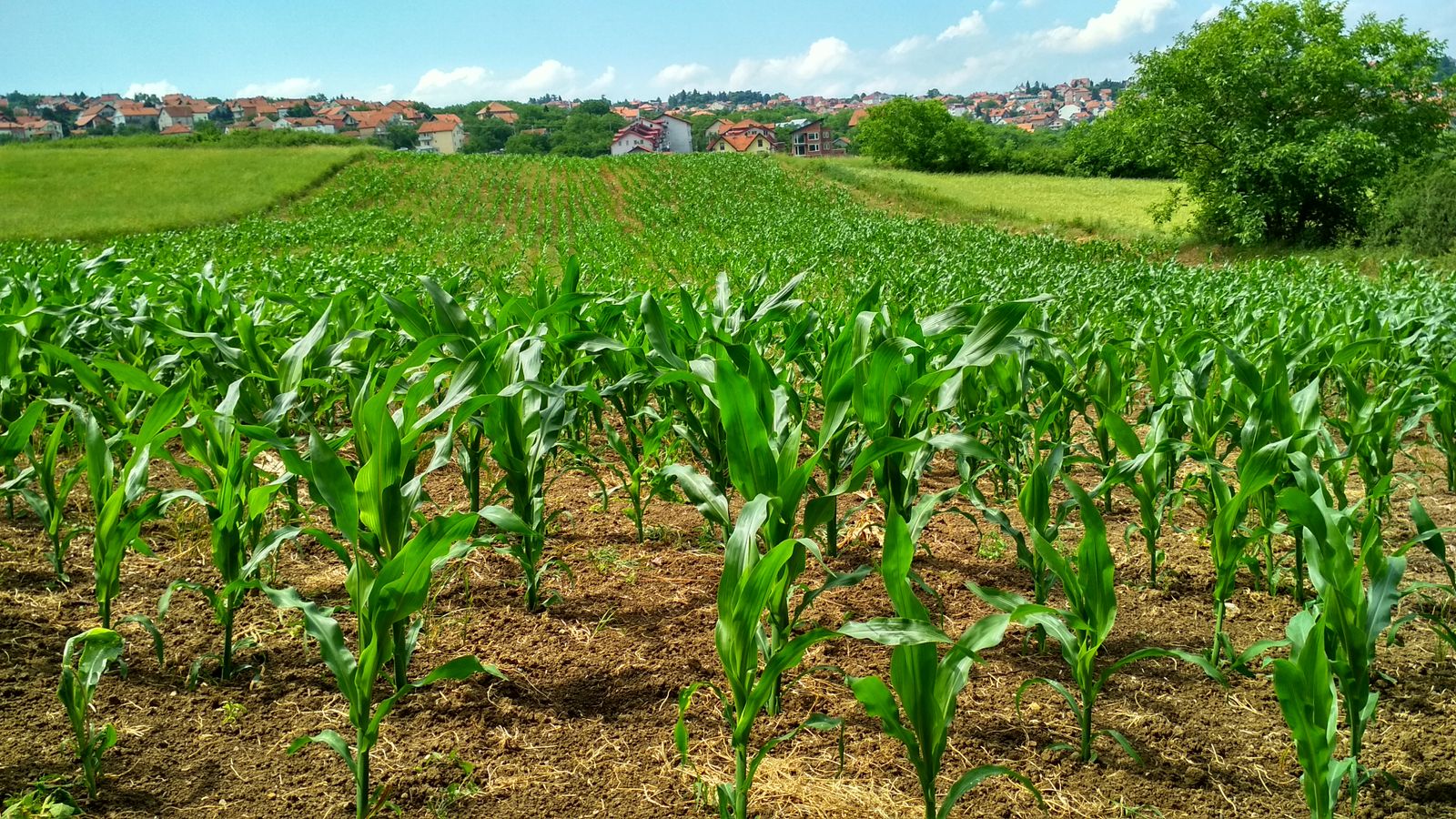
Kinds of corn seeds in the Philippines
Corn farmers in the Philippines choose among three groups of seeds. Knowing the group tells you what yield to expect, what the crop needs from you, and whether you can save seed for next season.
Hybrid seeds
Most yellow corn planted for feeds is hybrid. Hybrids come as single cross or three way cross seed, and they pay back good soil, fertilizer and water with higher yields. Common hybrids have yield potentials of about 5 to 13 tons per hectare. Open pollinated varieties range from about 4 to 6 tons.
The catch is that you must buy new seed every season. Seed saved from a hybrid does not breed true, so the next crop comes out uneven and yields less.
Open pollinated varieties (OPV)
OPVs are the usual choice for white corn, glutinous corn and many upland farms. Yields are lower, but seed costs less and you can keep your own seed if you select good ears and plant away from other corn. One example is IPB Var 6, a white quality protein maize. It has more lysine and tryptophan than regular white corn, and it is a good pick for grits.
GM corn
The Philippines approved genetically modified corn for planting in 2002, the first country in Asia to approve a GM crop for food and feed. Two traits matter in the field. Bt protects the plant from the Asiatic corn borer, while herbicide tolerance lets you control weeds with one broad spectrum herbicide.
GM corn covered about 709,000 hectares by February 2024. That is around 85 percent of the country's corn area. Nearly all of it carries both traits stacked. The Bureau of Plant Industry keeps the official list of GM corn events approved for planting.
How to choose a variety of corn
- Start with your buyer. Feed mills and traders want yellow corn. Grits millers want white flint corn. Green corn buyers want sweet or glutinous ears, so plant what someone near you will buy.
- Match the season. Corn matures in about 95 to 120 days after planting, depending on variety, season and location. A shorter maturing variety fits a tight dry season window better.
- Read the resistance. Seed tags and variety lists rate resistance to corn borer, earworm and leaf diseases. Pick resistance to the problems your area already has.
- Buy certified seed. Get sealed bags from an accredited dealer or through your municipal agriculture office, and check the variety name and lot number on the tag.
- Ask what worked next door. Farmers often say corn breed when they mean variety. One that did well on your neighbor's soil, in your weather, is a safer bet than a new name you have never seen grow.
With the Anee plans, anee.io also has Variety Ranking, plus When to Plant Analysis for your town. So you can test a variety of corn and a planting window against local weather before you spend on seed.
Corn seeds per hectare and spacing
The seeding rate depends on the seed type and the plant population you want. If the seed company gives different numbers on the bag, follow the bag for that hybrid.
| Seed type | Seed per hectare | Row spacing | Hill spacing | Target plants per hectare |
|---|---|---|---|---|
| Hybrid | 22 to 24 kg | 70 cm | 18 to 20 cm | At least 75,000 |
| OPV, white or glutinous | 20 kg | 75 cm | 25 cm | At least 50,000 |
Once the furrows are set, drop one seed in each hill and cover it with about 3.5 cm of soil. If you grow green corn and want bigger ears, use a wider 30 by 75 cm spacing.
Also try to plant at the same time as the farms around you. Synchronous planting is the first control against the corn borer.
Corn seedling emergence and early care
In warm soil a corn seedling can break the surface in as little as four days after planting. Crusted, cloddy or compacted soil slows or stops emergence, so prepare a fine, even seedbed before you plant.
About a week after planting, walk the rows and count missing hills. Then replant the gaps quickly so the whole stand grows and ripens together.
- Weeds. The first 30 days are the most critical for weed competition. If weeds build up, off bar at 15 to 20 days after planting.
- Basal fertilizer. At planting, apply all the phosphorus and potassium and half the nitrogen, plus at least ten bags of organic fertilizer per hectare. Base the rate on a soil test, and see our fertilizer calculation guide.
- Hilling up and nitrogen. Hill up at 21 to 30 days after planting, at the same time you side dress the second half of the nitrogen, usually as urea fertilizer.
- Pests. Cutworms cut seedlings at the soil line at night, and field crickets cut them too. The fall armyworm feeds in the young whorl, even in Bt fields, so scout every week.
anee.io puts these dates on the cropping calendar for each lot, counted from its own planting day. It then reminds you when off barring, side dressing or scouting falls due.
Create a free anee.io cropping schedule, add your lots and planting date, and every task from basal fertilizer to harvest lands on the calendar. On Solo Farmer and Farm Owner, Inventory also tracks your seed and fertilizer as you use them.
Create a free accountFrom seed to kernel: when fertilization occurs
Whatever the brand on the bag, every seed is Zea mays, the corn scientific name. Each one follows the same path to grain. At flowering, fertilization occurs when pollen from the tassel lands on a silk, and each fertilized silk becomes one corn kernel. Drought or poor nutrition at silking leaves gaps on the cob, so even the best seed needs water at the right time. Read more in our guide to the corn kernel.