Weedy Rice in Your Palay: How to Spot It and Keep It Out
Weedy rice is rice that behaves like a weed. It grows side by side with your palay in irrigated and rainfed lowland fields across the Philippines. Because it is the same species as your crop, it is hard to spot and even harder to kill. This page shows how to spot it, how it hurts your harvest and how to keep it out.
What Is Weedy Rice?
Weedy rice carries the same scientific name as the rice you plant, Oryza sativa. Farmers call it halo, lahok, sabag or weder weder. It shows up in both irrigated and rainfed lowland rice fields. From a distance it looks like your crop. Up close, though, it grows taller, makes fewer tillers and ripens earlier.
This weed is an annual, and it spreads only by seed. On some types, the grains drop as soon as they ripen, even at a light touch. Those seeds fall into the paddy before you harvest and wait in the soil. Other grains end up in your harvest and in the seed you save. So you plant them again next season without knowing it.
| Name | Weedy rice |
|---|---|
| Scientific name | Oryza sativa |
| Family | Poaceae (Graminae) |
| Weed group | Grasses (see the three groups) |
| Local names | Halo, lahok, sabag, weder weder |
| Life cycle | Annual |
| Spreads by | Seeds |
| Where it grows | Irrigated and rainfed lowland rice fields |
How to Identify Weedy Rice
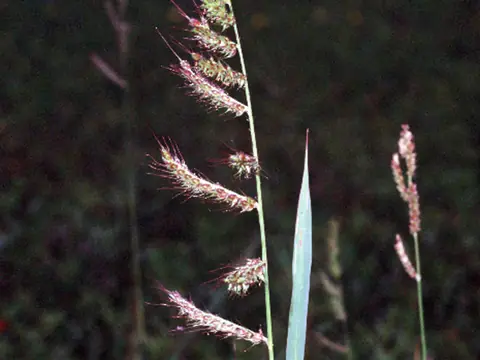
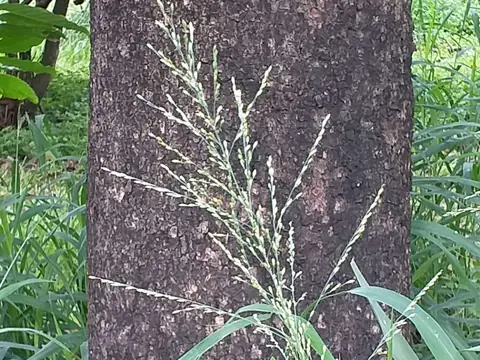
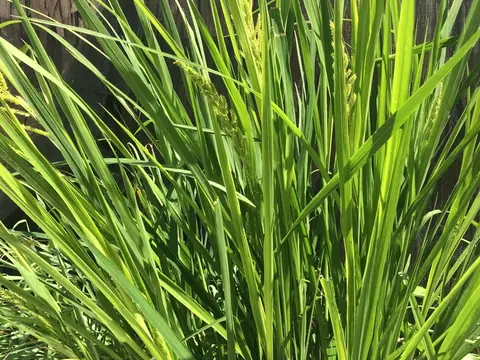
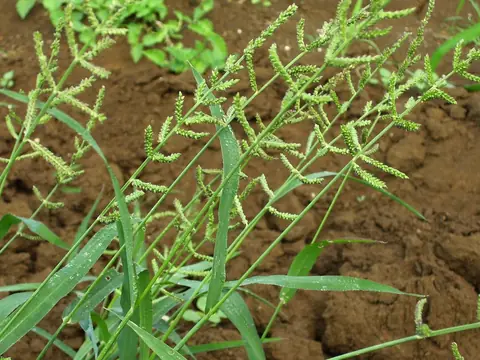
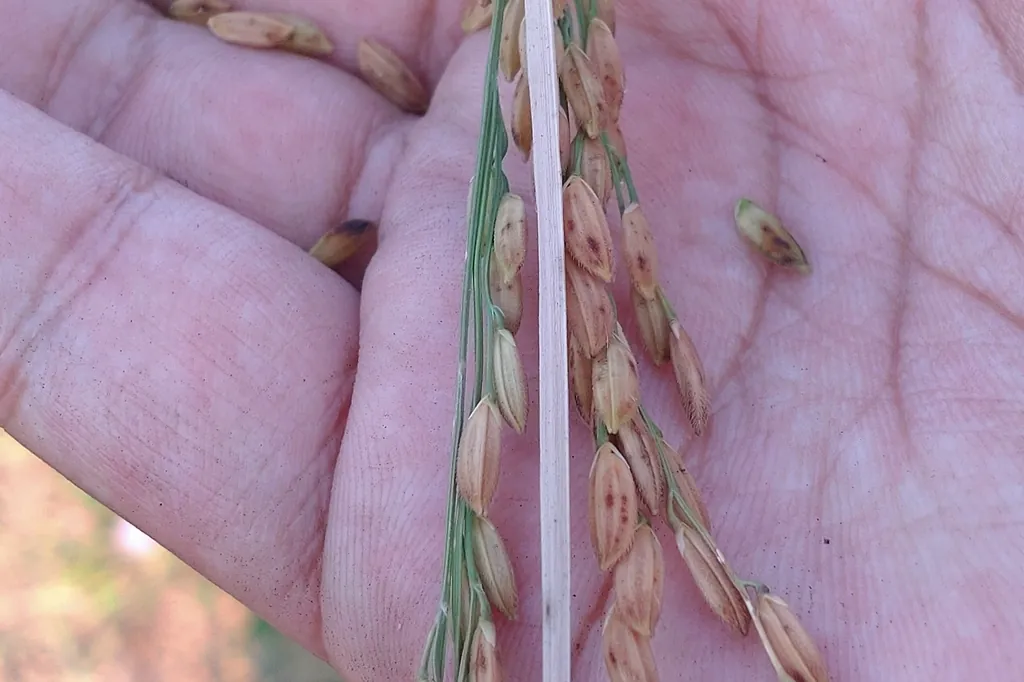
Like other grasses, it has round, hollow stems with clear joints, or nodes, just like your palay. So look at the whole plant instead of the stem. Weedy plants usually stand taller than the crop and have fewer tillers. Most grains carry short to long awns, colored white, yellow or purple. Peel a grain, and you will often find red bran, though some grains are off white. These plants also mature ahead of your crop.
- Plants stand taller than the crop around them and have fewer tillers.
- The grains have awns, short or long, colored white, yellow or purple.
- Peeled grains often show red bran, though some grains are off white.
- Panicles ripen earlier than the rest of the palay in the same field.
- On some types, ripe grains fall off at a light touch of your hand.
Why It Hurts Your Palay
Weedy rice takes up more nutrients from the soil than cultivated rice, nitrogen most of all. So it eats into the fertilizer you paid for. At 5 to 40 plants per square meter, it can cut the yield of your rice by 20 to 90 percent.
The damage goes past the field. Its colored grains mix with your palay during harvest, so the milled rice loses quality and sells for a lower price. Control is also very hard, most of all in direct seeded rice. Since it shares the same shape and growth habits as your crop, both hand weeding and spraying struggle to single it out.
How to Control Weedy Rice
- Plant clean, certified seed. Never save seed from a field that had this weed, since its grains hide in the harvest.
- Pull off types as soon as they head out, before their grains ripen and drop into the soil.
- Clean your harvester, thresher and tools before they enter your field, so they do not bring in seeds from other farms.
- Before planting, let the field sprout its weedy seeds, then plow them under. Transplanting in rows also makes off types easier to spot.
No selective herbicide can kill weedy rice inside a rice crop, because it is rice too. So prevention is everything: clean seed, clean machines and early pulling. See the weed management guide for the full prevention plan.
Spray Safely
Use only herbicides registered with the Fertilizer and Pesticide Authority, and follow the label on the pack: the rate, the timing, the water and the protective clothing. Switch herbicide groups between seasons so the weeds do not learn to survive them. Our guide to herbicides for rice explains the groups.
Keep Weedy Rice Out Next Season
- Plant clean, certified seed. Weed seeds mixed into the punla are the easiest way in.
- Keep the seedbed, the canals and the bunds free of weeds, so seed does not wash or blow into the paddy.
- Prepare the land well: flood, plow, let the weed seeds sprout, then kill them when you harrow. Level the field so water covers it evenly.
- Pull escapes before the seed heads open, and clean the thresher and harvester before they enter the field.
- Keep the field clean after harvest and through the fallow, so fewer seeds build up in the soil for next season.
These steps work for every grass weed in the paddy, not only this one. The weed management guide puts them in order for a whole season.
Not Sure It Is Weedy Rice?
Take a clear photo of the leaf, the stem and the flower or seed head, then ask Anee, the smart farm technician in anee.io, in Tagalog or English. Anee tells you which weed it most likely is, its group, and what to do at the age of your rice. You can also put the weeding days on your cropping calendar, so the team knows when to go in.
anee.io keeps your weeding, spraying and water on one calendar, and Anee answers when a plant looks wrong.
- Weeding days on the season calendar
- Photos and notes for every lot
- Anee, the smart farm technician, in Tagalog or English
Questions Farmers Ask About Weedy Rice
What do farmers call weedy rice in the Philippines?
How do I get rid of it in my field?
Why do I find red grains in my milled rice?
Get Weedy Rice out of your field
With Libre + Anee, read the whole guide: how to tell it from your crop, and what to do and spray at every age of your crop.
The account is free, no credit card.