
Your lots and your season
The crop, variety, planting date and size of every lot, with the tasks, notes, harvests and photos on your board.
Your own records
Free farm guides
Most AI in agriculture starts from zero. ChatGPT and Gemini are clever, but they meet your farm for the first time with every question. Anee, your smart farm technician, reads your lots, your soil, your crop's day count, the ENSO outlook and twenty years of your town's weather before she gives you an answer.
The real difference
A general AI chat app knows a lot about farming in general. Ask it about your own field, though, and it has only two things to work with: what it learned online and what you typed in the box. So its answer has to stay general, and you still have to work out what it means for your lot.
A general AI chat appChatGPT, Gemini and the like
A language modelKnows farming in general
A general answerYou still work out what it means for your lot.
AneeYour smart farm technician
A smarter AI modelHighly trained, and fed your whole farm
An answer for your fieldYour lot, your variety, this week's weather.
Anee runs on a top language model too. The difference is what she reads before she answers. Each of her analyses, from When to Plant to the Crop Protocol, pulls in your season and the records we keep for every town in the Philippines. That is how AI in agriculture should work: the answer fits your field, your variety and this week's weather.
Connected to the whole farm
Eight shelves of data sit behind every analysis. Some of it is yours and grows as you farm. The rest we built and keep fresh for the whole country.
The crop, variety, planting date and size of every lot, with the tasks, notes, harvests and photos on your board.
Your own recordsWhat your field profile says, plus the usual fertility, pH and salinity of your province, town and barangay.
Down to the barangayThe forecast for your own spot on the map, kept fresh every three hours, with the advisories that touch your area.
Fresh every 3 hoursWhether El Niño or La Niña is on the way, checked about once a week, and what it means for rain this season.
Checked every week Anee
Reads all eight, then answers in your own words.
Rain and heat for your spot, season by season, so a plan fits what your area really gets and not a national average.
20 years per placeEvery storm, flood and dry spell that hit your town since 2005, and the months they usually come.
Every town and cityDays to harvest, yield and resistance of the rice, corn, vegetable and fruit varieties planted in the Philippines.
Over 1,600 varietiesFertilizers and pesticides registered here, Philippine companies first, and the pests, diseases, weeds and deficiencies of each crop.
Over 7,000 productsThe weather shelves are why her timing holds up. Read our guides on farming through El Niño and La Niña and on tracking typhoons near your farm, then see the rice varieties and crop varieties she knows by name.
See the difference
The same question, asked both ways. The words are an example, but the gap between them is real.
A general AI chat app
For rice, the second fertilizer is usually put in at active tillering, about 20 to 30 days after transplanting. The right time depends on your variety, your soil and the weather, so check with your local agriculturist.
Correct, but general. You still have to work out your own date.
Anee
Your palay is at active tillering now, so the second dose of urea falls this week. Rain is due on Thursday afternoon, so put it in on Wednesday morning while the field has a thin layer of water. The soil in your area runs low in nitrogen, so keep the full amount in your plan.
Your date, your field: Wednesday morning, before the rain.
Built for decisions
An answer only helps when it turns into work in the field. So Anee's answers agree with each other, get cheaper as she learns, and land in your plan as dated tasks.
When to Plant, the Crop Protocol, the NPK Plus calculator and Satellite Analysis read the same shelves, so they agree about your lot.
A variety or product Anee had to look up online is kept, so the next answer comes faster and costs fewer credits.
Her plans go straight into your cropping schedule as dated tasks, and Anee Auto can run the whole season and adjust it when the weather turns.
Honest limits
She is a smart farm technician, not a fortune teller. Here is what she does when she is unsure, and what stays yours.
Every answer shows how sure she is and what she read to reach it, so you can check her reasons yourself.
She reads your answers and your area's usual soil. A laboratory soil test is still the surest, and she tells you when one is worth it.
Every pesticide she names comes with the reminder to follow its label and its FPA registration.
She advises and you decide. In Anee Auto you can change any task she plans, any day.
General chat apps are still handy for writing a letter or explaining a word. For decisions on your own field, use the one that reads your field.
Questions
For questions about your own farm, yes. Anee reads your lots, your soil, your crop stage, the forecast, the ENSO outlook and twenty years of your town's weather before she answers. A general chat app such as ChatGPT or Gemini only knows what you type and what it learned online, so its answer has to stay general. For writing a letter or a question outside farming, a general app works fine.
Your own lots and season (crop, variety, planting date, tasks, harvests and photos), your field profile and the usual soil of your barangay, the forecast for your spot, the ENSO outlook, twenty years of rain and heat, every typhoon, flood and drought in your town since 2005, the records of over 1,600 varieties, and over 7,000 fertilizers and pesticides registered in the Philippines.
Yes. Anee answers in Tagalog, Bisaya, Ilocano or English, and she understands the Taglish most farmers type. Send her a photo of your crop and she reads that too.
Yes. She covers palay, mais, vegetables, root crops and fruit trees, about 85 crops in all, each with its own growth stages, varieties, pests and diseases.
Yes. You can ask Anee one question a week for free on the Ask Anee page, with no account. Inside the app, Anee comes with the Libre + Anee plan and the plans above it, and her analyses run on credits.
Create a free account, add your first lot, and let Anee read it before she answers.
Free forever on Libre. Anee comes with Libre + Anee and the plans above it.
A real post from a Facebook group
One photo. Twenty comments. Seven different answers.
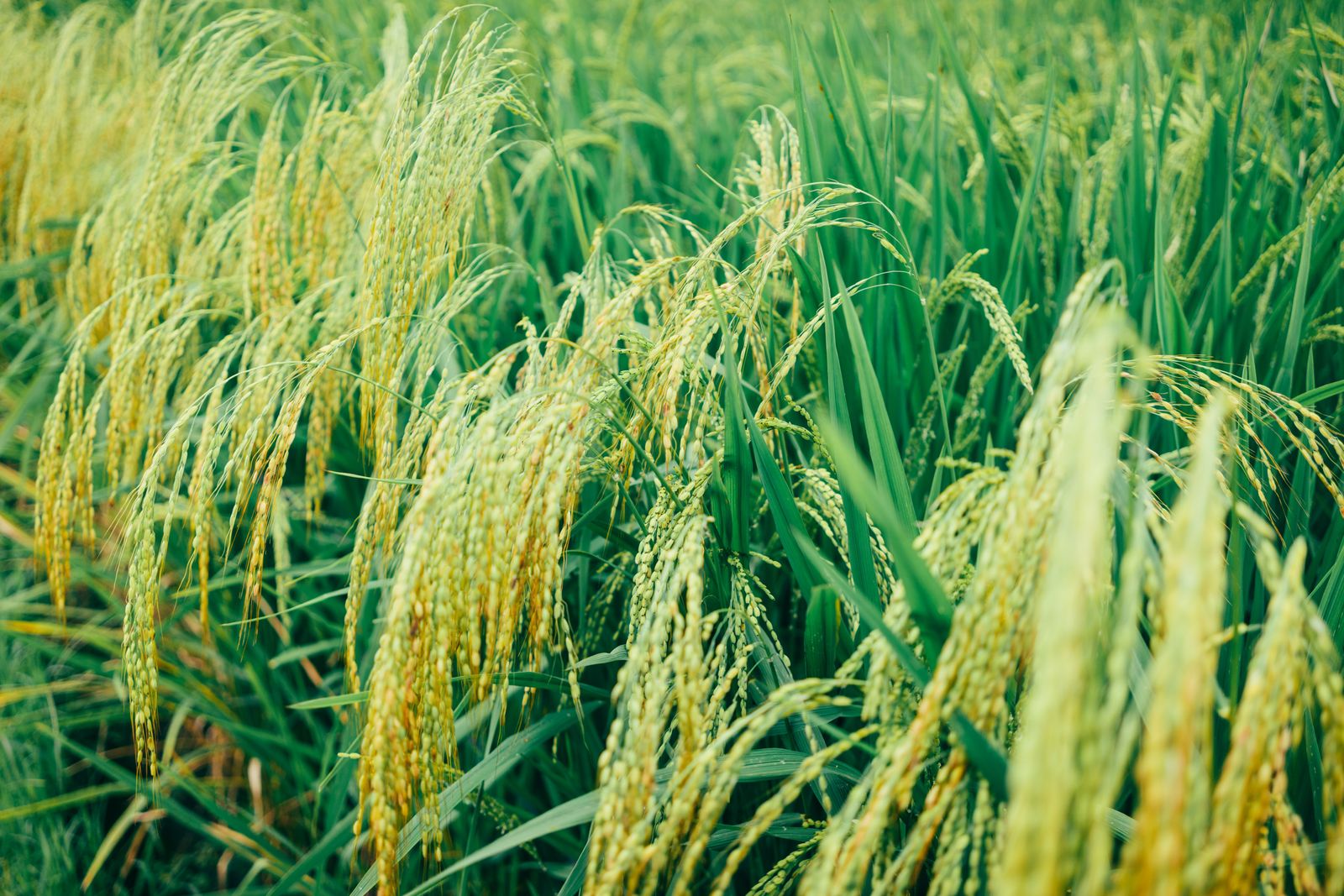
A farmer posted this photo in a Facebook group of farmers and asked: "Bakit po kaya nagkaganito ang palay ko?" Why did my palay turn out like this? Everyone meant well. Look at what came back.
This is a classic example of why we do not recommend solutions from social media. Twenty kind people gave seven different answers, and the farmer still does not know which one is right. Following the wrong one costs money, and it can cost the whole harvest.
What the twenty comments said it was
⚠️Why that can end in disaster
Spray for a pest that is not there and the money is gone, while the real cause keeps eating the crop.
Neck rot is a disease: no insecticide touches it. A rice bug and a stem borer each need their own timing.
Spraying just in case kills the spiders and wasps that eat the pests, so the next attack hits harder.
A real screenshot from a public Facebook group, shared to show how many answers from strangers can pull a farmer in different directions. Every name and face is blurred. Everyone in it was trying to help.