How Do I Plan My Planting Around El Nino and La Nina? Farming Tips for Filipino Farmers
These El Nino farming tips start with PAGASA's monthly ENSO alert: when it calls an El Nino, plan the dry season around the water you are sure of. Plant rice only where water is sure, choose drought tolerant or early varieties, and move dry fields to low water crops such as munggo. For La Nina, use flood tolerant rice and keep flowering and harvest away from storms. The When to Plant Analysis in anee.io, a farm app built for Filipino farmers, reads the latest outlook for your town.
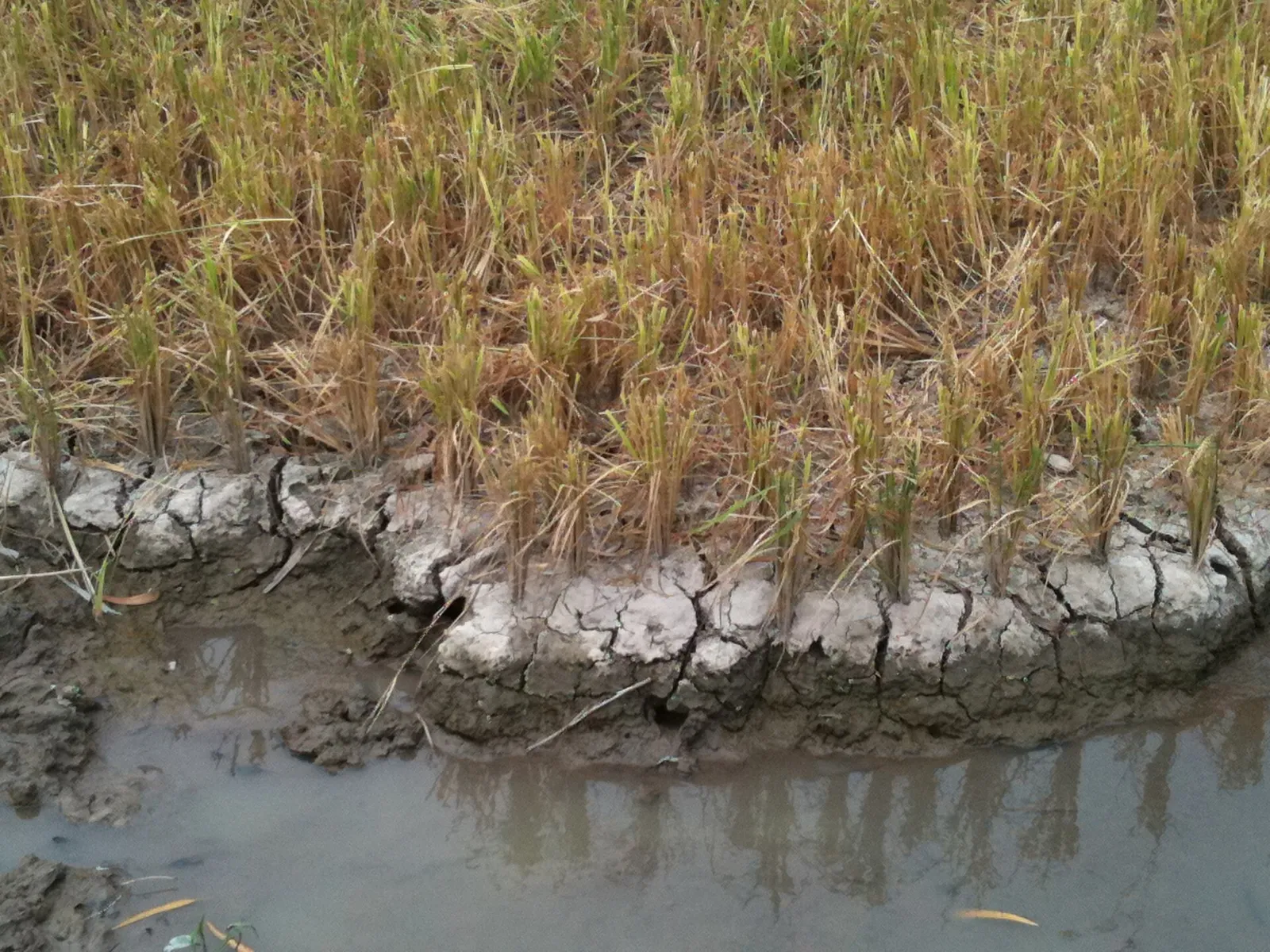
El Nino and La Nina are two sides of one climate swing in the Pacific Ocean. In the Philippines, El Nino brings a longer dry season and hotter days. The rains start late, end early and bring fewer typhoons. La Nina brings the reverse: more rain, a short dry season, more typhoons and cooler air.
Each episode usually lasts 9 months to 2 years and comes back every 2 to 7 years. Recent strong ones came in 2015 and 2016, and before that in 1997 and 1998.
Key points
- PAGASA updates its ENSO alert every month. As of 7 October 2026, it expected El Nino to peak before the end of 2026 and last until the first half of 2027.
- In a dry year, plant rice only where water is sure, and use drought tolerant or early maturing varieties.
- Where water is short, plant munggo, root crops, cucurbits or vegetables instead of rice.
- In a La Nina year, use flood tolerant rice, repair dikes and time harvest away from storms.
What is the latest El Nino outlook?
PAGASA posts its ENSO alert status every month on its El Nino and La Nina monitoring page, so check it before each season. As of September 2026, agriculturists said about 45 provinces may face dry conditions beginning October, and 8 provinces may face drought. PhilRice and PAGASA then signed an agreement to share weather and rice data, including 10 day forecasts. So align your rice cropping calendar with the weather and the water on hand.
History shows why this matters. A satellite study looked at the 2016 drought in Mindanao. It found almost no rice planted from March to mid May. Creeks dried up and irrigation came late, so most planting moved to June. Expect the same pattern in any El Nino year wherever water comes late.
Which El Nino farming tips work for rice farms?
These El Nino farming tips suit rice farms. Each one is cheap to plan now and costly to fix later.
| Step | What to do |
|---|---|
| Plant drought tolerant or early varieties | Irrigated: PSB Rc10 or NSIC Rc134, harvested in 102 to 110 days. Rainfed: NSIC Rc192 (Sahod Ulan 1), PSB Rc14 or Rc68. Upland: PSB Rc80, Rc9 or NSIC Rc23 |
| Use dry direct seeding | Till the soil dry, then sow, which saves much of the water used for land preparation |
| Save water | Use controlled irrigation, aerobic rice, or drip lines for vegetables |
| Mulch the soil | Cover with straw, grass or plastic to hold moisture, cool the soil and slow weeds |
| Switch crops where water is short | Plant vegetables or munggo instead of rice, as in Palayamanan Plus |
| Grow crops that earn or endure | Pakwan, kalabasa and melon for income, or kamoteng kahoy, kamote and ube that survive dry spells |
| Scout the field often | Heat brings pests and diseases, so walk the field regularly |
| Follow the forecast | Listen to weather reports and plan farm work around them |
At the Lakbay Palay field day in September 2026, farmers' groups ranked their own priorities. Their list: varieties that stand up to drought (NSIC Rc 480 among them), Palayamanan, crop insurance, catching rainwater, small water impounding ponds, small irrigation pumps and MOET soil testing. Read our guides to best rice variety for your area and what crop to plant this season for the details.
Plan the coming dry season in five steps
Check the alert
Read the PAGASA ENSO alert and the outlook for your province before you buy seed.
Count your water
Add up the canal schedule, your pump and any stored rainwater, all the way to harvest.
Match the crop to the water
Plant rice only on the area your water can finish, and put the rest in munggo, vegetables or root crops.
Pick the variety
Choose drought tolerant or early maturing seed, and plant with your neighbors and the irrigation schedule.
Save every drop
Use dry direct seeding, controlled irrigation and mulch, then walk the field often for heat pests.
Plant rice only on the area your water can carry to the end. A crop that dries out at flowering wastes the money already spent on it. If the rains come early after all, you can still put a quick, low water crop like munggo on the rest.
How do you plan planting around La Nina?
La Nina is the wet side of the swing, and its risks are floods, overflowing rivers and palay you cannot sun dry. Take these steps.
- Plant varieties that survive flooding, such as NSIC Rc194 (Submarino 1).
- Time the planting so flowering, grain filling and harvest do not meet strong rain or wind.
- Repair dikes, levees and irrigation canals before the rains.
- Drain excess water from the paddy after heavy rain.
- Plant trees around the farm as a windbreak.
- Use a mechanical dryer when you cannot sun dry the palay.
- Store rainwater in a small farm reservoir for the dry months after.
Typhoons often come with La Nina, so read our typhoon preparation guide before the season starts.
Anee reads your area's weather record and the El Nino or La Nina outlook. Then she names the best window and a second choice.
See When to Plant AnalysisHow can anee.io help in an El Nino or La Nina year?
Anee, the smart farm technician inside anee.io, reads the current El Nino or La Nina outlook in her planning analyses. The When to Plant Analysis times your crop around it. The What to Plant Analysis ranks crops that fit a dry or a wet year. Satellite Analysis reads Sentinel 2 pictures and Sentinel 1 radar of your field. It also weighs ENSO and the soil of your area. These use credits.
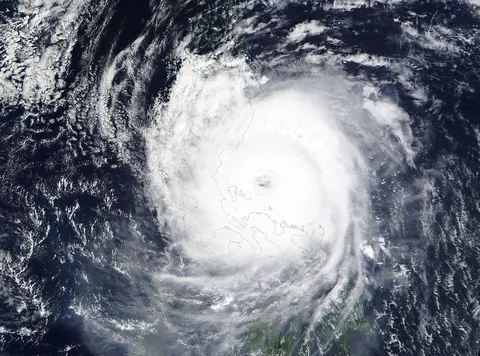
Day to day, the farm weather forecast sits beside your plan and warns you when rain falls on a spray day. Satellite weather shows rain radar and every typhoon with its path and its distance from your field.