What Is the Best Rice Variety for My Area in the Philippines?
If you are asking "what is the best rice variety for my area", look for one that suits your field, season, pests and buyers. Add one more test: it should have done well in at least two seasons of local trials. Start with the varieties your DA regional office recommends, look them up in the Binhing Palay app, and buy certified seed. Variety Ranking in anee.io, a farm app built for Filipino farmers, compares varieties for your own town and lists its sources.
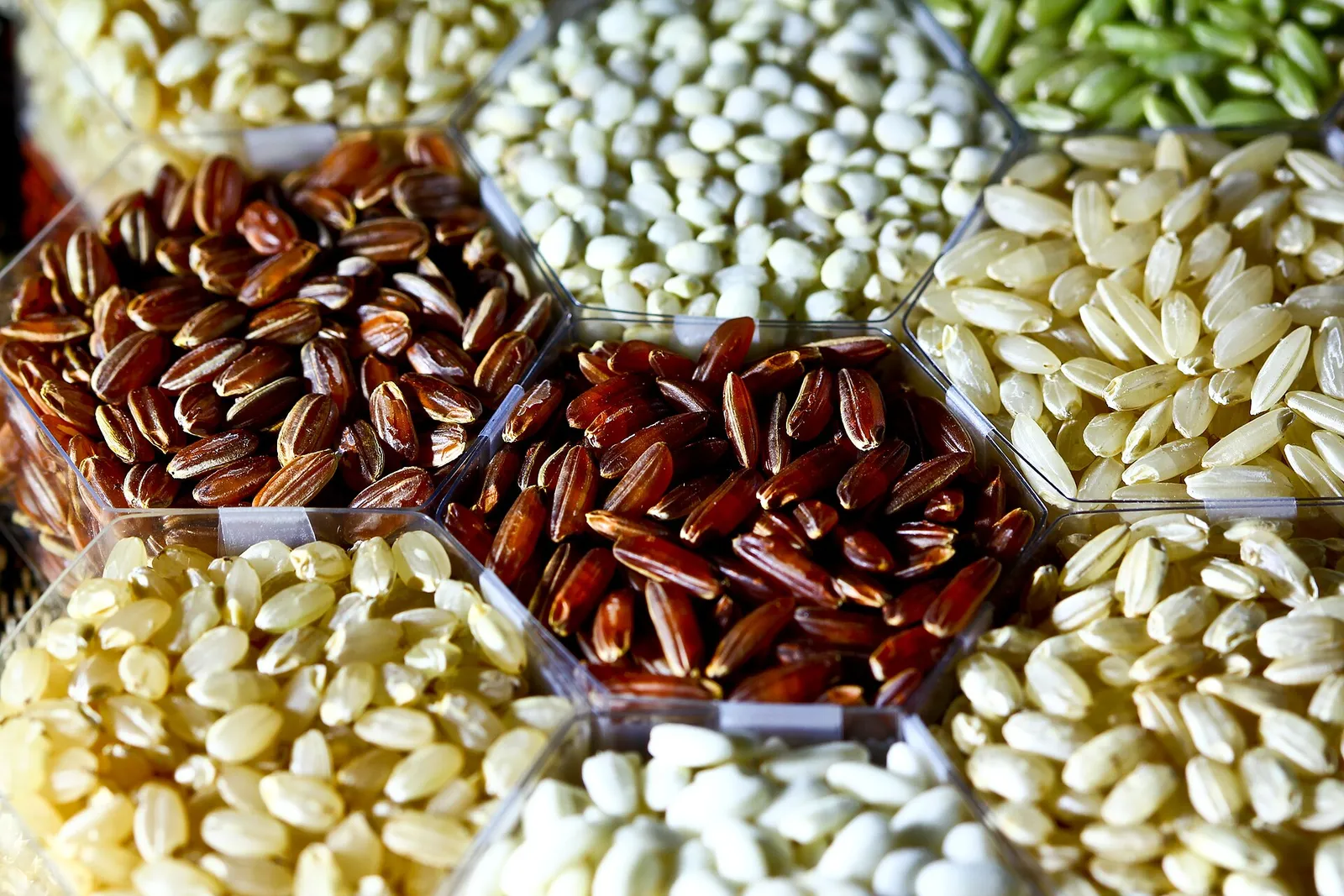
When the Binhing Palay app came out in 2018, its catalogue already held 289 released rice varieties. No single one wins everywhere. A variety that tops the yield list in irrigated Nueva Ecija may lodge in a typhoon belt. It may also drown in a flood prone barangay. So the best choice starts with your field, not with the seed bag ad. To compare every NSIC variety by farm type, days to harvest and pest ratings, use our rice variety finder.
Key points
- Match the variety to your environment: irrigated, rainfed, upland, flood prone or drought prone.
- Choose one that solves your local problem, such as typhoons, floods, drought or a common pest.
- Prefer varieties that did well in at least two seasons of trials near you, and that buyers want.
- Buy certified seed with a valid NSQCS tag. High quality seed can raise yield by 10 percent or more.
How do I find the best rice variety for my area?
Variety choice is the first key check. Use high quality seed of a recommended variety, one that passes four tests.
- It suits your environment or season. In rainfed areas, give priority to varieties bred for rainfed fields. In the wet season, think about local pests like the brown planthopper and how easily a variety lodges or shatters.
- It answers a local field problem. Where typhoons, drought or floods hit, pick a variety whose maturity lets the crop escape them.
- It has proven itself nearby. It should have done well in trials near you for two seasons or more.
- It sells. It should have high market demand, so your buyer pays well for the grain.
Which rice varieties fit which field?
The table gathers common examples for each field condition. Use it as a starting list, then check what is new for your region.
| Field condition | Example varieties | Why they fit |
|---|---|---|
| Irrigated lowland, both seasons | NSIC Rc 216, Rc 160, Rc 300, Rc 222 | The four most preferred by farmers in irrigated fields nationwide (2018), maturing in 107 to 115 days after sowing |
| Typhoon prone, wet season | PSB Rc14, Rc68, NSIC Rc222 | Plants at most 100 cm tall with strong stems against 40 to 60 kph winds (2016) |
| Flood prone | PSB Rc18 (Ala), NSIC Rc194 (Submarino 1) | Rc18 survives 5 to 7 days under water, Rc194 survives 10 to 14 days (2016) |
| Rainfed, short of water | NSIC Rc192 (Sahod Ulan 1), PSB Rc14 (Rio Grande), Rc68 (Sacobia) | Known to need little water, for El Nino years |
| Irrigated, water may run short | PSB Rc10 (Pagsanjan), NSIC Rc134 (Tubigan 4) | Harvested in 102 to 110 days, especially when direct seeded |
| Upland | PSB Rc80 (Pasig), Rc9 (Apo), NSIC Rc23 (Katihan 1) | Survive in hilly areas with little water |
| Before the typhoon months | PSB Rc 10 | Early maturing at 106 days, so it fits the calendar before typhoons |
New varieties come out every year, so check the Binhing Palay app and your DA office for the latest. Our list of rice varieties in the Philippines has more detail on the common ones.
Certified seed carries an NSQCS tag. Make sure the tag is still valid. Old stock or seed carried over from last season should pass a germination retest before sowing. High quality seed germinates at 85 percent or more.
How do you test a new variety on your own farm?
Ask what is recommended near you
Visit your Municipal Agriculture Office or DA regional office. Ask which varieties did well in local trials for your season.
Look them up
Open the Binhing Palay app. You can filter released varieties by location, environment, season and crop establishment, and it works offline.
Plant a strip beside your usual variety
Use the same land preparation, fertilizer and water on both, so the variety is the only difference.
Record what happens
Write the dates of heading and harvest, the pests you saw, the yield with its moisture and the price paid. Keep it all in your harvest records.
Repeat for a second season
Wait for at least two good seasons before a variety counts as proven. Switch the whole farm only after that.
Anee looks up the varieties of your crop and compares yield, maturity and resistance for your area, with every source she read.
See Variety RankingHow does anee.io help you choose and track a variety?
Variety Ranking is run by Anee, the smart farm technician inside anee.io. You type your town, season, field type and the troubles you have seen, like drought or floods. She then compares up to eight varieties, or picks the top released ones herself, and lists every source so you can check them. It runs on credits and comes with Libre plus Anee from PHP 70 a month, Solo Farmer and Farm Owner.
Once you plant, type the variety into each lot, so the yield in your harvest records stays tied to it. After two seasons, Compare Reports puts the two side by side, and Anee explains what changed, which uses credits.