What Crop to Plant This Season in the Philippines
What crop to plant this season comes down to six checks: water, the season ahead, soil, market, cash and labor. For the coming dry season, a strong El Nino is forecast that may last until mid 2027. So on fields without sure irrigation, low water crops such as munggo deserve a hard look. The What to Plant Analysis in anee.io, run by Anee, weighs your climate, forecast, soil and water to rank the crops for your land.
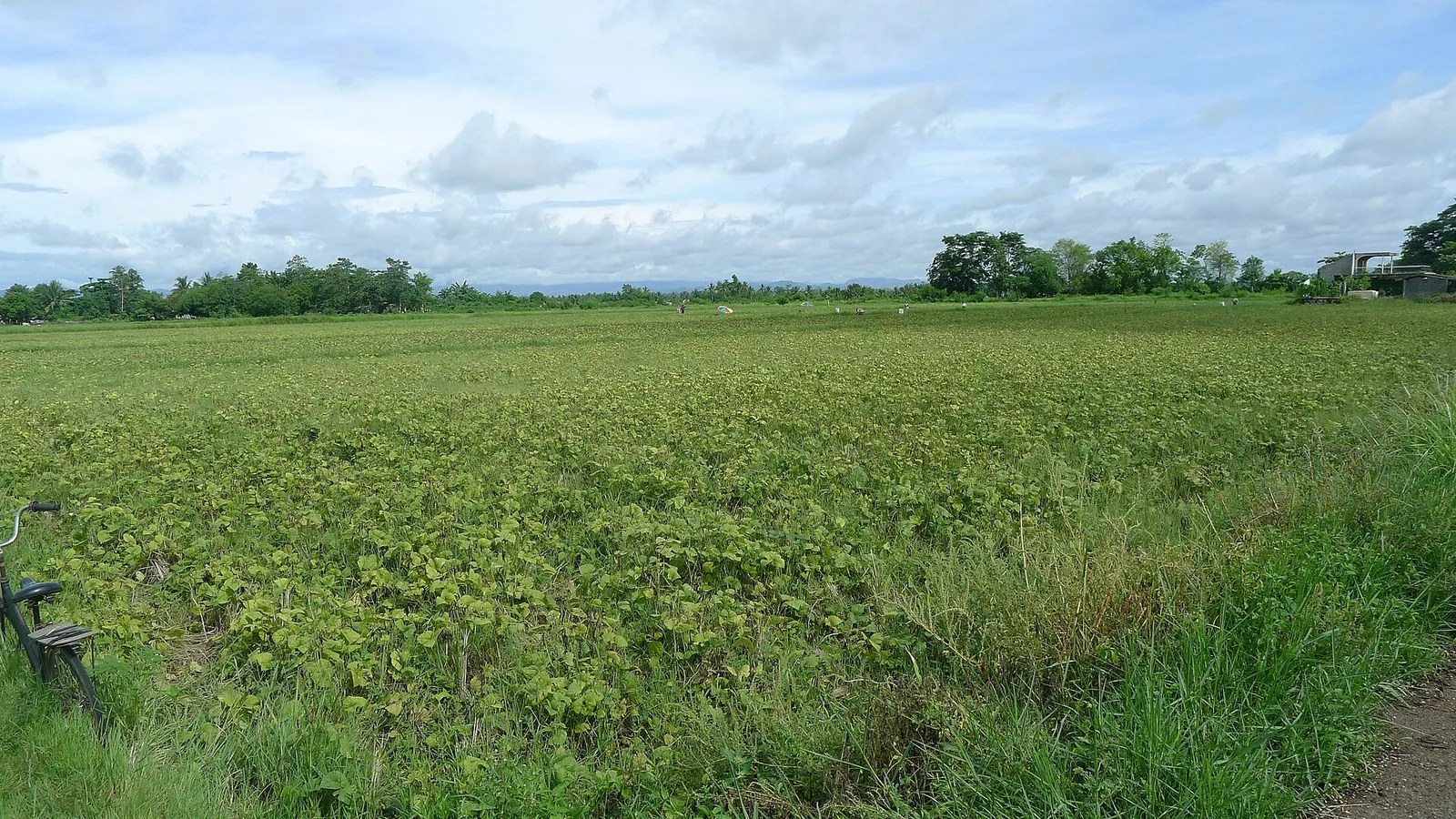
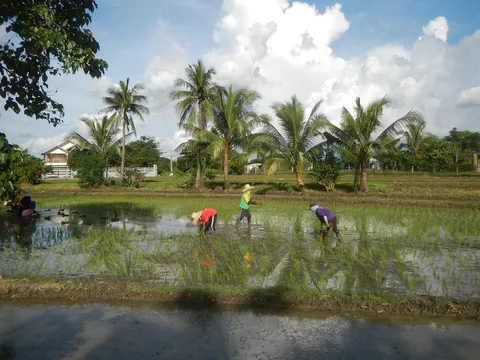
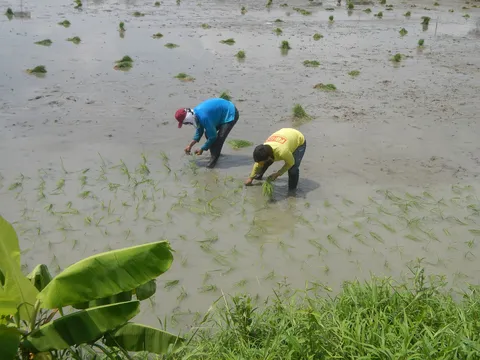
Many farmers plant palay every season out of habit. Yet the Palayamanan Plus system mixes rice with vegetables, other crops and livestock, and returns straw and hull to the soil. The right crop for your field this season may still be rice. The point is to choose it on purpose, after checking what the season will give you.
Key points
- Start with water. A crop that runs dry halfway loses more than a cheaper crop that finishes.
- Read the PAGASA ENSO alert. As of 7 October 2026, a strong to very strong El Nino is present.
- In a dry year, munggo, root crops and high value cucurbits are options where water is short.
- Check the buyer and the price before you plant, not after you harvest.
What should you check before deciding what crop to plant this season?
| Check | Question to ask | Where to find the answer |
|---|---|---|
| Water | Is water sure for the whole crop, up to harvest? | Your irrigators' association, your own records from past seasons |
| Season and outlook | Which months bring rain, typhoons or drought? | The climate outlooks and the ENSO alert |
| Soil | Is it heavy clay, sandy, acidic or salty? | A soil test, or your Municipal Agriculture Office |
| Market | Who will buy, and at what price? | Traders you know, the DA price monitoring page |
| Cash | Can you carry the costs until the first sale? | Your expense records, a production guide's cost table |
| Labor | Who will weed, spray and harvest? | Your family, your workers and the busy months |
Soil problems change the whole answer. If your field is acidic, salty or alkaline, read our guides to acidic soil preparation and saline soil preparation before you choose.
Which crops fit a dry season or an El Nino year?
Here is what farmers can plant when water is short in an El Nino year.
| Crop | Why it fits |
|---|---|
| Munggo (mung bean) | Lives on little water, so it can add income during El Nino |
| Pakwan, kalabasa, melon | Crops of high commercial value that can add to income |
| Kamoteng kahoy, kamote, ube | Root crops that survive even when water is short |
| Vegetables in place of rice | Plant gulay instead of palay where irrigation is short, as in Palayamanan Plus |
| Drought tolerant palay | Where some water exists, plant varieties that tolerate drought or mature early |
At the Lakbay Palay field day in September 2026, farmers' groups also set their El Nino priorities. These included drought tolerant varieties such as NSIC Rc 480, crop insurance, rainwater harvesting and small irrigation pumps.
Corn is another choice after rice where the field drains well. Our guide to pagtatanim ng mais covers its season, and legume land preparation covers munggo and peanut beds.
What about a wet or La Nina season?
In a wet year, low fields stay with rice. The usual advice is flood tolerant varieties such as NSIC Rc194 (Submarino 1), repaired dikes and canals, and drainage after heavy rain. Vegetables in a wet season need raised ground and good drainage, as our guide to vegetables in the Philippines explains.
Plant the new crop on a small part of the farm for one season, beside your usual crop. You learn its pests, its labor and its buyers before you put the whole field on it. If it works, scale it up the next season.
How do you compare two crops on paper?
List three candidates
Pick crops that suit your water and season from the checks above. Leave out anything you have no buyer for.
Find the cost per hectare
Use a production guide with a cost and return table. For example, one ampalaya guide puts the total cost at PHP 132,480 per hectare, with its own price assumptions.
Check the days to first sale
A quick crop pays sooner. The same guide says ampalaya is ready 45 to 75 days from planting, then picked 2 to 3 times a week.
Ask the buyer first
Call two traders and ask what they pay and when they pay. Then check the DA price monitoring page for the trend.
Weigh the risk
Mark the typhoon, flood and drought months on a calendar and see which crop dodges them best.
Tell her your town, soil, water, budget and market. She ranks twenty crops for your field and month, with the reasons for each.
See What to Plant AnalysisHow can anee.io help you decide?
The What to Plant Analysis asks about your field, water, budget, labor and market. Then Anee, the smart farm technician inside anee.io, ranks the crops that fit. Each pick comes with planting and harvest windows and the reasons behind it. She also reads the current El Nino or La Nina outlook, because a dry year and a wet year favor different crops.
After that, the When to Plant Analysis times the crop for your town, and Variety Ranking compares seeds. These analyses use credits and come with Libre plus Anee from PHP 70 a month, Solo Farmer and Farm Owner. Treat the result as a shortlist, and talk it over with your municipal agriculturist.