What to Plant: Anee Ranks the Crops That Fit Your Land
Not sure what to plant this season? The What to Plant Analysis in anee.io asks about your field, your water, your budget and your market. Then Anee, the smart farm technician, ranks the crops that fit your land best, each with a planting window, a harvest window and the plain reasons behind it.
How the What to Plant Analysis works
Say where and when
Type the town and province of the field. Then pick the month you plan to prepare the land and plant, since the whole list is built around that month.
Describe the ground
Choose the soil by feel: heavy clay, loam, sandy, silty or rocky. Next, say if the field has reliable irrigation, some water or rain only. You need no soil test, but a pH reading helps if you have one.
Add what you know
Optional questions cover the slope, elevation, sunlight, last crop, labor, budget and where you sell. Tick the troubles too, like floods, strong winds or poor drainage, and skip what you do not know.
Put your priorities in order
Rank what matters most to you: profit, survival through weather and pests, low cost and easy care, a quick harvest, a sure market or food for the family. The first one counts most in every score.
If you would never plant root crops or fruit trees, leave those groups out. At least one group always stays in play.
What you get back
- Twenty crops ranked for your field and month, plus any you named, each scored out of 100
- Six fit scores per crop: profit, survival, ease, speed, market and food
- Planting and harvest windows, with the weather risk in the harvest month
- Surprise picks: up to three crops rare in your area that still fit your land
- Crops to avoid on your ground, each with the reason
- What Anee could not know, where a soil test or a field visit would help
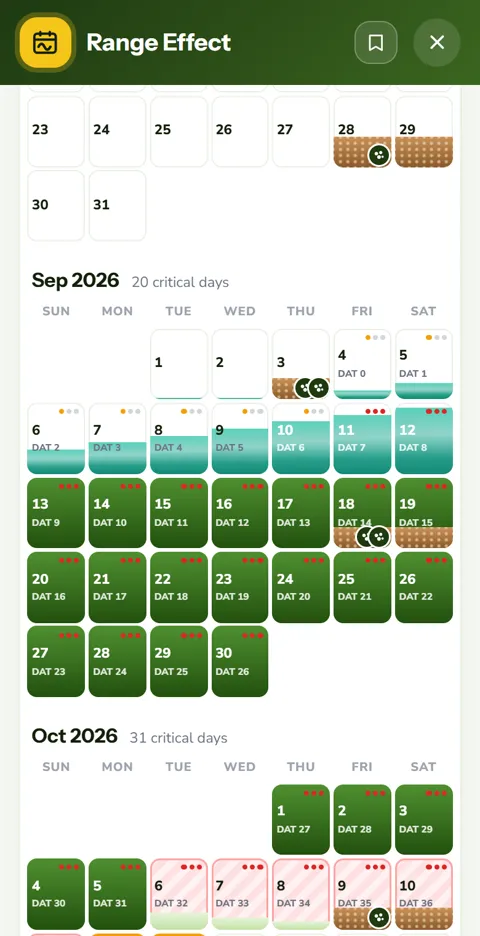
A chart lays each crop's months in the field over the year's risks of storms, floods, drought and heat. So a crop that would ripen in the middle of typhoon season shows it at once, and its score drops for it.
What Anee reads before she ranks
Anee reasons from the climate normals for your region, the soil and water you described, and each crop's real needs and calendar. She also reads the current El Niño or La Niña outlook, because a dry year and a wet year favor different crops.
Her picks come mainly from the 85 Philippine crops that anee.io keeps growth stages for. Temperate crops like wheat or apples never make the list for a Philippine field, and cool highland crops only appear if your field really sits up in the highlands.
For a feel of the choices, our guide to vegetables in the Philippines covers the common lowland and highland crops. Then pagtatanim ng gulay walks through planting them. If a tree crop comes out on top, read pagtatanim ng puno and our page on banana farming in the Philippines before you buy planting material.
Your water and soil signs count
The look of your irrigation water is a clue. Muddy water carries silt, which suits a paddy but clogs drip lines. Salty water or a white crust points to salt tolerant crops, and Anee says in each reason which sign moved a crop up or down.
No analysis knows your soil like a soil test, so treat the result as a shortlist and talk it over with your municipal agriculturist. Once you pick a crop, the When to Plant Analysis can time it for your town.
From the shortlist to your season
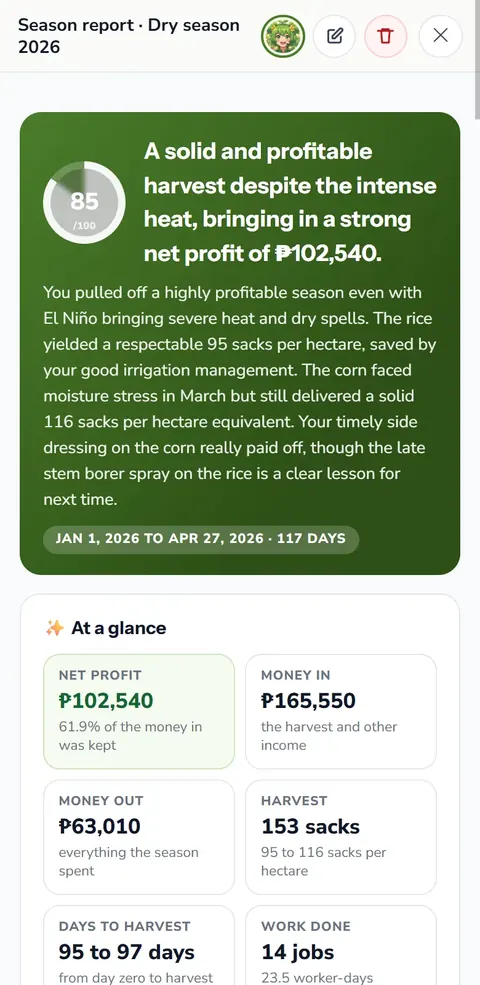
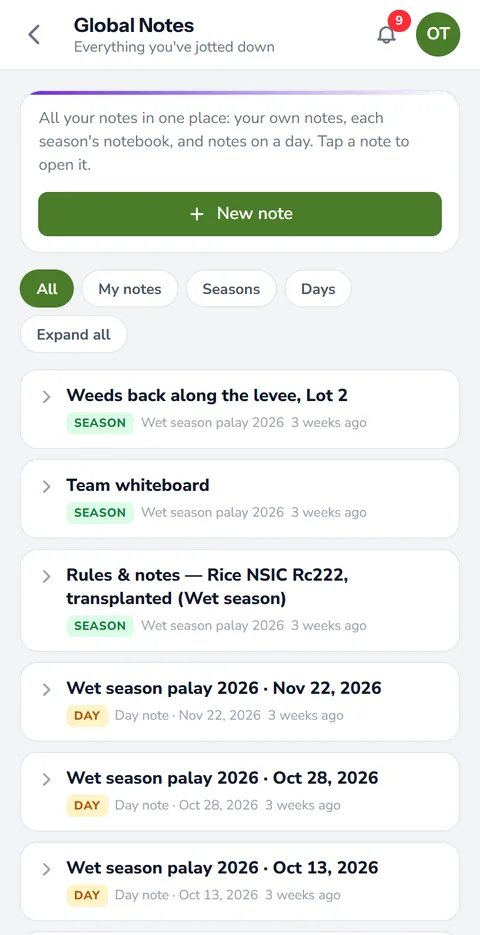
Every finished analysis stays on the Saved tab. Rename it, add a description and tags, and search for it later. Tap Attach to Anee to open a chat with the analysis attached, then ask her about the second pick or a crop she left out. That chat works like any talk with Anee, the smart farm technician.
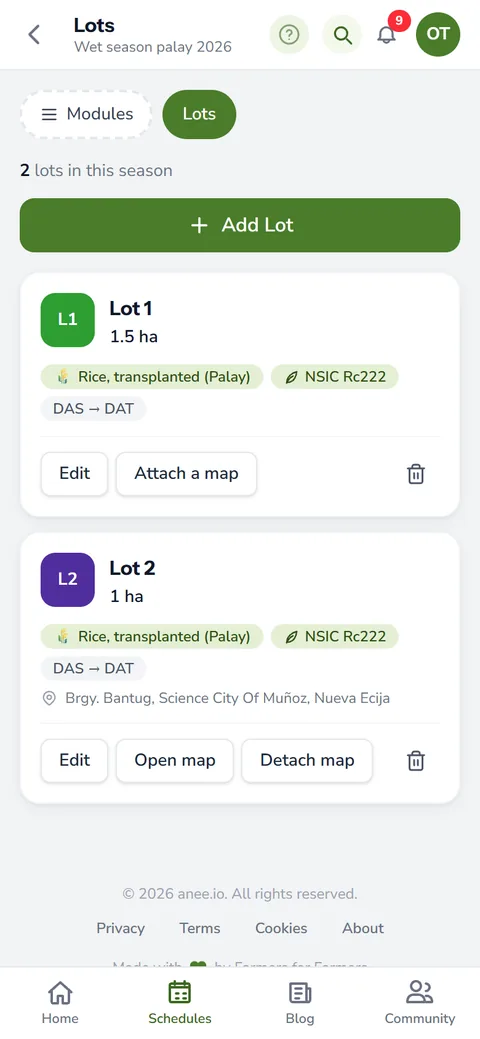
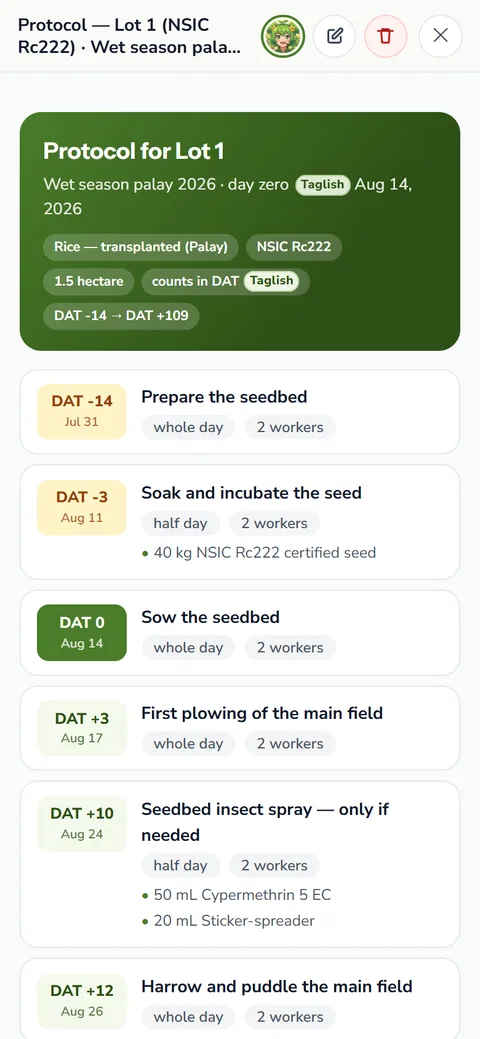
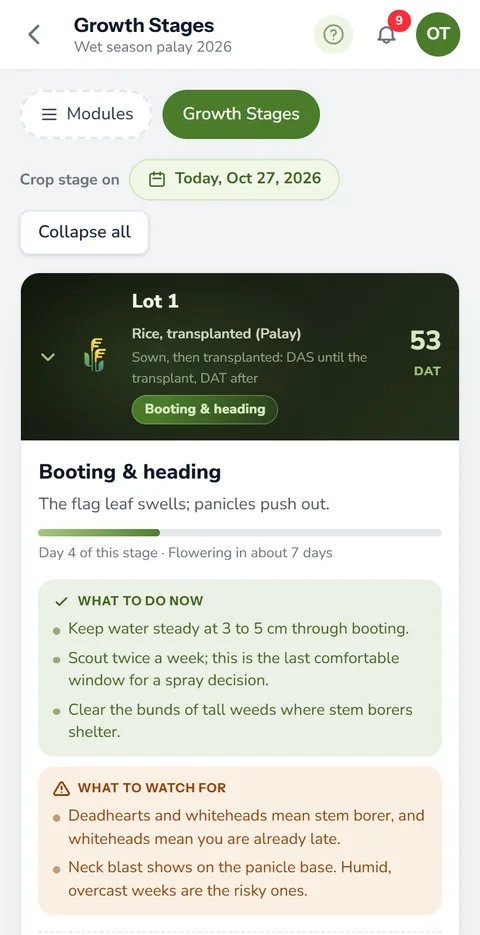
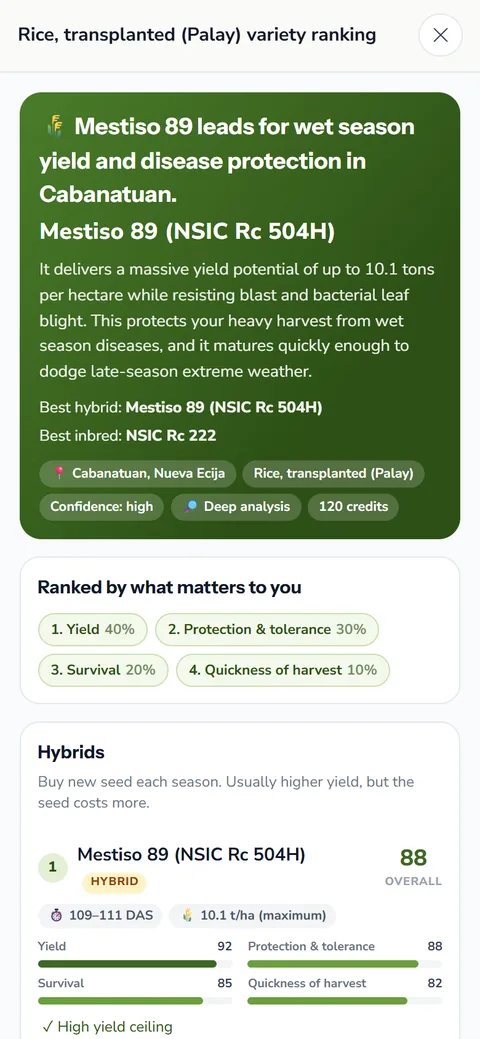
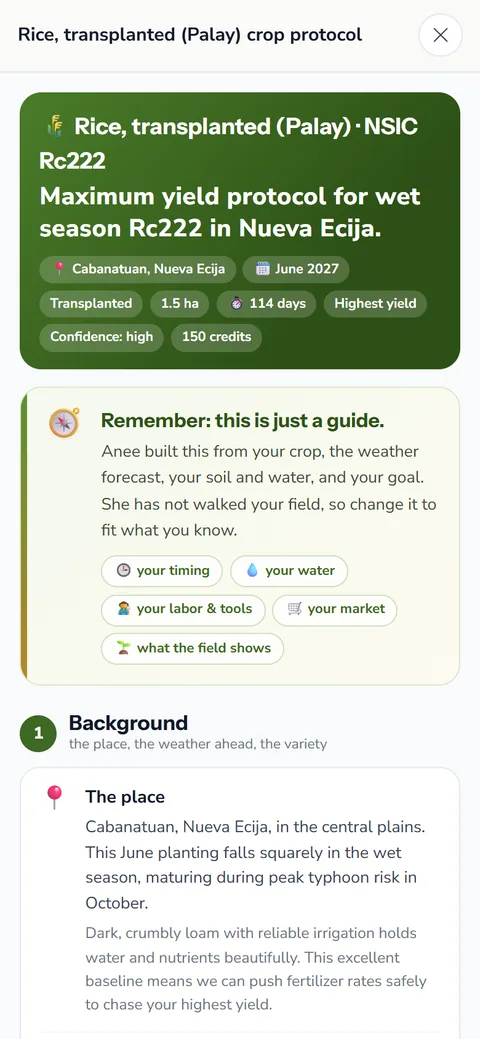
Next, compare seed with Variety Ranking, and let the Crop Protocol Analysis write a season plan for that variety. When you plant, add a lot for the crop, and the cropping calendar dates every task from its day zero.
The analysis runs on credits, and the price shows before you press Run. It comes with Libre plus Anee, Solo Farmer and Farm Owner, while the free Libre plan has no Anee.
How the What to Plant Analysis helps your crops and your farm
- Plant what fits your land. Crops ranked for your soil, water, season and market.
- Less risk of a failed crop. Weather risks at harvest are shown for each crop.
- Find a better earning crop. Surprise picks show crops that fit but few plant nearby.
- Know what each crop asks of you. Water, work and money for each choice.
Sign up free, add Anee, and run your first What to Plant Analysis for your own field.
Create a free account