Farm Profit Report: What Your Harvest Earned Against What It Cost
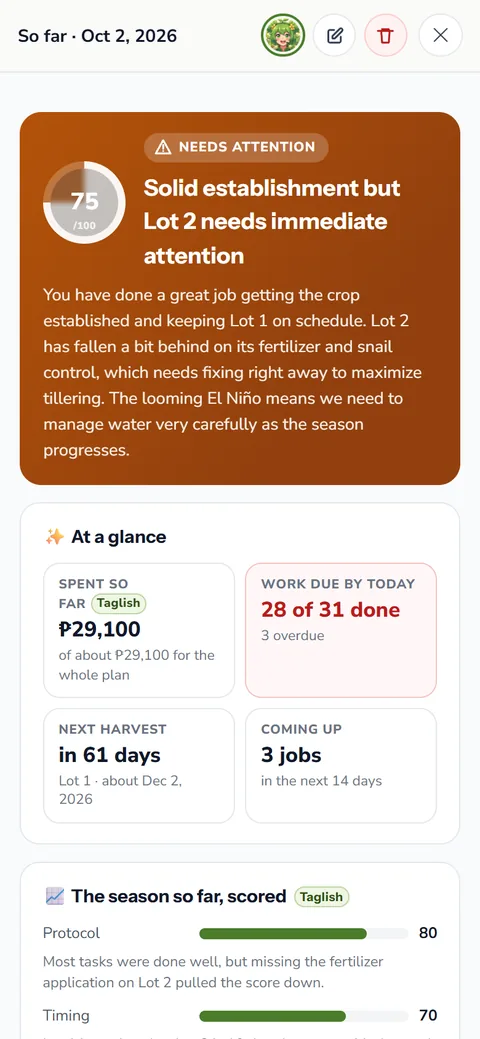
The anee.io profit report sets what your harvest earned against everything the season spent. Sales come from the yields and prices you record after harvest. Costs come from the same records as your expenses. What is left is your real profit, for the whole season and for each lot.
Where the profit report gets its numbers
Money in and money out come from two places you already fill in. The report only does the arithmetic, so there is nothing new to type.
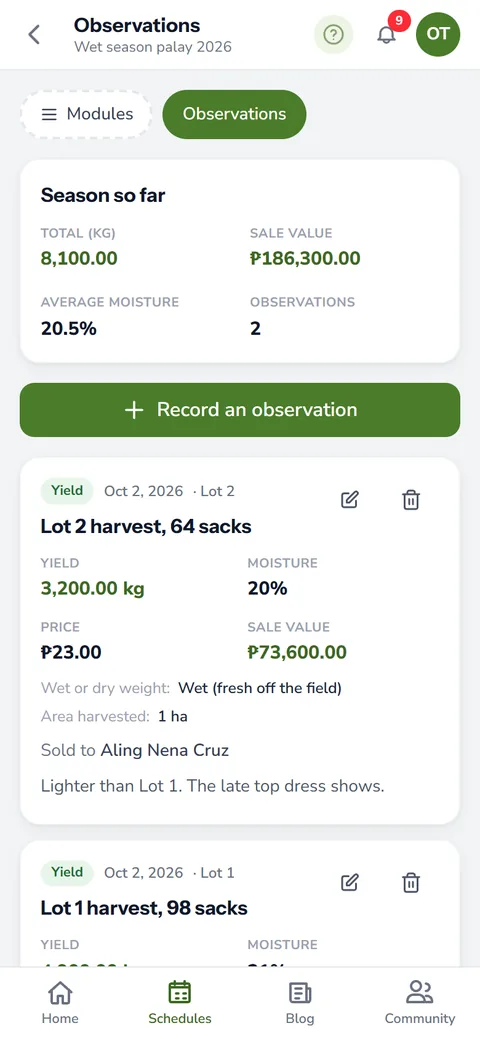
- Money in: each yield you record in Observations, times the price per unit it sold at, plus any income from the day book
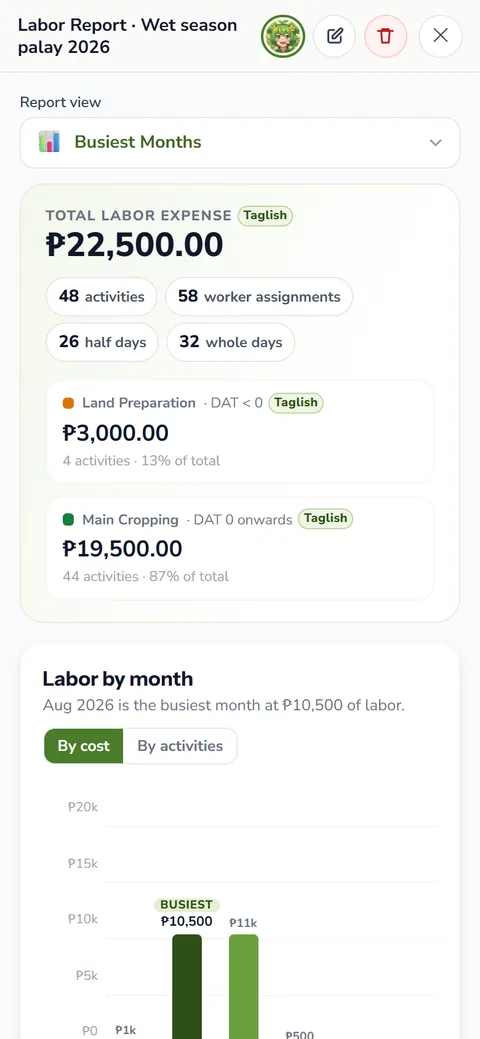
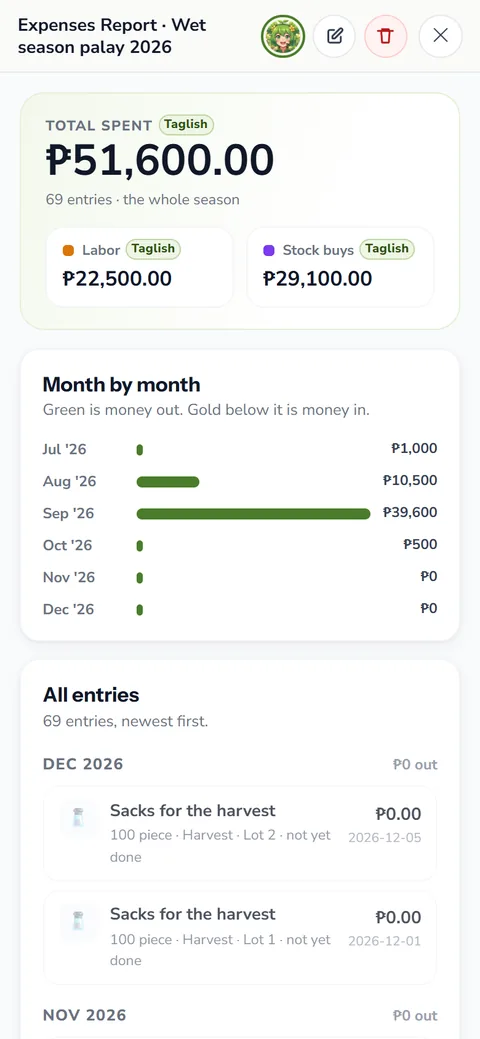
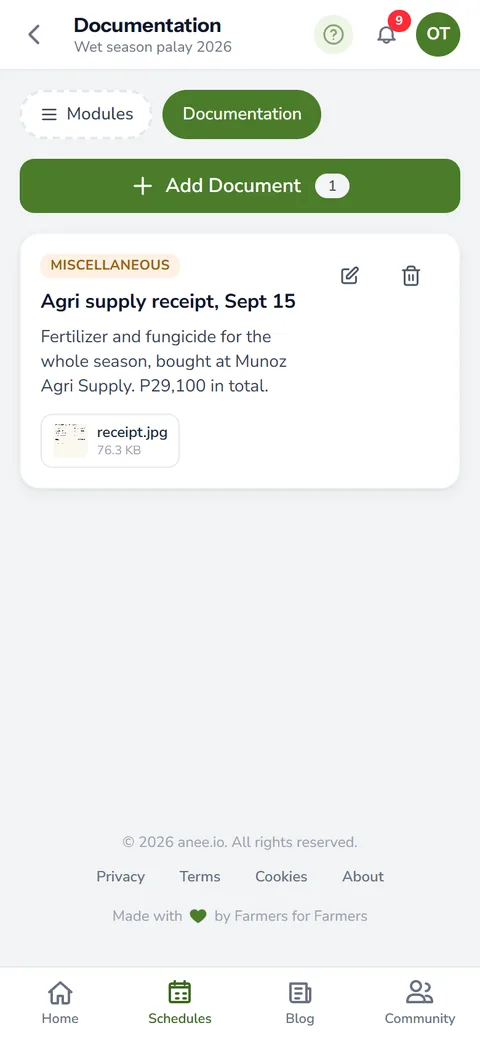
- Money out: materials, labor, services, extra expenses and stock buys, the same buckets as the expenses report
- Lot by lot: an activity on several lots shares its cost evenly between them, while whole season costs sit under General
Record each harvest in harvest records, the Observations module: the amount, the unit, the price, the buyer and the moisture. You type the unit yourself, so cavans, sacks, kilograms or tons all work. If a lot sold in one unit, the report also gives its cost per unit, like the cost of each cavan.
What the profit report shows
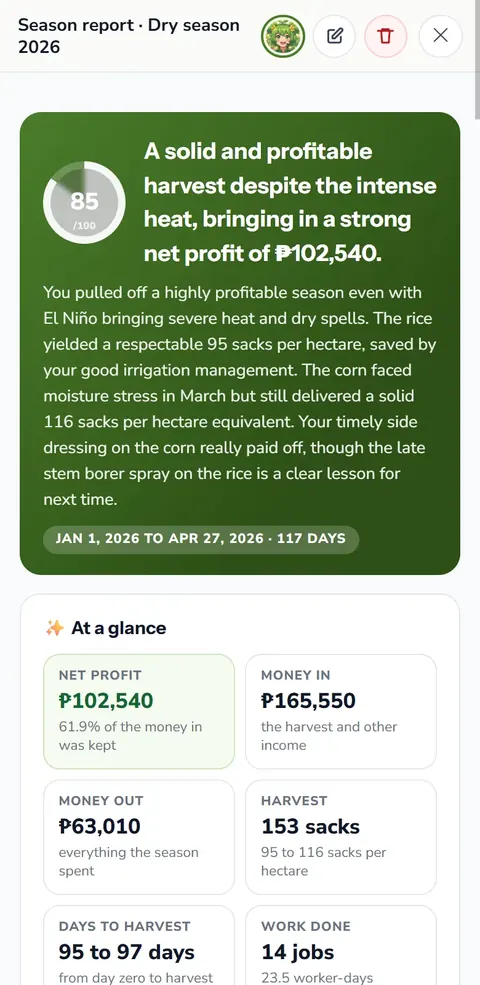
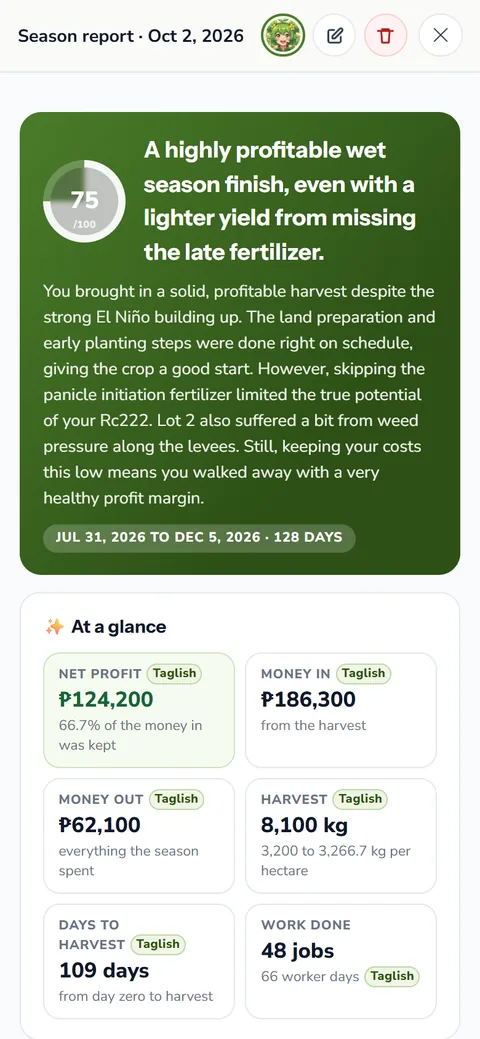
The top line is the net profit and the margin, the share of money in that you kept. Under it sit money in and money out. A bar then shows where the money went, with each category's share in percent.
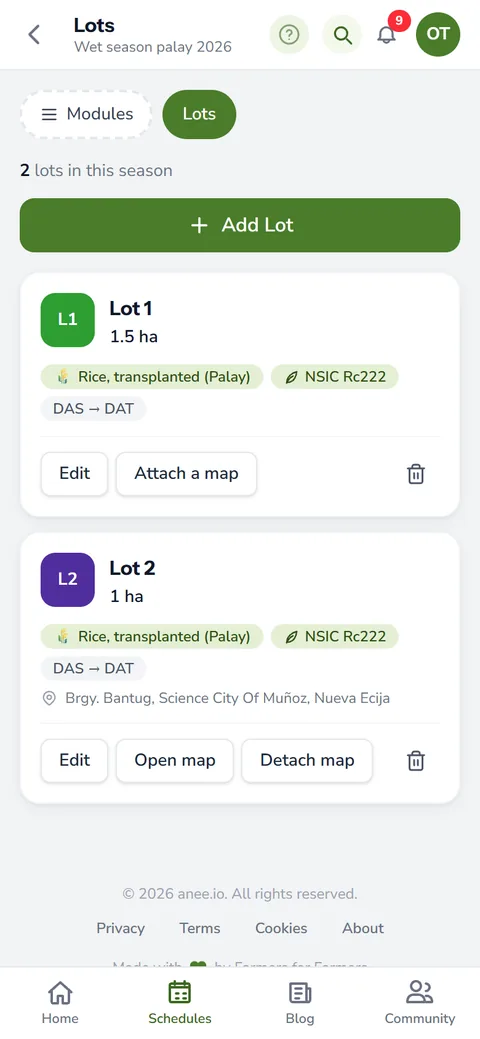
Lot cards come next. Each card shows what the lot earned, what it spent, its profit and margin, the yield and the cost per unit. Two lots of the same palay can tell very different stories, and this is where you see it.
Put the right price on your harvest
A profit figure is only as good as the price you enter. So before you sell, check the palay price per kilo today for your province. The rice and palay price in the Philippines moves with the month, the moisture and the buyer. A cavan of palay or of milled rice weighs about 50 kg, so the price per cavan is the price per kilo times 50.
For a yardstick, the national average cost of producing palay in 2024 was 14.52 pesos per kilogram. If your own cost per kilo sits well above that, the expenses report shows you where the money went.
Without at least one yield in Observations, the profit report shows no number. Instead it lists what is missing, with a button to open Observations. It also warns you when work is not ticked done, when a harvest has no price, or when a crop ran far past its usual maturity.
Planned costs and real costs
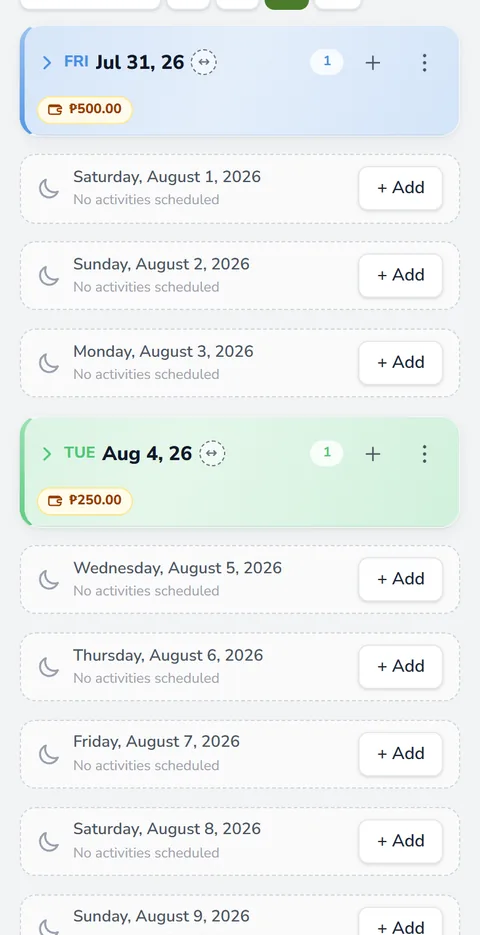
Activities you have not ticked done still count as planned costs. That means the report reads like the full plan until you tick the work that happened. Tick tasks done on the day, or delete the ones you skipped, and the figure becomes what really happened.
The profit report updates each time you open it. To keep a copy, tap Ask Anee about it at the bottom. The app then saves the report to the season's shelf and opens a chat with it attached, so you can ask Anee, the smart farm technician, where the margin went. Questions run on credits.
Season against season
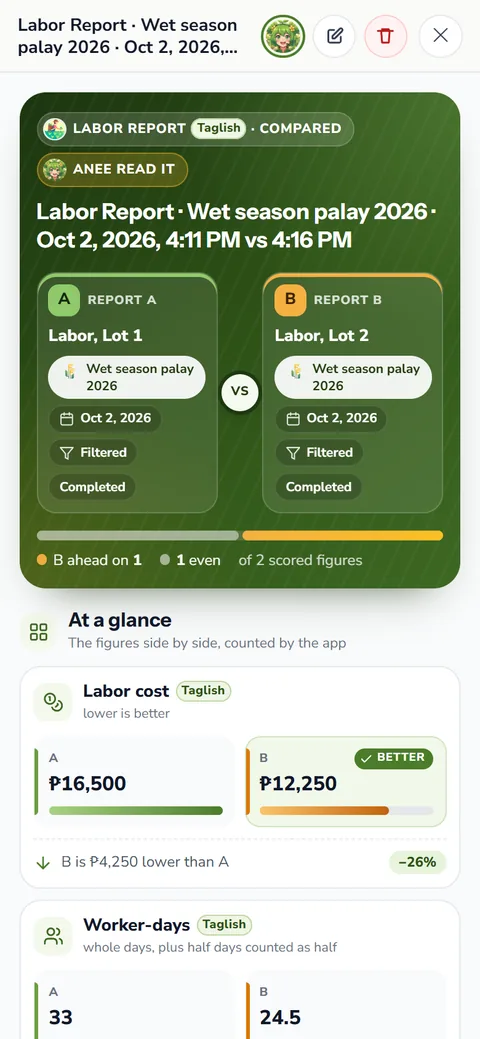
Saved profit reports can stand side by side in Compare Reports: net profit, money in, money out, margin and profit lot by lot. After the season closes, Anee's season report reads the same figures and tells you the story behind them.
Why farm profit is worth counting
A good palay price today does not always mean a good season. A lot can give 100 cavans and still lose money if the fertilizer, the hired harvester and the labor ate it first. Another lot with fewer cavans can earn more because it cost less.
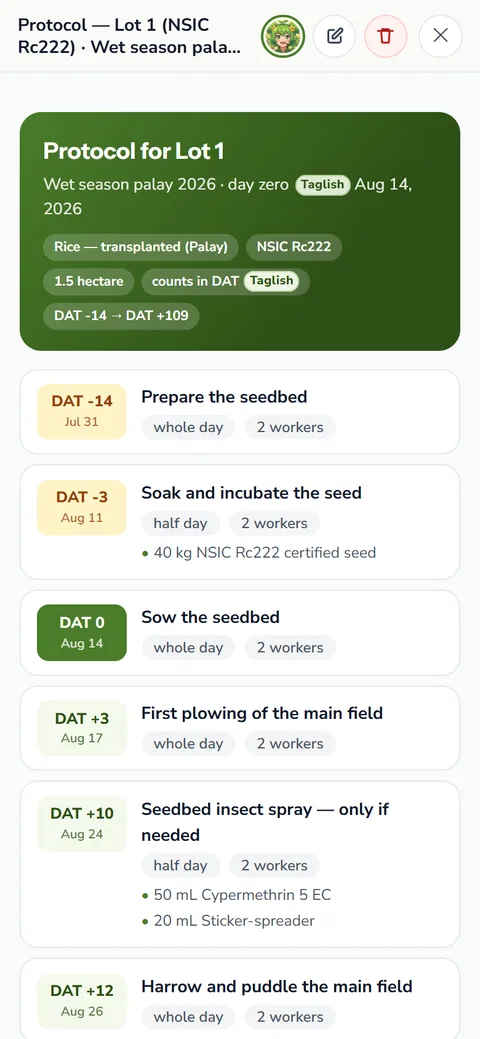
That is why the profit report keeps the lot cards side by side. When one lot keeps winning, look at what you did there with View as Protocol, then do it again on the others.
How the profit report helps your crops and your farm
- Know if the season paid. Harvest sales against every cost give the real profit, not a guess.
- Price your harvest well. Seeing your cost per kilo helps you know the lowest price you can take.
- Find what eats the profit. The costs laid out show where to save next season.
- Track it season after season. Compare profits to see if your changes are paying off.
Sign up free and keep your season on the board. Then open the profit report on the Solo Farmer or Farm Owner plan.
Create a free account