Land Preparation Planner: Anee Dates Every Step Around Your Field and Your Crew
Most of a season's mistakes are made before the first seed goes in: a field plowed too late, seed soaked too long, or two lots needing one crew on the same day. The land preparation planner asks about your field, then Anee dates every step for every lot around the people you have.
How the land preparation planner works
Pick the crop, the planting method and the variety
Transplanted by hand or by machine, wet or dry direct seeded, or for other crops sown, transplanted, from cuttings or from suckers. The method changes the whole plan.
Set the planting day and your lots
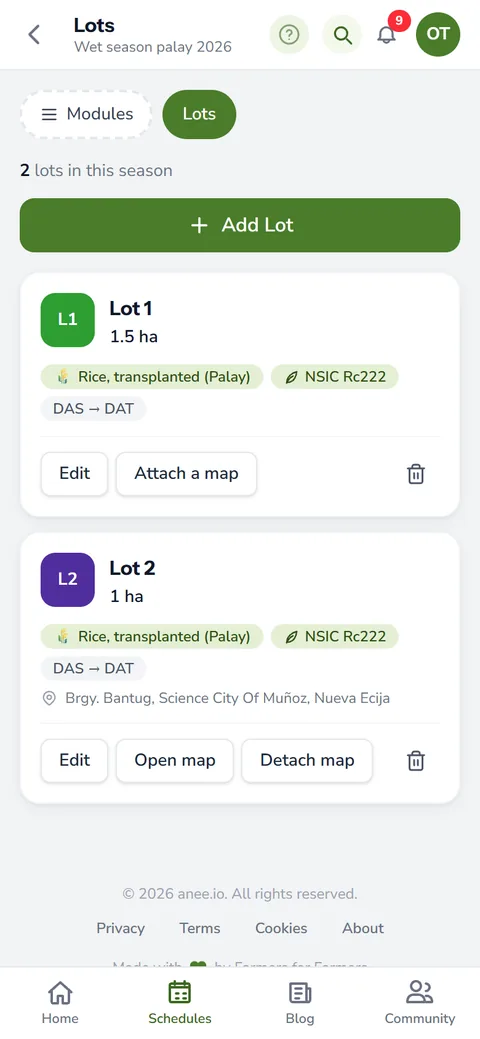
Type your lots or bring them in from a season, each with its area and, if you like, its own planting day.
Say who does the work
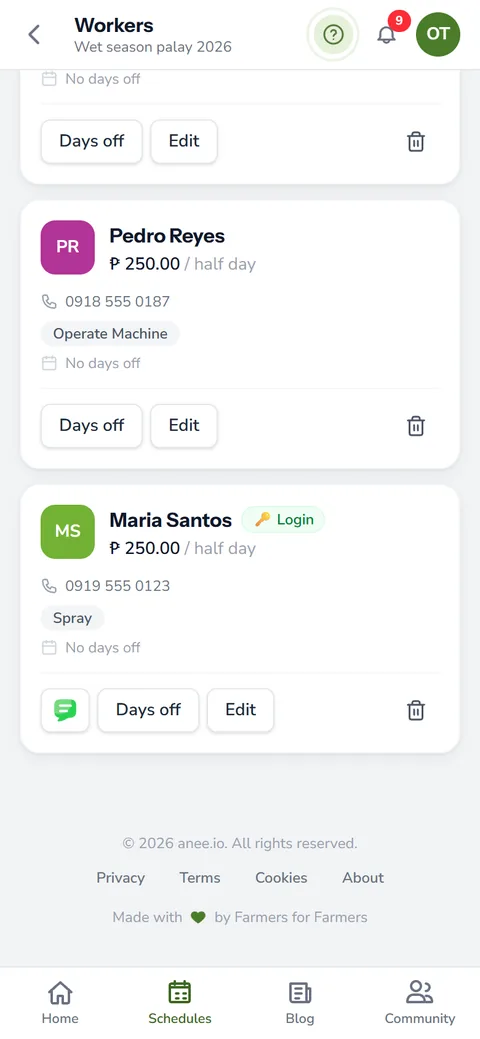
How many workers you have, whether you have a tractor or a hand tractor, and how many days a week the crew works.
Describe the soil and the field's history
How the soil feels and how fast water drains. White crust or a known pH. The last crop, weedy rice, snails and rats, and the last plowing.
Mark the place
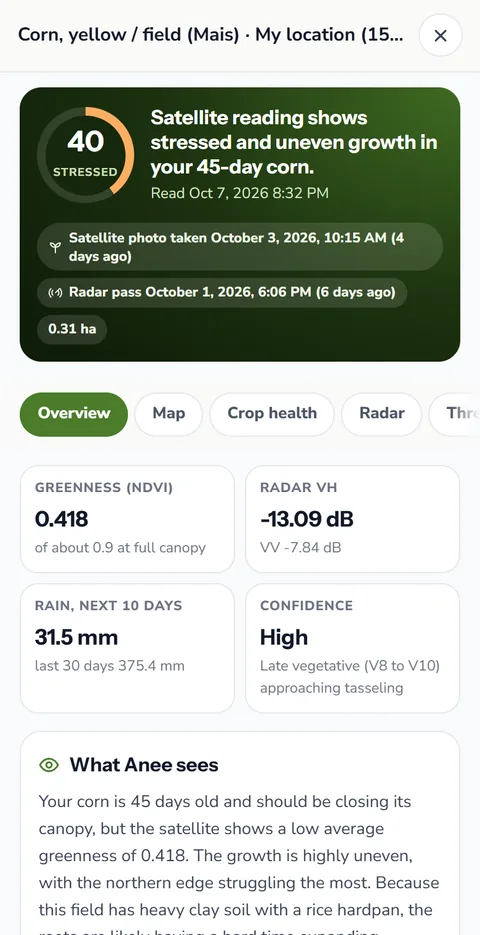
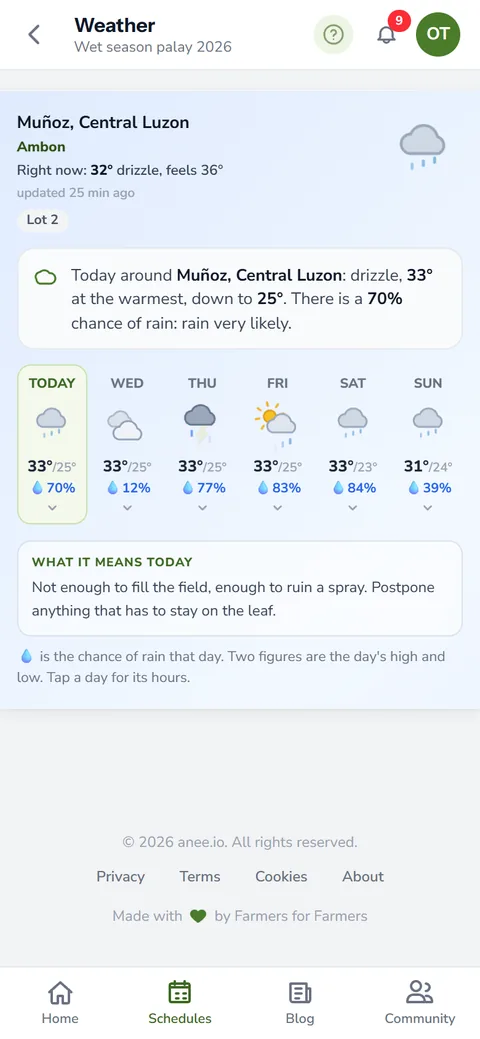
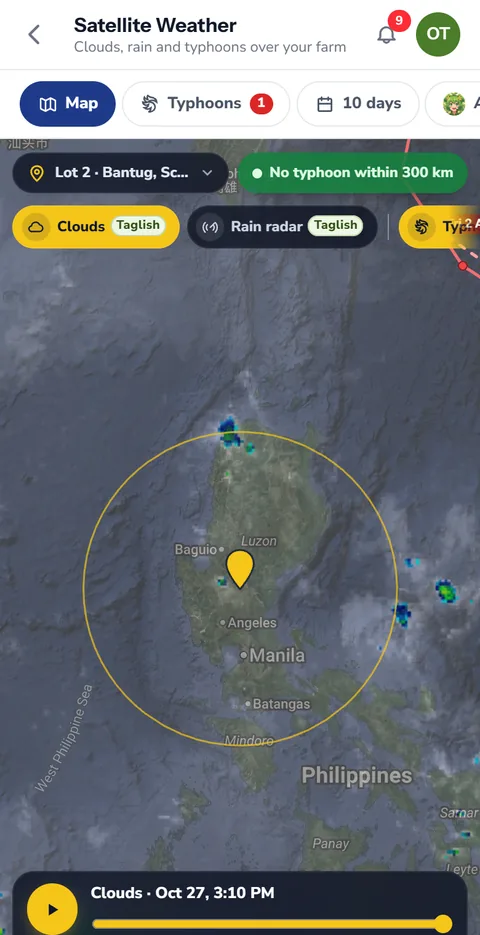
Anee reads the forecast, the El Niño or La Niña outlook and the area's rain history for your planting window.
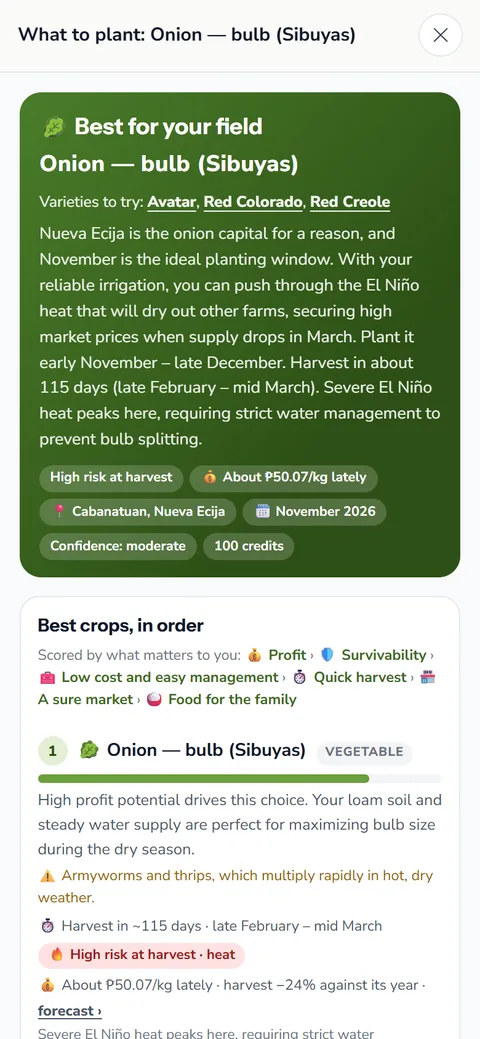
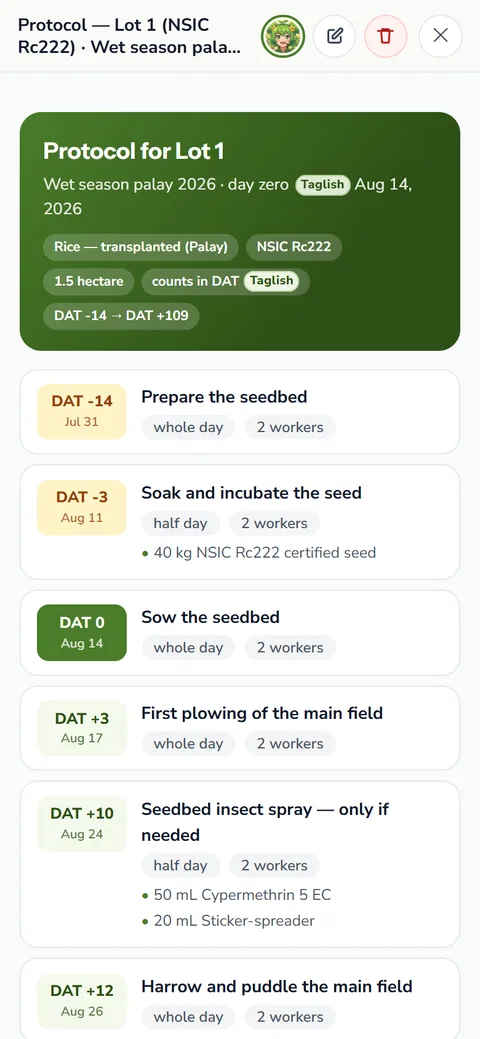
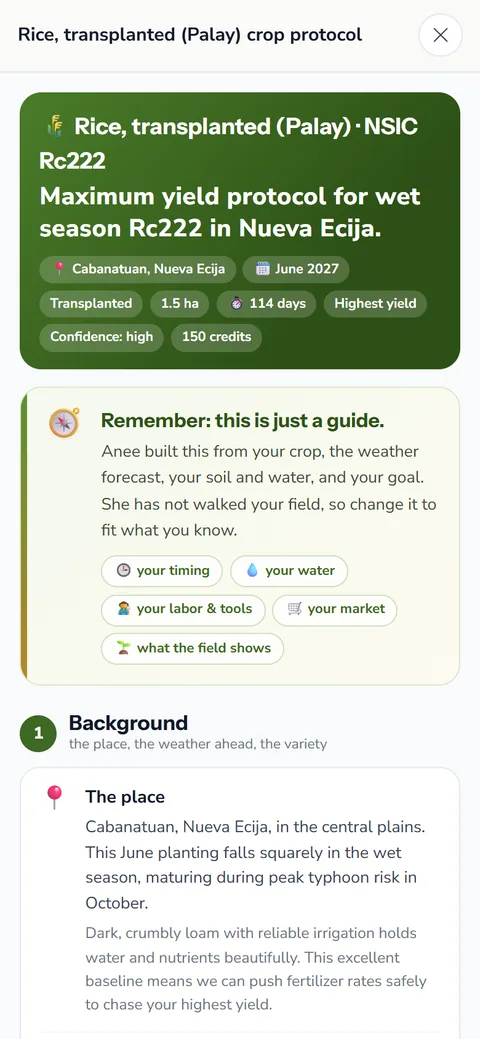
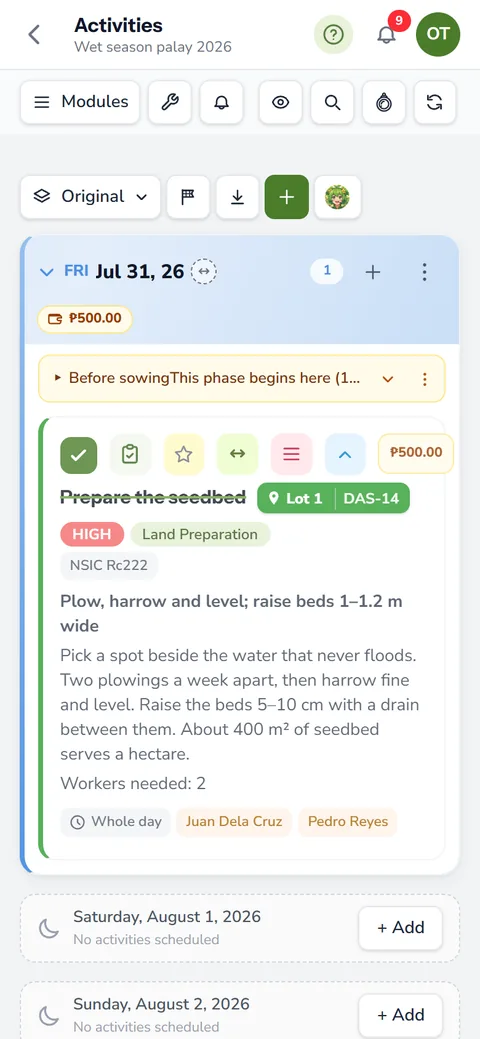
Anee then writes the plan. The base steps follow the usual Philippine field practice for each crop. Anee adds her own steps where your field needs them, each marked as her suggestion with the reason. A stale seedbed where weedy rice was bad. Salt flushed before planting. Plowing moved ahead of a wet week.
Seed soaking that fits your variety
Hybrid rice seed is soaked and incubated differently from brand to brand, and inbred seed has its own timing. Pick your variety and the plan dates the soaking, the water changes and the incubation by the hour. The seed sprouts on time. When a variety has no known instruction, the plan says so and tells you to follow the seed bag.
Every lot dated, the crew never double booked
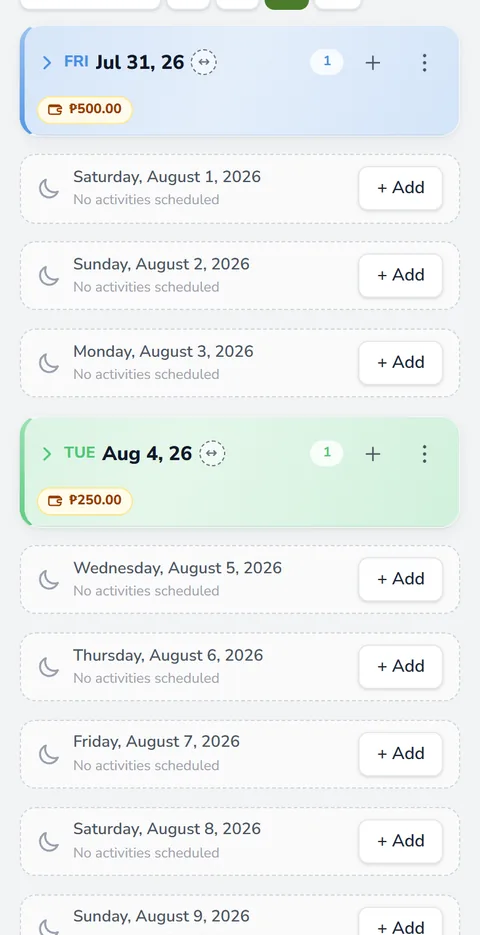
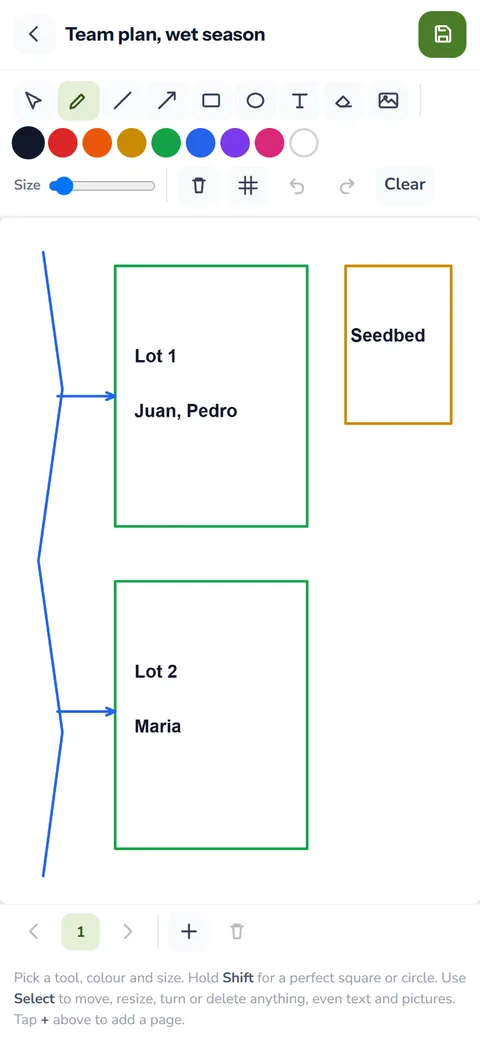
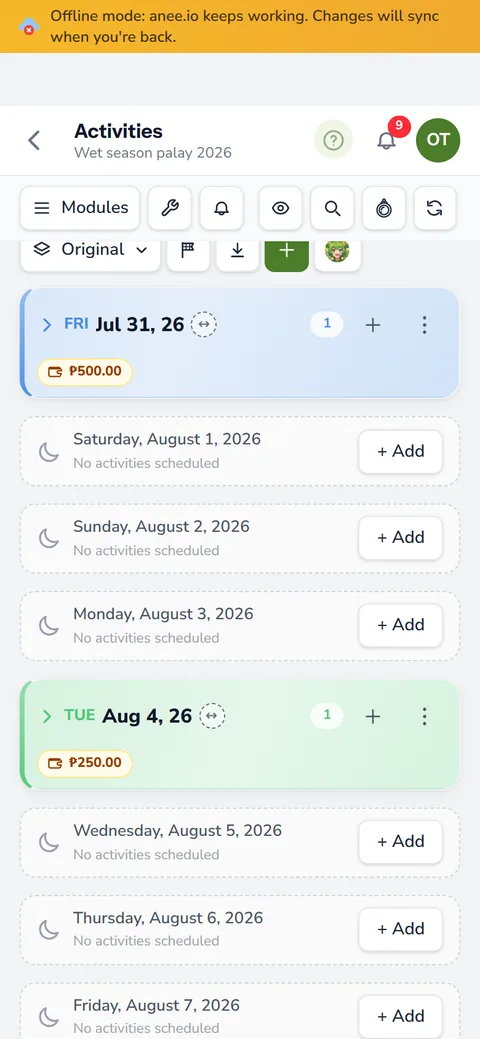
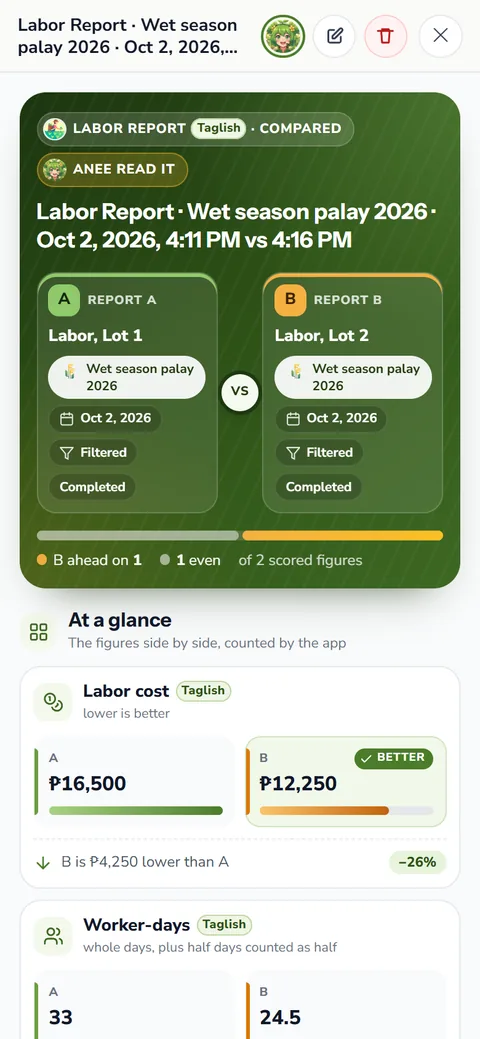
With more than one lot, the planner staggers the plowing, harrowing and leveling. Your workers are never needed in two places on one day, and every lot is ready on its planting day. Open the plan for the whole farm, with a crew calendar, or one lot at a time.
- Rice: plowing three to four weeks ahead, harrowing in rounds, leveling under shallow water, and the seedbed dated so seedlings are the right age.
- Corn and sorghum: clearing, plowing, harrowing and furrows, with drainage for the wet season.
- Vegetables: the nursery dated so seedlings are ready, then raised beds, compost and mulch.
- Root crops, onion and garlic, sugarcane, banana and fruit trees: deep plowing, ridges or beds, holes filled ahead, planting with the rains.
Lime and gypsum need time to work. On acidic or sodic ground the soil test and the amendment come weeks before the first plowing. Read our guides to acidic soil preparation and saline soil preparation.
From the plan to the season
Every plan is saved on its own, so you can rename it and open it again from the field. Send it to the Protocol Builder, into a protocol you have or a new one. The same planting day starts your cropping calendar.
How the land preparation planner helps your crops and your farm
- Fields ready on time. Every step is dated back from planting day, so the field is ready when the seed is.
- No double booked crew or machine. The plan spreads the work across your lots, workers and machines.
- Costs known before you start. What land preparation will cost is clear before the first pass.
- A better start for the crop. Proper resting, plowing and leveling mean fewer weeds and an even stand.
The planner comes with Libre plus Anee and every plan above it. Each plan uses Anee credits.
Sign up