Crop Problem Guides: Pests, Diseases and Weeds of Philippine Farms
The anee.io crop problem guides are free field guides to the crop problems Filipino farmers meet most: the pests, diseases and weeds of palay, mais, vegetables and fruit. Each guide shows how to spot the problem, why it comes and what to do about it, with the local names farmers use. Anyone can read the start of each guide, and you can register for free to read them in full.
What the crop problem guides cover
Every guide follows the same order, so you know where to look. It opens with a photo and what the problem is. Then come the signs in the field, why it builds up and how to manage it, with cultural control first and chemicals last. Each one ends with the questions farmers ask and the sources behind it.
The guides sit behind three doors: crop pests, crop diseases and weeds and grasses. Each door covers every crop anee.io knows, from palay to durian. The weeds door holds a catalogue of the weeds of Philippine farms, each with its local names and how to control it at every age of your crop.
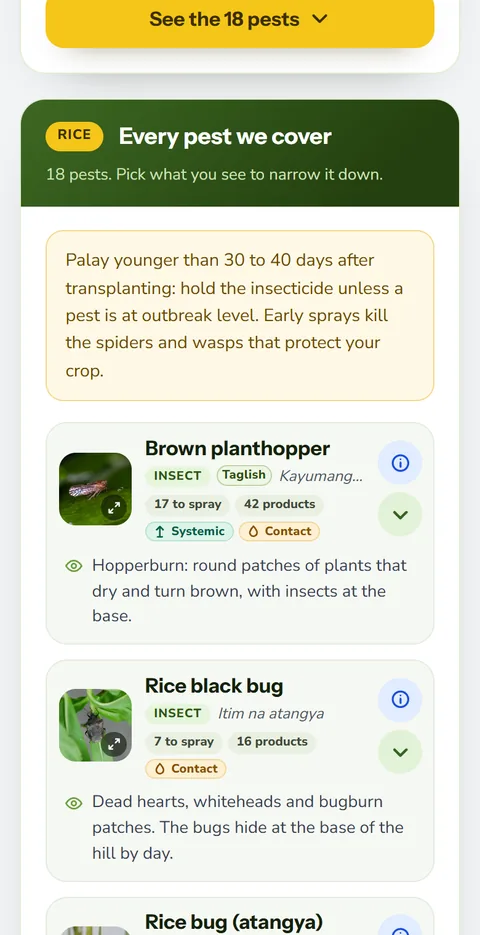
Rice pests
- Brown planthopper: the sap sucker behind hopperburn, and why an early spray can make it worse
- Rice black bug: the itim na atangya that hides at the base of the hill and leaves bugburn
- Rice bug: the atangya that empties milky grains, with counts that tell you when to act
- Rice leaffolder: the mambibilot that folds leaves, and when its damage really matters
- Rice insects: the main pests by crop stage, and the spiders and wasps that eat them for free
Corn pests
- Fall armyworm: the caterpillar first reported in Cagayan in 2019, and how to scout for it
- Asian corn borer: the stalk borer, with detasseling, Trichogramma and Bt corn
- Cutworm: the night feeder that cuts corn seedlings and young vegetable stems
Diseases, tiny pests and weeds
- Sheath blight: the sheath blight disease of dense, well fed palay in hot, humid weather
- Anthracnose: black, sunken spots on mango, rotting sili and the kulot of onion
- Fusarium wilt: Panama disease in banana and wilt in tomato
- Thrips: the thrips insect behind silvery onion leaves and curled sili
- Hanip, mites and aphids: what hanip means in the field, and how to control mites and aphids
- Common weeds in the Philippines: the grasses, sedges and broadleaves of rice and corn, with their local names
How to use the guides in the field
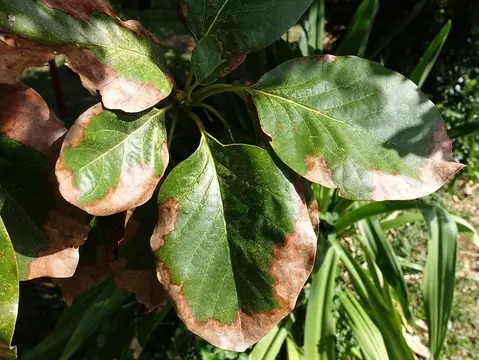
Start with what you see, not with a chemical. Walk the field, note the crop stage and look closely at the leaf, the stem and the base of the hill. Then match it against the guide. Many problems look alike from the road. A brown patch in palay (rice still in the husk) may be hopperburn, bugburn or a disease, and each needs a different answer. Our rice insects guide shows how to tell an insect from a disease before you spray.
Look and take a photo
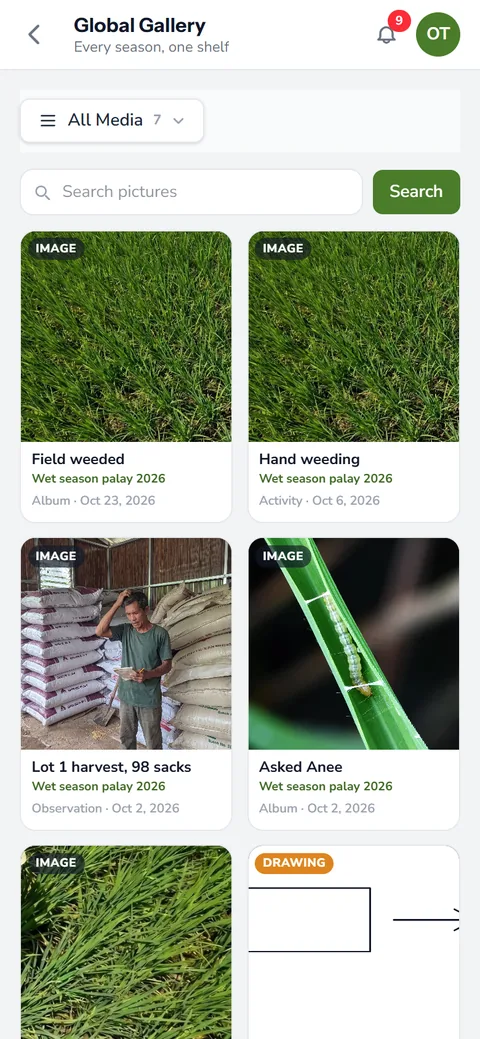
Take a sharp photo in daylight of the damage and, if you can, of the insect itself.
Match it to a guide
Compare the signs, the crop stage and the recent weather with what the guide describes.
Check if it pays to act
Several guides give counts or damage levels before a spray pays off. Below that, natural enemies often do the job for you.
Follow the label
If you must spray, use a product registered for that crop and pest, and follow its label. Our page on the Fertilizer and Pesticide Authority explains the registration.
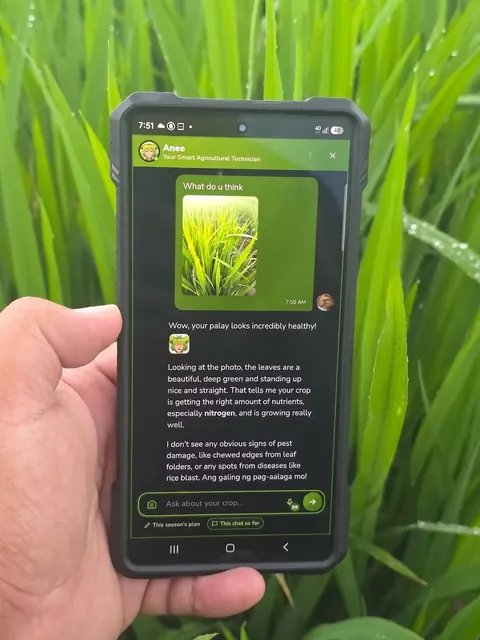
Not sure? Ask with a photo
When you cannot tell, a plan with Anee lets you send the photo to Anee, the smart farm technician in anee.io. She looks at the picture, weighs it against your crop and its stage, and tells you what she sees and what to check next. Treat her reading as a first opinion, and call your municipal agriculturist for a serious outbreak.
From the guide to your board
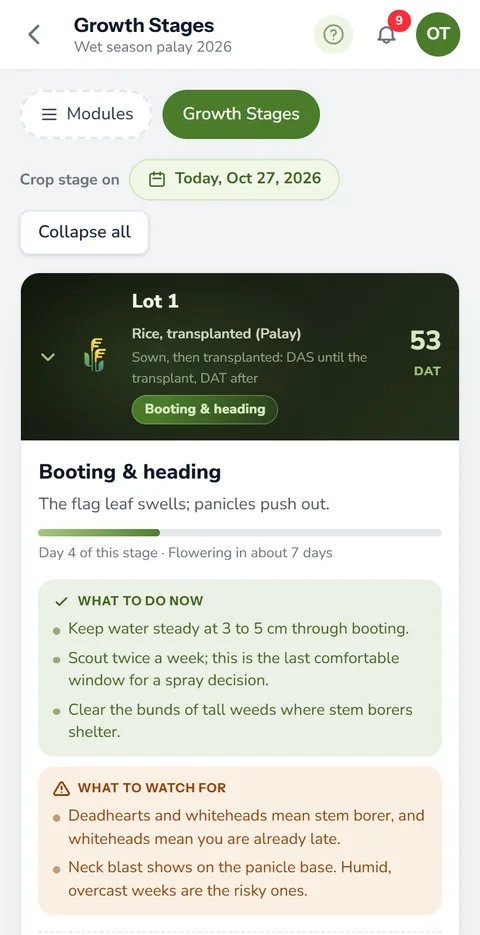
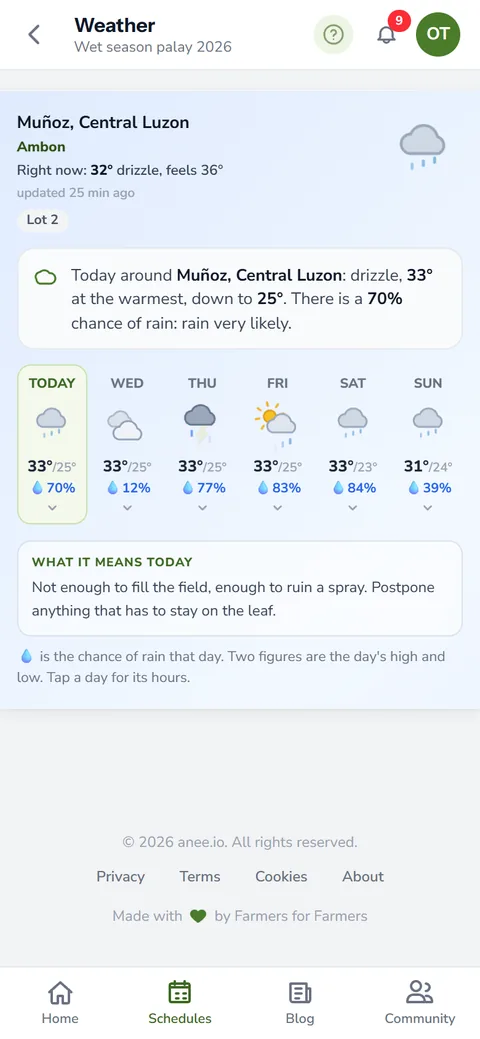
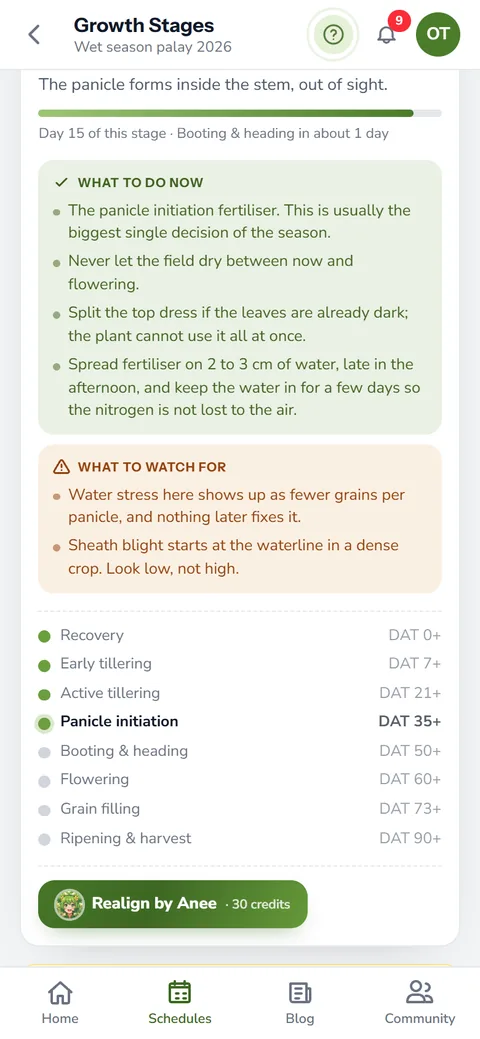
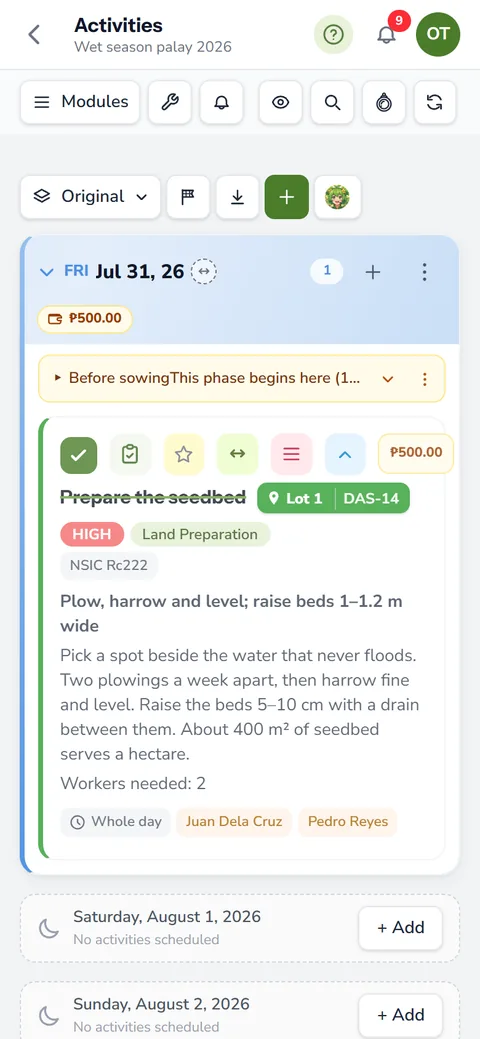
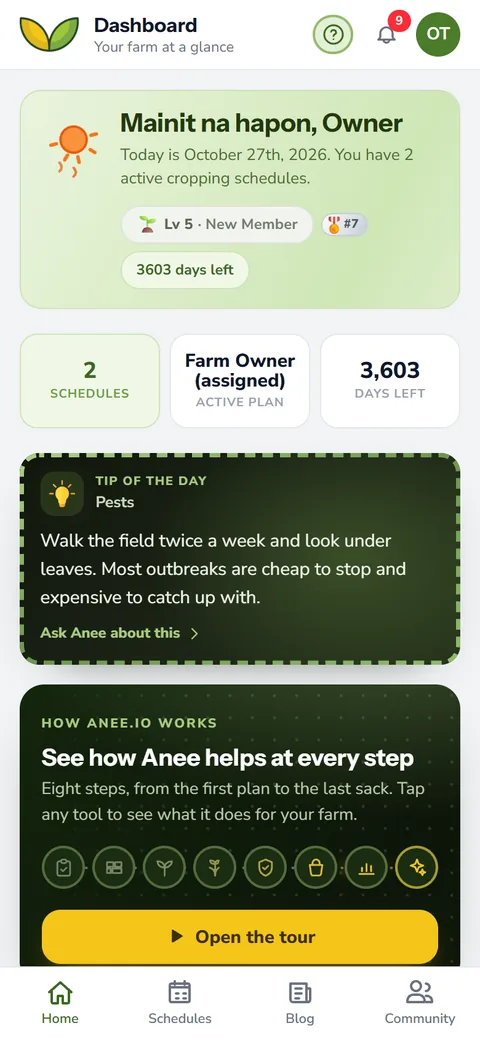
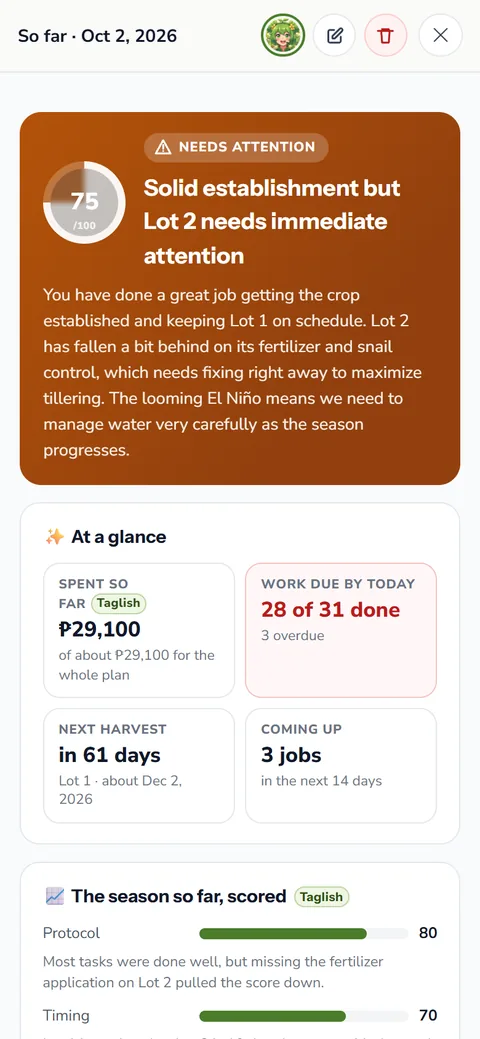
The guides tell you what to watch for, and anee.io helps you watch at the right time. Growth stages and weather lists what to look for at each lot's stage. Anee's tip of the day may name the pest of the week, like the rice black bug at tillering. Put each scouting walk or spray on today on the board so it gets a date and a tick.
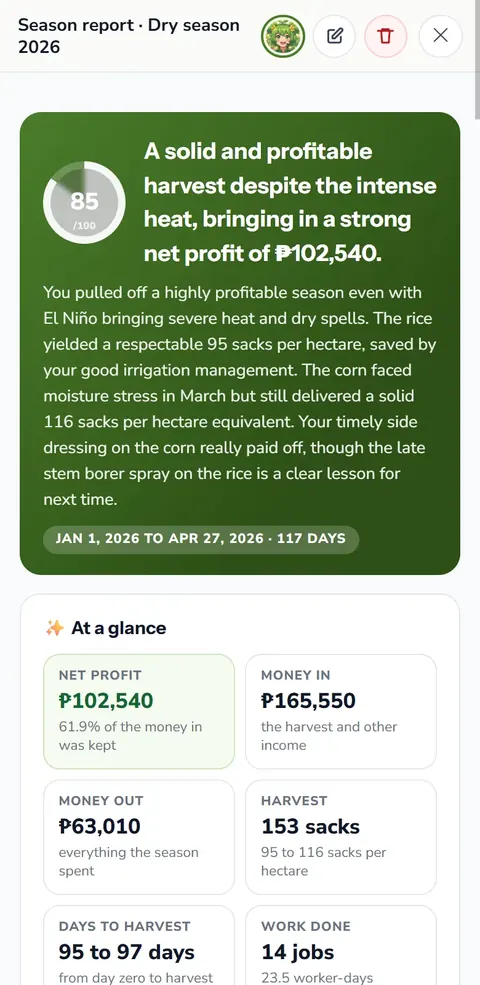
Halfway through the season, Analyze So Far weighs the risks ahead for each lot. When one of those risks is a pest or a disease, the matching guide is one tap away.
A wrong spray costs money and kills the spiders and wasps that keep pests down. Confirm the problem first, use only FPA registered products and follow the label for the rate, the timing and your safety.
How the crop problem guides helps your crops and your farm
- Know what you are looking at. Pictures and signs help you name the pest, the disease or the weed before you buy anything.
- Spray less, and spray right. The guides say what to do first and which active ingredients work, so you skip the sprays that will not help.
- Prevent the next attack. Each guide carries what to do before the problem comes back next season.
- Free to read in the field. The guides open on your phone, so the answer is with you where the problem is.
Register for free to read every guide in full, and to see each lot's stage, what to watch for and a daily tip on your phone.
Start free