Fall Armyworm in Corn: How to Spot, Scout and Manage It
The fall armyworm (Spodoptera frugiperda) is a caterpillar that chews corn from the seedling stage to the ear. The first Philippine report came in June 2019, from Piat, Cagayan. By October 2019 it had reached 83 towns and cities in 15 regions. This guide shows how to recognize it, scout your field, and combine natural enemies with the right insecticides.
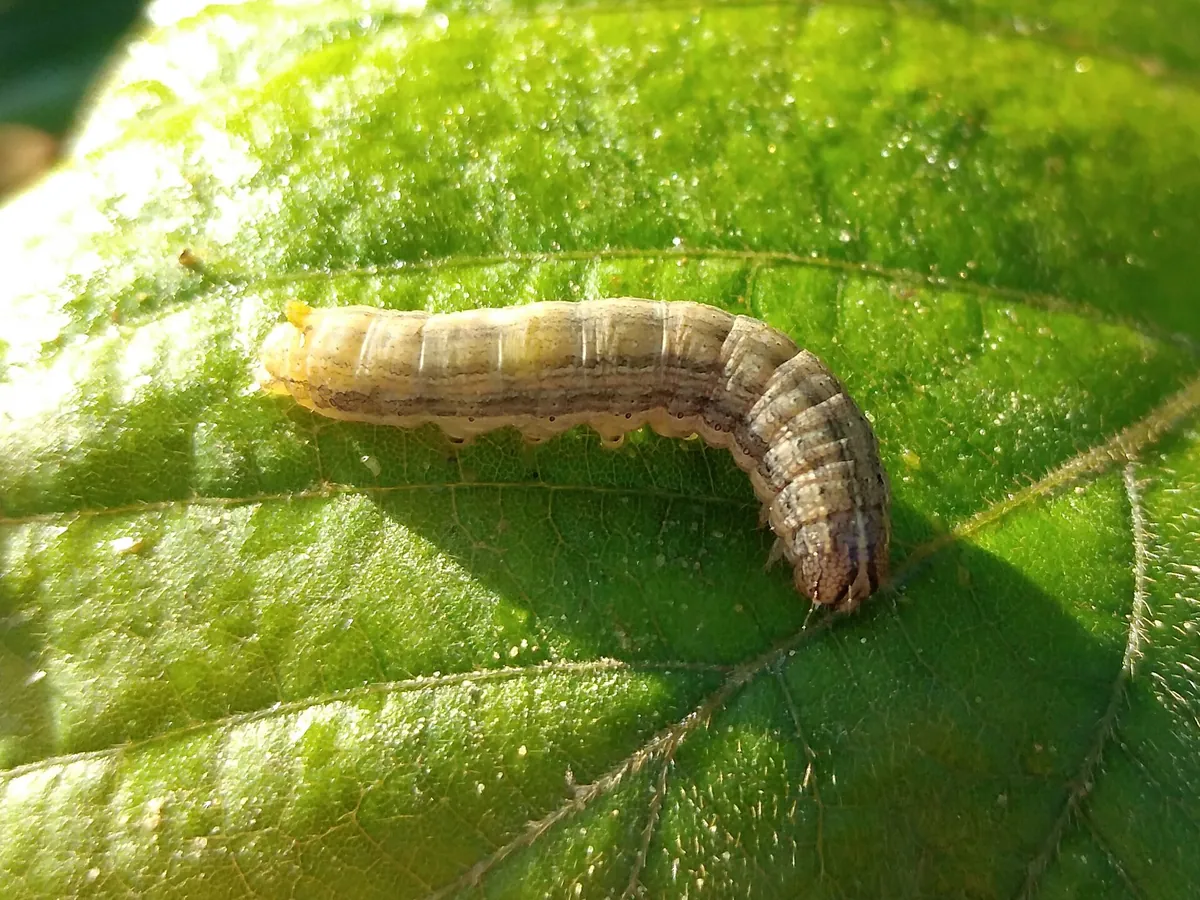
What the fall armyworm is
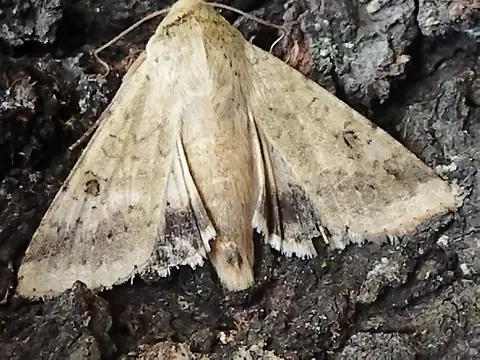
The fall armyworm is the larva of a night flying moth native to the Americas. It prefers corn, but it also feeds on rice, sorghum, sugarcane and some vegetables.
In the Philippines, the first suspected case came from a cornfield in Piat, Cagayan on June 20, 2019. Scientists confirmed the species by DNA barcoding. Four months later the pest was in 83 towns and cities across 15 regions, according to the country report filed with the IPPC.
The Bureau of Plant Industry now leads a National Fall Armyworm Action Plan. It covers monitoring with pheromone traps, biological control, farmer training and research.
How to identify fall armyworm
- Eggs. Clusters of about 120 to 200 under the lower leaves, coated with scales from the moth's body.
- Young larvae. Small and greenish, feeding in groups. They scrape the leaf surface so it looks like a thin window.
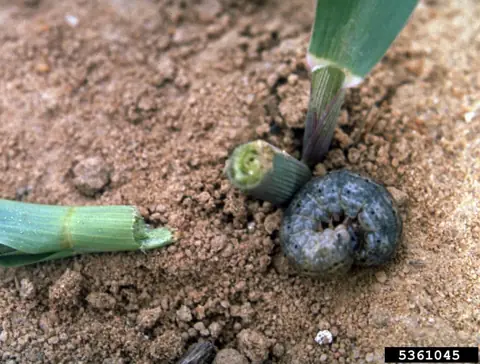
- Older larvae. Brown to dark, up to 4 or 5 cm long, with three pale lines along the back and dark spots that carry short spines.
- The two marks that settle it. A pale Y on the head that stands on its arms, and four black dots forming a square on the body's last segment.
- Damage. Ragged holes in whorl leaves, eaten edges, and wet frass that looks like sawdust in the whorl. Later, larvae bore into the ears.
Fall armyworm damage on corn
Damage builds fastest at the whorl stage. The larvae hide deep in the funnel of young leaves and eat them before they open. On seedlings, they can also cut the plant at the base.
After that, they move to the tassels and bore into the ears. The USDA 2024 report on the Philippines says fall armyworm has severely hurt corn through stunting and damage to tassels and kernels, which cuts grain quality and yield.
Good control pays. In a Cagayan Valley IPM demonstration reported in May 2025, the IPM plot yielded 7,781 kg per hectare in the dry season. The usual farmer practice next to it yielded 2,417 kg.
How to scout your field
Walk a W
Walk the field in a W pattern and stop at five points. At each stop, check 10 plants in a row, for 50 plants in all.
Count infested plants
Count plants with fresh whorl damage or live larvae. Then multiply by two to get the percent of plants infested.
Check for eggs
Turn over lower leaves and crush any egg masses you find by hand.
Repeat every week
Scout at least once a week from emergence to tasseling, and more often when your pheromone trap starts catching moths.
Decide
In the Cagayan Valley IPM protocol, farmers used chemical insecticides only when infestation passed 10 percent.
On anee.io you can put a weekly scouting task on the Activities board for every lot, dated from its own planting day. If you are not sure what you found, take a photo and ask Anee, the smart farm technician, in Tagalog or English.
Managing fall armyworm
Cultural control
- Plant together with the farms around you, and avoid planting next to older corn that already carries larvae.
- Keep the field and borders free of weeds, and follow balanced fertilization.
- Crush egg masses and young larvae by hand while you scout.
- Rotate crops when you can, and plow under infested stubble after harvest.
Natural enemies
The Cagayan Valley IPM protocol starts biological control early. Earwigs (Euborellia) go out at about 10,000 per hectare within five days after planting. Trichogramma chilonis cards follow at 50 per hectare between days 5 and 10. After that, sprays of Metarhizium and Beauveria, two fungi that infect caterpillars, come at set intervals.
Birds, ants, beetles and wild earwigs also eat larvae. So avoid broad spectrum sprays early in the season that would kill them too.
Insecticides by active ingredient
Pick by active ingredient and group, not by brand, and rotate groups between sprays to slow resistance. Aim the spray into the whorl, where the larvae hide, and hit them while they are small.
Active Ingredients on Philippine Labels
| Active ingredient | IRAC group | On Philippine labels |
|---|---|---|
| Chlorantraniliprole | IRAC 28 | A first choice. 10 registered products name it on corn. |
| Bacillus thuringiensis aizawai | IRAC 11A | A first choice. 2 registered products name it on corn. |
| Emamectin benzoate | IRAC 6 | A first choice. 2 registered products name it on corn. |
| Spinetoram | IRAC 5 | A first choice. 2 registered products name it on corn. |
| Chlorantraniliprole plus thiamethoxam | IRAC 28 plus 4A | A sound second choice. 6 registered products name it on corn. |
| Bacillus thuringiensis kurstaki | IRAC 11A | A sound second choice. 2 registered products name it on corn. |
| Cyantraniliprole | IRAC 28 | A sound second choice. 2 registered products name it on corn. |
| Indoxacarb | IRAC 22A | A sound second choice. 2 registered products name it on corn. |
| Lufenuron | IRAC 15 | A sound second choice. 2 registered products name it on corn. |
| Pyridalyl | IRAC UN | A sound second choice. 2 registered products name it on corn. |
The table stops at the ten best. 8 more on Philippine labels for it are older or broad chemistry. The Pest Finder in anee.io lists every one, crop by crop, with the products sold here.
Resistance. Fall armyworm reached Asia carrying resistance to pyrethroids, organophosphates and carbamates, and some fields in China now respond less to chlorantraniliprole. Use one group for about 30 days, the life of one generation, then switch: 28, then 5 or 6, then 22A or 15. A group 28 seed treatment counts as the first window.
| Active ingredient (IRAC group) | Example product | What it covers on corn |
|---|---|---|
| Chlorantraniliprole (28) | Virtako 40 WG, Prevathon 5SC | Labels list fall armyworm on corn. Also used in the Cagayan Valley IPM protocol |
| Spinetoram (5) | Several brands | Also used in the same protocol |
| Emamectin benzoate (6) | Proclaim Opti 5 WG | Label lists Asiatic corn borer, cutworm, earworm and fall armyworm |
| Lufenuron (15) | Match 050 EC | Label lists fall armyworm |
| Lambda cyhalothrin (3A) | Karate 2.5 EC | Label lists corn borers, aphids and seedling maggots, with armyworms only on rice |
| Cypermethrin (3A) | Cymbush 5 EC | Label lists borers and earworms, with armyworm only on rice |
Note the last two rows. The insecticide Karate and the pyrethroid in Cymbush are familiar names at the agrivet store. But their Syngenta Philippines labels do not list fall armyworm on corn, and the Pacific pests fact sheet notes that the moth reached Africa already resistant to pyrethroids, among other insecticides. Ask your technician whether resistance is a problem in your area.
So choose a product whose FPA registered label names this pest on corn, and follow its rate and harvest interval. Read more in our guide to Karate, Cymbush and Selecron.
Only spray products registered with the Fertilizer and Pesticide Authority for your crop and pest. The label gives the rate, the interval between sprays and the days to wait before harvest. Wear protective gear, and keep children and animals away from treated rows.
Fall armyworm or Asian corn borer?
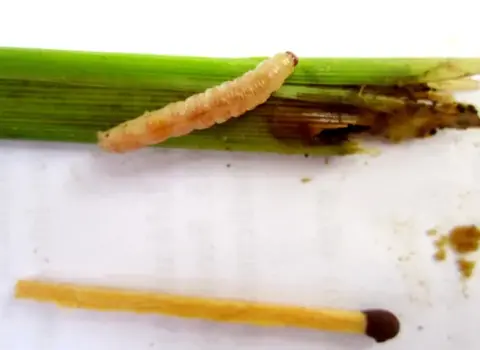
Both caterpillars attack the whorl, so farmers often mix them up. The Asian corn borer larva is creamy to pinkish with dark spots, and it tunnels into the stalk. The FAW larva is darker, carries the upside down Y and the four dots, and feeds in the whorl without boring the stem, as the ASEAN FAW Action program notes. Name the pest first, because Trichogramma timing and labels differ between the two.
Put weekly scouting on your cropping calendar, log what you find with photos, and ask Anee in Tagalog or English when you are not sure what you are looking at.
Try anee.io freeFall armyworm FAQ
When did fall armyworm reach the Philippines?
Does Bt corn stop fall armyworm?
Can I use Karate or Cymbush on fall armyworm?
Does fall armyworm attack rice too?
- IPPC: Report of first detection of fall armyworm in the Philippines (2019)
- USDA FAS: Philippines Agricultural Biotechnology Annual 2024
- Pacific Pests, Pathogens and Weeds: Fall armyworm fact sheet
- ASEAN FAW Action: Stem borers of maize
- Syngenta Philippines: Proclaim Opti 5 WG label
- Syngenta Philippines: Match 050 EC label
- Syngenta Philippines: Karate 2.5 EC label
- Syngenta Philippines: Cymbush 5 EC label
Stop Fall Armyworm from costing you the harvest
With Libre + Anee, read the whole guide: how to be sure it is this pest, when it pays to act, and what to spray, by active ingredient.
The account is free, no credit card.