Rice Armyworm: Chewed Leaves, Cut Panicles and Control
The rice armyworm is a night feeding caterpillar that strips rice leaves and cuts young seedlings and panicles. A field can look chewed in a few days. This page shows how to find rice armyworm, how to stop it with cultural steps and when a spray is the last resort.
What Is Rice Armyworm?
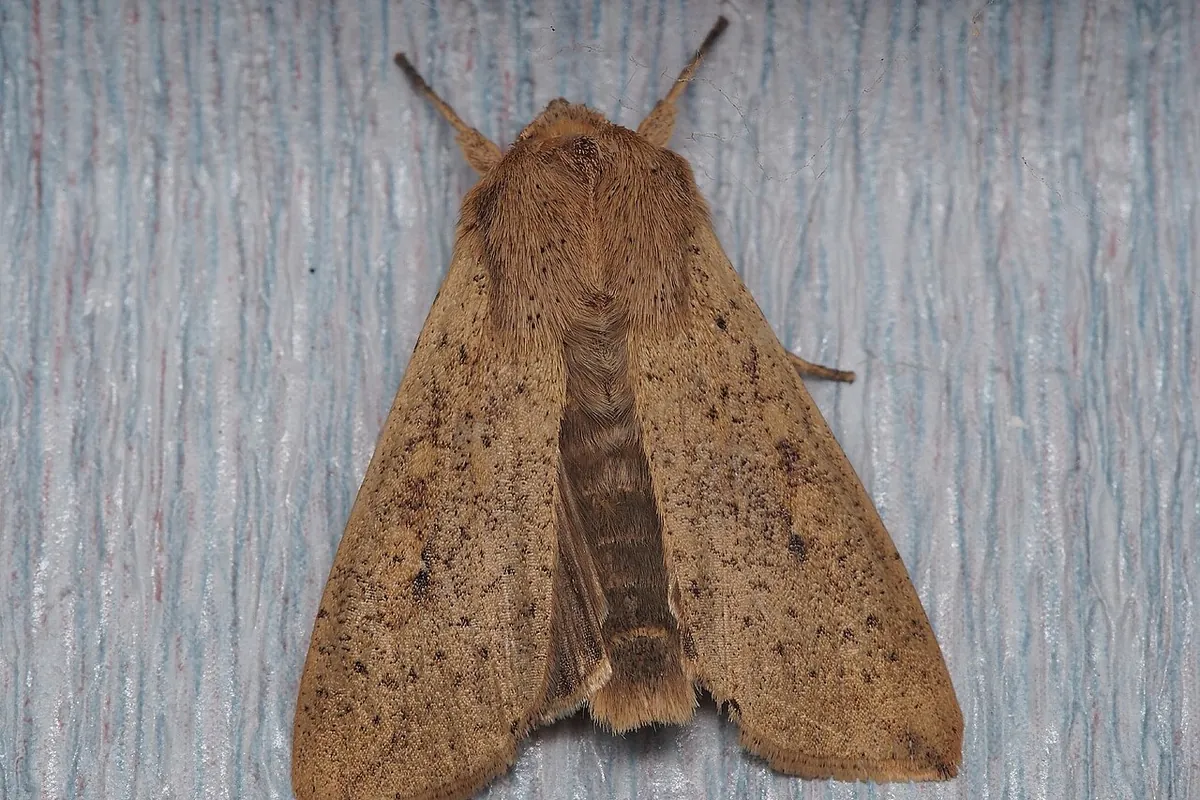
At least three armyworm species attack rice in Asia. The rice ear cutting caterpillar (Mythimna separata), the rice swarming caterpillar (Spodoptera mauritia) and the common cutworm (Spodoptera litura) are the ones named in the sources. They also attack corn, sorghum and sugarcane. Our fall armyworm page covers the corn pest, which is a different insect.
The caterpillars come out at night. In the daytime they hide low on the hills or down in cracks in the soil. They are active on cloudy days or at night in the upper canopy. So a farmer may see only the damage, not the pest.
| Fact | Details |
|---|---|
| Name | Rice armyworm |
| Scientific name | Mythimna separata, Spodoptera mauritia |
| Kind | Insect |
| Crops it attacks | Rice, corn |
| Local names | None recorded |
| Where it strikes | Leaves, panicles and ears and seedlings |
| When it strikes | From the seedbed to grain filling, often after a dry spell followed by heavy rain. |
| Life cycle | Moths lay eggs in rows on the leaf blades, and the caterpillars hide at the base of the plants by day and feed at night or on cloudy days. |
How to Identify Rice Armyworm
Look for leaves eaten down to the midrib, leaving only the veins. Check the base of the hills and the soil cracks at dawn, where the caterpillars hide. Full grown larvae are about 40 millimeters long, with a thin yellowish white line down the back. Panicles that bend over or collapse, cut at the base, point to the ear cutting caterpillar. Do not confuse it with the rice leaffolder, which folds the leaf and stays inside.
- Leaves are chewed away, often including the veins, leaving only the midribs.
- Young seedlings are cut off at the base of the plant.
- Panicles are cut at the base, so they bend over or collapse at grain filling.
- Rows of eggs sit on the leaf blades.
- Fat caterpillars with a pale stripe hide at the base of the hills or in soil cracks by day.
Cutworms also cut seedlings at the base. Look at the cutworm page. The armyworm also eats the panicle, while the rice leaffolder stays inside a folded leaf.
How Rice Armyworm Hurts Your Palay
Armyworms feed on the leaves and the panicle, so a heavy attack can strip a field fast. The sources we read give no percent yield loss and no action threshold, so we state none. Periods of drought followed by heavy rain, and many alternate host plants, help the pest build up.
Check the field each week during the seedbed and grain filling stages. Write down how many hills show fresh cut leaves, and compare with the weather in the growth stages and weather view.
How to Control Rice Armyworm
- Set up the seedbed far from weedy areas, and plow fallow land.
- Remove weeds in and around the field, especially grasses.
- Flood the seedbed. It is the best defense.
- Put ashes in trenches to stop the caterpillars from moving, and set branches around the field so you can hand collect them.
- Spare the natural enemies. Wasps, tachinid flies, spiders and birds feed on armyworms, so do not kill them with early sprays.
- Plow the field after harvest and keep a weekly check, so you see the first caterpillars while they are small.
When a Spray Makes Sense
Spray only at outbreak level, since insecticide is the last resort for armyworm. The Pacific Pests fact sheet says synthetic pyrethroids are likely to be effective, but they also kill natural enemies. No source we opened names one ingredient for the Philippines, so ask your agriculture office which registered product to use. Never spray in the first 30 to 40 days after transplanting unless the outbreak is true.
Active Ingredients on Philippine Labels
| Active ingredient | IRAC group | On Philippine labels |
|---|---|---|
| Tebufenozide | IRAC 18 | A first choice. 1 registered product names it on rice. |
| Tetraniliprole | IRAC 28 | A first choice. 1 registered product names it on corn. |
| Lambda cyhalothrin | IRAC 3A | A sound second choice. 91 registered products name it on rice. |
| Cypermethrin | IRAC 3A | A sound second choice. 4 registered products name it on rice. |
| Methomyl | IRAC 1A | Older or broad chemistry: a last resort. 58 registered products name it on rice. |
| Malathion | IRAC 1B | Older or broad chemistry: a last resort. 40 registered products name it on rice. |
| Fenobucarb (BPMC) plus chlorpyrifos | IRAC 1A plus 1B | Older or broad chemistry: a last resort. Registered products name it on rice and corn. |
| Carbaryl | IRAC 1A | Older or broad chemistry: a last resort. Registered products name it on rice and corn. |
| Chlorpyrifos | IRAC 1B | Older or broad chemistry: a last resort. Registered products name it on rice and corn. |
| Phenthoate plus fenobucarb (BPMC) | IRAC 1B plus 1A | Older or broad chemistry: a last resort. 2 registered products name it on rice. |
The table stops at the ten best. 1 more on Philippine labels for it are older or broad chemistry. The Pest Finder in anee.io lists every one, crop by crop, with the products sold here.
Use only products registered with the Fertilizer and Pesticide Authority, and follow the label for the rate, the timing and the protective clothing. Switch to a different insecticide group next time, so the pest does not learn to survive it. Our guide to integrated pest management explains how.
Keep It Out Next Season
- Set the seedbed far from weedy ground, and plow fallow land before the next crop.
- Remove weeds, above all grasses, in and around the field and on the bunds.
- Flood the seedbed when caterpillars appear. It is the best defense and drowns or drives them up for picking.
- Dig a trench with ashes across the path of marching caterpillars, and lay branches around the field to collect them by hand.
- Plow the field after harvest and keep checking weekly, so you see the first caterpillars while they are small.
Natural Enemies and Biological Help
- Wasps, tachinid flies, spiders and birds feed on armyworms. Early sprays kill them.
- Where Bt or an armyworm virus (NPV) product is sold, aim it at young caterpillars.
Not Sure What You Are Seeing?
Take a clear photo of the insect, the damage and the whole plant, then ask Anee, the smart farm technician in anee.io, in Tagalog or English. Anee tells you what it most likely is and what to do at the age of your crop. You can also put your scouting days on the cropping calendar, so the team knows when to walk the field.
anee.io keeps your scouting, spraying and harvest on one calendar, and Anee answers when something looks wrong.
- Scouting days dated from each lot's own planting day
- Photos and notes for every lot
- Anee, the smart farm technician, in Tagalog or English
Questions Farmers Ask About Rice Armyworm
Why do I never see the caterpillars?
What is the best defense in the seedbed?
Should I spray right away?
Stop Rice Armyworm from costing you the harvest
With Libre + Anee, read the whole guide: how to be sure it is this pest, when it pays to act, and what to spray, by active ingredient.
The account is free, no credit card.