Rice Stem Borer: Deadhearts, Whiteheads and How to Stop Them
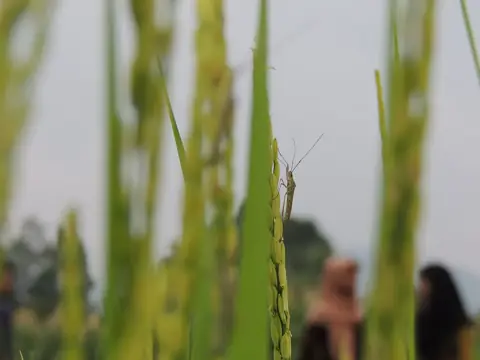
The rice stem borer is a group of moths whose larvae tunnel inside the stem of palay. They cause deadhearts before flowering and whiteheads after it. This page shows the signs, the damage and what to do first, long before any spray.
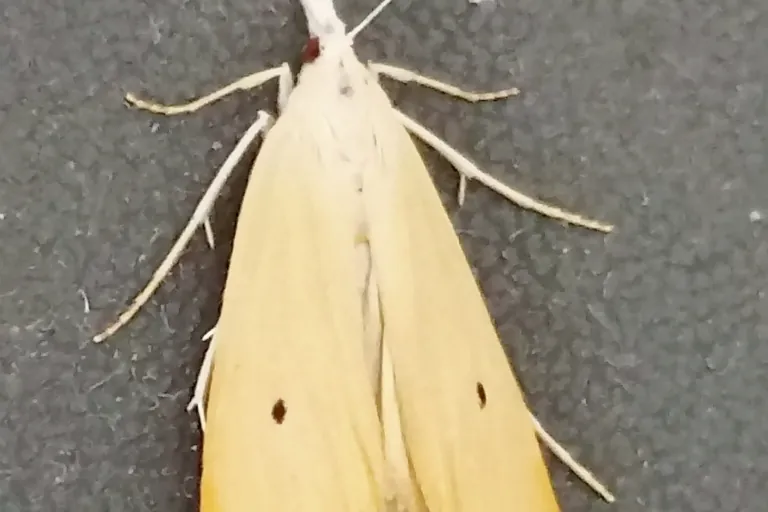
What Is Rice Stem Borer?
Six stem borer species attack rice in Asia. The yellow stem borer (Scirpophaga incertulas) and the white stem borer (Scirpophaga innotata) are the best known. The striped stem borer (Chilo suppressalis), the gold fringed, the dark headed and the pink stem borer complete the list. All of them are moth larvae that live and feed inside the stem.
Stem borers are among the five major rice insect pests of the country. A 2026 warning expected heavy attacks in Bicol, Central Luzon and Northern Mindanao in the early months of that year. So every palay farmer should know the signs, because a borer can hurt the crop from seedling to maturity.
| Fact | Details |
|---|---|
| Name | Rice stem borer |
| Scientific name | Scirpophaga incertulas, Scirpophaga innotata, Chilo suppressalis |
| Kind | Insect |
| Crops it attacks | Rice |
| Local names | None recorded |
| Where it strikes | Stems and tillers and panicles and ears |
| When it strikes | From seedling to maturity, with deadhearts before flowering and whiteheads after it. |
| Life cycle | Moths lay egg masses on the leaves, the young larvae bore into the stem, and the pest can survive in stubble and volunteer rice between crops. |
How to Identify Rice Stem Borer
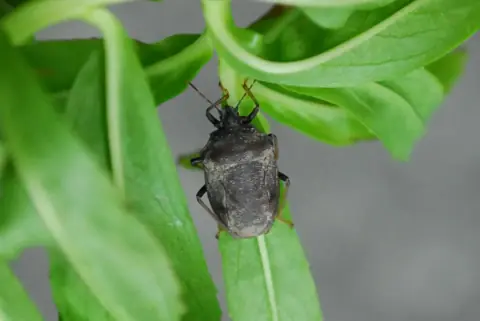
Pull the central shoot of a suspect tiller. If it comes out easily and the base is rotten or bored, you have a deadheart. Split the stem and look for the larva, tiny holes and frass, which is the powdery waste it leaves inside. Later, a panicle that is white and empty while the leaves are still green is a whitehead. Do not mix it up with the rice bug or with the rice whorl maggot, which only scrapes the leaves and does not tunnel the stem.
- The central shoot dries up and pulls out easily, which is a deadheart.
- A panicle turns white or pale and carries no filled grain, which is a whitehead.
- Tiny holes appear on the stem, with frass inside the tissue.
- Egg masses sit on the leaves of the seedbed and the young plants.
- Larvae in small tubes made of leaf wrappings float on the water and attach themselves to tillers.
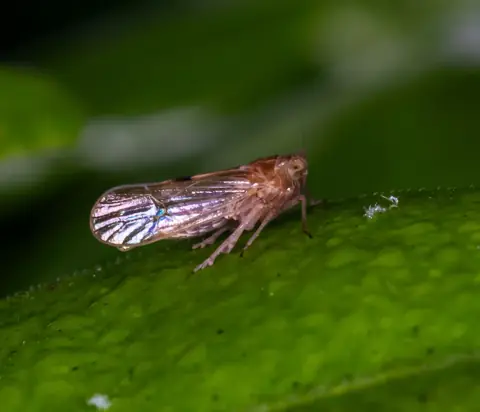
Deadhearts can look like damage from the rice whorl maggot or from the rice black bug. Only the stem borer leaves a bored stem with frass and a larva inside.
How Rice Stem Borer Hurts Your Palay
Stem borers can destroy rice at any growth stage, from seedling to maturity. Deadhearts take away tillers that would have carried grain. Whiteheads take away the panicle itself, so the grain is lost completely.
We found no official percent yield loss for the Philippines, so we do not state one. Timing still matters. Rice hit during the vegetative and tillering stages can still recover, while a whitehead after flowering is lost for good. For the spray decision, use the light trap and the egg jar test below. Count the deadhearts and whiteheads in each lot every week, write them in your notes and compare season with season.
How to Control Rice Stem Borer
- Prepare the land well. Plow and flood the field, and remove stubble and volunteer rice so the larvae have nowhere to wait.
- Plant together with the farms around you. Synchronous planting with the right timing breaks the supply of tillers for the moths.
- Check the seedlings before you pull them. If the leaves carry many egg masses, collect the eggs by hand before transplanting. Do not cut the leaf tops instead, because cut leaves let disease organisms in.
- Handpick and destroy egg masses in the seedbed and at transplanting. Raise the irrigation water now and then to drown eggs laid on the lower part of the plant.
- Split the nitrogen fertilizer into doses as recommended, and harvest at ground level so less stubble remains.
- Protect the natural enemies. Many wasps, lady beetles, ground beetles, earwigs, spiders and dragonflies feed on eggs and larvae, so avoid early spraying. See our guide on integrated pest management.
When to Act: the Light Trap and the Egg Jar Test
Watch the moths
From panicle initiation on, run a light trap at night and count the stem borer moths it catches. A rising catch tells you that egg laying is under way.
Collect egg masses
If the moths are many from booting to flowering, many eggs are likely in the field too. Collect some stem borer egg masses from the leaves, put them in a jar, cover it and wait for them to hatch.
Read the jar
If more borer larvae than tiny wasps come out, a contact or stomach insecticide is needed. If the wasps outnumber the larvae, the natural enemies are winning, so hold the spray.
Help hit plants recover
After deadhearts, keep the field free of drought stress and weeds. Add fertilizer too, so the crop recovers.
When a Spray Makes Sense
Rice stem borers are best held down by resistant varieties and the steps above. If a spray is truly needed, ask your agricultural technician first, use only a product registered for rice, and never spray in the first 30 to 40 days after transplanting unless the pest is at outbreak level. Early sprays kill spiders and wasps and invite planthopper outbreaks. Let the jar test, not the look of the damage, make that call. Our guide on when to spray rice pests puts the stem borer next to the other rice pests.
| Active ingredient | IRAC group | On Philippine labels |
|---|---|---|
| Cartap hydrochloride | IRAC 14 | A first choice. 85 registered products name it on rice. |
| Chlorantraniliprole | IRAC 28 | A first choice. 40 registered products name it on rice. |
| Chlorantraniliprole plus thiamethoxam | IRAC 28 plus 4A | A sound second choice. 8 registered products name it on rice. |
| Flubendiamide | IRAC 28 | A sound second choice. 2 registered products name it on rice. |
| Tetraniliprole | IRAC 28 | A sound second choice. 2 registered products name it on rice. |
| Thiosultap (dimehypo) | IRAC 14 | A sound second choice. 2 registered products name it on rice. |
| Cyclaniliprole | IRAC 28 | A sound second choice. 1 registered product names it on rice. |
| Isocycloseram | IRAC 30 | A sound second choice. 1 registered product names it on rice. |
| Tebufenozide | IRAC 18 | A sound second choice. 1 registered product names it on rice. |
| Tetraniliprole plus thiacloprid | IRAC 28 plus 4A | A sound second choice. 1 registered product names it on rice. |
The table stops at the ten best. 20 more on Philippine labels for it are older or broad chemistry. The Pest Finder in anee.io lists every one, crop by crop, with the products sold here.
Resistance. Striped stem borer in China now resists the diamides (IRAC 28) after years of heavy use. Do not use group 28 on two crops in a row. Switch with cartap (IRAC 14).
Use only products registered with the Fertilizer and Pesticide Authority, and follow the label for the rate, the timing and the protective clothing. Switch to a different insecticide group next time, so the pest does not learn to survive it. Our guide to integrated pest management explains how.
Keep It Out Next Season
- After harvest, plow and flood the field and cut stubble low, so the larvae resting in old stems die.
- Plant in the same weeks as your neighbors and keep a fallow gap, so the moths find no young tillers between crops.
- Pick egg masses off the seedlings before you pull them, and raise the water now and then to drown eggs laid low on the plant.
- Split the nitrogen into doses. Heavy early nitrogen gives soft, lush tillers that the moths prefer.
- Use a resistant or tolerant variety where your technician can supply one, and remove ratoons and volunteer rice.
Natural Enemies and Biological Help
- Egg wasps (Trichogramma, Telenomus, Tetrastichus) destroy many egg masses. Protect them by not spraying early.
- Where Trichogramma cards are sold, pin them in the field when the moths start laying.
- Spiders, lady beetles, ground beetles, earwigs and dragonflies eat the larvae and moths.
Not Sure What You Are Seeing?
Take a clear photo of the insect, the damage and the whole plant, then ask Anee, the smart farm technician in anee.io, in Tagalog or English. Anee tells you what it most likely is and what to do at the age of your crop. You can also put your scouting days on the cropping calendar, so the team knows when to walk the field.
anee.io keeps your scouting, spraying and harvest on one calendar, and Anee answers when something looks wrong.
- Scouting days dated from each lot's own planting day
- Photos and notes for every lot
- Anee, the smart farm technician, in Tagalog or English
Questions Farmers Ask About Rice Stem Borer
What is the difference between a deadheart and a whitehead?
Can I see the borer from outside the stem?
Should I spray as soon as I see deadhearts?
What is the egg jar test for stem borer?
Stop Rice Stem Borer from costing you the harvest
With Libre + Anee, read the whole guide: how to be sure it is this pest, when it pays to act, and what to spray, by active ingredient.
The account is free, no credit card.