Typhoon Preparation for Farmers: How to Protect Your Crop Before Harvest
Typhoon preparation for farmers starts the moment PAGASA raises a wind signal: harvest any crop that is mature, clear the drains, move seed, inputs, animals and machines to higher ground, and plan how to dry wet palay within a day. Signal 1 gives about 36 hours of warning, and even that level can damage rice at flowering and ripening. anee.io, a farm app built for Filipino farmers, shows typhoon tracks against your own farm and tells you each lot's age, so you can decide what to harvest first.
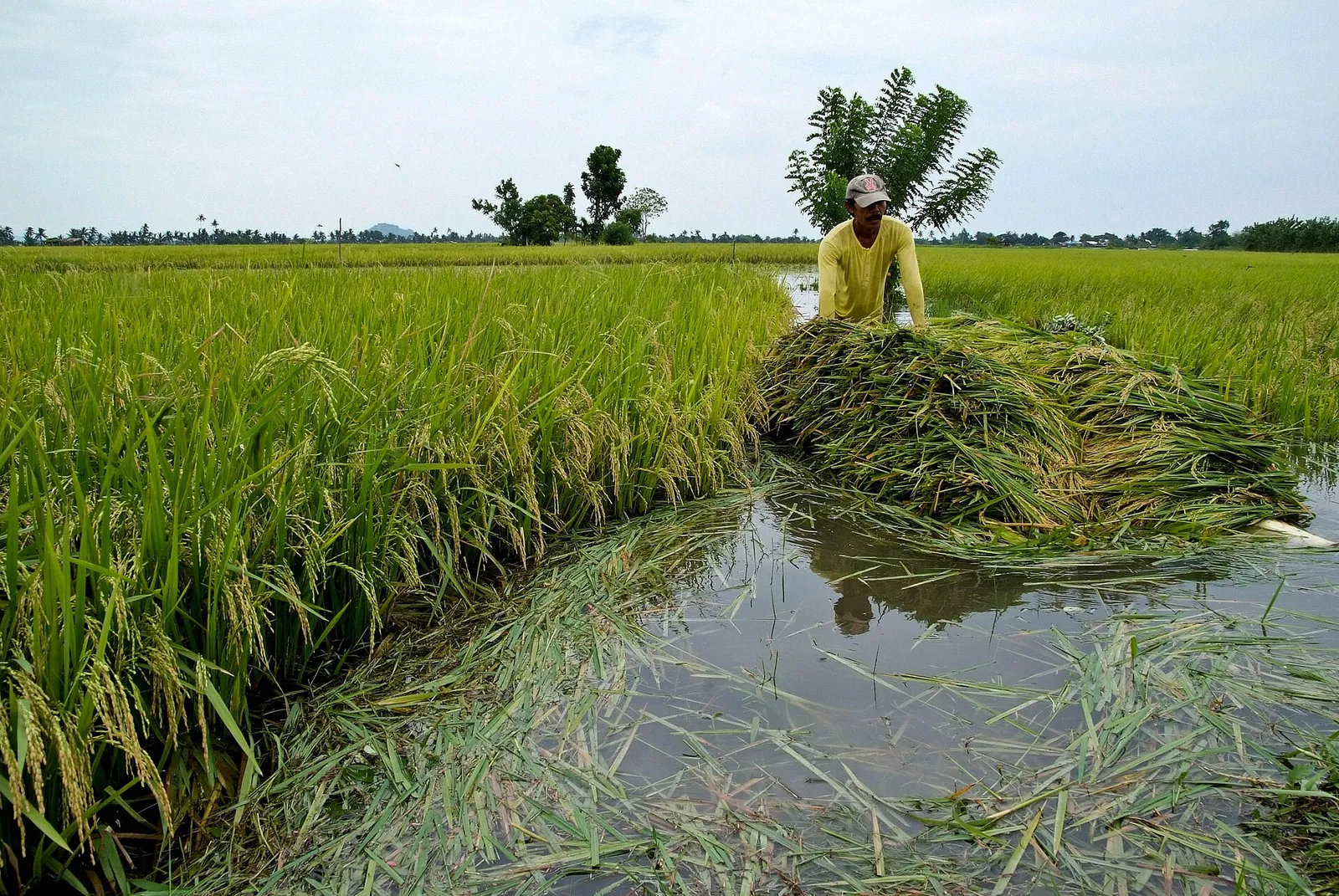
A bagyo near harvest is the worst timing a farmer can get. The crop is full, the money is spent, and one night of wind and flood can flatten it. You cannot stop the storm. But the hours before it hits decide how much you keep.
This guide to typhoon preparation for farmers follows the order of a real storm: the warning, the early harvest, the last day of work, and the first day after.
- Each wind signal has a lead time: 36 hours for Signal 1, 24 for Signal 2, 18 for Signal 3, and 12 for Signals 4 and 5.
- Palay is ready when 85 to 90 percent of the grains are golden yellow for hand harvest, or 90 to 95 percent for a combine.
- Harvest matured crops, secure seed and inputs, and move animals and machines to higher ground.
- After the storm, dry wet threshed palay within 24 hours, using a mechanical dryer if you can.
What do PAGASA wind signals mean for your crop?
There are five Tropical Cyclone Wind Signals. A higher number means stronger wind and less time to act. The lead time counts from the first time a signal goes up over your area. So when PAGASA raises Signal 1, you may have about a day and a half.
| Signal | Wind | Lead time | Possible damage to crops |
|---|---|---|---|
| 1 | 39 to 61 km/h | 36 hours | Rice at flowering and ripening may suffer some damage |
| 2 | 62 to 88 km/h | 24 hours | Considerable damage likely to rice at flowering and ripening |
| 3 | 89 to 117 km/h | 18 hours | Rice at flowering and ripening may suffer heavy damage |
| 4 | 118 to 184 km/h | 12 hours | Almost total damage to rice and other crops |
| 5 | 185 km/h or higher | 12 hours | Few trees, plants and crops will survive |
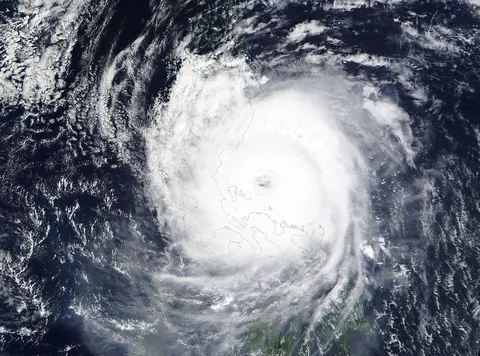
Do not wait for a signal over your own town to start. Follow the track while the storm is still far out at sea. Our guide on how to track typhoons near your farm explains the cone and the forecast points.
When should you harvest early before a typhoon?
Harvest early only a crop that is truly mature. For palay, the mark is 85 to 90 percent golden yellow grains for hand harvest, or 90 to 95 percent with a combine harvester. Grain cut too early is immature, and its milling recovery can fall as low as 53 percent.
Still, a mature crop left standing in a storm can lodge, shatter or sprout. That is why, ahead of bad weather, farmers should harvest matured crops and use postharvest facilities.
| Your crop | What to do |
|---|---|
| Palay at or near harvest maturity | Harvest now. Book the harvester and the dryer early, because everyone calls at once |
| Palay at flowering or milk stage | It cannot be harvested yet. Clear the drains so water leaves the field fast |
| Corn ready for harvest | Harvest and move it under a roof |
| Vegetables and fruit at market size | Pick what you can sell and store it dry and shaded |
| Young crops and seedbeds | Protect the seedbed and keep spare seed ready for replanting |
Check each lot's days after transplanting or sowing against the maturity on the seed bag. A lot planted ten days after its neighbor may not be ready yet.
Typhoon preparation for farmers: the last day before landfall
Watch the track twice a day
Read the PAGASA bulletin in the morning and at night. Note when the storm should pass nearest your town, not only where it makes landfall.
Harvest and haul what is ready
Bring harvested palay and corn under a roof the same day. Wet grain piled in the field heats up fast.
Clear drains and outlets
Clear drainage, irrigation canals and rice paddies of anything that blocks water. A field that drains in hours suffers less than one that stays under.
Secure seed, fertilizer and chemicals
Lift sacks off the floor and move them to the highest dry place. Keep seed for replanting apart and sealed.
Move animals and machines
Bring livestock, tractors, pumps and tools to higher ground. Stock feed and water for a few days.
Take photos of every lot
Photos before and after the storm help you report damage and remember what happened.
Tell your workers the plan
Agree who checks the field after the storm, and when. No one goes out while the wind is still strong.
No crop is worth a life. Stay away from flooded fields, rivers and fallen power lines until local officials say it is safe.
What should you do after the storm?
Move fast, because wet rice spoils in a day or two. Here are the steps for palay hit by a typhoon.
- Dry threshed rice that got wet within 24 hours, with a mechanical dryer if you can reach one. For seed, keep the drying heat at 43 degrees Celsius or lower.
- For standing crops that stayed under water for 24 hours or less, harvest what you can save. Spread the stalks to drain, then thresh right away.
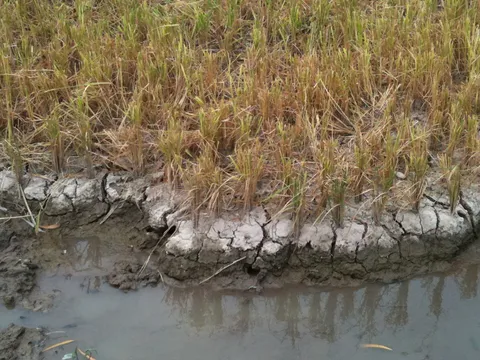
- For crops under water for 1 to 2 days, check first if harvest is still possible. If not, leave them, because they turn dark and rot within 24 to 48 hours, more so under mud.
- Use a combine only once the field is dry. If the field cannot drain, harvest by hand at once.
- Mill slightly discolored rice instead of selling it at a low price.
Then report the damage to your municipal agriculture office. If your crop is insured with the Philippine Crop Insurance Corporation, file your notice of loss right away, since your policy sets the deadline. Good farm records for loans and insurance make that report much easier.
How can anee.io help you prepare for a typhoon?
Typhoon preparation for farmers works best when the storm and the farm sit on one screen. anee.io puts them together, so you decide with facts instead of rumors.
- Satellite Weather: every typhoon with its path, its cone, the time at every forecast point and how far it is from your field.
- Weather for your farm: rain and heat for the coming days beside your plan, with a reminder when rain falls on a spray day.
- Growth stages and Count the days: each lot's stage and its day count, so you know which lot to harvest first.
- Contact List: the harvester operator, the dryer and your buyers in one list, ready when everyone is calling.
- Notes and photos: Quick Capture saves a photo of each lot before and after, kept with the season.
- Harvest records: write down the yield, moisture and losses, so next season's plan starts from the truth.
anee.io also works without signal, which matters when towers go down. Your changes wait on the phone and sync once the signal returns. After the storm, Satellite Analysis can read Sentinel 1 radar, which sees through typhoon clouds, to show weak spots in the field. Satellite Analysis is done by Anee and uses credits.
Draw your lots, add your planting dates, and follow every storm track with each lot's stage beside it.
Explore Satellite Weather