How Can I Reduce Crop Losses on My Farm?
To reduce crop losses, find where your farm loses the most and fix that first: pests caught late, storms met unprepared, a harvest cut too early or too late, and grain dried or stored badly. Every year pests take as much as 40 percent of the crops grown on Earth. For rice, a 2010 study put losses after harvest at 16.47 percent. The farm app anee.io, built for Filipino farmers, helps by dating each task to the crop's stage, flagging weather risks and keeping the records that show where the losses came from.
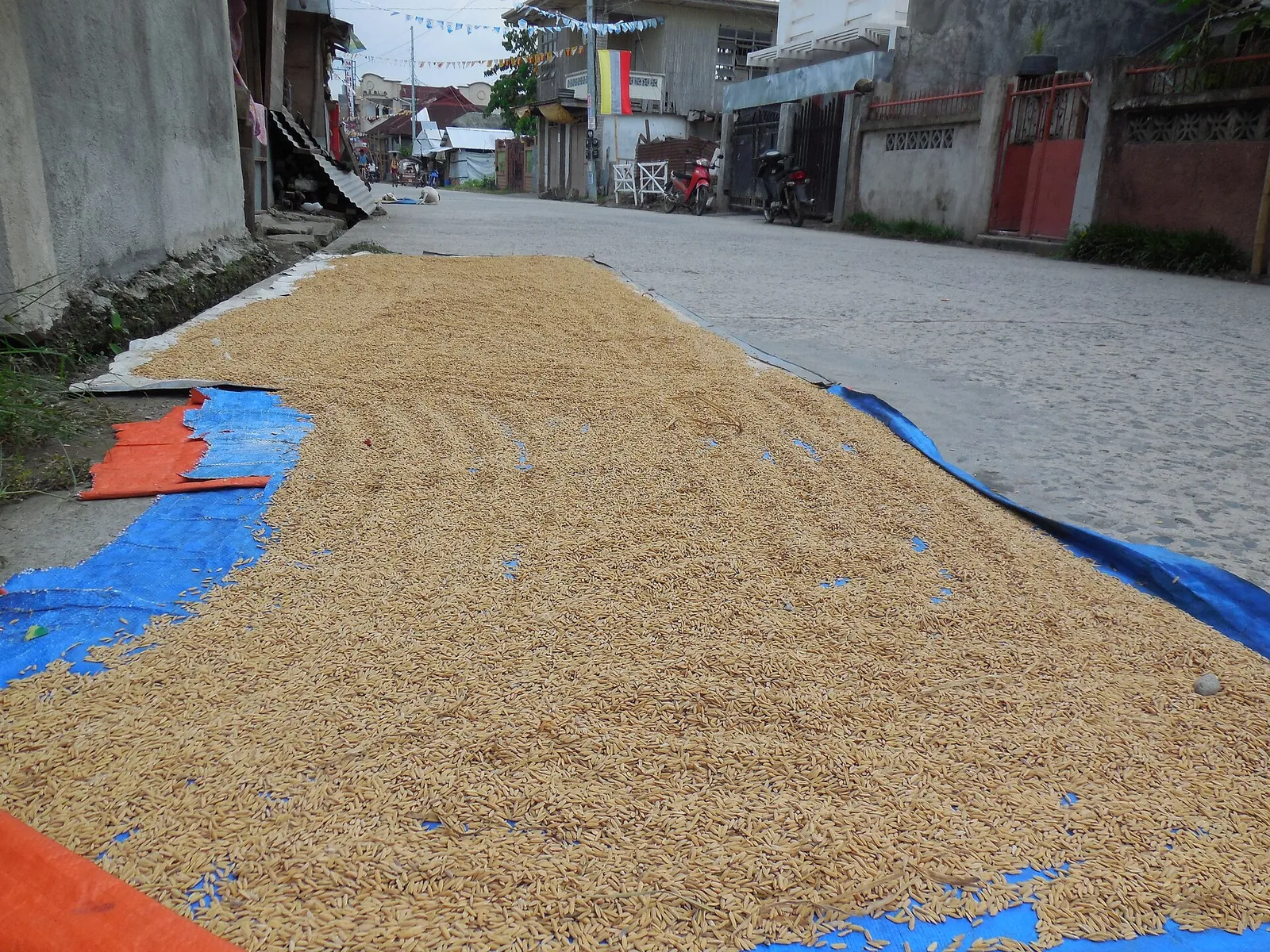
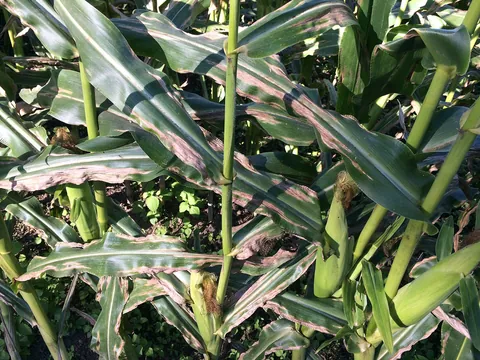
Losses come in four places. In the field, pests, diseases, weeds and rats take part of the crop. Then the weather takes its share through typhoons, floods and drought. At harvest, a field cut too early or too late loses grain and quality. After that, poor drying and storage crack and spoil what was saved.
The same figures point to milling, where 5.52 percent is lost. It links those losses to broken or cracked grains, which often come from improper drying. So the fix for a milling loss may start on the drying floor, days earlier.
Key points
- Find your biggest loss first. Records by lot and season show where it is.
- In the field, monitor from the early stage and name the problem before you spray.
- Track storms early, and bring in ripe fields before the wind arrives.
- Harvest palay when 85 to 90 percent of the grains are golden, and thresh within a day in the wet season.
- Dry within 12 to 24 hours to 12 to 14 percent moisture, and store the grain dry.
Where do farms lose the most?
The table follows a palay season from seed to storage. The same logic fits corn and vegetables: find the stage that leaks, then fix it.
| Stage | How the loss happens | First fix |
|---|---|---|
| Field | Pests, diseases, weeds, rats and snails | Monitor from the early stage and act at the action thresholds |
| Weather | Typhoon, flood or drought | Track storms, drain, and harvest ripe fields early |
| Harvest too early | Immature grain, milling recovery as low as 53 percent | Wait until 85 to 90 percent of grains are golden |
| Harvest too late | Grain shatters, with losses over 3 percent in hand harvest | Cut on time, with 90 to 95 percent golden for a combine |
| Threshing | Heat builds up in piles and discolors the grain | Thresh within 1 day in the wet season or 2 in the dry |
| Drying and storage | Wet grain molds, and uneven drying cracks it | Dry within 12 to 24 hours to 12 to 14 percent moisture |
How do you reduce crop losses in the field?
Pest control starts with prevention. Use varieties resistant to the pests in your area, and rotate them every 2 to 4 croppings. Plant in step with your neighbors after a 30 day rest period. Then monitor the field regularly from the early stage, so you catch pests while they are few. Insecticide is a last resort, after cultural, biological and physical control.
Spare the natural enemies too. Spiders feed on planthoppers and leafhoppers, and careless spraying upsets that balance. When you see damage, name the cause before you buy anything. Our guides on pest or disease and early pest detection help. The pest and disease finders also work from your crop and the damage you see.
How do you cut losses from typhoons and floods?
Time is the main tool. Wind Signal Number 1 gives 36 hours of lead time, and Signals 4 and 5 give only 12 hours. Already at Signal 2, rice at flowering or ripening can take considerable damage. So follow each storm from the first bulletin, and agree in advance when you will harvest, drain or secure the grain. Our guide on how to track typhoons shows how.
Insurance covers what you cannot save. With PCIC rice crop insurance, a notice of loss may go first by text or email. The written claim follows. Ask your PCIC office which risks your policy covers. Dated photos and the crop's stage help the claim. Our guide to farm records for loans lists what to keep.
How do you cut losses at harvest and after?
Drain before harvest
Drain the field 1 to 2 weeks before the expected harvest, so the crop ripens evenly and the grain stays dry.
Harvest at the right maturity
Cut when 85 to 90 percent of the grains have turned golden, or 90 to 95 percent for a combine. With a moisture meter, expect 20 to 25 percent in the wet season and 18 to 21 in the dry.
Thresh on time
Thresh within one day in the wet season or two in the dry. Avoid threshing dripping wet palay in a machine, and keep most engine threshers near 800 rpm.
Dry within 12 to 24 hours
In a mechanical dryer, keep the air no hotter than 50 to 70 degrees C, for 5 to 8 hours. In the sun, use clean concrete, stir at least every 30 minutes and keep the rain off.
Store clean and dry
Store grain at 12 to 14 percent moisture. Leave air spaces in each pile, keep piles to 6 or 7 bags, and keep one meter from walls and roof frames.
Piles of cut palay heat up and discolor the grain, which lowers the quality of the milled rice. So plan the thresher before you plan the reapers, especially in the wet season.
How does anee.io help reduce crop losses?
Losses shrink when work happens on time. In anee.io, every task carries a date from its lot's own day zero. The growth stages page gives each lot a watch list for its stage. The forecast sits beside the plan, with a reminder when rain falls on a spray day. For storms, Satellite Weather shows each typhoon's path and its distance from your field.
After harvest, observations record each lot's yield, moisture, price, buyer and the problems you saw. Then Anee, the smart farm technician, can write a season report on what went well and what went wrong. Compare Reports holds two seasons side by side. Those records point to the stage that leaks the most, so next season you fix that one first.
Plan your season by stage, track the weather and record every harvest in one place. Start free.
Start freeWhat does it cost, and what are the limits?
The free Libre plan covers one active season with activities, notes, growth stages and observations, and it shows a few ads. Anee's season report, her readings and Satellite Weather run on credits. Anee herself comes with Libre plus Anee, from PHP 70 a month, and so does Satellite Weather. See the pricing page.
No app stops a typhoon or dries your palay. What it does is put the right task on the right day and keep the numbers honest, so you see your own losses clearly. Our guide on how to increase rice yield per hectare covers the other side of the ledger.