Which Crop Monitoring Platform Is Best for Vegetable Farmers in the Philippines?
No platform raises vegetable yields on its own. The crop monitoring for vegetable farmers that pays is a weekly habit: turn the leaves, count pests and their natural enemies once or twice a week, note each bed's stage, and act before a problem spreads. A good platform makes that habit quick and keeps the record. For this, the farm app anee.io, built for Filipino farmers, gives every bed its own day count, growth stages, photo and voice notes, and a reminder when rain falls on a spray day.
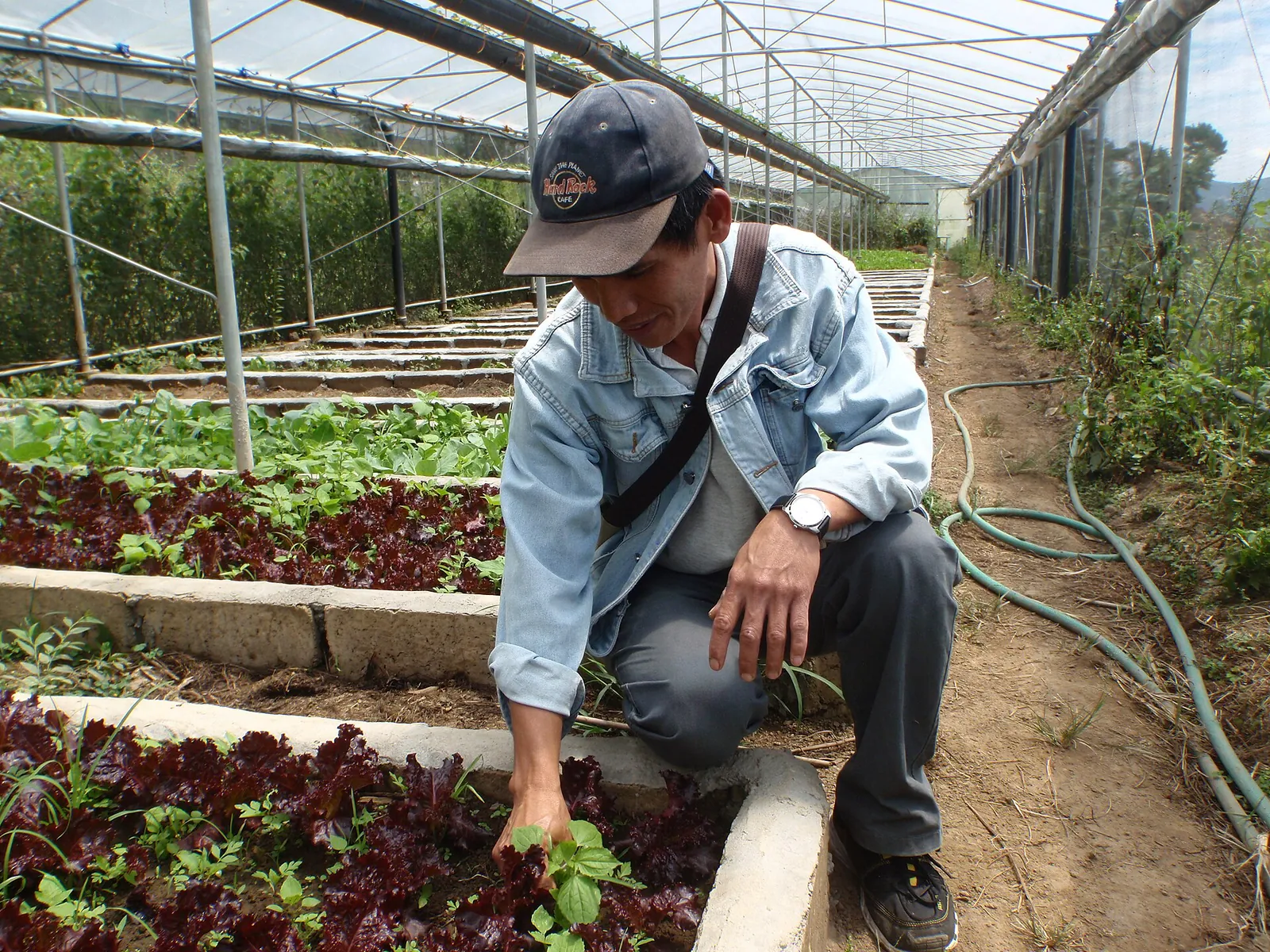
Vegetables move fast. A pechay crop is ready 3 to 4 weeks after transplanting. So one missed week of scouting can cover a big part of the crop's life, and a small aphid colony becomes a sticky bed of leaves.
Farmer factsheets from an Australian funded vegetable project in the southern Philippines put it plainly. Each farm has a few pests and diseases that come back every crop, and usually one or two cause major loss unless managed. Monitoring is how you find yours early.
Key points
- Check pests and their natural enemies 1 to 2 times a week and write the numbers per plant.
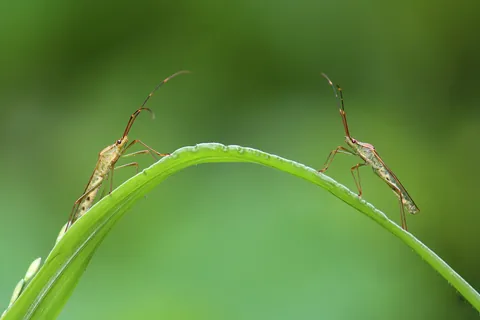
- Turn the leaves: most insect pests sit on the undersides, close to the veins.
- Match traps to the stage, such as sticky traps at transplanting and fruit fly traps at early flowering.
- A good platform gives each bed its own count and keeps photos, notes and weather in one place.
- No app sees your plants for you, so the walk through the beds stays your job.
What should crop monitoring for vegetable farmers cover each week?
The checks change with the stage of the crop. The table follows the tomato and ampalaya IPM factsheets of that project, plus the usual pechay harvest time. Our page on pagtatanim ng gulay covers growing each crop.
| Stage | What to check | Why it matters |
|---|---|---|
| Seedlings | Pests and disease on every tray before transplanting | Clean seedlings keep pests out of the main field |
| Transplanting | Sticky traps around seedlings for aphids and leafhoppers, and squash beetle feeding on ampalaya | In ampalaya, aphids can carry Namamarako and leafhoppers carry little leaf |
| Vegetative | Undersides of leaves, eggs of fruitworm and cutworm, pests and natural enemies per plant | Rising pests with few natural enemies may call for a spray |
| Flowering and fruit set | Fruit fly traps at early flowering, mirid bugs, leaf spots | Protects the fruit before the damage shows |
| Harvest | Pechay at 3 to 4 weeks after transplanting, early morning or late afternoon | Picking on time keeps the quality |
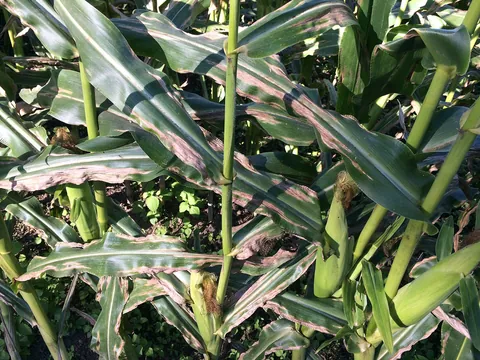
Diseases need the same weekly look. Watch for wilting, stunting, leaf spots and blights. The factsheets advise pulling out plants with symptoms through the whole plant, and pruning away spots on plants that are only partly hit. Our pages on bacterial wilt and the diamondback moth show two problems that start small and spread fast.
The factsheets warn that bacterial wilt and blight spread through pruning tools. So disinfect the blade after every plant, and carry a plastic bag for the diseased parts you cut. Also drain the beds quickly after rain, because a wet film in the soil helps the wilt move.
How do you run a weekly scouting round?
Split the farm into beds or lots
Give each planting its own name and transplanting date, because batches a week apart are at different stages.
Pick fixed scouting days
Once or twice a week, at the same time of day, so the numbers compare.
Turn the leaves and count
Look under the leaves near the veins. Count the pests and the natural enemies on several plants across the bed, not only at the edge.
Compare with last week
If pests rise and natural enemies are few, a spray may be needed. Choose an active ingredient that targets that pest group, then follow the label and the FPA registration.
Check the sky before spraying
Rain soon after a spray wastes it. Our guide on rain before spraying shows how to read the forecast first.
Write it down
Note the counts, the stage, what you did and the weather. Next season, these notes tell you when each pest usually arrives.
What should a crop monitoring platform do for vegetables?
Use these criteria to judge any platform, app or notebook. The last column shows how anee.io meets each one, and where it stops.
| What it should do | Why | In anee.io |
|---|---|---|
| A count for each bed or lot | Batches planted on different days | Each lot has its own day zero, and each lot can carry a different crop |
| Stage reminders | Traps and sprays belong to stages | Growth stages with a do list and a watch list, plus tasks dated by DAT |
| Fast notes in the field | Counts and symptoms fade from memory | Quick Capture photos, Quick Voice notes and tags like Bed 3 or Whitefly |
| Weather before sprays | Rain washes sprays off | Forecast beside the plan and a reminder when rain falls on a spray day |
| Help naming a problem | A wrong guess buys the wrong spray | Pest Finder and Disease Finder, and Anee reads a photo (credits) |
| Costs and sales | Know which crop pays | Expenses, harvest records with buyer and price, and a profit report |
| Works with no signal | Upland farms lose signal | Offline mode on every plan |
How does anee.io help vegetable growers?
In anee.io, each bed or batch becomes a lot with its own crop, variety and day zero. The growth stages cover 85 Philippine crops, ampalaya, talong and pechay among them. So the board can show that Bed 2 is at flowering while Bed 4 is still vegetative.
During a scouting round, notes, photos and voice keep what you see with the season. When you cannot name a pest, the pest and disease finders work from the crop and the damage. They name the active ingredients and their groups, never brands. Anee, the smart farm technician inside anee.io, can also read a photo in Tagalog or English, and that uses credits.
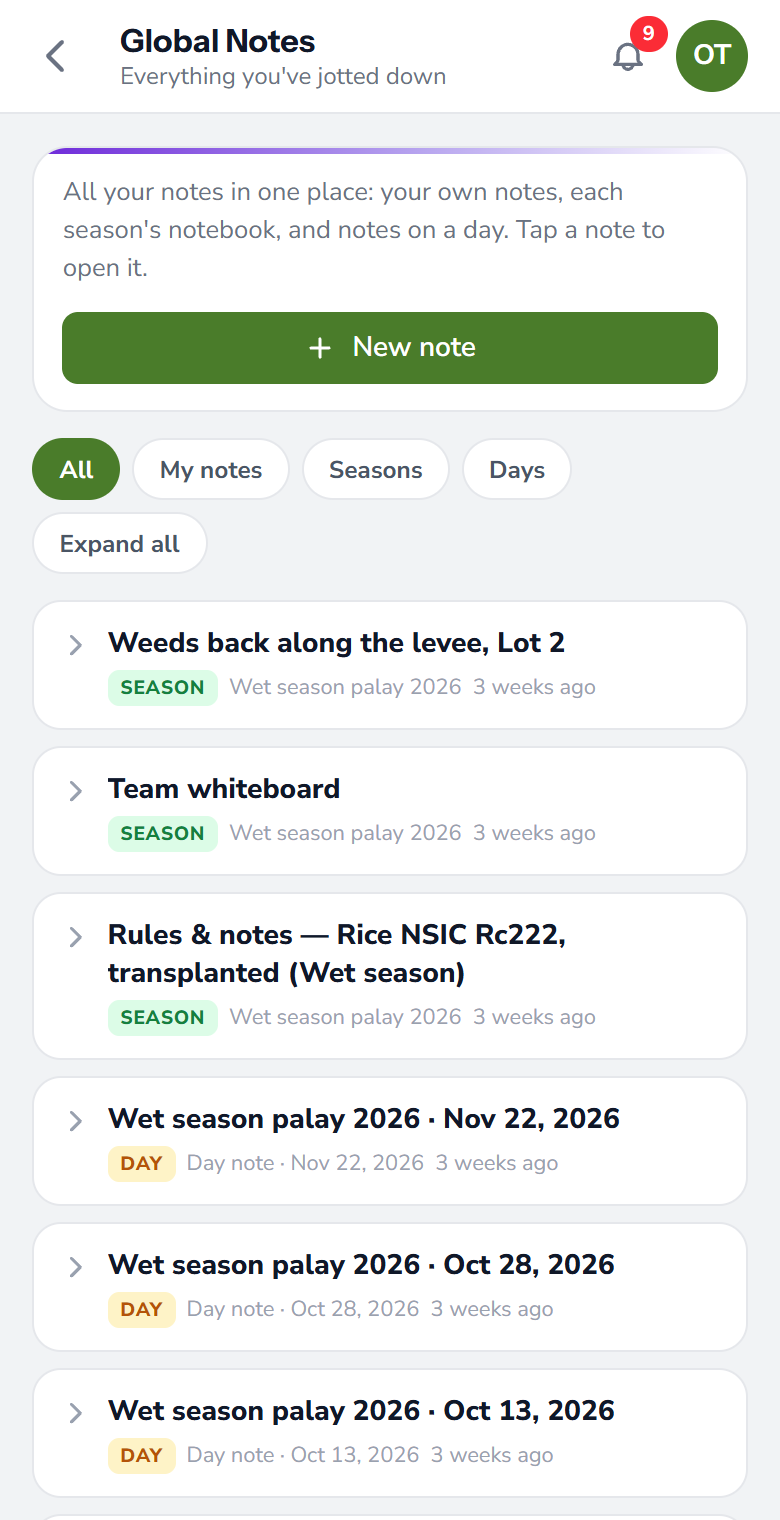
Add your beds as lots, record what you see each week, and plan sprays around the weather. Start free.
Start freeWhat does it cost, and what can it not do?
The free Libre plan covers one active season with activities, notes, tags and growth stages, and it shows a few ads. Solo Farmer, at PHP 200 a month or PHP 1800 a year, opens three active seasons with up to 5 lots each, full weather, workers, inventory and all reports. Farm Owner, at PHP 600 a month, removes the limits. See the pricing page for all four plans.
Now the limits. anee.io does not count insects or spot disease by itself, because it only knows what you record. Anee needs internet and uses credits. A finder or a photo answer is a guide, so confirm it in the field before you buy a spray. Our guide to fertilizer for vegetables covers the feeding side of the crop.