Mais Rice: What Corn Rice Is, Its Benefits and How It Is Made
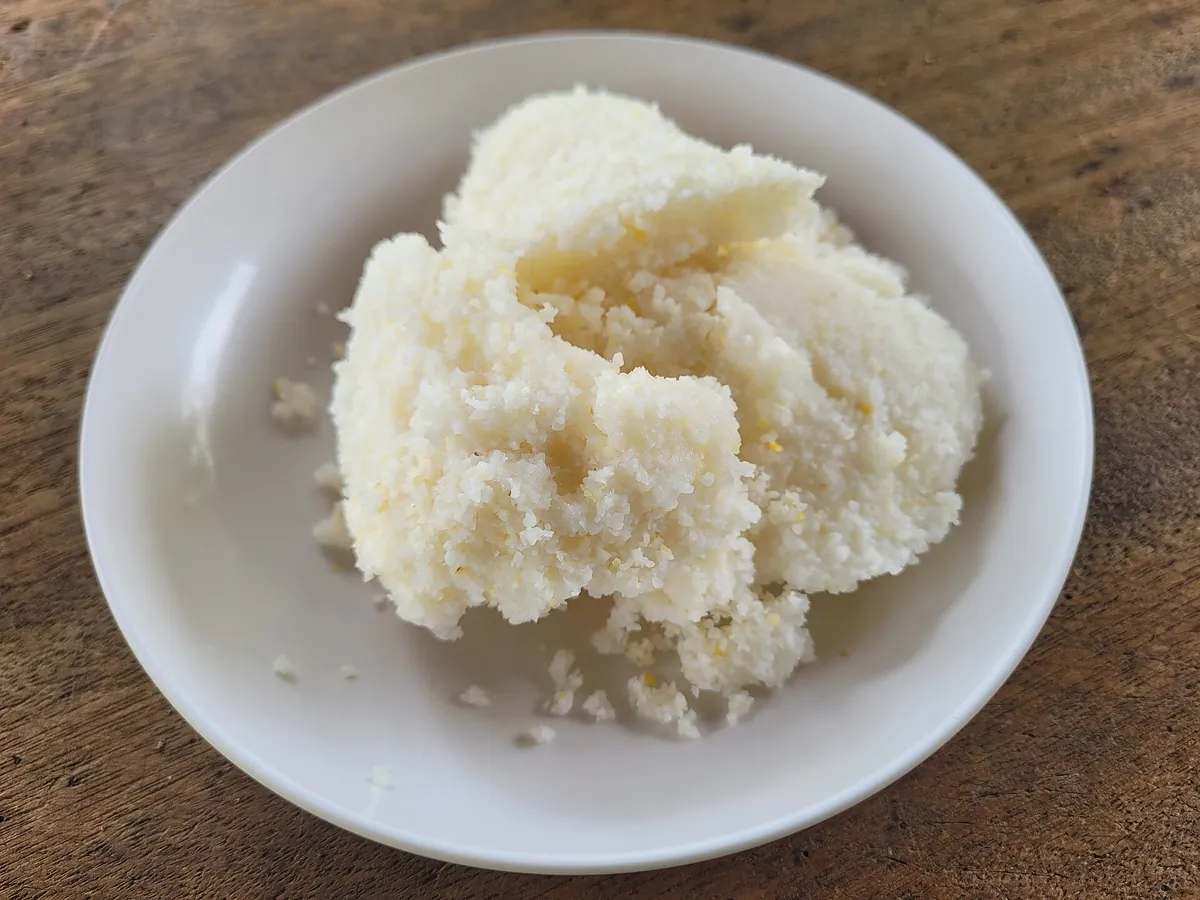
Mais rice, also called corn rice or corn grits, is white corn milled into small grits and cooked like rice. It is a daily staple in many corn growing towns, and some families now mix it with rice for fiber and savings. Here is what mais rice is, how millers make it, what studies say about its benefits, and how it compares with the kinds of rice in the Philippines.
What mais rice is
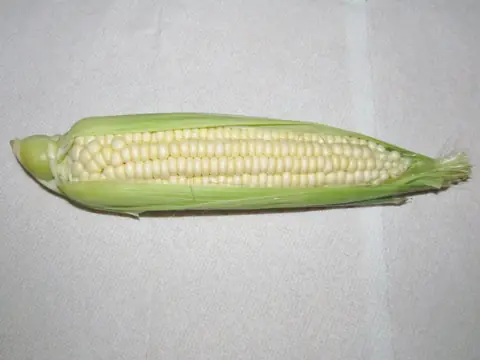
Mais rice is not rice at all. It is the hard, starchy part of white corn kernels, cracked into pieces close to the size of rice grains. Cooks steam or boil it like rice and serve it with ulam.
Markets sell it under several names: mais rice, corn rice, corn grits, bigas mais, and bugas mais in Cebuano. Sellers sort the grits by size, so the grind can run from coarse to fine.
White corn is a staple in parts of the Visayas and Mindanao. In northern Isabela and southern Cagayan, white corn is also the daily food.
How mais rice is made from white corn
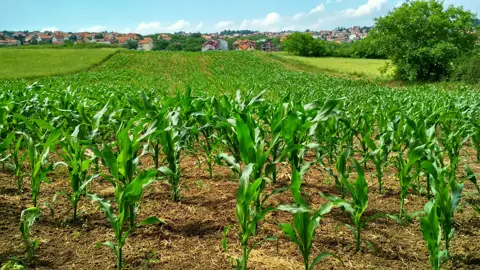
Grow white flint corn
Millers want hard white kernels. Farmers plant white open pollinated varieties such as IPB Var 6, or white hybrids. See our guide to corn seeds.
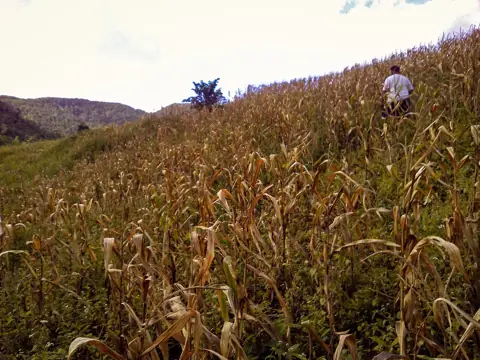
Harvest and dry
Harvest at maturity and dry the ears to 18 to 20 percent moisture before shelling. Then dry the grain to 14 percent or lower for safe storage.
Clean the grain
Remove stones, dirt, broken and moldy kernels. Moldy corn can carry aflatoxin, and the limit for food corn is 20 ppb.
Mill
A corn mill strips off the hull and most of the germ, then cracks the hard endosperm into grits. The hull and germ come out as corn bran, which goes to animal feeds.
Sift and pack
Screens sort the grits by size. After that, the grits go into sacks for the market.
UPLB runs a small version of this chain. In 2018, the Cereals Section of its Institute of Plant Breeding supplied about six tons of corn grits a month to institutions. Farmer cooperators in Quezon and Mindoro grew the white corn for it.
Mais rice benefits
Claims about corn rice vary a lot online. These are the points that Philippine sources back up.
- More fiber. In a Philippine study published in the Journal of Nutrition and Metabolism in 2010, pure quality protein maize (QPM) grits had 6.0 percent dietary fiber. Milled rice had 0.54 percent.
- Lower blood sugar response. The same study measured a glycemic index of about 80 for pure QPM grits, 93 for a rice and grits mix, and 120 for milled rice, with white bread set at 100. It was a small study of ten healthy women, so treat it as a good sign, not a cure.
- Better protein quality. IPB Var 6, a white QPM variety used for grits, has more lysine and tryptophan than regular white corn.
- Gluten free. Corn grits contain no gluten.
- Cheaper than rice, but the saving varies. In 2018, good rice sold at about PHP 60 a kilo, pure corn grits at about PHP 33 and a 70 to 30 rice and grits blend at about PHP 47. Another report found a much smaller saving, about PHP 2 a kilo in some regions. Prices have moved since, so check your own market.
Portion still matters. Eating too much of any staple, rice or corn, can lead to weight gain. If you have diabetes, ask your doctor or a registered nutritionist dietitian before you change your staple.
The fiber and glycemic figures above come from QPM grits. Grits from other white corn varieties, or grits milled very fine, may behave differently. Treat the study as a guide, not a promise.
Kinds of rice in the Philippines, and where mais rice fits
Here is how corn grits sit beside the kinds of rice in the Philippines that you see in the market.
| Kind | What it is | Good to know |
|---|---|---|
| Regular milled rice | Rice with part of the bran left on | Usually the cheaper grade in public markets |
| Well milled rice | Rice polished to remove more bran | Whiter grain, common in public markets |
| Special and premium rice | Premium allows at most 5 percent broken kernels. Special covers named types such as aromatic rice | Higher price |
| Brown rice (pinawa) | Only the hull removed, bran kept | More fiber than white rice |
| Red and black rice | Heirloom rices with colored bran | Grown on upland and Cordillera farms |
| Glutinous rice (malagkit) | Sticky rice | For kakanin such as suman and biko |
| Mais rice | White corn grits | Cooked like rice, often mixed with it |
For the rice side of the table, see our guides to rice varieties in the Philippines and palay.
Corn bran: what milling leaves behind
Milling white corn into grits leaves corn bran, the hull and germ pieces that go into hog and poultry feeds. Some food makers also add corn bran to breads and cereals for fiber.
Mais rice and corn bran both start as the same corn kernel, which our corn kernel guide explains part by part.
How to start eating corn rice
- Start with a blend. One rice and corn blend, called RiCo, uses 70 parts rice to 30 parts corn grits. Some cooking demonstrations also use 50 to 50 blends.
- Cook them together. Rinse the grits, mix them with the rice and cook them in the same pot.
- Store it dry. Keep the grits sealed and dry so they do not turn moldy or weevily.
If you grow white corn for grits, anee.io keeps your season on one cropping calendar, dated from each lot's planting day. After harvest, the farm reports on the paid plans record your buyers and prices so you can compare seasons.
anee.io dates every task from land preparation to harvest, shows each lot's growth stage and weather, and lets you ask Anee, the smart farm technician, in Tagalog or English.
Start free on anee.io