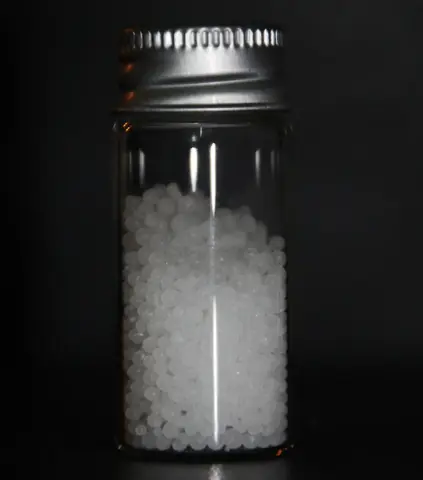
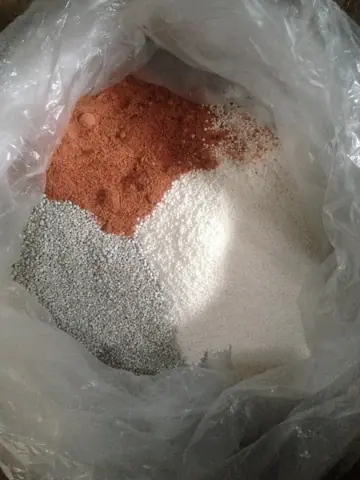
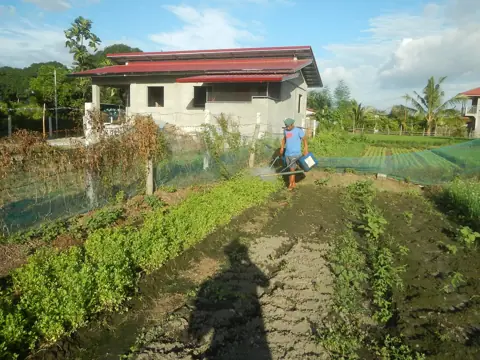
Examples of Organic Fertilizer for Philippine Farms and Gardens
Examples of organic fertilizer range from compost and vermicast to composted chicken dung, fish amino acid and ground eggshells. Each one feeds the soil as well as the crop, but each also carries far less nutrient per kilo than a sack of urea. This guide lists the common ones on Philippine farms, what each supplies, and how to use them safely.
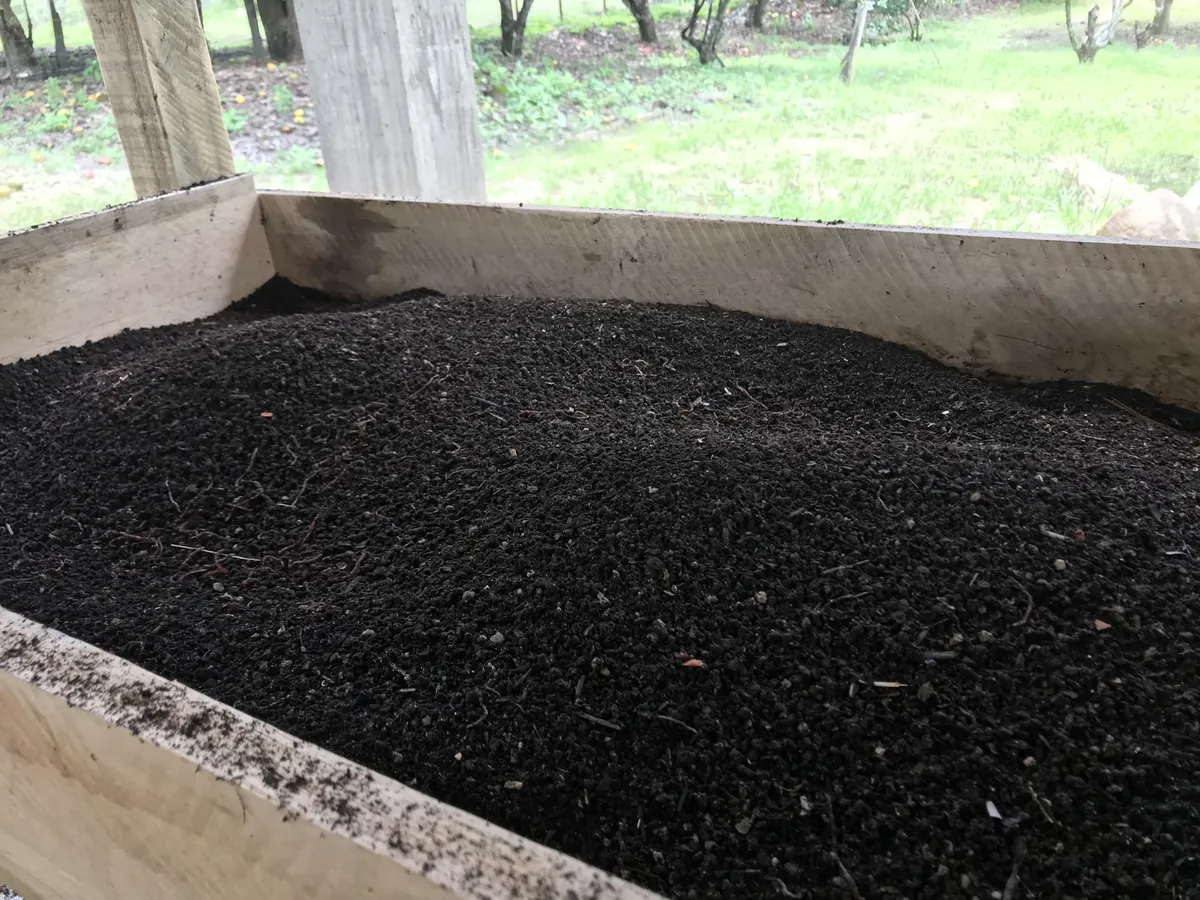
Organic fertilizer comes from plants and animals: crop residues, manure, fish, shells and kitchen scraps. Soil microbes break it down and release the nutrients slowly. Many farmers call it natural fertilizer for plants, or organikong pataba.
The Philippine National Standard PNS/BAFS 183:2023 sorts these products by strength. An organic fertilizer must carry 5 to 10 percent total nitrogen, phosphate and potash. An organic soil conditioner carries 2.5 to under 5 percent, and liquid plant supplements such as fish amino acid carry 0.5 to 10 percent. Compare that with urea fertilizer, which alone is 46 percent nitrogen.
Examples of organic fertilizer in one table
| Material | What it gives | Best use | Safety note |
|---|---|---|---|
| Compost | Organic matter and slow nitrogen | Mixed into beds before planting | Use only when dark, crumbly and earthy smelling |
| Vermicast | Fine, crumbly worm castings | Seedling mix, vegetable beds, pots | Keep it moist and shaded |
| Chicken dung | Rich in nitrogen and phosphorus, as manures go | Basal for vegetables and corn | Compost first, never raw on vegetables |
| Carabao, cow and goat manure | Organic matter, modest nutrients | Basal, compost piles | Compost first to kill weed seeds and germs |
| Fish amino acid (FAA) | Nitrogen and amino acids | Light spray or drench on leafy crops | Dilute about 1 to 1,000 |
| Eggshells | Calcium | Ground fine into potting mix or compost | Very slow unless powdered |
Compost, vermicast and humus fertilizer
Compost is the base of any organic program and a homemade fertilizer any farm can make. Layer rice straw, green leaves and manure, keep the pile as moist as a wrung out cloth, and turn it every week or two. A good pile heats up in the middle, and that heat kills many weed seeds and germs. It is ready when it is dark, crumbly and smells like forest soil, not ammonia or rot. The PNS itself rejects products with a foul smell of ammonia or rot.
Humus is what remains after compost breaks down as far as it goes. It is dark, stable organic matter that holds water and nutrients like a sponge. If a bag says humus fertilizer, check its label for organic matter and NPK. Such products improve soil more than they feed the crop.
Vermicast from worms
Vermicast, also called vermicompost, is the castings of earthworms fed on manure and farm waste. A common worm for this in warm countries is the African night crawler. Gardeners like the fine castings for seedling trays and pots. Keep worm beds shaded and moist, and let fresh manure decompose first, because it heats up and can harm the worms.
Chicken dung as fertilizer: compost it first
Chicken dung as fertilizer is popular because it is strong and cheap near poultry farms. In fact, egg producers in Batangas asked the Bureau of Agriculture and Fisheries Standards to review the organic fertilizer limits, since chicken manure used on vegetables can go above 5 to 10 percent total NPK.
That strength is also the danger. Fresh droppings release ammonia that can scorch seedlings and roots, and they may carry germs such as E. coli and Salmonella. For organic fertilizers sold in the country, the PNS allows no more than 100 colony forming units of E. coli per gram and no Salmonella at all in a 25 gram sample. Raw dung from the coop has passed no such test.
Mix it with dry material
Add plenty of rice straw, rice hull or dry leaves, keep the pile moist, and turn it so every part passes through the hot center.
Wait until it is done
Use it only when it no longer smells of ammonia and looks dark and crumbly.
Keep it off the edible parts
Work it into the soil before planting, never onto leaves or fruit you will eat fresh.
People often eat leafy greens and low fruit raw. Use only fully composted manure on them, and wash your hands after handling any manure.
Maggots in compost
Maggots in Tagalog are uod, and finding them in a compost pile worries many first time composters. Many of the fat, grayish larvae in wet compost are black soldier fly larvae. They turn manure into compost very well, and the grown fly is seldom treated as a pest. Still, a pile full of uod tends to be too wet or to hold too much fresh food waste or manure. Cover the top with dry leaves or straw, then turn the pile.
Liquid organic fertilizer: FAA and fish emulsion
Liquid fertilizer made from fish is a favorite in natural farming. To make fish amino acid fertilizer, or FAA, a DIY favorite, you ferment fish scraps with brown sugar. The usual method mixes equal weights of each, lets them ferment, then strains off the liquid. Farmers then dilute it about 1 part to 1,000 parts water and use it as a light spray or a soil drench, mainly while leafy crops are still growing.
Fish emulsion fertilizer is the bottled, store bought cousin, made from fish processing leftovers. Both carry mostly nitrogen, and both count as organic plant supplements under the PNS. So they help a crop along but cannot carry the full season alone. For spray timing, seaweed extracts and other biostimulants, see our guide to foliar fertilizer.
Eggshell as fertilizer
Eggshells are mostly calcium carbonate, the same compound as agricultural lime. That makes eggshell as fertilizer a calcium source and a mild liming material, not a source of nitrogen. People who search for fertilizer from eggs usually mean the shells, since that is where the calcium sits.
The catch is time. Large chunks of shell take at least a year to break down, and coarsely ground shells did little better than nothing in one trial. Finely ground shells did as well as pure calcium. So rinse the shells, dry them in the sun, and pound or blend them into powder before you use egg shell fertilizer in pots or compost. Also, do not count on shells to stop blossom end rot in tomatoes, which often comes from uneven watering rather than a lack of calcium in the soil.
Organic fertilizer benefits and limits next to synthetic fertilizer
The organic fertilizer benefits go beyond nutrients. Organic matter loosens clay, helps sandy soil hold water, feeds soil life, and releases nutrients slowly, so less washes away.
The limit is concentration. One 50 kg bag of urea, a synthetic fertilizer, holds 23 kg of nitrogen. To get the same 23 kg from a product that is 1.5 percent nitrogen, you would need about 1,530 kg, or roughly 31 bags. That is why combining the two works well: organic matter for the soil, plus an example of inorganic fertilizer such as urea or 14 14 14 for the main feeding. Our page of inorganic fertilizer examples lists the common grades. Our guide to organic vs inorganic fertilizer compares organic fertilizer for farming with the bagged grades.
The Philippine Organic Agriculture Act
Republic Act 10068, the Organic Agriculture Act of 2010, set up the national program to promote organic agriculture. Republic Act 11511, signed on December 23, 2020, amended it. The amendment set up the National Organic Agriculture Program office under the Department of Agriculture and recognized the Participatory Guarantee System, a local, farmer run way to certify organic produce that costs less than third party certification.
Using compost or FAA does not by itself make your harvest certified organic. If you plan to sell under an organic label, ask your municipal agriculturist about PGS groups near you.
Best fertilizer for vegetables and flowers, the organic way
No single product is the best fertilizer for vegetables. A good organic plan for a vegetable bed uses compost or vermicast worked in before planting, composted chicken dung for heavy feeders like eggplant and ampalaya, and FAA or fish emulsion sprays for leafy crops. For potted ornamentals, a fertilizer for plants and flowers can be as simple as vermicast in the potting mix.
Our guide to fertilizer for plants explains what leaves, fruit and flowers need, and vegetables in the Philippines covers crop by crop care.
Keep your organic program on track with anee.io
Organic inputs work slowly, so records matter. With anee.io you can schedule compost turning, FAA sprays and manure on each lot's cropping calendar. The inventory logs every sack of vermicast or chicken dung with its cost. At harvest, the reports show expenses and yield per season, so you can compare an organic season against a conventional one. If a pile smells wrong or a leaf looks pale, ask Anee, the smart farm technician, in Tagalog or English.
Plan compost, FAA and manure on a calendar, record every sack, and compare seasons. The Libre plan is free.
Create a free account