Examples of Inorganic Fertilizer Used on Philippine Farms
Examples of inorganic fertilizer on any Philippine agri supply shelf are urea (46 0 0), complete (14 14 14), ammophos (16 20 0), ammosul (21 0 0), muriate of potash (0 0 60) and diammonium phosphate (18 46 0). These are the grades the Fertilizer and Pesticide Authority (FPA) prices every week. Here is what each one carries, what it is for, and how to read the bag.
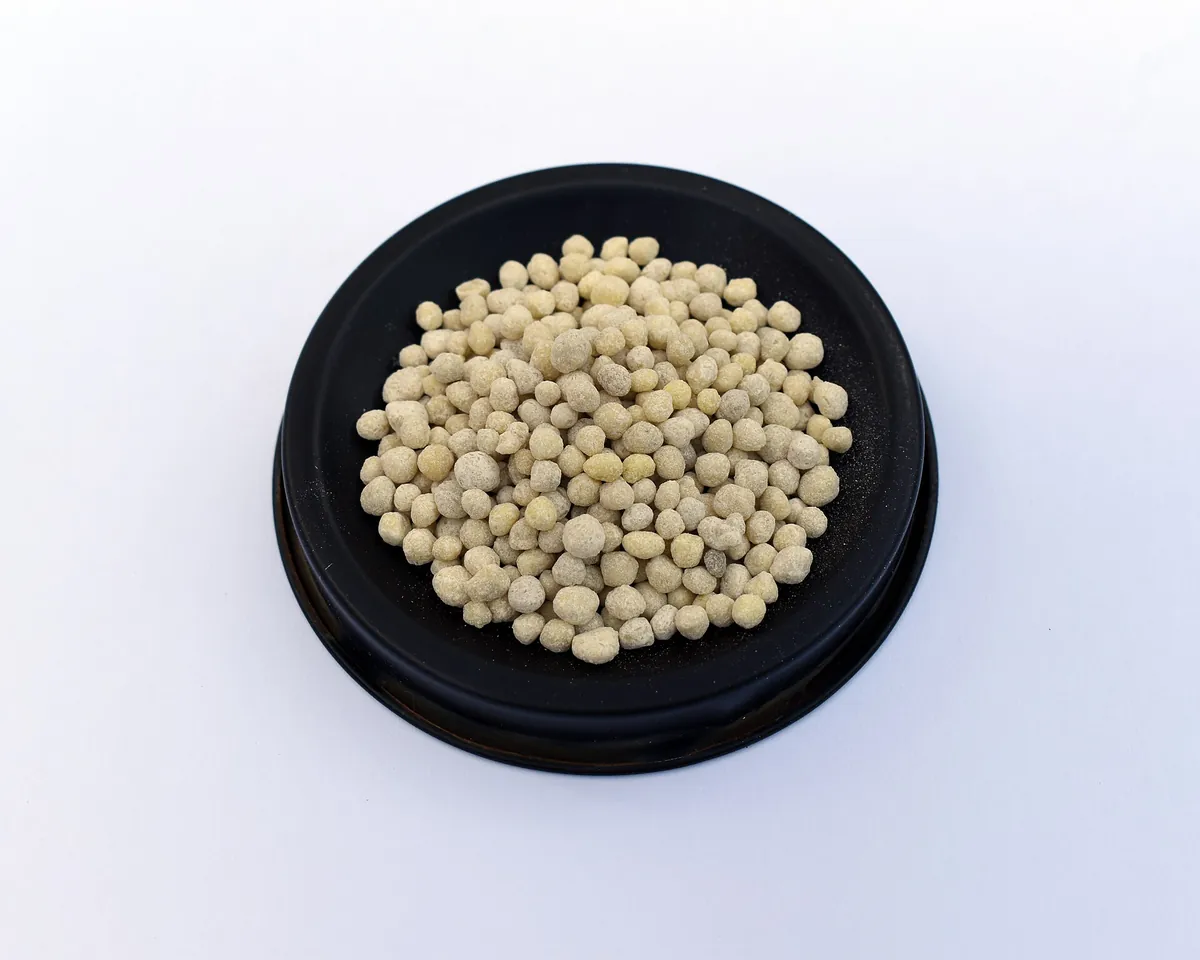
Inorganic fertilizer also goes by synthetic fertilizer, mineral fertilizer or commercial fertilizer. Factories make it from air, natural gas and mined rock. So it packs a lot of nutrient into a small bag and dissolves quickly in moist soil. Most farmers simply call it abono, or chemical fertilizer.
The word chemical scares some buyers. But the nutrients in these bags end up in the same forms a plant takes from any soil: ammonium, nitrate, phosphate and potassium. Trouble comes from the wrong amount at the wrong time, not from the fertilizer chemical itself. For the plant and animal based kind, see our examples of organic fertilizer.
What the three numbers on the bag mean
Every bag shows a grade of three numbers. They give the percent of nitrogen (N), phosphate (P2O5) and potash (K2O), always in that order. So 16 20 0 means 16 percent nitrogen, 20 percent phosphate and no potash.
To find the kilos of nutrient in a bag, multiply the bag weight by each number and divide by 100. A 50 kg bag of 14 14 14 holds 7 kg of each nutrient. The rest of the weight is the other elements in the compounds, such as the sulfur in ammonium sulfate. Some blends also carry filler. Our fertilizer calculation guide turns these numbers into bags per hectare.
Examples of inorganic fertilizer in the Philippines
Six grades cover most farms. The table below doubles as a fertilizer names list, with national average prices from the FPA weekly report for September 14 to 18, 2026. Prices differ by province and change often, so check the latest report before you buy.
| Common name | Grade | Nutrients per 50 kg bag | Main use | FPA average price |
|---|---|---|---|---|
| Urea | 46 0 0 | 23 kg N | Top dressing palay, mais and vegetables | PHP 2,321 prilled, PHP 2,322 granular |
| Complete | 14 14 14 | 7 kg each of N, P2O5 and K2O | Basal dose at or soon after planting | PHP 1,903 |
| Ammophos (ammonium phosphate) | 16 20 0 | 8 kg N and 10 kg P2O5 | Basal where potash is not short | PHP 1,754 |
| Ammosul (ammonium sulfate) | 21 0 0 | 10.5 kg N plus sulfur | Top dressing, soils short of sulfur | PHP 1,214 |
| Muriate of potash (MOP) | 0 0 60 | 30 kg K2O | Potash for palay, banana and fruit | PHP 1,668 |
| Diammonium phosphate (DAP) | 18 46 0 | 9 kg N and 23 kg P2O5 | High phosphorus basal dose | PHP 3,101, reported in fewer regions |
Urea (46 0 0)
Urea is the richest nitrogen fertilizer on the shelf. It is also the cheapest per kilo of nitrogen, about PHP 101 per kg at the September 2026 average. It comes as small prilled beads or larger, harder granules. Urea left on a hot, dry surface loses part of its nitrogen to the air as ammonia. So work it in, or apply it where water carries it into the soil. Read more in our guide to urea fertilizer.
Complete fertilizer (14 14 14)
Complete fertilizer carries all three major nutrients in equal parts, which makes it the usual basal dose for palay, mais and vegetables. When a technician says fertilizer complete, this is the bag they mean. See complete fertilizer 14 14 14 for rates and timing.
Ammophos (16 20 0) and DAP (18 46 0)
Both are phosphate fertilizers with some nitrogen. Ammophos is the common basal choice where soils have enough potash. DAP packs more than twice the phosphate per bag, so it suits soils that test low in phosphorus. There is more on 16 20 0 fertilizer in its own guide.
Ammosul (21 0 0)
Ammonium sulfate fertilizer gives less nitrogen than urea but adds sulfur, a nutrient now short in many rice soils. It also makes soil more acid over time, so it suits neutral to alkaline soils better than very acid ones. See ammonium sulfate 21 0 0 for details.
Muriate of potash (0 0 60)
Muriate of potash is potassium chloride, the main potash source for fruit fill, strong stems and grain weight. Where the sun is strong, give extra potash just before or after panicle initiation, so the grains come out bigger and heavier. Our potash fertilizer page covers the other potash sources.
What about ammonium nitrate?
Some farmers search for ammonia nitrate fertilizer, but the product is ammonium nitrate. You will not find it at the agri supply. The FPA halted its import in 2002, and officials at the time pointed to bombings in Bali and in Zamboanga del Norte. Rules published in 2016 list ammonium nitrate as a high risk controlled chemical that needs a license. Urea and ammonium sulfate fill its place on Philippine farms.
Fertilizer granules, prills and controlled release
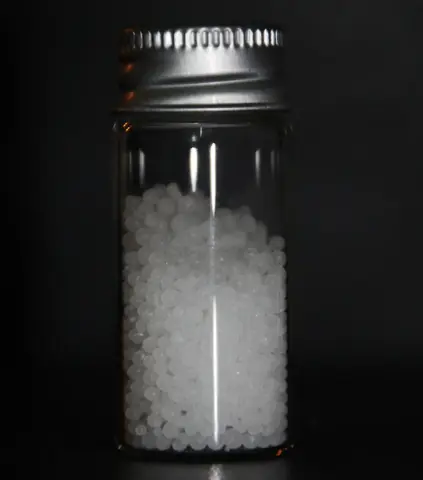
Most bags hold fertilizer granules, small hard balls a few millimeters wide that flow well from the hand or a spreader. Prilled urea comes as smaller, softer beads. Both dissolve quickly in moist soil.
Controlled release fertilizer works differently. Each granule wears a coating that lets nutrients out slowly, over weeks or months. Osmocote fertilizer is the best known example. It is a resin coated fertilizer, in grades such as 14 14 14. Controlled release products can feed for 40 to 360 days, depending on the product. Release also runs faster in warm soil. That makes it handy for pots, nurseries and seedlings. But it costs more, so it suits small, high value plantings more than a hectare of palay.
How inorganic fertilizer is made
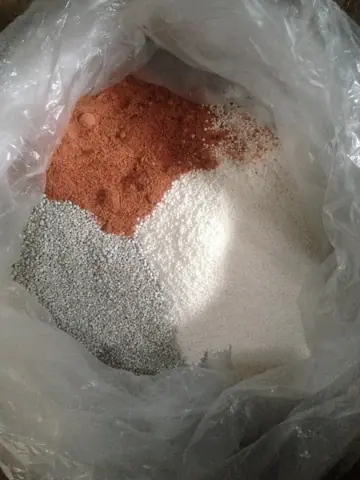
Nitrogen fertilizers start as ammonia, which factories make by joining nitrogen from the air with hydrogen, usually from natural gas. That ammonia then becomes urea or ammonium sulfate. Phosphate comes from phosphate rock treated with acid, and potash from potassium salt dug from mines, then cleaned and crushed. So a fertilizer example like 14 14 14 is a blend or compound of all three sources.
Reading a commercial fertilizer label
Before you pay, read the bag. Under Presidential Decree 1144, no fertilizer may be made, imported or sold in the Philippines unless the FPA has registered it. A simple fertilizer drawing of a 50 kg bag would show these parts, from top to bottom.
| Part of the bag | What it says | Why it matters |
|---|---|---|
| Top | Brand and company name | Tells you who answers for the product |
| Center, in big print | The grade, such as 14 14 14, and the common name | The nutrients you are paying for |
| Guaranteed analysis box | Percent of total nitrogen, available phosphate and soluble potash | Lets you compare brands kilo for kilo |
| Lower panel | Net weight, usually 50 kg | Check for torn or resewn bags |
| Lower panel | FPA registration number | Match it on the FPA list of registered products |
| Back or side | Directions for use, storage and first aid | Tells you how to handle it safely |
Divide the bag price by the kilos of nutrient it holds. At the September 2026 FPA averages, urea costs about PHP 101 per kg of nitrogen and ammosul about PHP 116. Ammosul still earns its place where the soil needs sulfur.
Track every bag with anee.io
Knowing your grades is half the job. The other half is putting them on at the right stage and knowing what they cost. In anee.io, each bag of urea or complete goes into the inventory with its price. Each fertilizer task on the cropping calendar then draws from that stock, and the expenses report shows what fertilizer cost you over the season. Anee, the smart farm technician, can explain any grade in Tagalog or English and help you pick one for your crop's stage.
Record fertilizer by the bag, date each application, and see what it cost. Start on the free Libre plan.
Sign up free