Potash Fertilizer: Muriate of Potash 0 0 60 for Rice, Banana and Coconut
Potash fertilizer in the Philippines usually means muriate of potash, the 0 0 60 sold in 50 kg bags. It carries 60 percent potash (K2O), and it is the most common fertilizer with potassium. This guide covers what potassium does, when to apply it on palay, banana and coconut, and how to tell if your crop needs it.
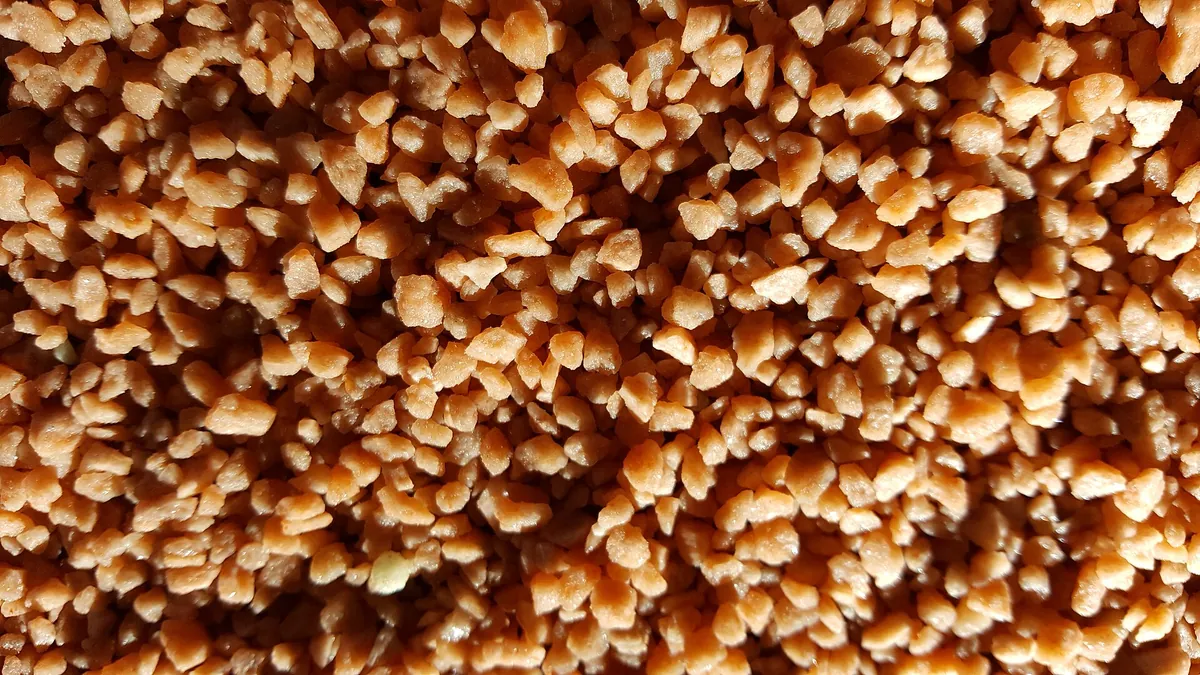
Muriate is an old word for chloride, so muriate of potash is simply potassium chloride. Farmers call it MOP or just potash. Its price is tracked every week, along with urea and complete.
Potassium is easy to forget, because its signs show late. By the time the leaf edges turn brown, the grains may already be light. So it pays to plan potash from the start.
What is in potash fertilizer 0 0 60
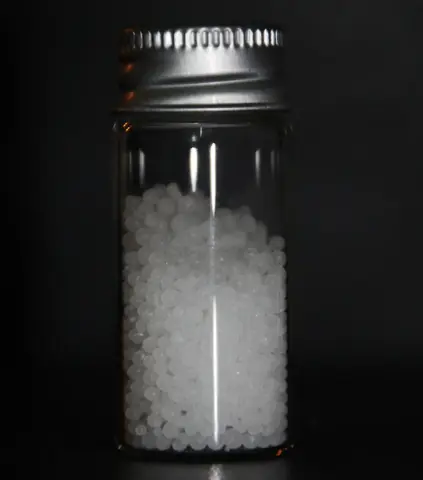
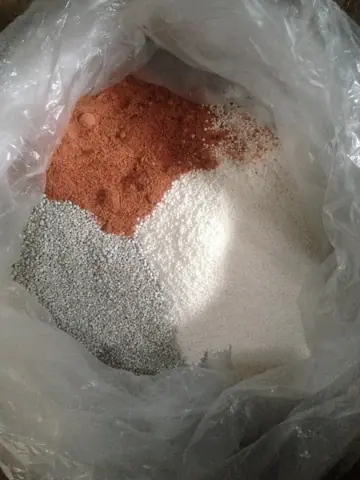
The grade 0 0 60 means no nitrogen, no phosphate and 60 percent potash, written as K2O. So a 50 kg bag holds 30 kg of K2O. Put the other way around, 30 kg of K2O equals 50 kg of muriate of potash. Counted as pure potassium, MOP is about 50 percent K.
Brands of muriate of potash registered with the Fertilizer and Pesticide Authority (FPA) declare 60 percent K2O. The grade is the same across brands, so compare the price per bag and buy from a registered dealer.
What potassium does for your crop
In high yielding rice, potassium often runs short first once nitrogen is covered. Here is what it does in the rice plant:
- Makes roots grow faster and plants stronger
- Helps the plant take up other nutrients faster
- Improves tolerance of pests, diseases, drought and lodging
- Increases grain size and weight, and the share of filled grains
That is why potash matters most for grain filling and for stems that stay standing in a typhoon month. Potassium also helps prevent lodging and raises resistance to pests and diseases.
Signs of potassium deficiency in rice
- Deep green plants whose leaf edges turn yellowish brown
- Dark brown dead spots that start at the tips of older leaves
- Yellowing in an upside down V shape that moves down the leaf
- Unhealthy or black roots, more lodging, and more unfilled, lighter grains
These leaf signs can look like tungro. But tungro shows in patches, while potassium deficiency covers the whole field. Signs often appear only in the later growth stages, so do not wait for them.
When to apply potash fertilizer on rice
| Plan | When to apply |
|---|---|
| Two doses by stage | First dose at 0 to 14 DAT, or 7 to 10 DAS. Second dose 5 to 7 days before or after panicle initiation. |
| General recommendation | 70 percent at 7 to 14 DAT and 30 percent 5 to 7 days before or after panicle initiation |
| Abonong Swak bag plans | Half a bag of 0 0 60 per hectare with the last urea, at 28 to 40 DAT depending on variety maturity |
| By the size of the rate | All at basal if the rate is small. For larger rates, split it between basal and early panicle initiation. |
DAT means days after transplanting, and DAS means days after sowing. The extra muriate of potash goes on around panicle initiation, especially where the sun is strong, like Nueva Ecija, Bicol and Isabela. There it raises grain size and weight. On sandy soils that leach, split potassium into at least two doses.
If you use complete fertilizer 14 14 14 at basal, it already gives 7 kg of K2O per bag. With 16 20 0, you get none, so the potash has to come from MOP. Our fertilizer for rice page puts it all in one season plan.
The straw holds about 16.8 kg of K2O for every ton of grain, against only 2.2 kg in the grain. Burn or haul away the straw and most of that potassium leaves the field. Work it back into the soil and much of it stays.
Potash fertilizer for banana and coconut
Banana is a heavy potassium crop. Potassium does a lot for banana yield, and the plant needs it most around flowering. Potassium deficiency in banana shows first on older leaves, as yellow to orange zones from the tips that later turn brown. Too much is not good either. Yara warns that overuse of potassium can bring on calcium and magnesium deficiencies. Our guide to banana farming in the Philippines covers the full program.
Muriate of potash also suits coconut. Since it is potassium chloride, it brings chloride along with the potassium, and coconut needs chlorine. Chlorine deficiency is widespread in inland coconut areas. Our coconut fertilizer guide covers fertilizer for coconut plants in full, salt included.
A fertilizer with high potassium for flowers and fruit
Potassium demand rises when a plant flowers and sets fruit. Yara, for example, sells YaraMila Winner, a 15 9 20 with extra nutrients, for vegetables in the flowering and fruiting stage. Its last number, the potash, is the highest of the three.
That is the rule to remember when you shop for a fertilizer for flowering plants. Look for a grade where the third number is highest, then follow the label rate. Straight 0 0 60 works too, but it carries no nitrogen or phosphorus, so pair it with a balanced feed. Our guide to fertilizer for plants covers garden and potted crops.
Potash price and how much to buy
The weekly dealer survey for September 14 to 18, 2026 put the national average for muriate of potash at PHP 1,668.08 per 50 kg bag. In the week of January 5 to 9, 2026 it was PHP 1,731.94. Of the six grades in the survey, only potash got cheaper between those two weeks. Prices change every week, so check the FPA list for your province.
At the September average, a kilo of K2O from MOP costs about PHP 55.60. The Abonong Swak plan of half a bag per hectare gives 15 kg of K2O for about PHP 834.04. If your soil test calls for 30 kg of K2O, buy one full bag per hectare. The fertilizer calculation guide shows the steps.
Keep potash on the plan with anee.io
The late potash dose is easy to forget, since it comes weeks after the basal. In anee.io, the cropping calendar dates it from each lot's own day zero, right beside the last urea. The farm inventory counts your MOP in 50 kg bags, and the cost of each bag used goes to your expense report.
The growth stages feature covers 85 Philippine crops, fruit trees and perennials included. Pick a date and see each lot's stage and what to do. Ask Anee, the smart farm technician, to work out a potash plan in Tagalog or English.
Sign up free and let anee.io date every fertilizer task and count every bag in your shed.
Start free