Fertilizer for Coconut Tree: Rates by Age for Salt, Ammonium Sulfate and Potash
The fertilizer for coconut tree farms in the Philippines that costs least is common salt. Many inland coconut areas are short of chlorine. So the usual advice centers on salt, ammonium sulfate and potash. Here are the rates for seedlings, young palms and bearing trees, and how to apply them.
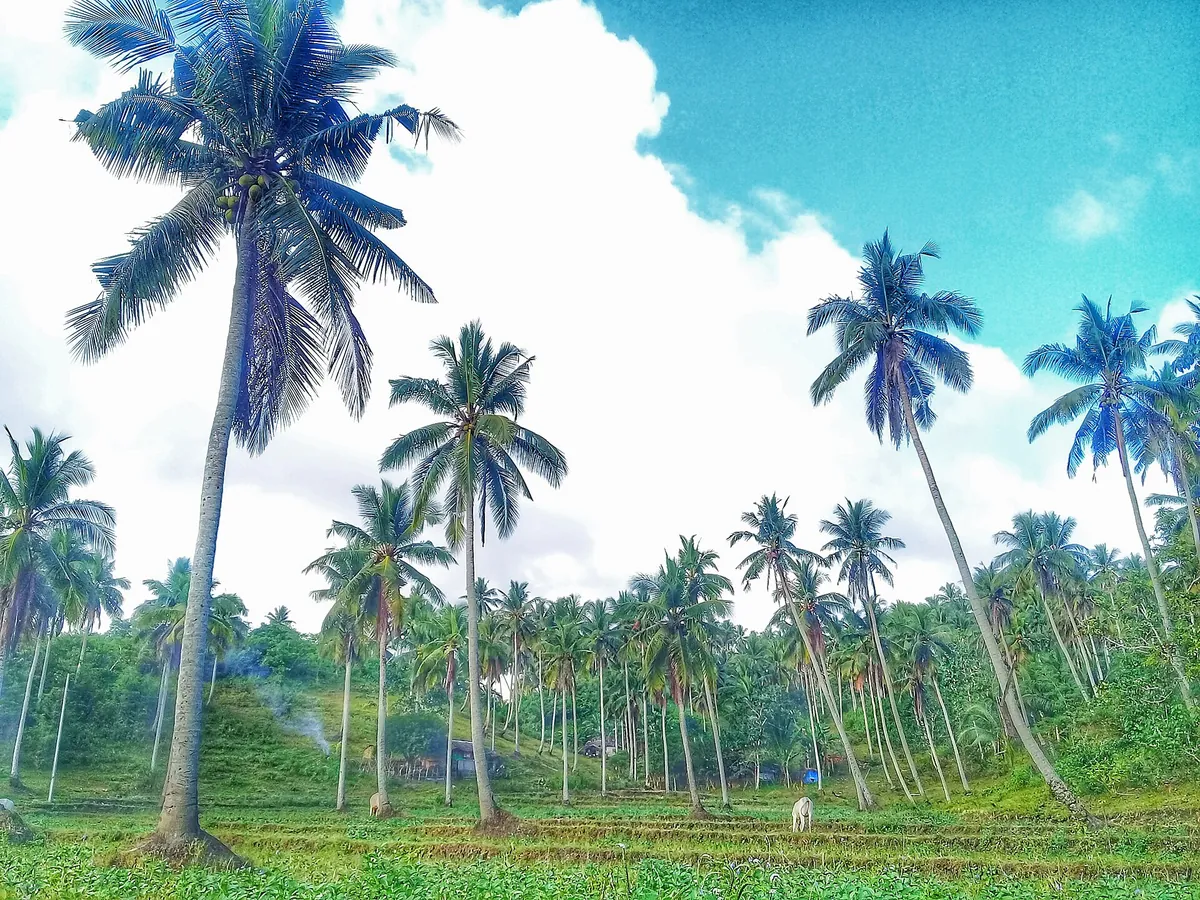
It is easy to skip fertilizer on coconut because the palms keep bearing. But in trials, unfertilized palms yielded less than fertilized ones. In those trials in South Cotabato, Zamboanga, Albay and Cagayan, nut count and copra weight rose once the palms got nitrogen and chlorine.
The good news is that coconut does not need expensive blends. It mainly needs nitrogen, chlorine and, on some soils, potassium. All three come in cheap, common fertilizers.
Choosing fertilizer for coconut tree in Philippines soils often starts with common salt, the usual chloride source for bearing palms away from the coast.
Why coconut needs chlorine and nitrogen
Most crops need only a trace of chlorine, but coconut uses a lot of it. A nationwide survey found at least 40 coconut producing provinces severely deficient in chlorine. The problem is worst in inland areas. That is why salt matters. No other source of chlorine costs less or does more for the copra harvest.
Sodium chloride speeds up the growth of young palms. It also adds copra weight and nuts, and it reduces leaf spot damage. Nitrogen comes next. The usual partner for salt is ammonium sulfate (21 0 0), which carries 21 percent nitrogen and 24 percent sulfur.
Fertilizer for coconut tree by age
Salt alone
If you can buy only one input, start with salt. These are the usual rates by age.
| Age or stage of the palm | Salt per tree per year |
|---|---|
| Nursery seedling | 50 grams |
| At field planting | 100 grams |
| Six months after planting | 150 grams |
| One year after planting | 500 grams |
| Two years after planting | 750 grams |
| Three years after planting | 1.10 kilograms |
| Four years after planting | 1.30 kilograms |
| Five years and older | 1.50 kilograms |
Ammonium sulfate plus salt
For faster growth, add ammonium sulfate to the salt. The schedule below is the palms' own program on farms that grow bananas under coconut. It covers fertilizer for coconut plants from field planting up to full bearing. Other guides give slightly different numbers, so ask your PCA office which one fits your area.
| Age of the palm | Ammonium sulfate | Salt |
|---|---|---|
| At field planting | 150 grams | 160 grams |
| Six months | 200 grams | 200 grams |
| One year | 500 grams | 480 grams |
| Two years | 750 grams | 720 grams |
| Three years | 1,000 grams | 1,250 grams |
| Four years | 1,250 grams | 1,350 grams |
| Five years and older | 1,500 grams | 1,700 grams |
For palms one to four years old, split each year's dose into two applications. That way less fertilizer is lost to leaching and runoff while the root system is still small.
Bearing palms: what the trials used
Researchers ran eight year fertilizer trials on hybrid coconuts in four regions. In South Cotabato they recommended 1.0 kilogram of ammonium sulfate plus 1.8 kilograms of salt per palm per year. In Albay, Zamboanga City and Cagayan, the rate was 1.5 kilograms of ammonium sulfate plus 1.3 to 1.5 kilograms of potassium chloride.
The lower fertilizer level was the most profitable. Doubling the dose did not pay back. So more is not better with coconut.
Potash fertilizer and coconut
Potassium chloride, sold as muriate of potash or 0 0 60, is the common potash fertilizer. For coconut it is a fertilizer with potassium and chlorine in one bag. As a rule, if a leaf analysis shows the palm short of both nutrients, use potassium chloride. If only chlorine is low, use salt instead, because it is much cheaper.
So do not buy potash by habit. Ask your PCA office for a leaf or soil analysis, or watch how your palms respond. Our guide to potash fertilizer explains the grades, and the one on ammonium sulfate covers the nitrogen side.
In the trials, 10 kilograms of cow manure or corn cobs per palm replaced ammonium sulfate well. But it only worked when salt or potassium chloride went with it. Farm wastes you get for free make the cheapest nitrogen. See more organic fertilizer examples.
How to apply fertilizer for coconut
Ring weed the base
Clear the weeds in a circle around the trunk, about 1 meter in radius, less for young palms.
Broadcast on flat ground
On flat to gently sloping land, spread the fertilizer evenly over the weeded circle.
Fork it in
Work it 2 to 3 inches into the soil with a fork. This matters most when you mix salt with a nitrogen fertilizer.
Use holes on slopes
On hilly land, dig 8 to 10 small holes, 3 to 5 inches deep, around the base. Divide the fertilizer among them so rain does not wash it away.
Time it to the rain
Where rain falls fairly evenly all year, fertilize bearing palms once a year. Where there are distinct wet and dry seasons, or on sandy soil, apply every six months.
Coconut tolerates salt, but most intercrops do not. Keep salt away from vegetables, bananas and young fruit trees between your palms. Also use agricultural grade salt. Follow the fertilizer application methods for your other crops.
Fertilizer for coconut tree in the Philippines: where to get help
PCA runs a coconut fertilization program that hands out agricultural grade salt fertilizer. Some of that salt comes from the Pangasinan salt center. If you are in the National Coconut Farmers Registry System, ask your PCA provincial office whether your area is covered.
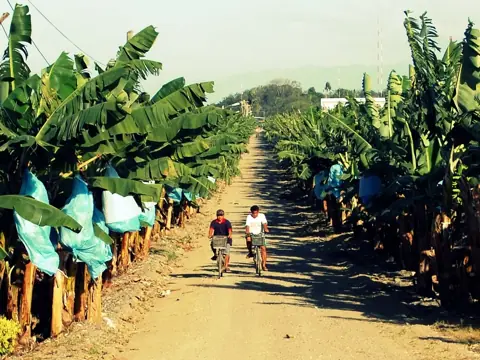
If you intercrop, the fertilizer for coconut stays on its own schedule. Our banana farming guide shows how to space bananas under coconut. Planting new seedlings? Read our Tagalog guide to pagtatanim ng puno for digging and early care.
Coconut is one of the 85 crops in the anee.io growth stages. Log a block of palms as a lot and date every fertilizer run on the cropping calendar. On Solo Farmer and Farm Owner, you can also track the sacks in your inventory.
See the cropping calendarYellowing fronds or few nuts? Send a photo to Anee, the anee.io smart farm technician. Anee checks your lot's stage and weather first, then answers in Tagalog or English.