Fertilizer for Plants: What to Use for Leaves, Fruit and Flowers
Fertilizer for plants puts back the nitrogen, phosphorus and potassium that each harvest carries away. Pick the wrong mix and you get leafy plants with no fruit, or weak plants that never fill. This guide explains why fertilizer is important, how to choose fertilizer for plants grown for leaves, fruit or flowers, and how to use organic and inorganic kinds at home or on the farm.
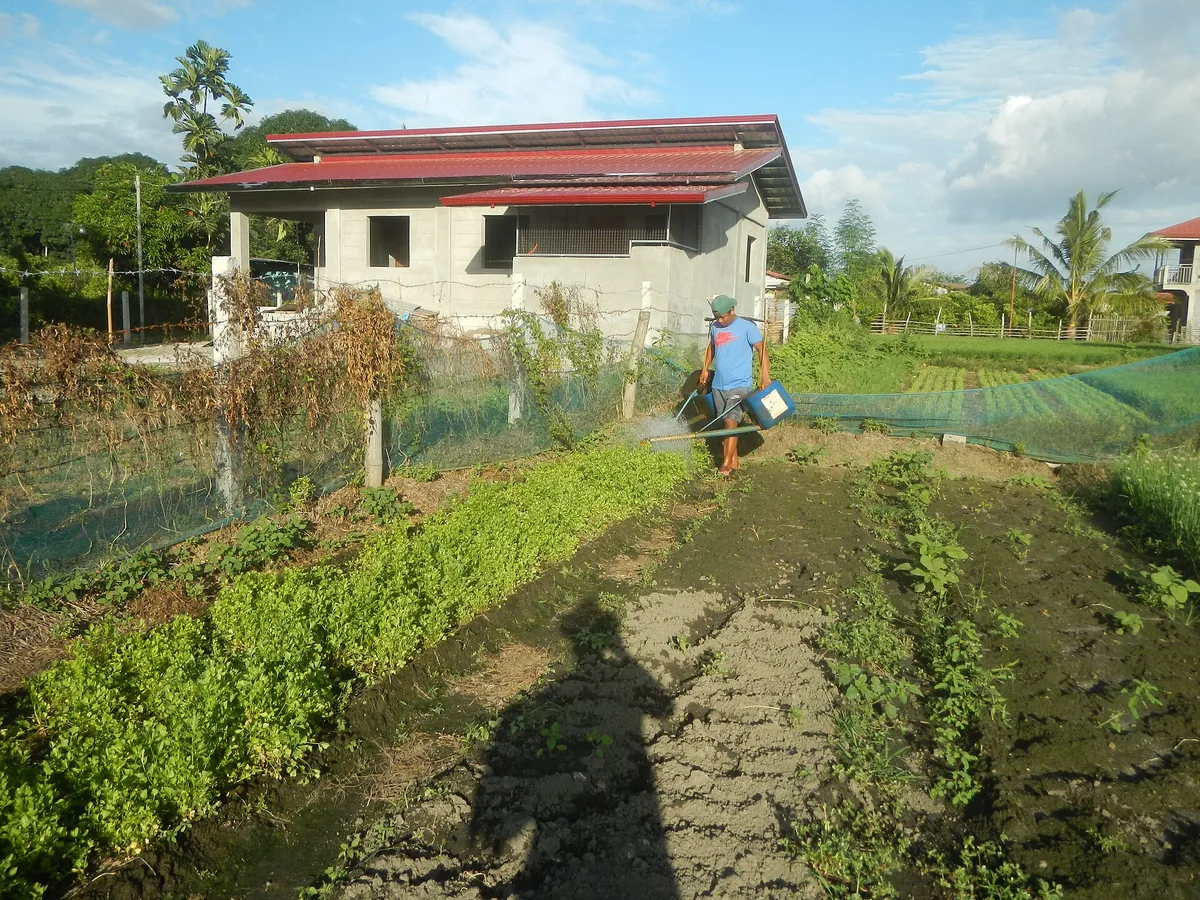
Which fertilizer plants need depends on what you want from them: leaves, fruit or flowers. New to the subject? Start with our guide to what fertilizer is.
Why fertilizer is important
Plants need 17 essential elements. Carbon, hydrogen and oxygen come from air and water, and the other 14 come from the soil. Every harvest hauls some of those soil nutrients away in the sacks. If nothing goes back, the soil runs down and yields slide, season after season.
That is the job of fertilizer in agriculture: to put back what the crop takes and what the soil lacks. Nitrogen, phosphorus, potassium, zinc and sulfur are now short in many rice soils. Farmers in irrigated lowlands also apply less fertilizer than the general recommendation, and fertilizer took about 8 percent of total rice production cost in 2020. So the question is rarely whether to fertilize, but what, how much and when.
What each nutrient does
| Nutrient | What it does | Signs of shortage | Common source |
|---|---|---|---|
| Nitrogen (N) | Leaf and stem growth, green color | Pale yellow older leaves, slow growth | Urea, ammonium sulfate, compost, FAA |
| Phosphorus (P) | Roots, early growth, flowering, seed | Stunted plants, dark or purplish leaves | 16 20 0, 18 46 0, 14 14 14 |
| Potassium (K) | Fruit fill, grain weight, strong stems | Scorched leaf edges, weak stalks | Muriate of potash, 14 14 14 |
| Calcium (Ca) | Cell walls, sound fruit | Blossom end rot in tomato | Lime, gypsum, ground eggshell |
| Sulfur (S) | Protein, green color | Yellow young leaves | Ammonium sulfate |
| Zinc (Zn) | Growth of young leaves and tillers | Stunted, bronzed or spotted leaves | Zinc sulfate, micronutrient foliar |
What fertilizer for plants should you choose?
Start with the part of the plant you harvest. Leaves want nitrogen, fruit and grain want potassium, and every young root wants phosphorus. Then let a soil test or your municipal agriculturist fine tune the rates. For calamansi and other fruit bearing trees, read our guide to fertilizer for fruit trees.
Leafy vegetables
Pechay, mustasa, kangkong and lettuce are all leaf. They respond best to nitrogen: compost or composted manure in the bed, then light side dressings of urea or ammonium sulfate, or regular sprays of fish amino acid. Too much nitrogen late in the crop, though, gives soft leaves that pests love.
Fruiting vegetables
Tomato, eggplant, ampalaya, okra and sili need a balanced start and more potassium later. A common plan is complete fertilizer (14 14 14) at transplanting, then side dressings that add potash once flowers and fruit appear. Our page on vegetables in the Philippines covers the best fertilizer for vegetables crop by crop, and potash fertilizer explains the potassium sources.
Fertilizer for flowering plants
Many gardeners reach for a fertilizer high in phosphorus to get more blooms. Phosphorus does support flowering, rooting and seed, and a fertilizer with phosphorus such as 16 20 0 at planting helps where the soil tests low.
More is not better, though. Too much phosphorus competes with the uptake of iron and manganese, which can yellow the leaves. It also harms the root fungi that help plants feed. Flowers need enough nitrogen and potassium too, plus plenty of sun.
Fertilizer for plants and flowers at home
Pots are different from fields. Every watering flushes nutrients out the bottom, and the small soil volume holds little. So potted plants do best with small, steady feeding. Here are three good options:
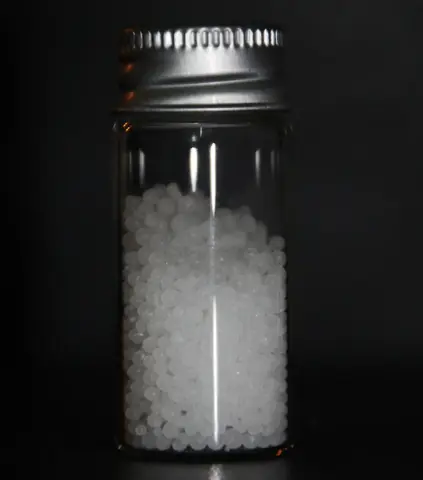
- Controlled release granules. Osmocote fertilizer is the best known. Its resin coated granules release nutrients over months, faster in warm weather, so one dose at potting lasts a long time. Follow the label rate for your pot size.
- Fertilizer liquid feeds. A water soluble grade such as 20 20 20, or fish emulsion, mixed at the label rate and poured on moist soil. It acts quickly, but you must repeat it.
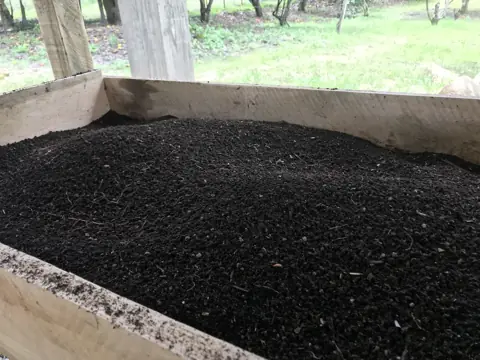
- Organic mix. Vermicast or compost in the potting mix, plus egg shell fertilizer for calcium. Grind the shells to powder, because large pieces take a year or more to break down.
Our guide to fertilizer for orchids also covers bougainvillea, roses and indoor plants.
Organic or inorganic: examples of each
Both kinds feed plants. They differ in speed, strength and what they do for the soil.
The organic fertilizer benefits are slow release, better soil structure, more water held in sandy soil, and livelier soil life. Common examples of organic fertilizer are compost, vermicast, composted chicken dung, fish amino acid and ground eggshells. Our list of organic fertilizer examples covers how to make and use each.
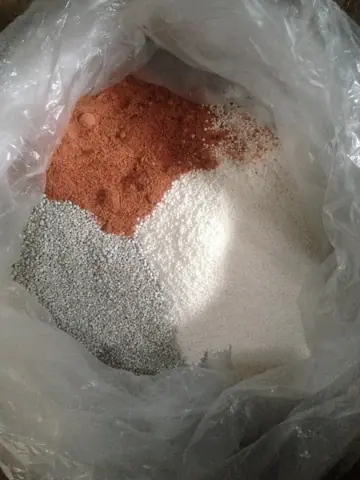
Inorganic fertilizers are strong, fast and cheap per kilo of nutrient. The main examples of inorganic fertilizer are urea, complete, ammophos, ammosul and muriate of potash, all explained in our inorganic fertilizer examples guide. Many farms use both: organic matter for the soil, plus a measured dose of inorganic fertilizer for the crop.
| Name | Type | Main nutrients | A good fertilizer example for |
|---|---|---|---|
| Urea (46 0 0) | Inorganic | Nitrogen | Leafy crops, top dressing palay and mais |
| Complete (14 14 14) | Inorganic | Equal N, P and K | Basal dose for most crops |
| Ammophos (16 20 0) | Inorganic | Nitrogen and phosphorus | Planting time, flowering crops on low phosphorus soil |
| Muriate of potash (0 0 60) | Inorganic | Potassium | Fruiting vegetables, banana, palay near panicle initiation |
| Osmocote | Controlled release | Depends on the grade | Pots and nurseries |
| Compost or vermicast | Organic | Organic matter, some NPK | Every bed and pot |
| Fish amino acid | Organic liquid | Mostly nitrogen | Leafy vegetables |
| Ground eggshell | Organic | Calcium | Potting mixes and compost |
How much fertilizer for plants, and how often
- Start from a soil test or a local recommendation, then use our fertilizer calculation guide to turn it into kilos.
- Split nitrogen into two or three doses instead of one big one.
- Keep granules off leaves and stems, and water them in if the soil is dry.
- Place fertilizer where the roots are. Our fertilizer application methods page shows each option.
- Cut back nitrogen once fruiting starts, or growth goes to leaves instead of harvest.
Too much fertilizer, or granules resting against roots and stems, draws water out of plant tissue and scorches it. Look for brown leaf tips and edges, or wilting in moist soil. If it happens, water deeply to flush the salts and skip the next dose.
Let anee.io and Anee guide your feeding
The anee.io app tracks growth stages for 85 Philippine crops, from palay and mais to vegetables and fruit trees. Pick a date and you see each lot's stage, what to do and what to watch for, so fertilizer lands when the plant can use it. The growth stages and weather view adds the week's forecast for each lot.
If leaves turn pale or spotted, snap a photo for Anee, the smart farm technician. Ask in Tagalog or English, such as "anong abono ang para sa kamatis?", and Anee checks your crop's stage and weather before it answers.
See every lot's growth stage, plan fertilizer on the calendar, and ask Anee in Tagalog or English. Start on the free Libre plan.
Sign up free