16 20 0 Fertilizer: Ammonium Phosphate for Palay and Mais at Planting
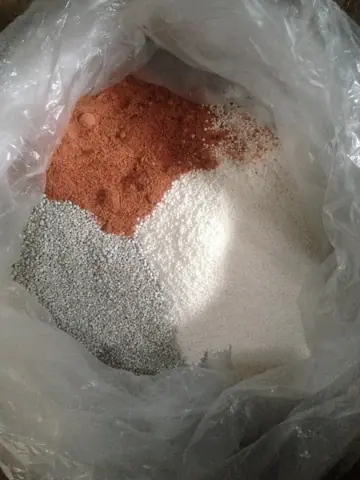
16 20 0 fertilizer is ammonium phosphate, sold in the Philippines as ammophos. Each bag gives 16 percent nitrogen and 20 percent phosphate but no potash. Farmers put it on at planting, when young roots need phosphorus. This guide covers what is inside, when to use it on palay and mais, and how it compares with complete fertilizer.
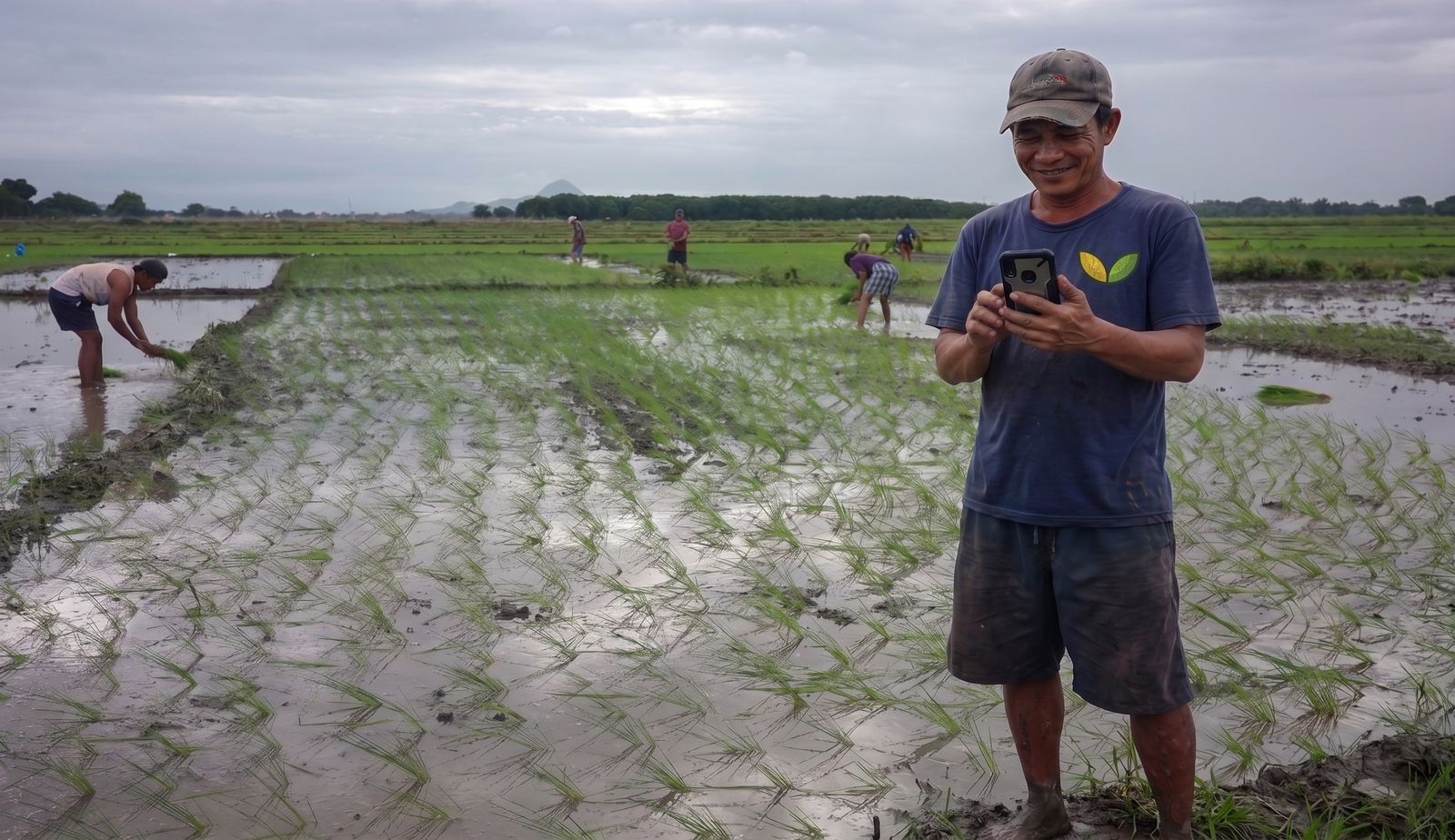
Many farmers just call it 16 20 fertilizer. The weekly price lists call it ammophos, and they track it right beside urea and complete. It is a fertilizer with phosphorus and nitrogen together, which makes it a good first dose for a young crop.
But it has one gap you must plan around: zero potassium. Get that part right and 16 20 0 can save you money at planting.
What is in a bag of 16 20 0 fertilizer
The grade reads nitrogen, phosphate and potash, in that order. So a 50 kg bag holds 8 kg of nitrogen, 10 kg of phosphate (P2O5) and no potash. The nitrogen comes in the ammonium form.
Many 16 20 0 products are ammonium phosphate sulfate, which also carries sulfur. The Indian maker GSFC, for example, sells it as 16 20 0 13, with 13 percent sulfur. On the FPA list of registered fertilizers, some local brands declare about 10 percent sulfur and others declare none. So read the label if your soil lacks sulfur.
Atlas fertilizer and other brands
Atlas Fertilizer Corporation, a Philippine maker, sells its 16 20 0 as Atlas Super Gro. Atlas describes it as a source of nitrogen and phosphorus plus the secondary nutrients calcium and sulfur. Many other companies register their own 16 20 0 with the FPA, most of them for all crops. Compare the price per bag and the label, since the grade is the same. Our guide to fertilizer brands and dealers has more tips.
Why phosphorus matters at planting
Phosphorus drives root growth, tillering, early flowering and ripening. It moves easily inside the plant but hardly at all in the soil. So phosphorus has to sit where the roots will grow, and it has to be there early. That is why a fertilizer rich in phosphorus, such as 16 20 0, goes on at planting.
For the same reason, mix all the phosphorus into the soil before the last puddling, or within 10 to 15 days after direct seeding. The basal window for rice is 0 to 14 days after transplanting (DAT), or 7 to 10 days after sowing (DAS).
Signs of phosphorus deficiency in rice
- Short plants of a deep green, their leaves small, thin and standing straight up
- Few tillers and thin, spindly stems
- Late maturity, and in severe cases no flowering
- Fewer grains per panicle and many unfilled grains
Fertilizer high in phosphorus: how 16 20 0 compares
| Grade | Common name | Nitrogen | Phosphate | Potash | Price per bag |
|---|---|---|---|---|---|
| 16 20 0 | Ammophos | 8 kg | 10 kg | None | PHP 1,753.71 |
| 14 14 14 | Complete | 7 kg | 7 kg | 7 kg | PHP 1,902.92 |
| 18 46 0 | Diammonium phosphate (DAP) | 9 kg | 23 kg | None | PHP 3,101.45 |
If you need a fertilizer high in phosphorus, DAP carries more than twice the phosphate of 16 20 0 in each bag. It also costs far more per bag. For most rice and corn farms, the real choice at planting is between 16 20 0 and complete fertilizer 14 14 14.
The trade looks like this. Two bags of 16 20 0 give 16 kg of nitrogen and 20 kg of phosphate for about PHP 3,507.42 at the September 2026 average. Two bags of 14 14 14 give 14 kg of each nutrient, including potash, for about PHP 3,805.84. So 16 20 0 gives more nitrogen and phosphorus for less money, but you must bring potassium from somewhere else.
How to use 16 20 0 fertilizer on rice
16 20 0 is one option for the basal dose. For a target of 5 to 6 tons per hectare, the usual plan calls for 2 bags of 14 14 14 or 16 20 0 per hectare at 0 to 14 DAT, or 10 to 14 DAS. Urea follows at tillering, then urea with half a bag of muriate of potash later on. The same plans add rice straw and 10 bags of chicken manure or compost.
If you choose 16 20 0 for the basal, remember the potassium. The first potassium dose goes on at 0 to 14 DAT, the same window as the basal. On soils short of potassium, add potash fertilizer at basal as your soil test or technician advises. Our page on fertilizer for rice shows the full season plan.
Phosphorus does not move far in soil. Broadcast 16 20 0 evenly and work it into the mud during the last harrowing, so it sits where the new roots will grow.
How to use 16 20 0 fertilizer on corn
For corn, put all the phosphorus and potassium, plus half the nitrogen, in the furrow at planting. The band goes about 5 cm beside and 5 cm below the seed, so the fertilizer does not touch it. That band is the first step of fertilizer application in corn. 16 20 0 fits it well, with muriate of potash added for the potassium.
The rest of the nitrogen goes on as a side dress 21 to 30 days after planting, during hilling up. Urea fertilizer usually does that job. For the rest of the crop, see pagtatanim ng mais.
Work out the bags for your farm
Say your plan uses 2 bags of 16 20 0 per hectare. For a 0.8 hectare lot, multiply 2 by 0.8 to get 1.6 bags, or 80 kg. For phosphorus from a soil test, divide the kilos of phosphate needed by 0.20. Our fertilizer calculation guide walks through each step.
Track 16 20 0 in your season with anee.io
The basal window closes at 14 DAT, and it is easy to miss when the transplanting crew runs late. In anee.io, the cropping calendar dates the basal task from each lot's own day zero. The farm inventory counts your bags of 16 20 0. Tick the task done and the bags leave stock, with their cost going straight to your expense report.
If you are torn between 16 20 0 and complete, ask Anee, the smart farm technician. She reads your lots and crop, then works out a fertilizer plan in Tagalog or English.
Sign up free and let anee.io date every fertilizer task from your own transplanting day.
Start free