Fertilizer Dealer Guide: Yara, Atlas and How to Compare Urea Prices
Your fertilizer dealer is often your first source of farm advice and your lender in a tight season. It is also where a big share of your input money goes. A good one sells registered products at a fair price and gives a receipt. This guide covers the license every fertilizer dealer needs and two brands, Yara and Atlas, that you may see on the shelf. It also shows a simple way to tell which bag is really cheaper.
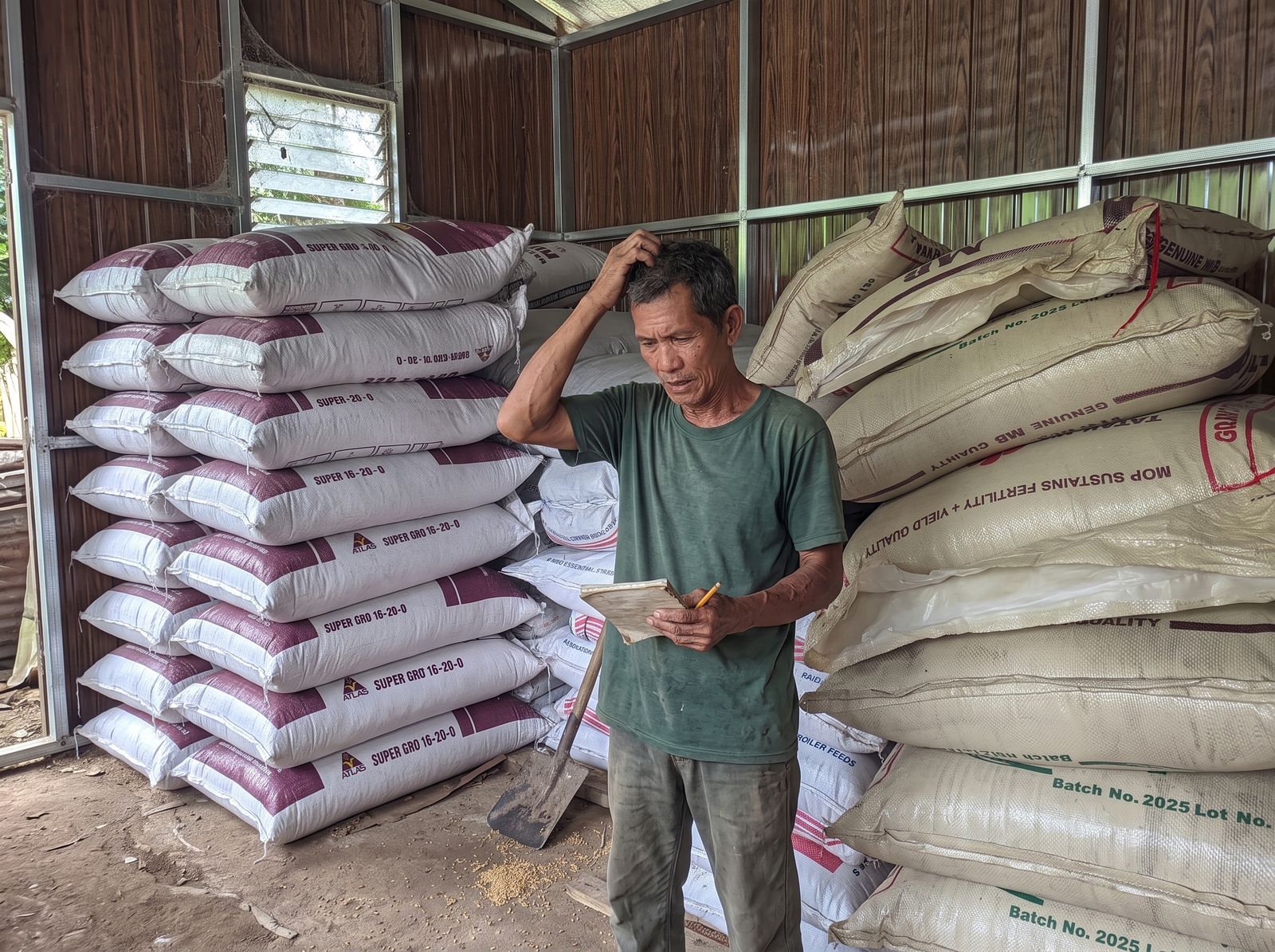
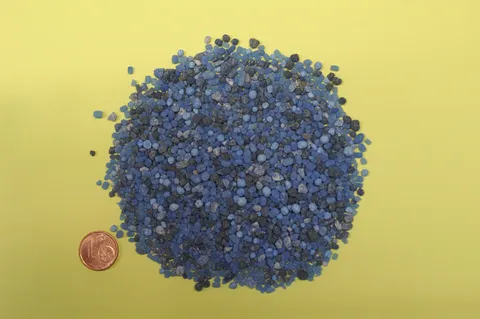
Commercial fertilizer means any manufactured fertilizer sold in a bag or bottle with a stated nutrient content, called the guaranteed analysis. Urea, ammosul, complete 14 14 14 and muriate of potash are all commercial fertilizer. Compost you make from rice straw and manure is not, though it still feeds the soil. Our pages on inorganic fertilizer examples and organic fertilizer examples explain the difference in more detail.
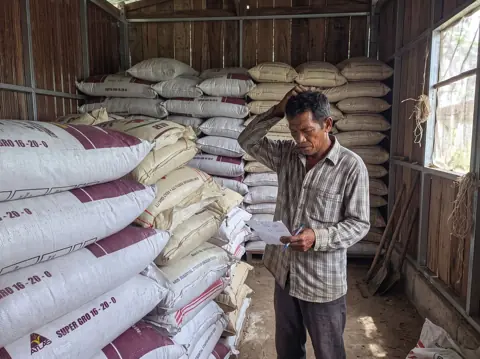
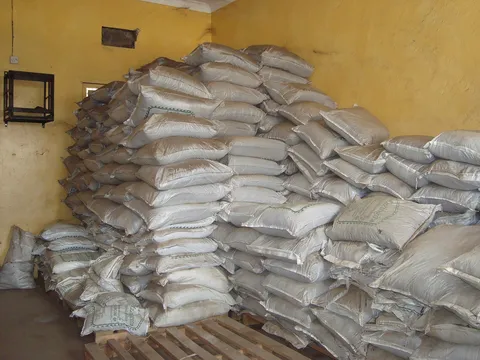
When you look for a fertilizer dealer, supply matters as much as price: a store that runs out at top dress time costs you more than a peso saved per bag. Imported names sit beside local ones. The fertilizer Yara sells here includes complete blends and calcium nitrate, and like any brand it is worth comparing by its grade and its price per kilo of nutrient.
Buy from a licensed fertilizer dealer
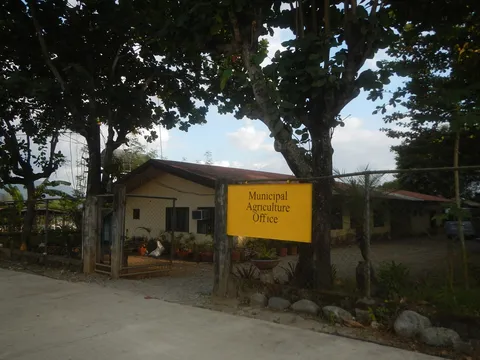
Every fertilizer dealer or farm supply store in the Philippines needs a license from the Fertilizer and Pesticide Authority, the FPA. The license comes after the dealer attends FPA training on safe handling and the rules of selling farm inputs. The FPA also inspects stores for unregistered, fake and off spec products.
Ask to see the license, or look up the store on the FPA list of licensed handlers. Our guide to the Fertilizer and Pesticide Authority shows how to check both the store and the product in a few minutes.
- Ask for an official receipt for every purchase, even on credit.
- Check that each bag is sealed, clean and marked with its grade and FPA registration number.
- Weigh one bag now and then. A 50 kg bag should weigh 50 kg.
- Ask the fertilizer dealer where the stock came from and how long it has sat in the store.
- Compare prices with the weekly price report for your province before you pay.
Yara fertilizer in the Philippines
Yara Fertilizers Philippines, Inc. has sold fertilizer in the country since 1986. It has its head office in Taguig City, main warehouses in Bulacan and Davao, and a satellite warehouse in Cebu. Its parent, Yara International, is a Norwegian company that began in 1905 as Norsk Hydro.
On the FPA fertilizer list, Yara fertilizer includes the Viking Ship urea line and Viking Ship NPK 14 14 14. It also includes YaraMila compound fertilizers, YaraLiva calcium nitrate and YaraVita foliar micronutrients.
Yara Winner fertilizer
The product most farmers call Yara Winner fertilizer is YaraMila Winner, grade 15 9 20. The FPA list shows it with added sulfur, magnesium, boron, manganese and zinc. Yara says it mixes nitrate and ammonium nitrogen and suits vegetables at flowering and fruiting. Its high potassium share fits crops that are setting flowers and fruit.
Atlas Fertilizer Corporation
Atlas Fertilizer Corporation was incorporated on October 10, 1957, and calls itself the oldest operating fertilizer company in the country. It says it was also the first to make a complete line of mixed grades, the NP, NPK and NK fertilizers farmers know. Its plant stands in Daanlungsod, Toledo City, Cebu, and its head office is in Makati. The Japanese trading company Sojitz Corporation owns it.
On the FPA list, Atlas fertilizer products include Atlas Urea, Atlas Ammosul 21 0 0 and Atlas Super Gro 16 20 0. The list also shows Atlas Perfect Gro 14 14 14, diammonium phosphate 18 46 0 and muriate of potash. Atlas also offers a phone app, Atlas Fertilizer Expert, that gives fertilizer recommendations for rice and corn.
Yara and Atlas are two names among many on the FPA list. This page does not rank any fertilizer company in the Philippines. What matters more is the grade, the price per kilogram of nutrient, and a licensed store. To find a licensed seller close to you, see our fertilizer store near me guide.
Urea fertilizer price this season
The FPA posts retail fertilizer prices every week. For September 14 to 18, 2026, the national weighted average urea fertilizer price was PHP 2,320.69 per 50 kg bag of prilled urea. Granular urea averaged PHP 2,322.28. Regional averages for prilled urea ran from about PHP 2,156 in the Cordillera to about PHP 2,678 in Zamboanga Peninsula. Prices move with global oil and gas prices, the exchange rate and the season, so check the latest report before you buy. For more on the product itself, see our urea fertilizer guide. For the prices of other grades, see our fertilizer price guide.
Compare the price per kilogram of nutrient
A cheaper bag is not always cheaper fertilizer. What you pay for is the nutrient inside, so divide the bag price by the kilograms of nutrient it holds. A 50 kg bag of urea at 46 percent nitrogen holds 23 kg of nitrogen. A bag of ammosul at 21 percent holds only 10.5 kg.
| Fertilizer | Grade | Price per 50 kg bag | Nutrient in the bag | Price per kg of nutrient |
|---|---|---|---|---|
| Urea, prilled | 46 0 0 | PHP 2,320.69 | 23 kg N | PHP 100.90 |
| Ammosul | 21 0 0 | PHP 1,213.63 | 10.5 kg N | PHP 115.58 |
| Complete | 14 14 14 | PHP 1,902.92 | 21 kg N, P2O5 and K2O | PHP 90.62 |
| Ammophos | 16 20 0 | PHP 1,753.71 | 18 kg N and P2O5 | PHP 97.43 |
| Muriate of potash | 0 0 60 | PHP 1,668.08 | 30 kg K2O | PHP 55.60 |
So on nitrogen alone, urea costs less per kilogram than ammosul that week. But ammosul also carries about 24 percent sulfur, which some soils need. Compare like with like. The complete and ammophos rows add several nutrients together, so their price per kilogram cannot be set against urea's nitrogen price. Match each grade to the nutrients your crop needs. Our fertilizer calculation guide shows how to turn a recommendation into bags per hectare.
Kilograms of nutrient in a bag equals the bag weight times the grade number, divided by 100. Then divide the bag price by that number. Do it for every bag you are offered and compare bags that give the same nutrient.
How to avoid fake fertilizer
The FPA warns buyers about products that are unregistered, smuggled, underweight, expired or below standard, including those sold online. A bag that sells far below the weekly average for your province deserves a hard look. So do resewn bags, faded print and a grade that does not match the FPA list. If in doubt, email the FPA at focu@fpa.da.gov.ph, the address it lists for complaints. You can also visit the nearest regional field unit with the bag and your receipt.
Track every bag in anee.io
In anee.io, each bag goes into the farm inventory with its price. Each fertilizer activity can then record what it used from that stock. The farm reports then show what fertilizer really cost you per lot and per season. You can also plan grades and rates ahead in the protocol builder. And Anee answers in Tagalog or English when you ask which grade fits your crop stage.
Log each bag in the inventory, see fertilizer spending per lot in your reports, and plan the next season's program ahead of time.
Create a free account