What Is Fertilizer? Definition, Types, Components and Examples with Pictures
Fertilizer is any material, natural or factory made, that supplies the nutrients plants need to grow, usually through the soil. That is the usual international definition, and Philippine law says much the same. Its main nutrients are nitrogen, phosphorus and potassium, the three numbers on every bag. anee.io, a farm app built for Filipino farmers, adds them up for your crop with its NPK Plus Calculator.
This guide covers the word, the bag, the types with photos and a short history. For which bag suits which crop, see fertilizer for plants.
- Fertilizer is plant food: it supplies nutrients the soil lacks.
- Say it FUR tuh ly zer. In Tagalog, it is abono or pataba.
- The three numbers on a bag are percent nitrogen, phosphate and potash.
- Main types: inorganic, organic, biofertilizer, water soluble, controlled release.
- Every fertilizer sold in the Philippines must be FPA registered.
Fertilizer definition: what the word means
Put simply, fertilizer is anything, from manure to a blend of chemicals, that you add to soil to make it richer. The usual international definition is wider: any chemical or natural material that provides nutrients to plants, usually through the soil, but also through leaves or paddy water.
In the Philippines, the legal fertilizer definition comes from Presidential Decree 1144 of 1977. It covers any substance, organic or inorganic, applied to the soil to promote growth, raise yield or improve quality. So the fertilizer meaning, in farm words, is plant food you add because the soil alone falls short.
| Question | Answer |
|---|---|
| How to say it | FUR tuh ly zer, stress on the first part |
| Other spelling | Fertiliser |
| Synonyms | Plant food, manure, dressing, compost |
| In Tagalog | Abono or pataba |
| First known use in English | About 1661, by Merriam Webster's record |
Fertilizer pronunciation, synonyms and the word in Tagalog
Merriam Webster gives the fertilizer pronunciation as FUR tuh ly zer. The most common fertilizer synonym is plant food. In Tagalog, fertilizer is abono or pataba, and most farmers say abono. Our farm words in Tagalog list has more.
Fertilizer components: what is inside the bag?
Every bag shows three numbers, the grade: the percent of nitrogen (N), phosphate (P2O5) and potash (K2O), in that order. So a 50 kg bag of complete 14 14 14 holds 7 kg of each. Each fertilizer name on a bag pairs a common name, such as urea, with its grade.
Behind those numbers sit fertilizer ingredients such as urea, ammonium phosphate and potassium chloride. The University of Georgia notes that phosphate times 0.44 gives actual phosphorus, and potash times 0.83 gives potassium. The rest of the weight is secondary nutrients, the other parts of each compound, and in some products filler for easier spreading.
| Group | Nutrients | Where you meet them |
|---|---|---|
| Primary nutrients | Nitrogen, phosphorus, potassium | The three grade numbers on every bag |
| Secondary nutrients | Sulfur, calcium, magnesium | Ammonium sulfate, lime, dolomite |
| Micronutrients | Zinc, boron, iron, manganese, copper, molybdenum, chlorine and others | Zinc sulfate, foliar mixes, compost |
| Other parts | Filler, granule coatings, organic matter | Blends, controlled release granules, compost |
The fertilizer effect on plant growth
Plants need these nutrients to build leaves, roots and grain, and the one in shortest supply holds growth back. Here is what each does in rice.
- Nitrogen speeds growth and raises yield through more tillers, leaf area and grain filling. Without enough, plants stay small and yellowish green.
- Phosphorus builds roots and drives tillering, flowering and ripening. Without enough, plants are stunted and dark green.
- Potassium strengthens roots, helps prevent lodging and raises resistance to pests and diseases. Without enough, older leaves brown at the tips and edges.
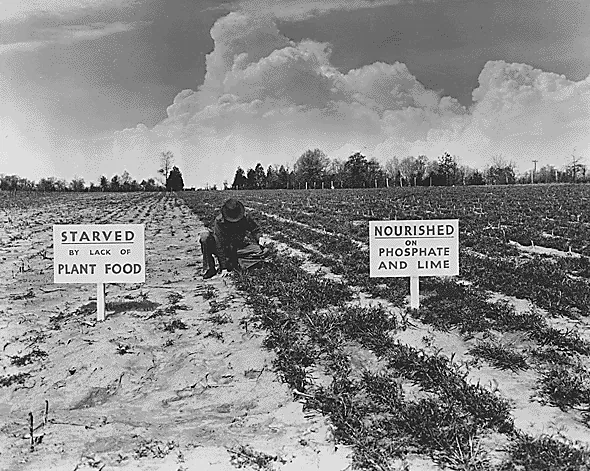
More is not always better. The international fertilizer code warns against overuse as well as underuse, since nitrogen and phosphorus lost from fields pollute water.
Fertilizer types, with pictures
Fertilizer types differ in where they come from and how they work. The FPA list of registered fertilizers, updated September 15, 2026, sorts products by type, including biofertilizer, biostimulant and controlled release fertilizer.
| Type | What it is | Examples |
|---|---|---|
| Inorganic | Factory made or mined, rich, fast | Urea, complete 14 14 14, ammophos, muriate of potash |
| Organic | From plants and animals, slow, builds soil | Compost, manure, vermicast, rice straw |
| Biofertilizer | Living microbes that fix nitrogen or free up nutrients | Azospirillum inoculants, azolla |
| Water soluble | Dissolves fully, for leaf sprays or drip lines | NPK powders such as 19 19 19 |
| Controlled release | Coated granules that release slowly | Polymer coated NPK |
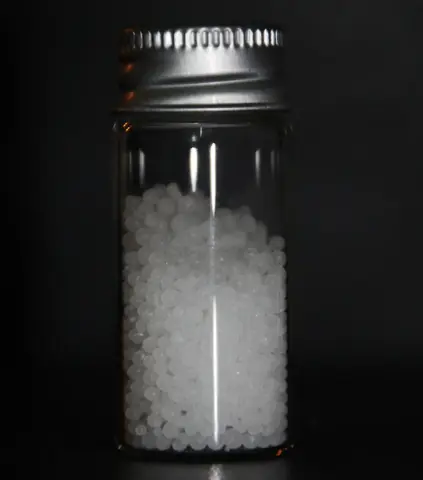
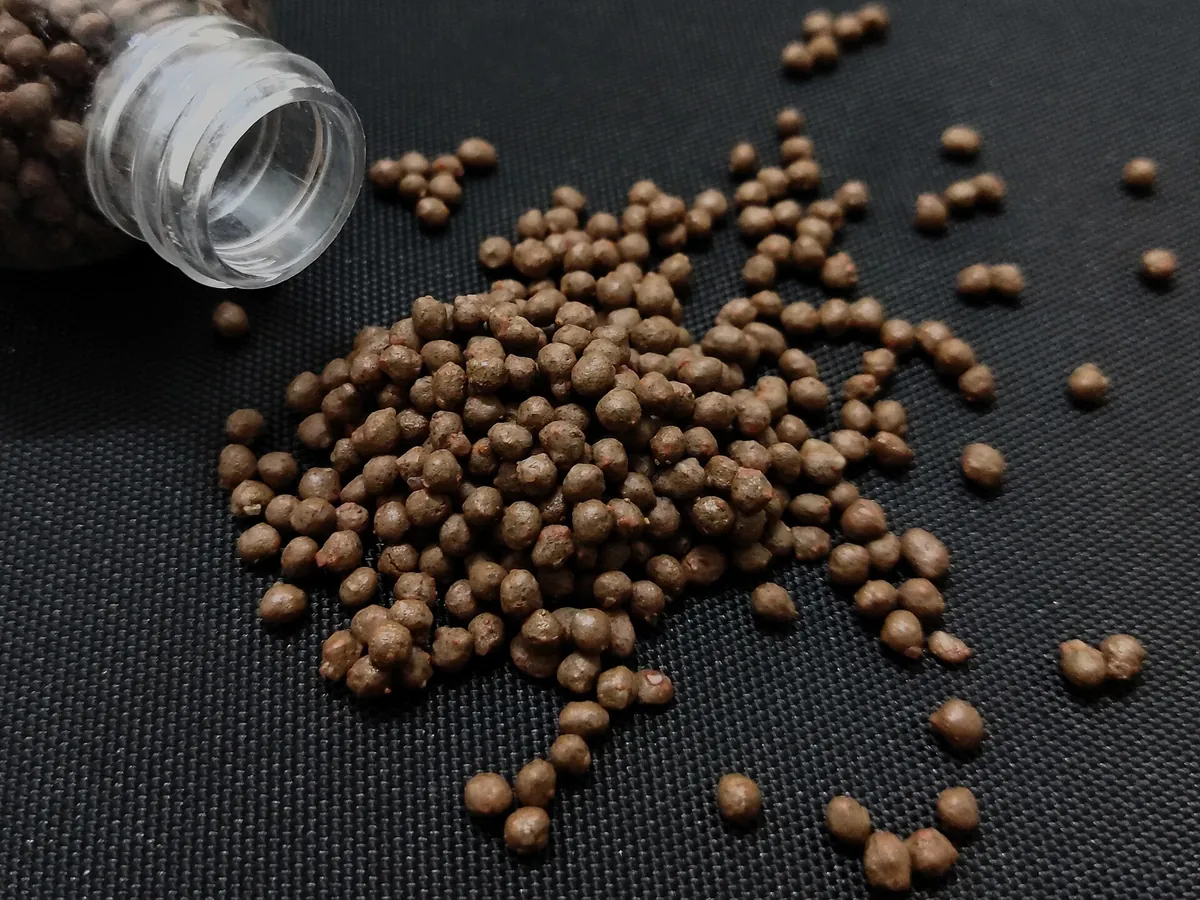
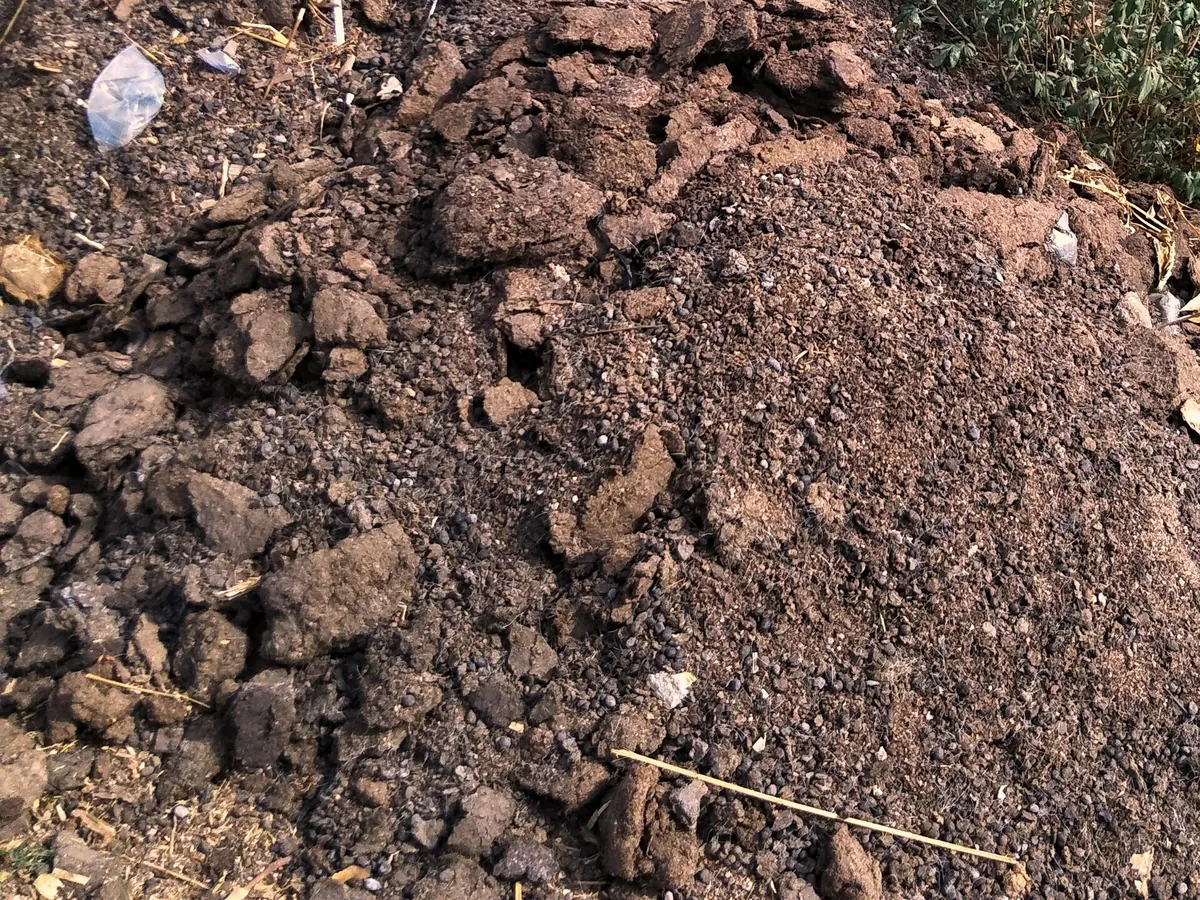
These fertilizer images with names show what the common types look like.
Inorganic fertilizer
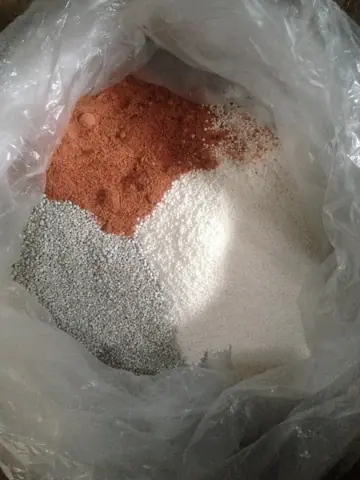
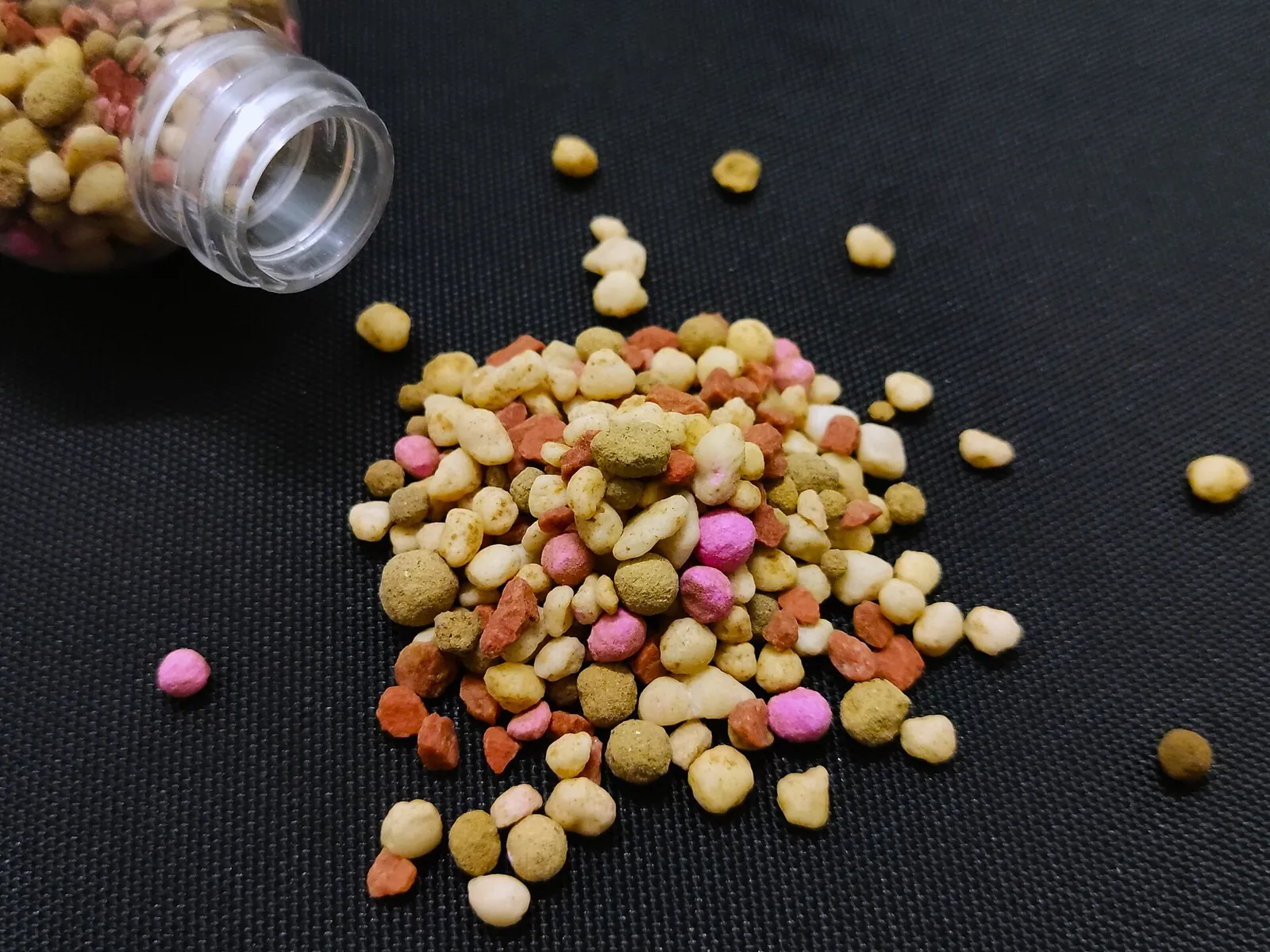
Inorganic fertilizer is what most farmers mean by abono. Straight fertilizers like urea carry one main nutrient, while compound and blended fertilizers carry two or three. A compound comes as round granules of one color. A bulk blend, like the one at the top of this page, mixes different granules, so it shows several colors.
Read our guides to urea 46 0 0, complete 14 14 14, 16 20 0, ammonium sulfate 21 0 0, potash and more inorganic fertilizer examples.
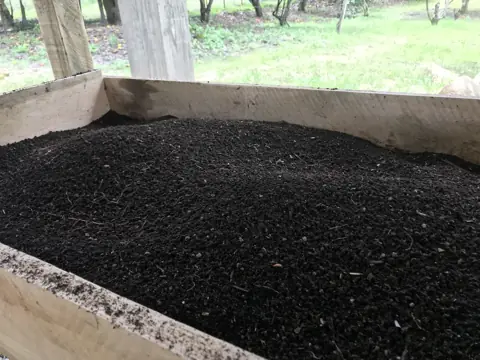
Organic fertilizer
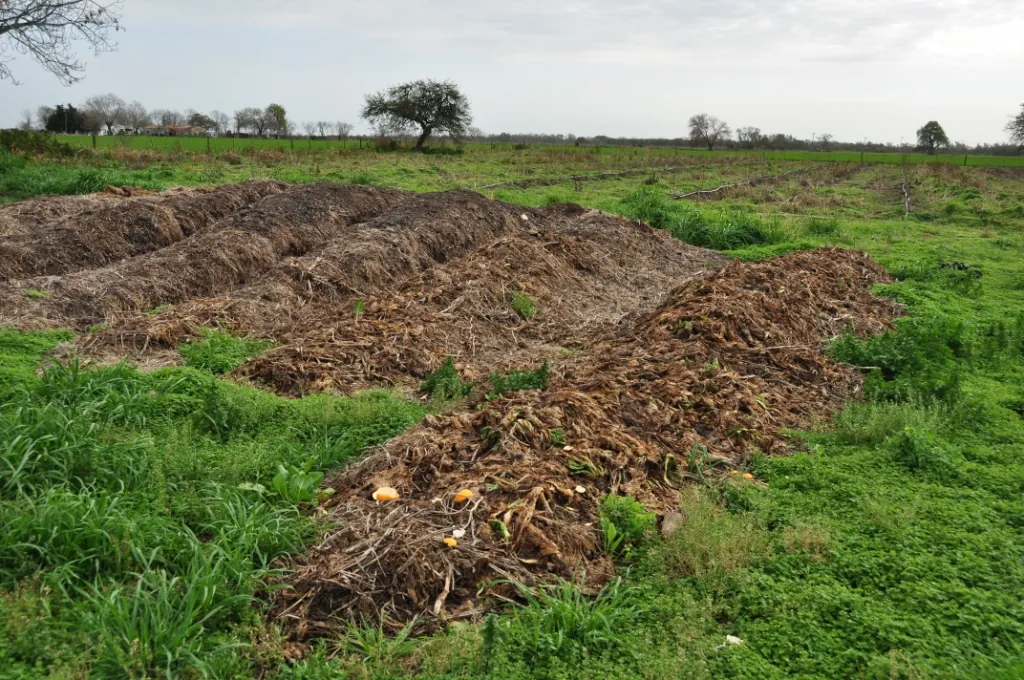
Organic fertilizer comes from plants and animals. It is carbon rich, made from manure, compost, vermicompost and similar materials. The Philippine standard, PNS/BAFS 183:2023, asks it for 5 to 10 percent total NPK. Our organic fertilizer examples show how to make and use each one.
Biofertilizer
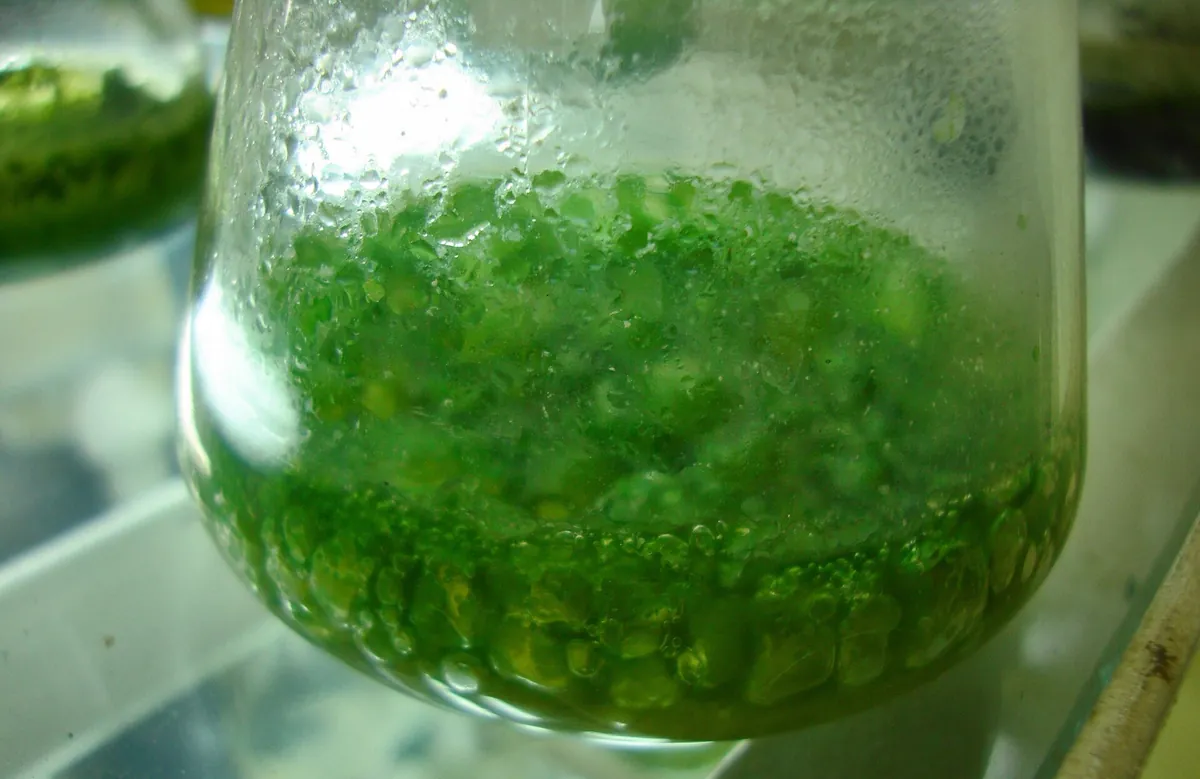
A biofertilizer carries living or dormant microbes, such as bacteria, fungi or algae. They fix nitrogen from the air or free up soil nutrients. For rice in the Philippines, Azospirillum bacteria and the water fern azolla are the best known. Their gains are real but modest, as our page on organic vs inorganic fertilizer explains.
Water soluble, foliar and controlled release fertilizer
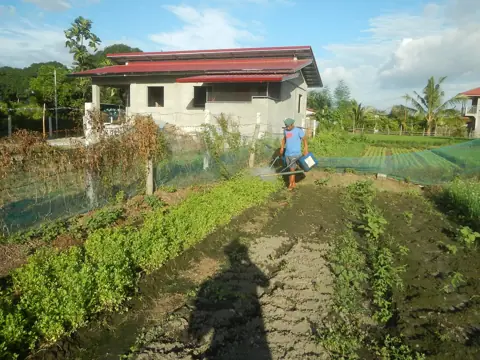
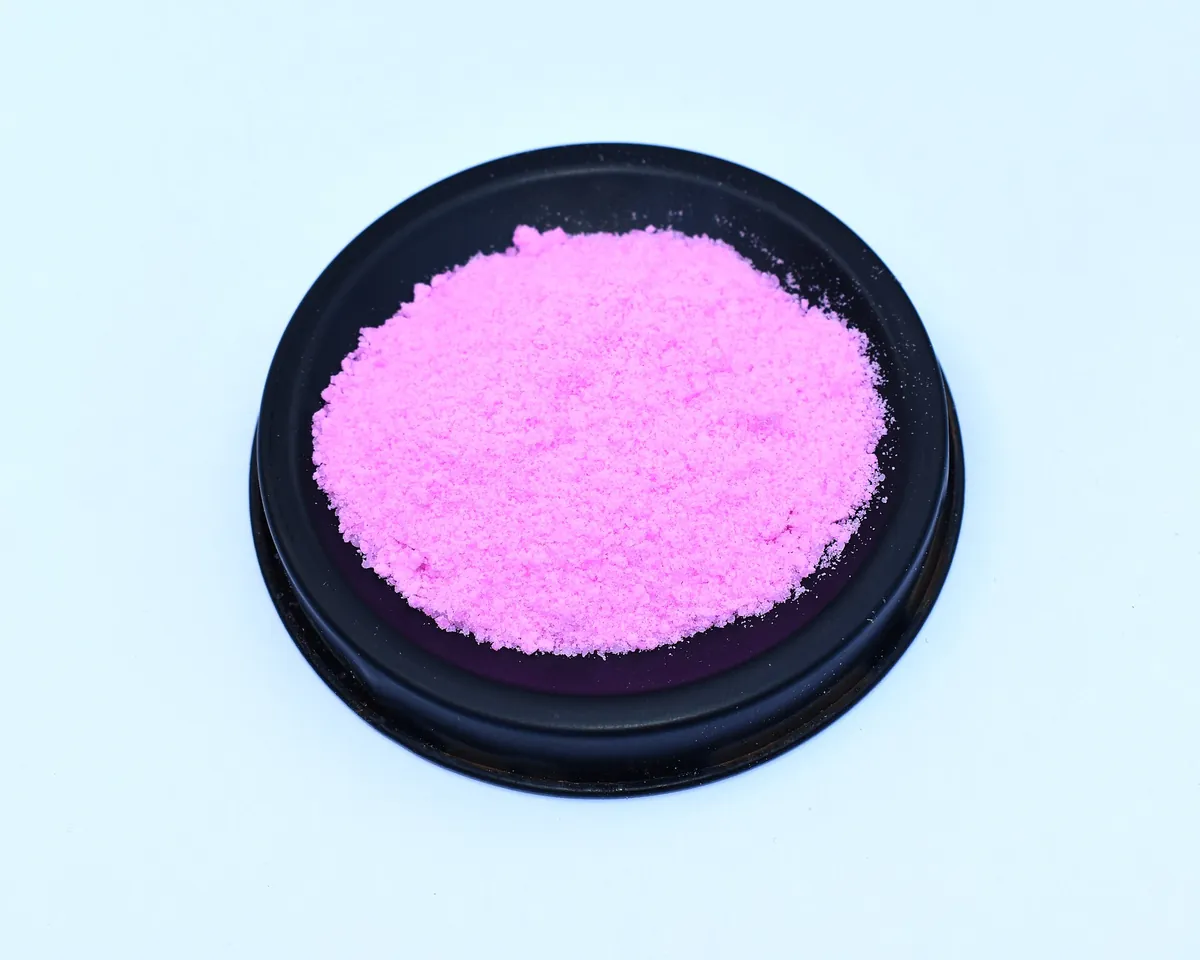
Water soluble fertilizer dissolves completely, so it can be sprayed on leaves or sent through a drip line. Leaves take in only small amounts, so a spray only tops up the soil program. See our foliar fertilizer guide.
Controlled release fertilizer has a coating on each granule that lets nutrients out slowly. It costs more per kilo of nutrient, so it suits pots and nurseries more than a hectare of palay.
Fertilizer clipart and an easy drawing for school
Students often need a picture of fertilizer for school work. A simple, easy fertilizer drawing for a poster is a sack with its grade on the front, such as 14 14 14. Clipart of a fertilizer sack works the same way, and the photos here show the real thing.
A short history of fertilizer
Farmers used manure, ash and compost long before anyone measured why they worked. Fertilizer science is much younger.
| Year | What happened |
|---|---|
| 1843 | Lawes and Gilbert start the Broadbalk experiment at Rothamsted, England. One strip has had no fertilizer since |
| 1918 | Fritz Haber wins the Nobel Prize in Chemistry for making ammonia from its elements, the base of urea |
| 1962 | A long term continuous rice cropping experiment starts in Los Baños, Laguna |
| 1977 | Presidential Decree 1144 creates the FPA and requires fertilizer registration |
| 2019 | An international code of conduct on fertilizer use comes out |
| 2023 | The Philippines updates its organic fertilizer standard, PNS/BAFS 183:2023 |
What fertilizer research shows today
Long experiments still teach the most. Broadbalk's unfertilized strip shows what the soil gives on its own. Since 1968, a field in Los Baños has grown three rice crops a year while testing four nitrogen rates. Closer to the farm, fertilizer research turns into bag plans and product trials, which our page on rice growth enhancers reviews.
Count your fertilizer with anee.io
Knowing the fertilizer definition helps you read a bag. Next comes knowing what your crop needs. The NPK Plus Calculator in anee.io adds up the nutrients in the fertilizers you pick and checks them against your crop. Then the Protocol Builder puts each dose on its day. Anee, the smart farm technician, explains any label in Tagalog or English, using credits.
Pick your fertilizers and see the nitrogen, phosphorus and potassium per hectare.
Try NPK Plus