Root Crop Land Preparation: Ridges, Mounds and Drainage
Root crop land preparation has one job: give the roots loose, deep soil that never sits in water. Kamote, cassava, ube and gabi all swell underground, so a hard layer or a flooded bed costs you tubers. Here is how to plow, ridge, mound and drain the field, with the numbers for each crop.
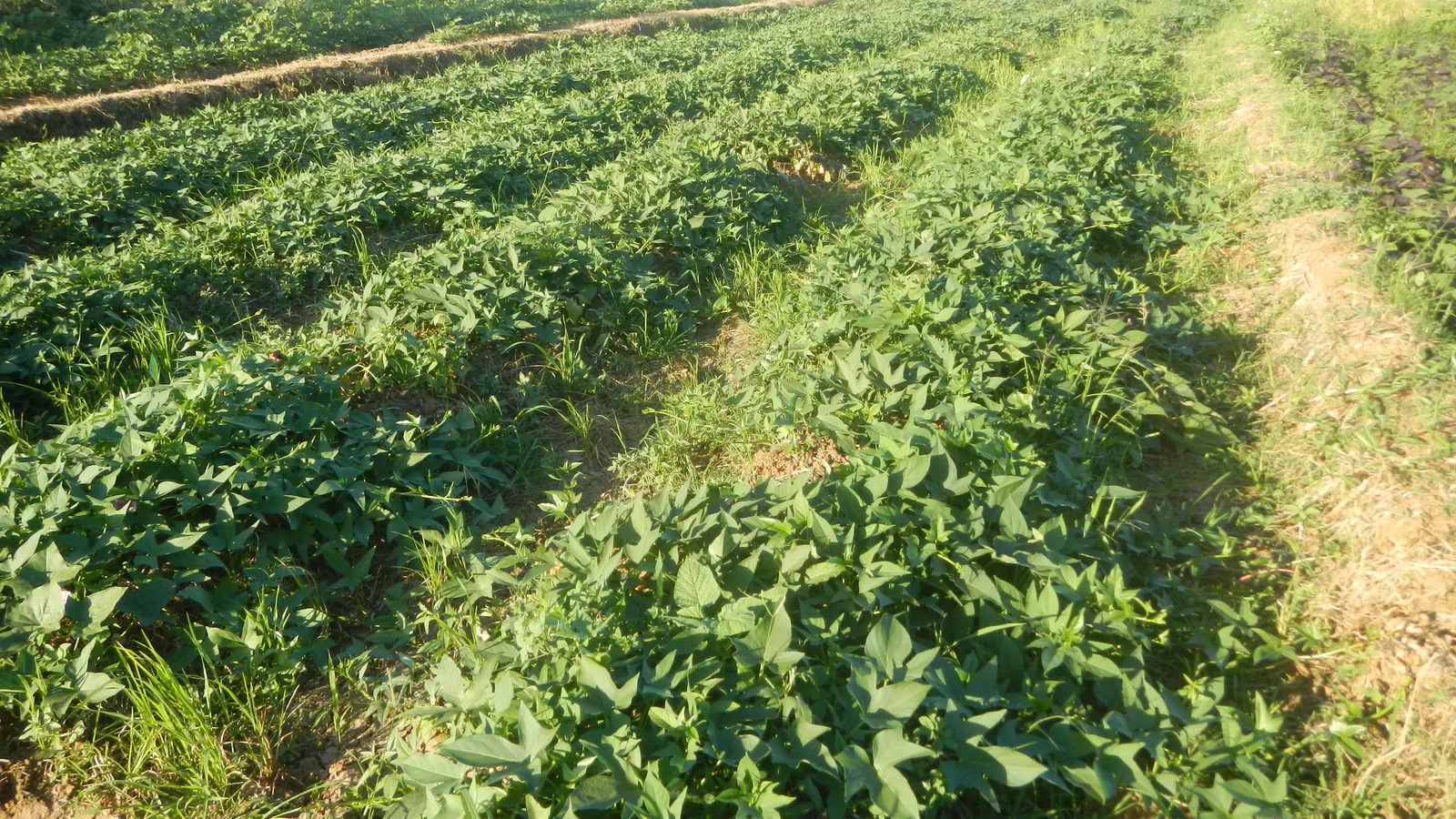
This guide covers kamote (sweet potato), ubi, cassava and gabi. Gabi guidance is thinner, so we say so where it applies.
Root crops forgive poor soil more than vegetables do. They do not forgive standing water. So drainage comes first in every step below.
Root crop land preparation: the basic order
Pick a well drained site
For kamote, choose a flat or gently sloping field (0 to 5 percent slope) where water drains away. Fresh cuttings rot if they sit in waterlogged soil for over 24 hours.
Plow deep
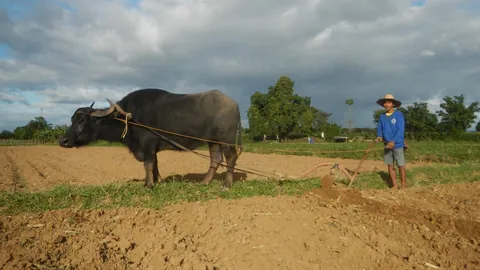
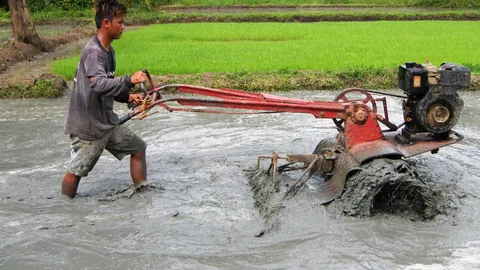
Plow when the soil is damp, not too wet and not too dry. Plow deeply to aerate the soil and kill roots and weeds. Ube needs a deep, loose soil, so plow deep for it too.
Harrow once or twice
For kamote, harrow twice on clay loam and once on sandy loam. For ube, two plowings and two harrowings are usually enough, along and across the field.
Mix in organic matter
Spread compost or manure before the last harrowing so it goes into the soil. Use 5 to 10 tons per hectare for kamote and 2 to 5 tons per hectare for ube.
Make ridges, mounds or flat beds
Choose by soil and rain, as the table below shows.
Ridges and mounds by crop
| Crop | Ridges or beds | Planting and spacing |
|---|---|---|
| Kamote (sweet potato) | Ridges 15 to 20 cm high, 75 to 100 cm apart. Not needed on sandy loam | Cuttings 25 to 30 cm apart, 10 to 15 cm deep, on furrows in sandy loam and on ridges in clay loam |
| Kamote, higher ridges | Ridges 30 to 45 cm high, 90 to 120 cm apart, higher in wet areas | Mounds suit farmers who use hand tools only |
| Ube (ubi) | Flat or ridged beds. Ridges 1 m apart | Setts on ridges 1.0 m apart, hills 0.5 to 0.6 m apart |
| Cassava | Ridges or mounds where soil is wet or poorly drained | Stakes on top of ridges in wet soil, on the flat in dry spells |
| Gabi (taro) | Furrows or flat beds in the upland, rice style puddling in the lowland | Setts 100 to 120 g, 75 cm between rows, 50 cm between plants |
Ridge heights for kamote vary, so ask your municipal agriculturist which fits your rain. Go higher where the field is wet.
Kamote: ridges and the soil
Kamote needs a soft, uniform soil to form the hills or ridges. A Pacific sweet potato guide warns that heavy machinery can leave a compacted layer, especially in clay. That hard pan causes waterlogging and poor roots.
Soil pH should be 5.5 to 6.5 and the soil should have at least medium fertility. Get a soil test. Hill up the plants two to four weeks after planting, before the canopy closes, and keep soil disturbance in the ridge small to avoid root damage.
Cassava: tillage, drainage and zero tillage
Cassava can yield well with no tillage when the soil is in good health, holds a good crumb and is not packed hard. On worn out soil, skipping tillage may lower the harvest for the first few years. Reduced or zero tillage also lowers the risk of waterlogging, because it keeps internal drainage.
If you till, wait until the soil is neither dry and hard nor wet and sticky. A subsoiler can break up a compacted layer. On slopes, plow and ridge along the contour to cut erosion. Get the crop in with the first rains, because planting late can cut the harvest hard. In heavy rain, plant stakes on top of ridges or mounds, but stakes planted in dry periods sprout better on the flat.
A 1987 Philippine trial found that the land preparation method did not change cassava yield or weed growth. The best result came after planting: off barring at 2 weeks, hand weeding at 3 weeks, and hilling up at 5 and 7 weeks. Prepare the field well, but plan these passes too.
Ube: deep soil and trellis
Ubi needs a well drained area but grows in all kinds of soil, and prefers clay loam rich in organic matter. Make the ridges one meter apart and contour them on rolling land. If you use flat beds, plant right after the last harrowing.
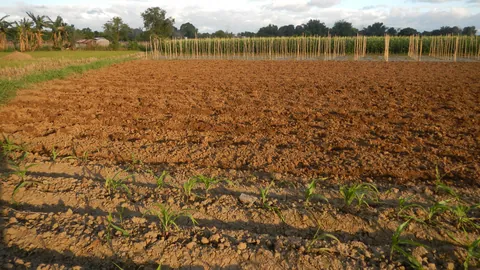
Most ubi goes in from March to May, though the rains' first weeks are the best time. Mulch right after planting with coconut fronds, corn stalks, rice straw or grass clippings that are free of weed seeds. Ubi also gives higher yield with a trellis, so plan your stakes before planting. If you stake in rows, remember that the stakes may block animal drawn weeding.
Gabi: upland and lowland
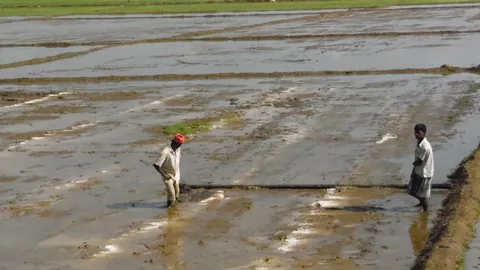
For upland gabi, plow and harrow thoroughly to kill weeds and pulverize the soil, then set furrows or plant flat. For lowland gabi, prepare the field like lowland rice, with the weeds removed and the soil puddled. Confirm these details with your local DA office.
A 1984 Philippine study on upland taro found that planting in holes beat flat planting at every plant population in leaf area and total yield.
Land preparation days go on the calendar, dated back from planting. Set your day zero and anee.io places plowing, ridging and the post planting passes for you.
See the cropping calendarChange the work by soil and season
- Clay loam. Harrow twice and ridge. Kamote goes on ridges in clay loam.
- Sandy loam. Harrow once. For kamote, ridging is not necessary and cuttings go in furrows.
- Heavy or wet soil. Use higher ridges or mounds and keep canals open. Plant cassava on ridges or mounds when the soil is poorly drained.
- Acidic soil. Kamote wants pH 5.5 to 6.5, so test first. Read our acidic soil preparation guide if your test comes back low.
- Salty or alkaline soil. See saline soil preparation and sodic and alkaline soil preparation.
- Dry season and wet season. Cassava stakes sprout better on the flat in dry spells, and do better on ridges or mounds when heavy rain leaves the soil wet.
Common mistakes
- Plowing when the soil is too wet, which smears and compacts it.
- Planting cuttings in a low spot where water stands for a day.
- Ridging sandy loam that does not need it for kamote, which adds work for nothing.
- Ignoring the post planting passes, which matter as much as the first plowing.
- Skipping a soil test and guessing the fertilizer.
Ask Anee, the smart farm technician, when your soil or rain does not match the guide. Log compost and manure in the farm inventory so each ridge has a cost.
Questions about root crop land preparation
How high should kamote ridges be?
Do I need to plow for cassava?
How far apart are ube ridges?
How much compost goes into a root crop field?
Get every step of root crop land preparation right
Register for free to read every step, then date each one on your own calendar with the Land Prep Planner, counted back from your planting day.
Free to register. No credit card. Works on any phone.