Land Preparation for Onion and Garlic After Rice
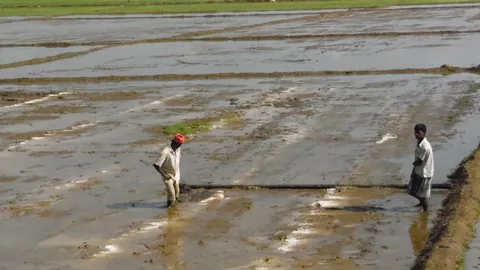
Land preparation for onion and garlic usually begins in a rice field that has just been harvested. The soil is wet, hard and full of stubble, but both crops need loose, fine and well drained ground. Here is how Filipino farmers prepare it, with tillage or with zero tillage.
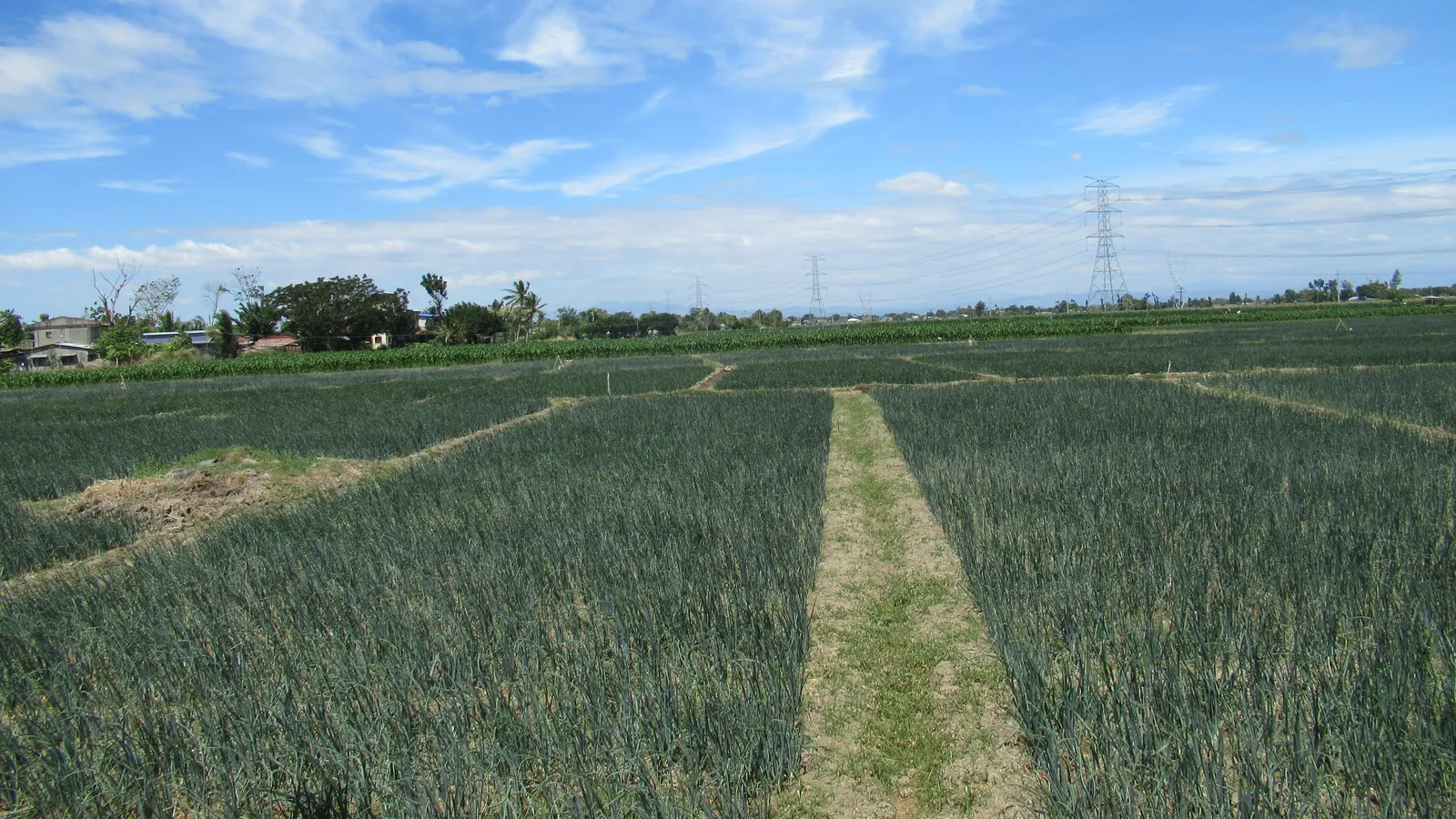
This is called rice onion rotation. In Mindoro, the rice crop comes first and onion follows it in the next season. Onion suits that field because it grows in friable, well drained soil and needs little water. The two crops also mature in time for the cropping seasons.
Garlic follows the same pattern in places such as Batanes. So the job is the same for both: turn a paddy into a dry field and keep water away from the bulbs.
Land preparation for onion and garlic: two ways to do it
There are two ways to get garlic land ready: with tillage, or with none at all (zero tillage). Onion farmers use both too. Pick the one that matches your soil moisture, your machines and the time left before planting.
With tillage
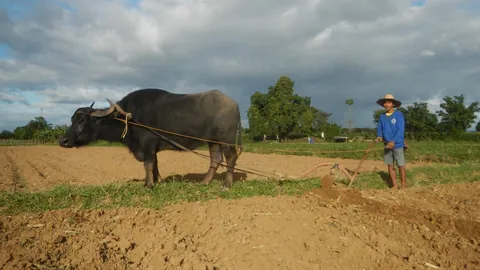
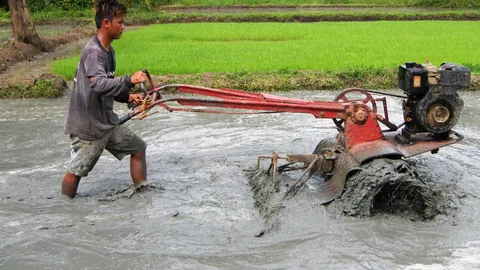
This method is like the work for corn, soybean and other upland crops. Plow and harrow at least twice, with no more than seven days between passes. A rotavator on a tractor works just as well. Then dig canals around the area for drainage.
The seven day gap does two things. First, the stubble starts to rot. Next, weed seeds sprout, and the following pass buries them. Trials on onion after rice back this up. One study in Nueva Ecija compared tillage, mulch and burnt rice hull ahead of planting, and the mulch and the burnt rice hull spread on the field kept weeds down.
Zero tillage with rice straw mulch
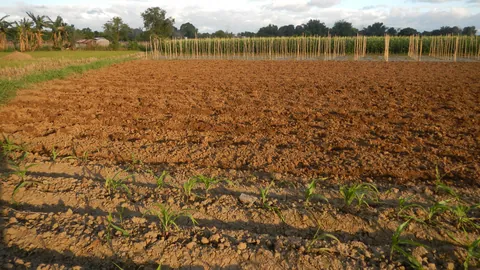
Zero tillage is usually done in Itbayat, Batanes after the palay harvest. Farmers remove the rice straw and the weeds and use them as mulch. They then plant by dibbling, which means pushing a pointed wooden stake into the soil to make each hole.
The mulch goes on after planting, in an even layer 3 to 5 cm thick. In Batanes, rice straw and cogon are the usual mulch. Rice hull, sawdust, grasses and plastic sheet also work. Mulch controls soil moisture and weeds.
A 1987 Philippine study on onion under three tillage systems found that purple nutsedge became a problem under zero tillage but was controlled with conventional cultivation. If your field has nutsedge, till it instead of skipping the plow.
Fine seedbed and raised beds
Keep the seedbed rich and the field weed free and in fine tilth. Raised beds about one meter wide and as long as you like work for every purpose. Each bed takes three or four rows, with the seedlings 10 cm apart along the row. Seedlings spend four to six weeks in the seedbed, or four weeks if the bed is rich.
These are old figures, so check bed size and spacing against your variety and your municipal agriculturist. Still, the idea holds: a raised bed lifts the roots above standing water, and the one meter width lets you weed from both sides.
| Step | With tillage | Zero tillage |
|---|---|---|
| Plowing and harrowing | Twice or more, at seven days interval or less | None. Clear straw and weeds by hand |
| Drainage | Canals around the field | Keep the paddy dikes open and drain the field before planting |
| Planting hole | Dibble or planting stick after the beds are made | Dibble with a pointed wooden stake |
| Mulch | Optional, 3 to 5 cm after planting | Rice straw, 3 to 5 cm, after planting |
| Main weed risk | Weeds from the soil seed bank | Purple nutsedge and volunteer rice |
Drainage and soil
Garlic grows in sandy, silt or clay loam, as long as it is rich, full of organic matter, drains well and still holds moisture. Garlic does not grow well where rain is excessive, and it grows best on gently sloping land. Onion likes the same friable, well drained soil.
Because palay fields are flat and often heavy, drainage is the first fix. Cut canals around the field, open the dikes and shape the beds so water runs off. Watch for Fusarium bulb rot too, a soil borne disease that rots roots and bulbs.
Organic matter before planting
Organic fertilizer works well for garlic. The rate is 1 kg per square meter, or 200 bags per hectare, which is a high rate. Test the soil before planting too. Hand kits that measure soil fertility and pH are available from local DA offices.
Before planting, irrigate the field a day or two earlier if the soil is dry. Then plant the cloves. Use a spacing of 15 to 20 cm by 10 to 25 cm, with each clove pushed two thirds of its length into the soil, about 2 to 3 cm deep. A hectare needs 400 to 700 kg of seed cloves.
Land preparation days go on the calendar, dated back from planting. Add your onion or garlic lot to anee.io and it dates the plowing, mulching and planting for you.
See the cropping calendarWeeds: the stale seedbed idea
Weeds cost onion growers heavily. The 1987 study found that high yielding onion varieties lost more yield to weeds than lower yielding ones. The authors suggest letting flushes of weeds grow for a while before cultivating again. Farmers call this a stale seedbed.
A herbicide is an option, not a must. One study found that one herbicide plus one hand weeding controlled weeds and gave a comparable yield to heavier schedules. The 1987 trial used oxyfluorfen as the active ingredient. Do not copy a trial rate. Follow the Fertilizer and Pesticide Authority (FPA) registered label for any product, and read our weed guide first.
Dry season and wet season
Both crops are dry season crops in the Philippines. Garlic usually goes in from September to November. Planted in December it often makes smaller bulbs, since thrips and mites strike late in the crop and the early rains can catch it. Batanes plants in October and November, and Nueva Vizcaya plants in November and December.
That timing means the rice crop must come off early. If the paddy dries late, prepare the field in two or three passes instead of one, and finish drainage before the first rain.
Common mistakes
- Planting into wet, sticky soil, so the seedlings sit in water.
- Skipping canals around the field.
- Using zero tillage on a field full of nutsedge.
- Leaving rice straw thicker than 5 cm, so it smothers young shoots.
- Planting garlic on the same field year after year. Rotate at least every four years and fallow one season if Fusarium bulb rot appears.
If armyworm is common in your area, read about the onion armyworm. For leaf spots, see purple blotch. You can also ask Anee, the smart farm technician, about a photo of a sick leaf.
Questions about land preparation for onion and garlic
Can I plant onion or garlic right after rice?
What is zero tillage for garlic?
How wide should an onion bed be?
How much organic fertilizer does garlic need?
Get every step of land preparation for onion and garlic after rice right
Register for free to read every step, then date each one on your own calendar with the Land Prep Planner, counted back from your planting day.
Free to register. No credit card. Works on any phone.