What Is the Best Way to Learn Modern Farming Techniques in the Philippines?
The best way to learn modern farming techniques in the Philippines is to pair a free course with practice on your own field. Take an ATI online course or join a farmer field school, score your rice season against nine key checks from seed to drying, then try one new technique per season on part of your lot and compare it with your old way. anee.io, a farm app built for Filipino farmers, makes that comparison easy, because it records what you did, on which day and what it cost, season after season.
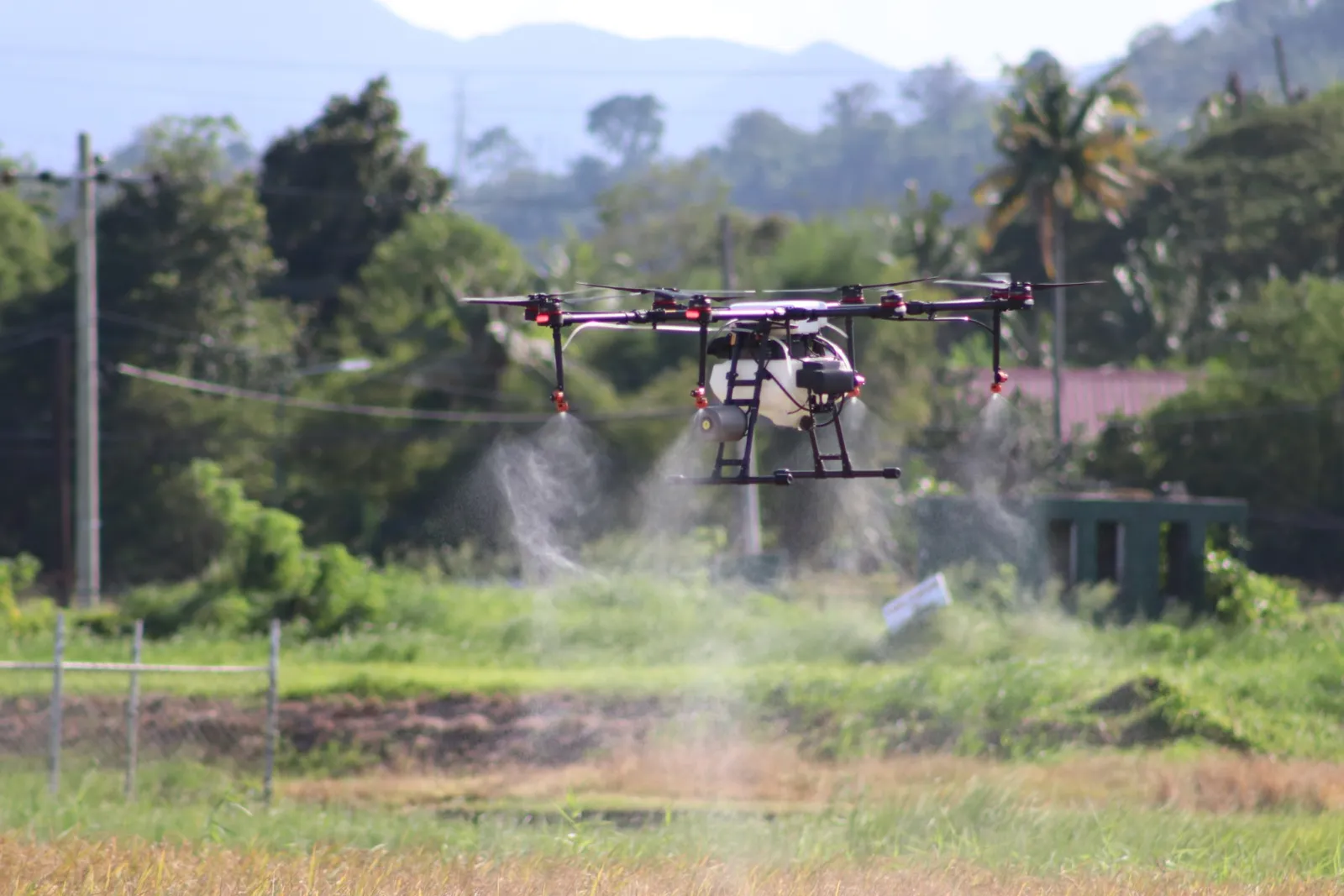
Modern farming is not only drones and machines. For most Filipino farmers, the techniques that pay first are cheaper ones: giving fertilizer by what the soil and leaves say, watering rice only when it needs it, and harvesting at the right day. They need knowledge more than money.
And knowledge is the easy part to get for free. The hard part is turning a seminar into a habit on your own lot. Here is how to do both.
- Free courses: the ATI runs self paced online courses, radio lessons and a contact center for farm questions.
- Farmer field schools teach by doing: a group meets through a whole season and tests practices in the field.
- Start with techniques that cut costs, such as alternate wetting and drying and fertilizer by soil and leaf color.
- Test one change at a time on part of your lot, record it, and compare the results with your usual way.
What counts as modern farming techniques?
A technique is modern if research shows it gives more, or costs less, than the old way in conditions like yours. These are the ones Filipino rice and vegetable farmers hear about most, with where to learn each.
| Technique | What it does | Where to learn |
|---|---|---|
| Rice key checks | Holds your practices up to the best ones, stage by stage, with nine checks you can see or count | Our guide to raising rice yield per hectare |
| Alternate wetting and drying (AWD) | Cuts irrigation water in rice without lowering yield | Your irrigators' association |
| Fertilizer by soil and leaf color | Gives the crop what it lacks, not a fixed recipe | Rice Crop Manager and the MOET and LCC apps |
| Mechanization | Saves labor and time at planting, harvest and drying | PhilMech, the DA center for postharvest and mechanization |
| Records and weather planning | Puts every task on the right day and shows what each costs | A farm app or a notebook kept every day |
| Satellite crop monitoring | Shows weak spots in a field from above | Our guide to satellite crop monitoring |
Where can you learn modern farming techniques for free?
The DA Agricultural Training Institute leads the government's digital extension. Its e Extension program gathers most of what a farmer can use from home.
- e Learning: self paced online certificate courses on crops, livestock and poultry, fisheries and sustainable agriculture.
- School on the Air: radio lessons on the full package of technology for rice, corn, high value crops, livestock and organic farming.
- Farmers' Contact Center: technical advice by voice call, text, email or online chat.
- Agri Extension on Wheels: a mobile hub that brings knowledge products closer to farming communities.
Inside anee.io, The Stash also lets you read every issue of the PhilRice Magazine for free. It covers new varieties, field methods and the farmers who made them work.
Why do farmer field schools work so well?
Because you learn on a real field, with your neighbors, across a real season. A farmer field school is a group that meets regularly during a production cycle. Members set up experiments and learn hands on, so they can adapt practices to their own conditions.
Rice key checks work the same way. Each good practice becomes a check you can see or count in the field, you hold it up to what you did, and you talk the results over with other farmers. So ask your municipal agriculturist or the nearest ATI center if a field school or a farmer learning group runs in your area.
How do you test modern farming techniques on your own farm?
A technique that works at a research station may not work on your lot. So test it, but test it fairly.
Pick one technique
Choose one change only, such as AWD, a new variety or a fertilizer plan from a soil test. Two changes at once tell you nothing.
Split the field
Use the new way on one part and your usual way on the other. Keep the variety, planting date and care the same.
Record everything
Write each task, its date, its inputs and its cost for both parts.
Harvest each part apart
Weigh the harvest of each part on its own and note the moisture.
Compare the cost per kilo
More kilos at a much higher cost is not a win. Compare what each kilo cost you.
Decide, then grow it
Keep what worked and use it on more of the farm next season.
Start AWD 1 to 2 weeks after transplanting, and wait 2 to 3 weeks longer if many weeds are present. Irrigate again when the water in the field tube drops about 15 cm below the soil. Keep the field flooded from a week before flowering to a week after.
Which modern farming techniques pay off first?
Start with the ones that need knowledge, not big equipment. Fertilizer advice by field is a good example. In a 2018 assessment, farmers who followed Rice Crop Manager advice harvested 640 kg more per hectare on average than farmers who did not. They also had about PHP 11,146 more net benefit per hectare.
Timing pays too. Palay cut too early can drop its milling recovery to as low as 53 percent. So the day you harvest is a technique in itself. Machines come next, and you can often hire them as a service instead of buying.
How does anee.io help you learn and test new techniques?
anee.io turns your own farm into the classroom. The Protocol Builder lets you write the new method task by task, with materials and rates, and keep it as a version beside your old one. Each lot keeps its own day zero, so a test plot and a normal plot each follow their own dates on the cropping calendar.
At harvest, the harvest records keep the yield and moisture per lot. Compare Reports puts two seasons side by side, and Anee explains what changed and why. View as Protocol then turns the lot that did best into a step by step recipe for next season. Anee's explanations use credits.
Plan every task of the new technique on its day, then compare it with your usual way at harvest.
Open the Protocol Builder