Is There an App to Identify Plant Problems and Tell You What Is Wrong?
Yes. An app to identify plant problems can name a likely cause from a photo or from the signs you pick. But one yellow leaf can come from a pest, a disease, hunger, water or weeds. So use the app inside a simple method: read the pattern, the whole plant, the timing and your records, then confirm. anee.io, a farm app built for Filipino farmers, has a Pest Finder, Disease Finder and Weed Control Helper, and Anee, its smart farm technician, reads your photo with your season's records.
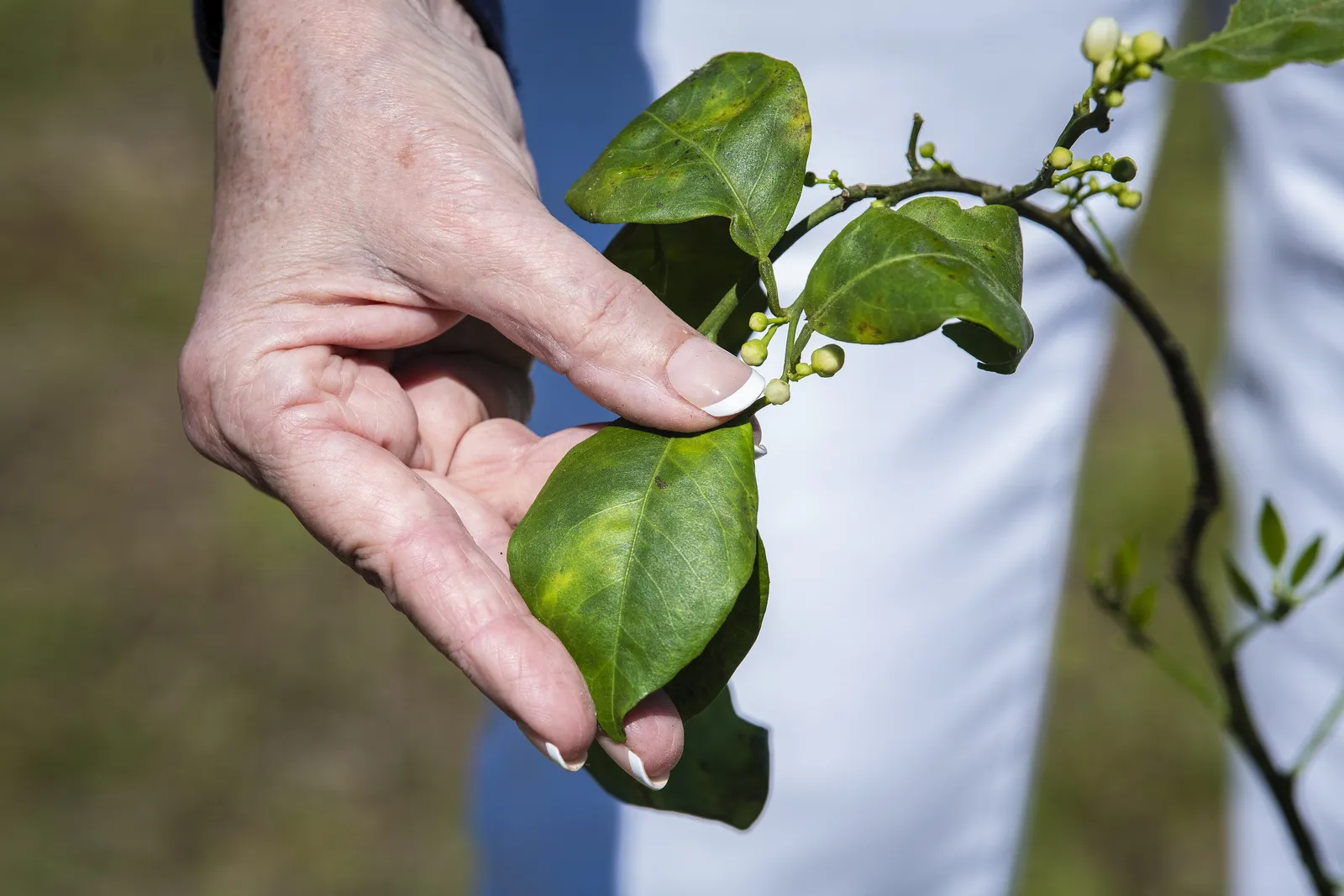
Many apps that promise to tell you what's wrong with plants were built to name diseases. Yet a sick plant often has no disease at all. Most of the sick plants that labs look at turn out to have an abiotic problem, a cause that is not alive: weather, water, soil, fertilizer or a spray.
A simple rule helps here. A problem caused by something living usually begins in one spot and grows, while a nonliving cause stays where it is. Also, insects and disease seldom go after plant tissue that is healthy. So the first question is not which disease it is, but which kind of problem it is.
- The cause can be water, weather, nutrients, pests, disease or weeds.
- Read the pattern first: spreading patches are usually alive, even damage usually is not.
- Check the whole plant, roots included, and your records.
- Confirm before you spend.
- In anee.io, the field helpers sort the signs, and Anee reads your photo.
What can an app to identify plant problems tell you?
Apps to diagnose plant problems come in three kinds. Photo apps name a likely cause from a picture, and our guide to choosing a plant disease identification app shows how often they get it right. Symptom finders ask your crop and the signs, then list every cause that fits. Assistants such as Anee read your photo with your farm's records.
An app to identify sick plants is only as good as the questions it asks. If a plant problem identifier app knows only diseases, it can only give you a disease, even when the real cause is dry soil. A plant problem app that is free makes a good start, as long as it also asks about insects, water, fertilizer and weeds.
Why do so many plant problems look the same?
A plant has only a few ways to show stress. It yellows, wilts, spots, stunts or loses leaves, whatever the cause. Too little water, for example, makes leaves wilt and burns their edges. Too much rain can lead to root rot. Also, uniform patterns between the veins usually point to nutrition, while vein clearing can come from certain pesticides and some viruses.
| What you see | Water or weather | Nutrients | Pests | Disease | Weeds |
|---|---|---|---|---|---|
| Yellow leaves | Flooded or dry soil | Too little nitrogen, iron or zinc | Sap feeders such as planthoppers | Viruses such as tungro | Thick weeds taking the nitrogen |
| Wilting | Dry soil, heat, rotting roots | Salt damage from too much fertilizer | Borers or grubs in stems and roots | Bacterial or Fusarium wilt | Rarely the cause |
| Spots or burned edges | Sunscald, sprays in the heat | Potassium shortage at leaf edges | Mites and thrips leave pale specks | Fungal and bacterial leaf spots | Herbicide drift from weed sprays |
| Stunted plants | Compacted or flooded soil | Too little phosphorus or zinc | Nematodes on the roots | Viruses such as grassy stunt | Weeds crowding young plants |
| Holes or torn leaves | Strong wind or heavy rain | Not a nutrient sign | Caterpillars, beetles, snails, rats | Some leaf spots fall out as holes | Not a weed sign |
How do you find what is wrong with your plant, step by step?
NC State Extension teaches a ten step diagnosis. Here it is, cut down for a farm and your phone.
Name the plant and its age
Write the crop, the variety and the days after planting. NC State calls this the key to diagnosis, since each crop has its own problems.
Compare it with a healthy plant
Find a healthy plant of the same age. Note what differs: color, size, spots, holes or wilting.
Read the pattern in the field
Even damage over the whole field, or on several crops, usually points to weather, water, fertilizer or a spray. Patches that grow week by week usually point to a pest or a disease.
Check the whole plant, roots too
Note whether old or new leaves show it first. Then dig up one plant, since rotten or knotted roots can hide below a wilting top.
Look for the culprit
Turn the leaves over for insects, eggs and droppings, or mold, ooze and rust. A sign makes a suspect, not a proof.
Check the timing and your records
When did it start? What was the weather, and what did you apply last? A problem two days after a spray or a flood has its answer in your records.
Ask the app, then confirm
Now run a finder or send a photo to Anee. Then confirm with a field check, a technician or a lab before you spend.
Which is it: water, nutrients, pests, disease or weeds?
Water and weather
Feel the soil first. Dry, cracked soil means too little water, while standing water around wilting plants points to the roots. A hot spell or a spray in the heat of the day can also burn leaves. Our guide on rain before spraying helps you time sprays.
Nutrients
Hunger shows as even color changes, often on many plants at once. For palay, see our guides to yellow rice leaves and nutrient deficiency in rice. The NPK Plus Calculator tells you if your fertilizer plan is short, right or too much.
Pests and diseases
Pests leave chewed tissue, droppings and eggs. Diseases leave spots with borders, ooze, mold or rot. The Pest Finder in anee.io and Disease Finder in anee.io sort these signs by crop. When you still cannot tell, read how to tell a pest or disease apart.
Weeds
Weeds rarely make one plant look sick up close. Instead, you see a thin, pale crop under grasses, sedges or broadleaves that take its light, water and nutrients. The Weed Control Helper in anee.io asks your crop, its age and the weeds you see, then tells you what works at that age.
Take the damage up close, the whole plant and the patch around it. Add a coin or your thumb for size, as NC State Extension advises. Also shoot the underside of the leaf and the stem base, in daylight.
How does anee.io help you find what is wrong?
In anee.io, each lot shows its growth stage and what to watch for, with your farm's weather beside it. So you already know the lot's age and the last rain when a problem shows.
Then send a photo to Anee, the smart farm technician in anee.io, in Tagalog, Bisaya, Ilocano, Taglish or English. She reads the lot, its stage, the weather and what you applied, then names the likely cause and what to check next. Quick Capture saves your photos as notes with tags such as Lot 2, so next season you see when the problem came.
- Anee needs internet and uses credits, on Libre plus Anee (PHP 70 a month) and the paid plans.
- The field helpers and NPK Plus come with Libre plus Anee and the paid plans.
- The free Libre plan shows a few ads and holds one active season.
Sign up free and add your lots and planting dates. Next time a plant looks sick, the answer starts from your own records.
Start free