What Should I Do When My Rice Leaves Turn Yellow?
Yellow rice leaves point first to nitrogen shortage, one of the most common problems of rice, but tungro, planthoppers, zinc or sulfur deficiency and water stress can all turn palay yellow. Before you buy anything, check which leaves yellowed first, whether it comes in patches or covers the field, and whether insects sit at the base of the hills. With anee.io, a farm app built for Filipino farmers, you can send a photo to Anee, its smart farm technician, who reads it with your lot's age, fertilizer record and weather.
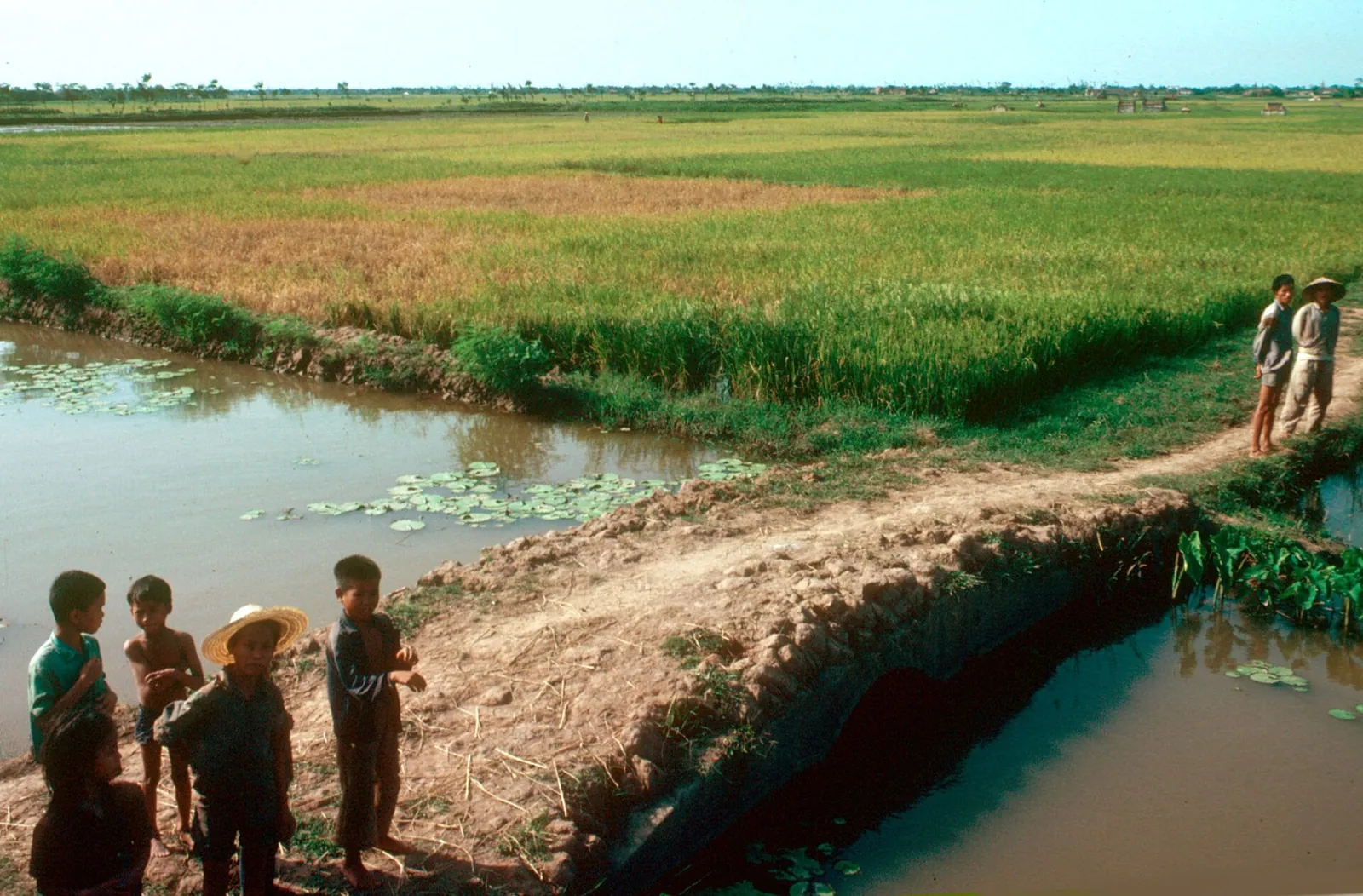
Yellow is a symptom, not a diagnosis. The yellowing and stunting of the tungro virus can pass for nitrogen or zinc deficiency, water stress or planthopper damage. If you add urea to a field with tungro, you spend money and the plants stay sick.
Also, old lower leaves yellow and die as the crop ripens, and that alone is no problem. Worry when the yellow comes early, comes in patches or spreads fast.
- Check which leaves turned yellow first: old leaves point to nitrogen, young leaves to sulfur.
- Yellow orange patches of stunted plants point to tungro, most of all at tillering.
- Leaves that turn orange yellow, then brown and dry, with hoppers at the base, mean hopperburn.
- Dusty brown spots on upper leaves 2 to 4 weeks after transplanting suggest zinc deficiency.
- Read a leaf color chart before you add nitrogen, and use a lab test to confirm a nutrient problem.
What causes yellow rice leaves?
Across Asia, few rice problems are as common as a shortage of nitrogen. It often hits at tillering and panicle initiation, when the crop needs the most. But four other causes look much like it. Use the table to narrow them down.
| Cause | Which leaves | Pattern in the field | Other signs |
|---|---|---|---|
| Nitrogen deficiency | Old leaves first, light green to lemon yellow from the tip | Whole field or large areas | Short, stunted plants with few tillers |
| Sulfur deficiency | Young leaves first, or all leaves | Less common than nitrogen shortage | Looks like nitrogen deficiency, so a lab test tells them apart |
| Zinc deficiency | Dusty brown spots on upper leaves, pale midribs on young leaves | Uneven patches, 2 to 4 weeks after transplanting | Poorly established hills, fewer tillers |
| Tungro, a virus | Yellow or orange yellow from the leaf tip down | Patches, worst at tillering | Stunting, fewer tillers, leafhoppers nearby |
| Planthopper hopperburn | Leaves turn orange yellow, then brown and dry | Patches that dry out | Hoppers, honeydew and sooty mold at the base |
Other causes can yellow rice too. Bacterial leaf blight and rice grassy stunt both do, and so does water stress. Our guide to nutrient deficiency in rice covers the other nutrients.
How to find the cause in five steps
Note the stage
Write down the days after transplanting. Zinc problems show 2 to 4 weeks after transplanting, and plants are most vulnerable to tungro at tillering.
Find the first yellow leaves
Old leaves first suggests nitrogen. Young leaves first suggests sulfur, the less common of the two.
Read the pattern
A whole field that is pale points to feeding or water. Patches that spread point to a virus or to insects.
Look at the base
Part a few hills and tap them. Hoppers falling on the water, honeydew or sooty mold mean planthoppers.
Check before you feed
Read a leaf color chart and your fertilizer record. If the cause stays unclear, send soil and plant samples to a lab.
Use the leaf color chart before adding urea
The rule is simple. Read the chart every 7 days from 14 days after transplanting, or 21 days after sowing, until early flowering. Apply nitrogen when 6 or more of 10 leaves read below 4 for transplanted rice, or below 3 for direct seeded rice. Too much nitrogen at panicle initiation and flowering invites lodging and pests.
What to do for each cause
- Nitrogen: top dress by growth stage, as in our guides to fertilizer for rice and urea fertilizer. Keep water in the field but stop runoff over the bunds right after you apply.
- Zinc: confirm it with a soil and plant test, then ask your municipal agriculturist about a zinc source. Mild cases can recover in 4 to 6 weeks, though maturity is delayed and yield drops.
- Tungro: there is no cure. For the next season, use resistant varieties, plant together with the farms around you and plow infected stubble after harvest.
- Planthoppers: count before you act. At 1 planthopper per stem or fewer, there is still time, and natural enemies keep the risk low when they outnumber the hoppers.
There is no cure for a tungro infected plant. Extra nitrogen also favors planthoppers, so feeding a sick field can make things worse. Find the cause first.
How anee.io helps you read yellow rice leaves
On a plan with Anee, send a photo of the yellow leaves to Anee, the smart farm technician inside anee.io. She reads it with your lot's age, what you already applied and the weather, then tells you the likely cause and what to check next. The Disease Finder in anee.io also takes yellowing as a sign and lists the diseases that fit.
Your records do the rest. Every fertilizer task you tick done stays on the board with its date, so you can see whether you missed a top dressing. The NPK Plus calculator adds up the nitrogen in your plan and shows whether it is short for your crop. Anee uses credits and needs internet. The calculator comes with Libre plus Anee and up, while the board also works on the free Libre plan.
Send a photo in Tagalog or English, and Anee reads it with your season: the lot, its stage, the weather and what you applied.
Meet Anee