Alternate Wetting and Drying: How to Save Irrigation Water in Palay
Alternate wetting and drying, or AWD, is a way to irrigate palay only when the field needs it. Instead of keeping the paddy flooded all season, you let the water sink below the soil surface, then flood again. A simple tube in the field, the observation well, tells you when. Done right, it can cut irrigation water by up to half.
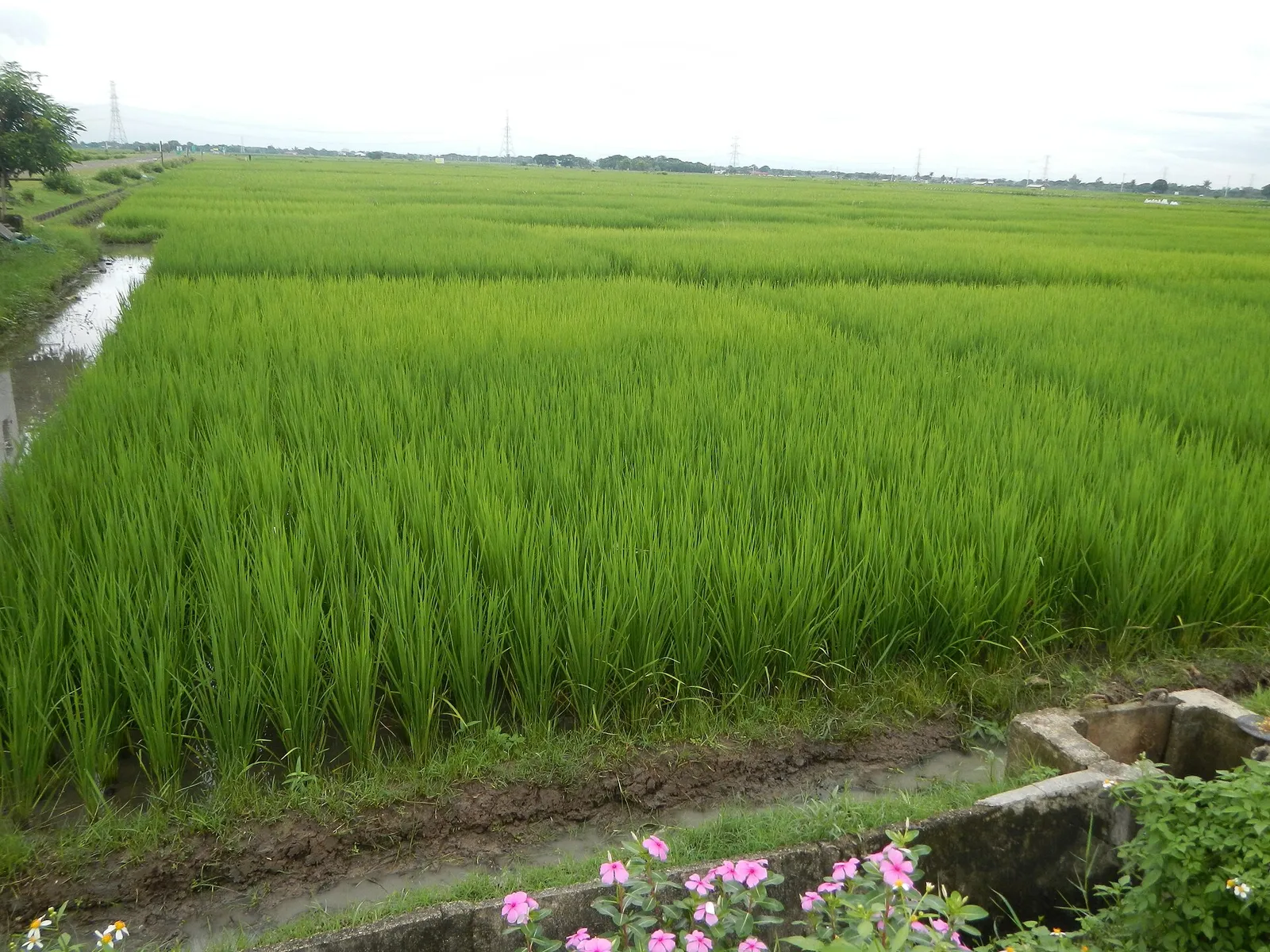
AWD belongs to the sixth of the nine key checks for rice: no stress from too little or too much water. It fits irrigated lowland fields where you decide when water comes in, from a pump, a canal or a shallow tube well.
Farmers who pump with diesel or electricity feel the savings first. One Zambales farmer found that AWD cut his fuel use by up to 25 percent. Our guide to raising rice yield per hectare shows where water fits among the nine checks of a season.
Why alternate wetting and drying helps the crop
Drying the soil for a few days at a time does more than save water. It brings these gains for the plant itself:
- More roots, growing deeper as they follow the sinking water.
- More tillers, and sturdier stems with a firmer hold on the soil.
- A better balance of nutrients, and fewer toxic substances building up in soil that never dries.
- Less water pumped, so less fuel or power spent.
Farmers can cut irrigation water this way without lowering yield. A field kept too wet also costs more to irrigate, upsets the nutrient balance and gives off more greenhouse gas.
How to make an observation well
Cut the tube
Take a piece of PVC pipe or a bamboo section 25 cm long and about 10 cm across. A wide tube lets you see the water and scoop out mud easily.
Mark WS and DS
Measure 5 cm down from the top and draw a ring around the tube. Label it WS, for wet season. Next, measure another 5 cm down, draw a second ring and label it DS, for dry season.
Drill the holes
With a 3 to 5 mm drill bit, make holes all around the tube, about 5 cm apart, down to the bottom. Water has to flow in and out freely, so do not skimp on holes.
Pick the spot
Choose a paddy that shows how most of your field behaves, not a high or low corner. Set the well 1 to 2 meters from the bund, so you can look into it without walking into the crop.
Push it in
Press the tube straight down until the WS ring sits level with the soil in the wet season, or the DS ring in the dry season. Then scoop out the mud inside until you can see the bottom.
Test it
After the next irrigation, check that the water inside the tube stands at the same level as outside. If it stays lower for hours, mud has blocked the holes, so pull the tube and set it again.
| Season | Mark at soil level | Tube above the soil | Tube below the soil | Irrigate up to |
|---|---|---|---|---|
| Wet season | WS | 5 cm | 20 cm | The top of the tube, about 5 cm of water |
| Dry season | DS | 10 cm | 15 cm | The WS mark, about 5 cm of water |
So in the wet season, the soil can dry to about 20 cm down before you irrigate. In the dry season, when sun and wind dry a field faster, the tube stops at 15 cm. That is the usual safe depth for a field water tube.
When to start alternate wetting and drying
Do not start right after planting. Start AWD 21 to 30 days after transplanting or sowing, and only once your weed control is done. Until then, keep the usual shallow water, because standing water holds down young weeds. Our guide to weed management in rice shows that timing.
An earlier start, 1 to 2 weeks after transplanting, also works. But wait 2 to 3 more weeks where weeds are many.
When to irrigate
From then on, the well decides. Look into it every day or two. While you can still see water inside the tube, wait. Once the tube is dry to the bottom, irrigate.
Refill to about 5 cm of standing water. That is the top of the tube in the wet season, or the WS mark in the dry season. Then let it sink again. The usual wait is about 3 to 5 days after the surface water disappears. The dry spell can run from 1 to more than 10 days, depending on soil, weather and crop stage.
On fertilizer days
Pause AWD when you top dress. Keep a shallow 2 to 3 cm of water in the paddy as you spread urea, so the fertilizer dissolves and stays in the field. Another way works too: spread the nitrogen on the drained soil just before you irrigate, so the water carries it down. Our rice fertilizer schedule gives the days for each dose.
When to stop and keep 5 cm of water
Stop AWD when the crop starts to flower. From flowering through grain filling, keep about 5 cm of water standing in the paddy. A dry field at this stage brings tulyapis, the empty or half filled grains that cut your harvest.
Aim for 5 to 7 cm at flowering, and keep the field flooded from a week before to a week after it. Flowering is the one stage when you should never let the well run dry.
Deep cracks in the soil for more than three days, rolled leaves, dry leaf tips, stunted plants and fewer than 10 tillers per hill all point to drought stress. Irrigate right away, and check the well. Too much water hurts as well. More than 5 cm for a week or longer leaves fewer tillers, smaller leaves and dark roots.
Draining before harvest
Near the end of the season, stop irrigating so the field is firm and dry at harvest. How early depends on your soil and the season.
| Soil or season | Stop irrigating |
|---|---|
| Sandy or medium soil, or the dry season | 1 week before the expected harvest |
| Clay soil, or the wet season | 2 weeks before the expected harvest |
Do not drain earlier than this. The grains at the base of the panicle fill last, and they still need water. Our guide on when to harvest rice covers the cutting and threshing that follow.
Plan your AWD irrigations in anee.io
In anee.io, irrigation sits on the Activities board like any other task. Add the AWD start at 21 DAT, the flowering hold and the final drain to your cropping calendar. Each lot then gets its own dates from its own day zero.
The weather forecast for each lot's location shows when rain is coming, so you can skip a pumping that the rain will do for free. If a lot looks stressed, ask Anee, the smart farm technician, in Tagalog or English, and send her a photo.
Sign up free, add your lots, and anee.io dates the AWD start, the flowering hold and the drain.
Start free