What Is the Best Organic Fertilizer for Pechay?
The best organic fertilizer for pechay is mature compost or fully decomposed chicken manure, worked into the bed before planting. Add a weekly fish amino acid (FAA) spray while the leaves grow. Pechay is ready 3 to 4 weeks after transplanting, so its nitrogen must already be in the soil. Homemade liquids help, but they cannot replace a rich bed. anee.io, a farm app built for Filipino farmers, dates every feeding from your own planting day.
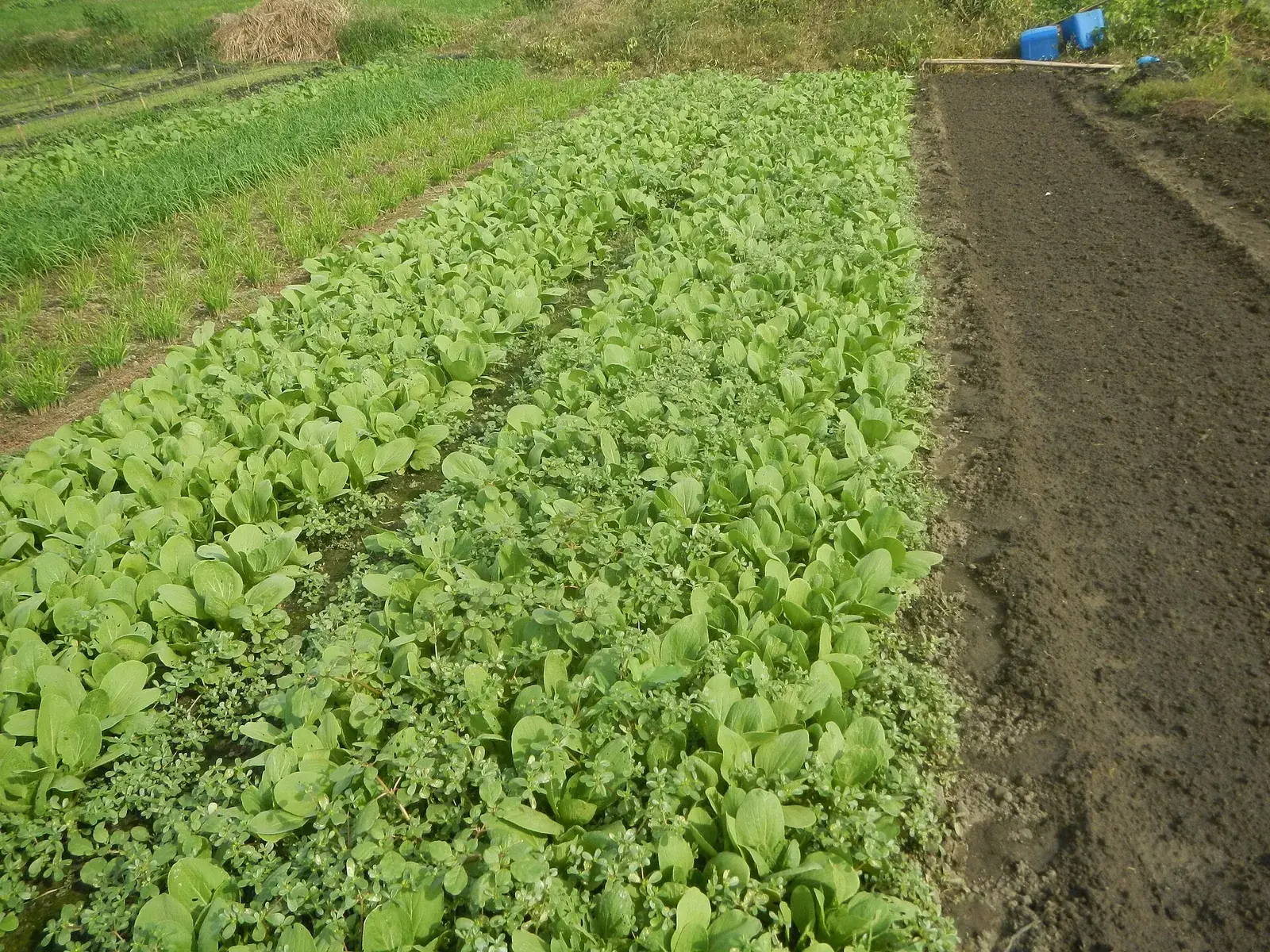
Pechay, or petsay, is one of the quickest crops on a Filipino farm. It is ready 3 to 4 weeks after transplanting, or about 35 days after planting. So it has no time to wait for slow fertilizer.
That is the catch with organic fertilizer for pechay. Compost and manure release nitrogen slowly, as soil life breaks them down. So build a rich bed before planting, then top up with quick liquid feeds.
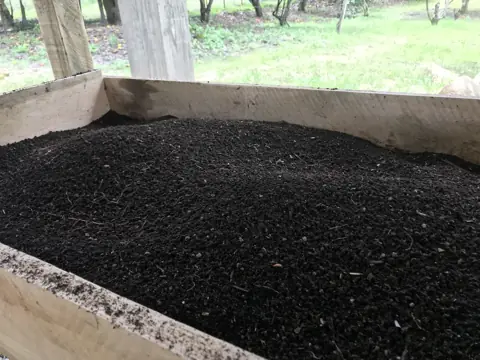
- Base: 2 to 4 kg of mature compost per square meter of bed.
- Chicken manure: only fully decomposed, never raw, because pechay is eaten fresh and harvested within weeks.
- Vermicast: a strong choice for leafy growth, mixed into the bed with the compost.
- Liquid top up: fish amino acid sprayed weekly while the leaves grow.
- Honest limit: homemade liquids are supplements, not a full meal.
Which organic fertilizer for pechay works best?
Use a solid base plus a quick top up. Here is how the common choices compare.
| Material | What it gives pechay | How to use it | Limit |
|---|---|---|---|
| Mature compost | Organic matter and slow nitrogen | 2 to 4 kg per square meter, mixed into the bed before planting | Releases nitrogen slowly |
| Decomposed chicken manure | The most phosphorus, potassium and calcium of four organic amendments in one study | Worked into the bed before planting, about 1 sack per 20 meter bed | Raw manure burns roots and carries germs |
| Vermicast | Fine worm castings. In a pechay trial it stood out for leaf number, leaf area and fresh weight | Mixed into the bed or the planting holes | Takes 30 to 45 days to make |
| Fish amino acid (FAA) | Quick nitrogen for leaves | Diluted and sprayed weekly while leaves grow | A supplement only |
| Fermented plant juice (FPJ) | Plant juices and microbes for vigor | Diluted and sprayed every 3 to 7 days | A tonic, not a main feed |
One study tried four organic fertilizers on pechay: vermicast, mudpress, chicken dung and swine manure. All of them raised nitrogen release and pechay growth. But the swine manure it tested carried high levels of lead, nickel, copper and zinc. Later, a 2025 trial found vermicast stood out for leaf growth and fresh weight.
How much compost and manure does pechay need?
Apply 2 to 4 kg of compost per square meter as the base. A common 1 by 20 meter bed is 20 square meters, so it takes 40 to 80 kg. Use only fully decomposed compost manure, and never manure from dogs, cats or people.
For chicken manure, put one sack on each 20 meter bed, mixed in or covered with soil. But that rate comes from a program that also adds 1 kg of 14 14 14 and 4 kg of urea per bed. A strictly organic bed leaves those out, so it needs the higher compost rate.
Why chicken manure must be aged
Raw manure should go on at least 120 days before you harvest vegetables that touch the soil. Leafy vegetables carry the greatest risk. Since pechay is harvested about five weeks after planting, raw manure cannot meet that gap.
Composting fixes this. A pile that reaches 55 degrees Celsius kills many weed seeds and germs. It also cuts the ammonium that makes fresh poultry manure burn roots. But composting lowers the nitrogen the crop can use right away, so top up with liquids.
How do I make homemade fertilizer for pechay?
Two homemade liquids suit pechay, and worms can make a third input. Our list of organic fertilizer examples covers more.
Fish amino acid (FAA)
Chop 1 kg of fish with its bones, gills and guts. Mix it with 1 kg of molasses or muscovado in a covered clay jar, kept in the shade. After 10 to 15 days, pour off the liquid into bottles, leaving a third of each bottle empty. A common rate is 2 tablespoons per liter of water every 7 days, from newly planted seedlings onward.
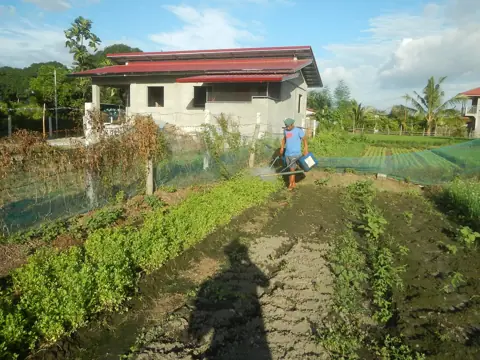
FAA is also a nitrogen source for the leafy stage, sprayed on leafy vegetables weekly. But it dilutes it far more, at 1 part to 1,000 parts water. It also warns that spraying in full sun can burn the leaves.
Fermented plant juice (FPJ)
Chop 1 kg of young shoots, such as kangkong, kamote tops or alugbati, and mix in 1 kg of muscovado. Ferment for 7 to 10 days in a cool, dark place, then strain. Spray 2 tablespoons per liter every 3 to 7 days, before sunrise or late in the day. Think of FPJ as a tonic, not a main nitrogen source.
Vermicast
Build a shaded bed of rice hull or sawdust, then add chopped crop residues and animal manure. Release about 1 kg of worms per square meter and keep it moist but not wet. Harvest the vermicast 30 to 45 days later, when black granules show on top.
Local recipes mix FAA at 2 tablespoons per liter, while a milder recipe uses 1 part in 1,000. If you are new to it, try the weaker mix on a few plants first. Spray only in the cool of the morning or late afternoon.
A simple organic feeding plan for one pechay bed
Build the bed
Mix 40 to 80 kg of mature compost into a 1 by 20 meter bed. Fully decomposed chicken manure and vermicast can share the load.
Raise strong seedlings
Sow in trays or a seedbed and spray FAA weekly at the mild rate once the seedlings are up.
Transplant at 2 to 3 weeks
Set the seedlings 10 cm apart in rows 20 cm apart. Water right after and then daily.
Top up every week
Spray FAA once a week while the leaves grow, with FPJ in between if you have it.
Harvest at 3 to 4 weeks
Harvest in the cool of the early morning or late in the day. Then compost the leftovers for the next bed.
Is organic fertilizer for vegetables enough on its own?
It can be, if the bed is rich. If organic pechay stays pale and slow, add more mature compost to the next bed and keep up the weekly FAA. If you do not sell as certified organic, you can also mix the two. Our guide to organic vs inorganic fertilizer weighs both. For fruiting crops, see fertilizer for vegetables.
The same compost and FAA also work as organic fertilizer for plants in pots. For the planting steps in Tagalog, read pagtatanim ng gulay.
How does anee.io help with an organic pechay plan?
Pechay runs on short cycles, so it suits a new bed every week or two. In anee.io, write the plan once in the Protocol Builder: compost on bed day, then FAA every 7 days. Each bed becomes a lot, and the cropping calendar dates its sprays from its own planting day. Our staggered planting schedule guide shows how to space the beds.
If leaves turn pale or full of holes, send a photo to Anee, the smart farm technician inside anee.io. She answers in Tagalog or English and uses credits.
Sign up free, add your beds as lots, and let anee.io date each compost day and FAA spray.
Start free