How Do I Avoid Buying the Wrong Pesticide for My Crop Problem?
You avoid the wrong pesticide by naming the problem before you shop. An insecticide does nothing for a fungus, no spray cures a virus, and some problems need no spray at all. Then check that the FPA has registered the product for your crop and pest, read the label, and rotate groups so the pest does not build resistance. With anee.io, a farm app built for Filipino farmers, the Pest Finder and Disease Finder name active ingredients with their groups, never brands, and Anee, its smart farm technician, can read a photo first.
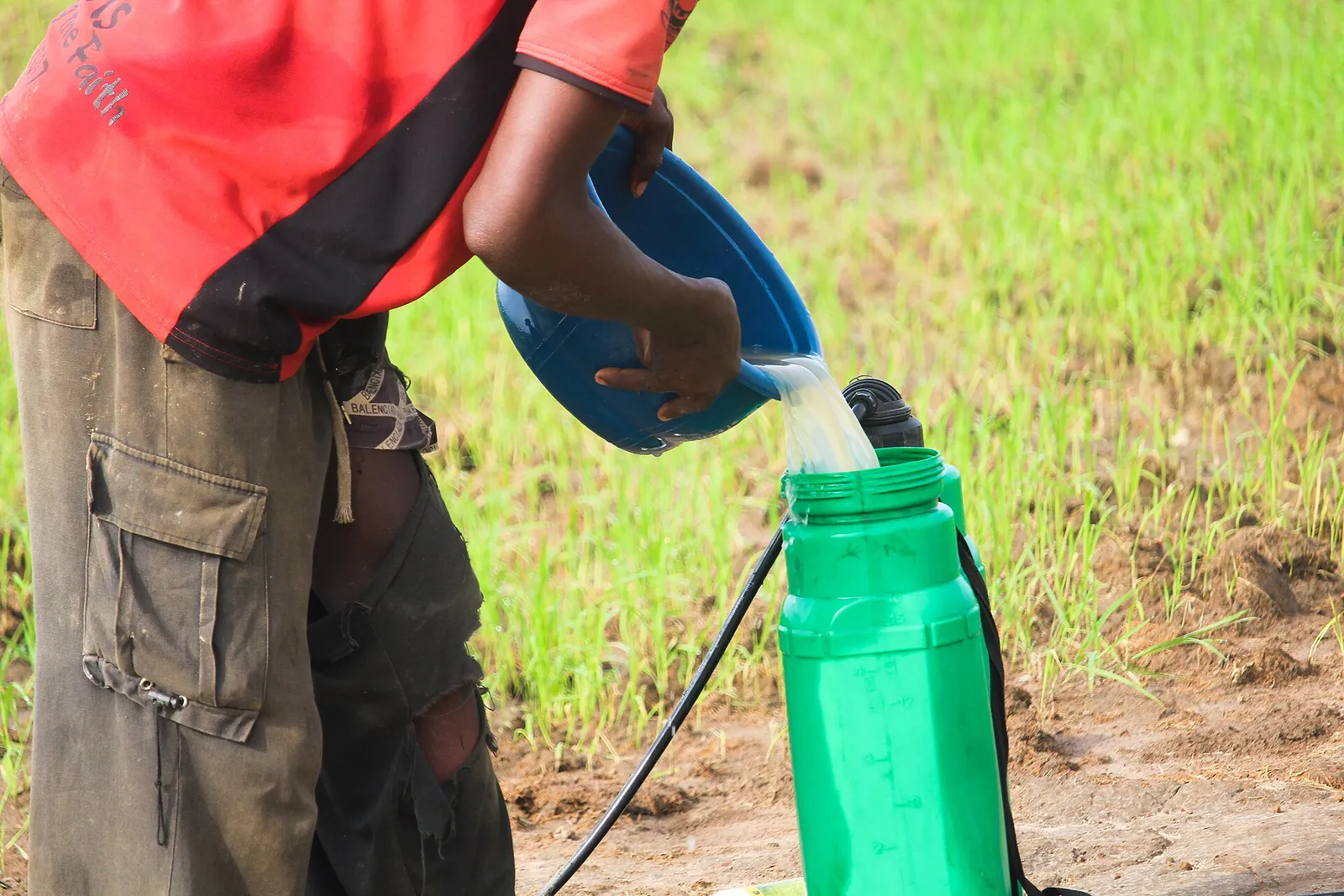
The wrong pesticide costs you three times. You pay for the bottle, the problem keeps growing, and the spray kills the spiders and wasps that were working for you for free. Early spraying kills the natural enemies of pests, and continuous pesticide use makes pests resistant.
Many wrong purchases start the same way: a farmer describes the problem at the store, and the store picks a product. The fix is to arrive with a name for the problem and a list of active ingredients, not a brand.
- Name the problem first: insect, fungus, virus, weed, snail or nutrient.
- Match the product type to the cause. No spray cures a virus.
- Shop by active ingredient and group, not by brand.
- Check the FPA registration, then read the label for your crop, pest, rate and safety.
- Rotate groups between sprays so the pest does not adapt.
Which product type matches the problem?
Find your problem in the first column. The last column shows the wrong pesticide that farmers most often take home for it.
| Problem | Cause | What works | The wrong pesticide people buy |
|---|---|---|---|
| Stem borer, planthopper, armyworm | Insect | An insecticide registered for that pest, rotated by group | A fungicide, or a broad spray in the first 30 days |
| Golden apple snail | Snail | Hand picking, water management, or a registered molluscicide | An insecticide |
| Blast, sheath blight, anthracnose | Fungus | Resistant varieties, then a registered fungicide by its group | An insecticide |
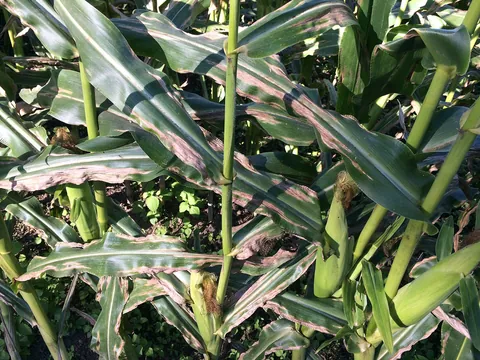
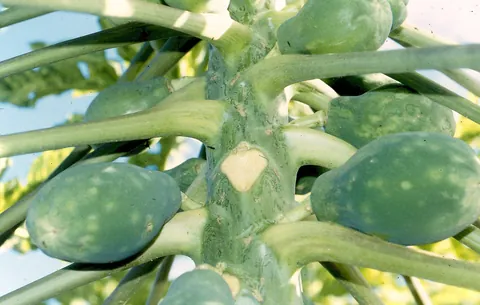
| Tungro, papaya ringspot, bunchy top | Virus | No spray cures it. Prevent it with resistant varieties, clean planting material and removal of sick plants | Any product sold as a cure |
| Grasses, sedges, broadleaf weeds | Weed | A herbicide that fits the weed group and the crop's age, or hand weeding | A herbicide made for another crop or weed group |
| Pale or yellow leaves, no spots, no insects | Nutrient or water | Fertilizer guided by a leaf color chart or a soil test | Any pesticide at all |
Not sure which row you are in? Our guide on how to tell a pest or a disease walks you through the field checks. For weeds, see the herbicides for rice weeds guide.
Six checks before you pay
Name the problem
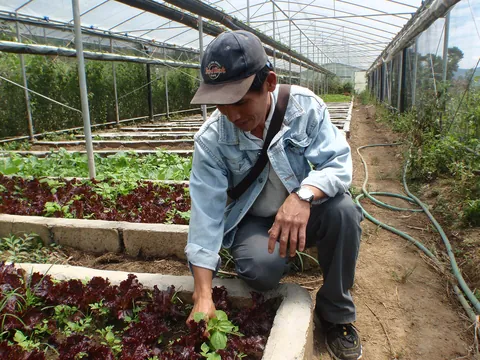
Use the Pest Finder in anee.io or the Disease Finder in anee.io, send a photo to Anee, or ask your municipal agriculturist. Write the name down.
Write the active ingredient, not the brand
One ingredient can sell under many names. That is why the finders list active ingredients with their groups.
Check the FPA registration
The FPA publishes its list of registered pesticide products in Excel and PDF, updated as of August 31, 2026 at this writing. Under Presidential Decree 1144, no one may sell or use a pesticide unless the FPA has registered it.
Read the label at the store
Check that it names your crop and your pest, then read the rate, the safety gear and the days to wait before harvest. If your crop is not on the label, do not buy it.
Buy from a licensed handler
The FPA requires handlers to hold a license before they sell. It also warns against unregistered, smuggled, underweight or expired products.
Buy only what you need
Count your area and the number of sprays, so half used bottles do not sit in the shed for years.
Rotate groups so the right pesticide stays right
A pesticide that works today can fail next season if you keep using the same kind. The Insecticide Resistance Action Committee, IRAC, sorts insecticides into groups by how they kill. It advises rotating groups, so that one generation of a pest after another does not meet the same group. Fungicides have their own codes, the FRAC groups, explained in our guide to fungicides.
In practice, write the group number next to each spray on your calendar. Then pick a different group next time, as long as it carries an FPA registration for your crop and pest.
The FPA keeps a list of banned and restricted pesticides. If a seller offers a product that is not on the registered list, or one with no proper label, walk away. Report it to the FPA through its Facebook page, its website or the nearest regional field unit.
How anee.io helps you avoid the wrong pesticide
The Pest Finder and Disease Finder name the active ingredients for each problem with their IRAC or FRAC group, never brands and never a rate. Where no spray helps, they say so. On a plan with Anee, send a photo first. Anee, the smart farm technician inside anee.io, reads it with your lot, its stage and what you already applied.
After you buy, the farm inventory keeps each product in its own unit, liters or kilos. When you tick a spray task done, the stock goes down and the cost goes into your expenses. You can also count the days between two sprays on the board, and let Anee review your protocol for a spray too close to harvest.
Pick your crop and the signs you see, and take the active ingredients and their groups to the store.
Open the finders