Silicon in Plants: What It Does and When Palay Needs It
Silicon in plants is not on the list of essential nutrients, yet palay takes more of it than of nitrogen. It stiffens the leaves and stems, so the crop stands up to wind, sheds blast and resists planthoppers and stem borers. Rice straw holds most of it, which is why burning or hauling away straw drains a field. Here is what it does and when palay needs it.
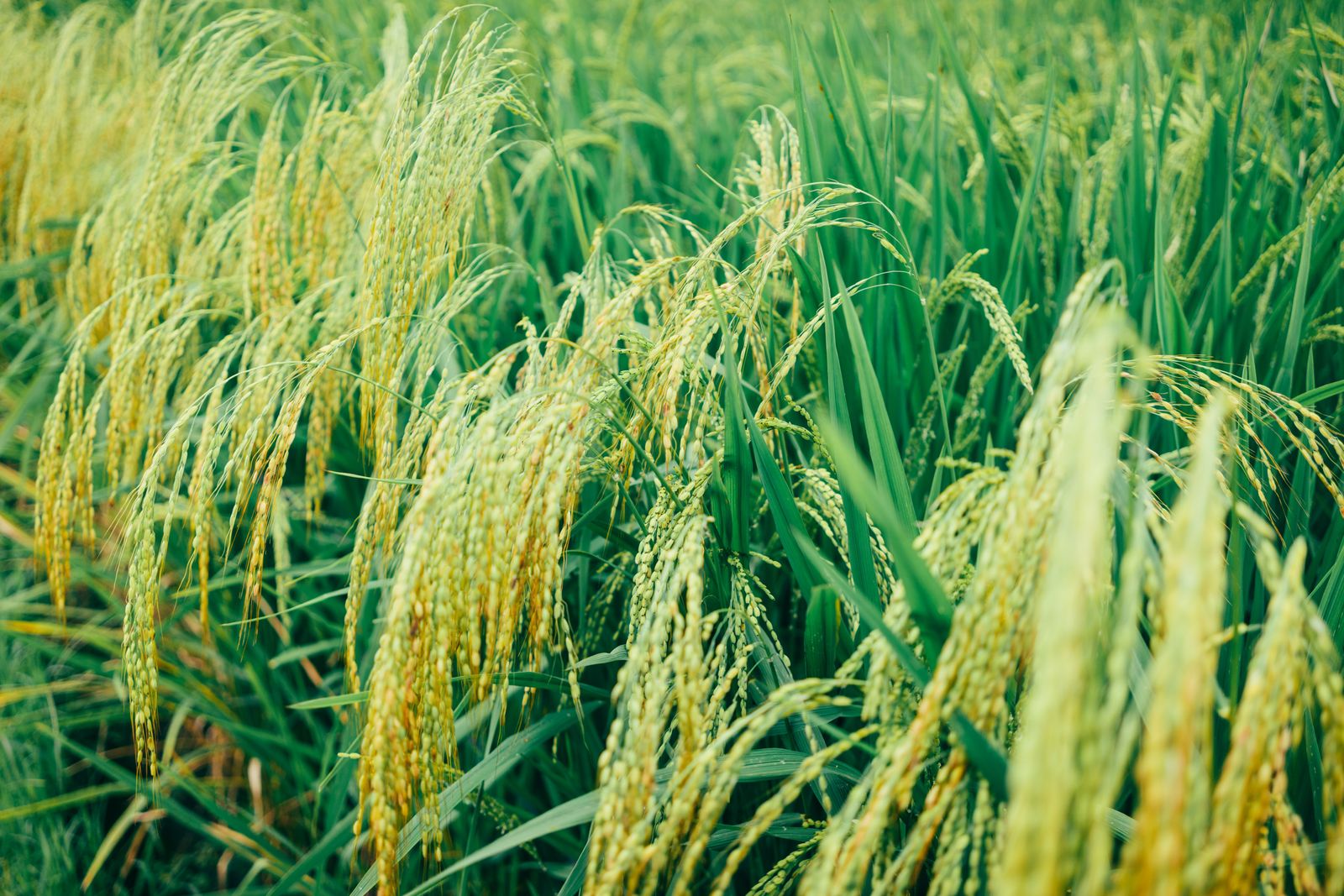
What silicon does in plants
Rice lays silicon down as a thin glassy layer under the skin of its leaves, stems and husk. That layer stiffens the plant, holds the leaves upright toward the sun, slows water loss and makes the tissue harder for fungi and insects to get through.
So a palay crop with enough silicon lodges less, gets less blast and brown spot, and suffers less from planthoppers and stem borers. It also uses its nitrogen better, because upright leaves shade each other less.
A building block of the plant body
Silicon is a building block. Once laid down under the skin it stays there for good, and the straw carries most of it. A good palay crop can hold several hundred kilograms of silicon per hectare, more than its nitrogen.
It counts as a beneficial nutrient rather than an essential one, because rice can finish its life without it. In the field, though, a rice crop short of silicon is weaker in every way that matters to the yield.
| Fact | Silicon |
|---|---|
| Group | Beneficial nutrient |
| Kind of nutrient | Building block |
| Moves inside the plant | Hardly at all |
| Where a shortage shows first | Droopy, soft leaves and more disease |
| Taken up as | Silicic acid |
Where silicon shows first
Silicon does not move once it is laid down, so new leaves rely on a steady supply. A rice crop short of it has soft, droopy leaves that bend over, more brown spot and blast, and stems that lodge easily.
See silicon deficiency for the signs and fixes.
When silicon in plants is most critical
Palay needs silicon most from panicle initiation to heading, when it builds the stems that will carry the panicle and the leaves that will fill it, and it starts storing silicon from tillering. Sugarcane, mais and other grasses also take a lot of it.
DAT means days after transplanting, DAS days after sowing in the field, and DAP days after planting. The days are the usual ones for a typical variety, so a long or short variety moves them a little. Timing silicon in plants to these windows gets more harvest from the same bags. Our guide to fertilizer timing by growth stage puts them together for a whole season.
Here is when each crop needs it most, from the anee.io stage book:
Rice, corn and other grains
| Crop | Most critical | Also needed | Why it matters then |
|---|---|---|---|
| Palay, transplanted | Panicle initiation (DAT 35 to 49), Booting and heading (DAT 50 to 59) | Early tillering (DAT 7 to 20), Active tillering (DAT 21 to 34), Flowering (DAT 60 to 72) | Silicon now builds stiff stems and leaves that resist blast and lodging. |
| Palay, direct seeded | Panicle initiation (DAS 40 to 54), Booting and heading (DAS 55 to 69) | Active tillering (DAS 21 to 39), Flowering (DAS 70 to 84) | Silicon now builds stiff stems and leaves that resist blast and lodging. |
| Yellow corn | No stage stands out | Small amounts the rest of the season | Silicon helps a little toward sturdy leaves. |
| Sweet corn | No stage stands out | Small amounts the rest of the season | Silicon helps a little toward sturdy leaves. |
| Other grains (sorghum) | No stage stands out | Vegetative (DAP 17 to 45), Reproductive (DAP 46 to 65) | Silicon firms leaves and stems against pests and lodging. |
Vegetables and legumes
| Crop | Most critical | Also needed | Why it matters then |
|---|---|---|---|
| Leafy vegetables (pechay, cabbage) | No stage stands out | Small amounts the rest of the season | Silicon helps a little toward sturdy leaves. |
| Fruit vegetables (tomato, eggplant, pepper) | No stage stands out | Small amounts the rest of the season | Silicon helps a little toward sturdy leaves. |
| Gourds and melons (ampalaya, squash) | No stage stands out | Small amounts the rest of the season | Silicon helps a little toward sturdy leaves. |
| Legumes (mungbean, peanut, sitaw) | No stage stands out | Small amounts the rest of the season | Silicon is not a concern at this stage. |
| Onion and garlic | No stage stands out | Small amounts the rest of the season | Silicon is not a concern at this stage. |
Root crops, sugarcane and banana
| Crop | Most critical | Also needed | Why it matters then |
|---|---|---|---|
| Root crops (kamote, cassava) | No stage stands out | Small amounts the rest of the season | Silicon is not a concern at this stage. |
| Sugarcane | No stage stands out | Tillering (DAP 45 to 119), Grand growth (DAP 120 to 269) | Silicon firms leaves and stems against pests and lodging. |
| Banana | No stage stands out | Small amounts the rest of the season | Silicon helps a little toward sturdy leaves. |
What keeps silicon from the crop
Old, heavily weathered soils, sandy soils and peat hold little silicon the roots can take. Fields cropped twice a year for many years, with the straw burned or carried away, run down fastest.
Returning the straw puts most of the silicon back. That is one of the best reasons to work straw into the field instead of burning it.
Where silicon comes from
Rice straw and rice hull ash are the cheapest silicon, and they cost nothing if they come from your own field. Calcium silicate slags and potassium silicate sprays are also sold. See balanced fertilization for rice.
- Rice straw worked back into the field: most of the silicon the crop took.
- Rice hull ash and carbonized rice hull: silicon and some potassium.
- Calcium silicate: on the soil, also raises the pH a little.
- Potassium silicate: a spray, with potassium too.
Silicon makes a crop stand better and resist pests, but it cannot fix a field short of nitrogen or potassium. Use it alongside a balanced program, not instead of one.
Put your fertilizers on your crop's calendar in anee.io and the Coverage Planner shows, day by day, whether silicon reaches the stages that need it, and where it runs out. Free to start.
Start freeSilicon questions
Is silicon a nutrient for rice?
Does silicon stop lodging?
Why should I not burn rice straw?
When should I apply silicon to palay?
Read the whole guide
Register for free on anee.io to read the whole page, and every guide on crops and land preparation.
Free to register. No credit card. Works on any phone.