Silicon Deficiency in Plants: Signs, Causes and How to Fix It
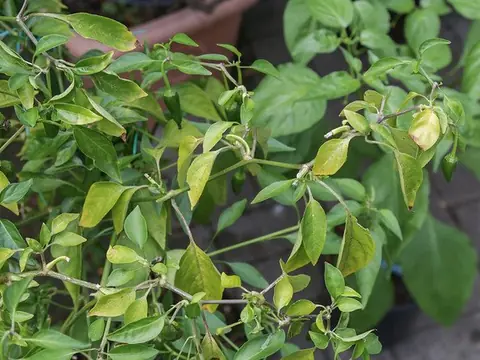
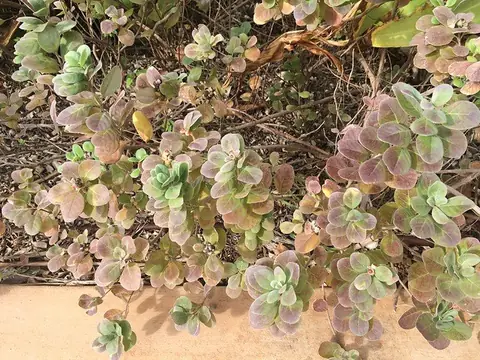
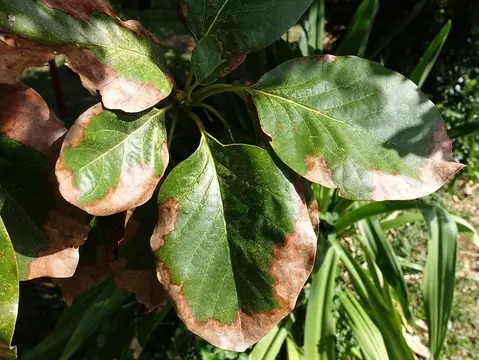
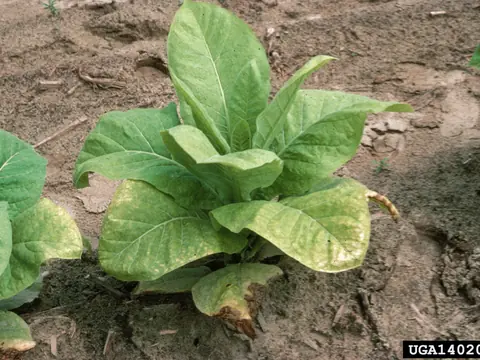
Silicon deficiency in plants starts on the young leaves and the growing tip. Silicon is not one of the nutrients every plant must have. But rice and sugarcane take up more of it than of any other mineral. They lay it down in the walls of their leaves and stems, which keeps them stiff and upright, harder for insects to chew and for blast and brown spot to enter. Better at holding water in a dry spell. Here are the signs in each crop, what brings it, how to be sure and the fertilizer that fixes it.
Once silicon is laid down in a leaf it stays there, so the plant cannot move it to new growth. The signs show on the whole plant: soft, drooping leaves, weak stems and more disease than in the fields around.
Silicon deficiency symptoms
Rice leaves feel soft and droop instead of standing up, so the canopy opens and the lower leaves sit in shade. Brown spot, blast and stem borer do more harm, stems lodge, and more grains stay empty. Sugarcane shows tiny pale freckles on the older leaves that face the sun, thinner stalks and weaker ratoons.
Silicon deficiency by crop
Each crop shows it its own way. So find yours in the tables below, then open its page for the photo and the full fix, like the one for silicon in rice.
Rice
| Crop | The first sign | Fix with |
|---|---|---|
| Palay | Soft leaves that droop instead of standing up, more brown spot and blast than the next field, and stems that fall over. | Rice straw put back, Rice hull ash |
Sugarcane and Industrial Crops
| Crop | The first sign | Fix with |
|---|---|---|
| Tubo | Older leaves dotted with tiny pale or white freckles on the sunny side, and ratoons that grow weaker each year. | Calcium silicate, Silicate slag |
What causes silicon deficiency
Old, deeply weathered and leached soils hold little silicon, and so do peat and sandy soils. Every crop carries silicon away in its straw or cane. So fields cropped two or three times a year with the straw burned or hauled off run down fastest. Heavy nitrogen makes the leaves softer and the shortage worse.
How to be sure it is silicon
Lodging also follows too much nitrogen, strong wind and stem borers, and brown spot also goes with potassium shortage. In sugarcane, eyespot and rust spots have a ring or an orange powder, while silicon freckles have neither. In rice the surest check is a straw test: straw at harvest with less than 5 percent silicon is short. In sugarcane, a leaf test of the top visible dewlap leaf with less than about 1 percent silicon is low. A soil test for available silicon, and a test strip given silicate beside the rest of the field, confirm it.
How to fix silicon deficiency
Put the straw back into the field and spread rice hull ash or burnt rice hull. On sugarcane mill mud and boiler ash. For a faster fix, mix 1 to 2 tons of a calcium silicate or silicate slag per hectare into the soil at land preparation, or 1 to 3 tons for sugarcane. It also lowers soil acidity a little, the way lime does.
A potassium silicate spray at the label rate, at tillering and again at booting in rice, gives the leaves a quick lift. But the soil dose lasts longer.
Fertilizers sold here that supply silicon
| Product | Made or sold by | What it holds | Use |
|---|---|---|---|
| Primera Assist | Donato C. Cruz | 9.3 percent silicon, 0.25 percent zinc and 0.001 percent molybdenum | On the soil |
| Titon Pro | Vast Agro | 27.2 percent calcium, 6.1 percent silicon and 3.6 percent magnesium | On the soil |
| Wokozim Xtrude Granules | Biostadt | 0.1 0 0 with 11.7 percent silicon, 5.7 percent calcium, 3 percent magnesium and 0.05 percent zinc | On the soil |
| Sili Max Specialty Liquid Inorganic Fertilizer | Oracle Chem | 4.7 percent silicon | On the leaves |
| Agrisil 200 | Agfrontier | 0 0 10 with 9.3 percent silicon | On the leaves |
| Potassium Silicate | Newman Chemicals | 0 0 10 with 9.3 percent silicon | On the soil |
| Standout | Corvill Agricom | 10 0 10 with 9.5 percent silicon, 0.1 percent boron and 0.01 percent molybdenum | On the leaves |
| Powermax | Magan Agro | 3.6 percent calcium, 3.3 percent silicon, 0.5 percent boron, 0.42 percent magnesium and traces of zinc | On the soil |
For rates and timing, see our guides to fertilizer for rice and to fertilizer application methods. Also, anee.io keeps every application on the cropping calendar, so you know what went on each lot and when.
How to keep silicon deficiency away
Return the straw or the cane trash to every crop instead of burning it, add rice hull ash, compost and mill mud. Split the nitrogen so the leaves never grow too soft.
Silicon does no harm in the amounts a farmer applies. But silicate slags differ in what else they carry, so buy a registered product and follow its label.
Pick your crop in the Nutrient Deficiency Finder, say where the leaves changed first and what you see, and get the fertilizers sold here that fix it.
- Anee, the smart farm technician, reads a photo of the leaf in Tagalog or English
Silicon deficiency questions
Is silicon a nutrient for rice?
What is the best source of silicon for rice?
Does burning rice straw cause silicon deficiency?
Find the missing nutrient and fix it
With Libre + Anee, read the whole guide: how to tell the deficiency from look alikes, how to be sure, what to apply, and the fertilizers sold here that supply it.
The account is free, no credit card.