Nitrogen Deficiency in Plants: Signs, Causes and How to Fix It
Nitrogen deficiency in plants starts on the old, lower leaves. Nitrogen is part of chlorophyll, the green color that lets leaves turn sunlight into food. It is also part of every amino acid and protein, so it drives leaf growth, tillers and the size of the harvest. In rice it adds tillers, panicles and filled grains, and it raises the protein in the grain. Here are the signs in each crop, what brings it, how to be sure and the fertilizer that fixes it.
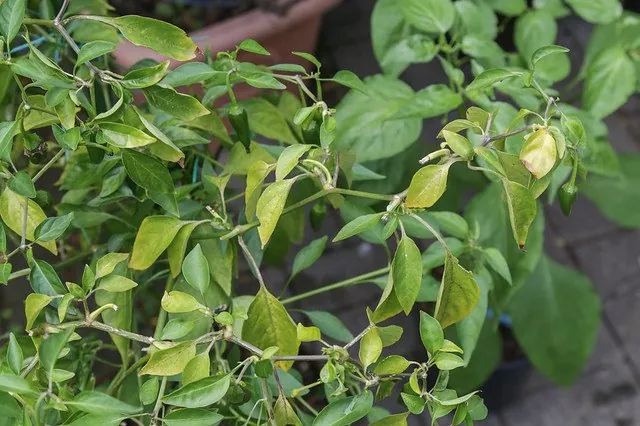
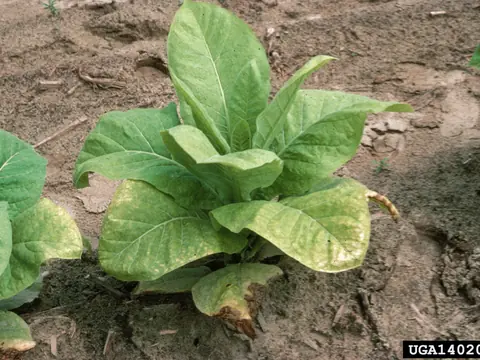
Nitrogen moves easily inside the plant, so a hungry plant pulls it out of its old leaves to feed the new ones. That is why the yellowing starts on the lower, older leaves, often at the tips, while the top leaves stay greener.
Nitrogen deficiency symptoms
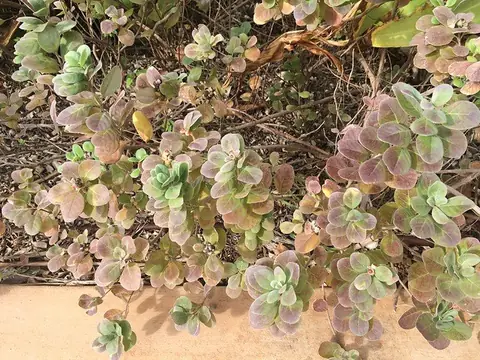
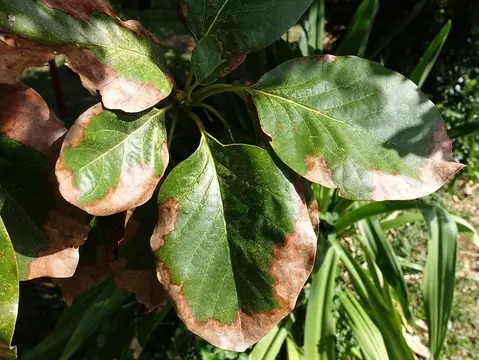
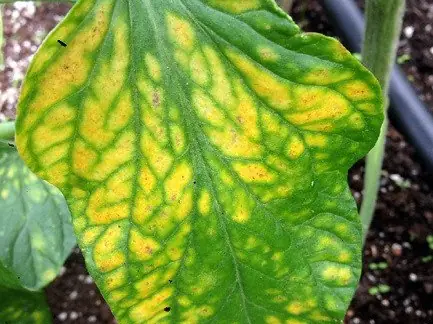
The whole plant turns pale green to yellowish green and grows short and thin. The lower leaves yellow first, from the tip back, and dry up when the shortage is bad. In corn the yellow runs down the midrib of old leaves in a V shape. But rice leaves stand narrow and upright with few tillers. Flowering drops, grain and fruit stay small, and some crops ripen early with a lower yield.
Nitrogen deficiency by crop
Each crop shows it its own way. So find yours in the tables below, then open its page for the photo and the full fix, like the one for nitrogen in rice.
Rice
| Crop | The first sign | Fix with |
|---|---|---|
| Palay | Lower leaves turn pale yellow green first and the whole field looks light green and short. | Urea 46 0 0, Ammonium sulfate 21 0 0 |
Corn and Sorghum
| Crop | The first sign | Fix with |
|---|---|---|
| Mais | Lower leaves turn yellow in a V from the tip down the midrib, and plants are pale and thin. | Urea 46 0 0, Ammonium sulfate 21 0 0 |
| Batad | Pale, thin plants whose lower leaves yellow from the tip down the midrib. | Urea 46 0 0, Ammonium sulfate 21 0 0 |
Legumes
| Crop | The first sign | Fix with |
|---|---|---|
| Monggo | Pale, thin plants with few branches whose lower leaves yellow and drop. The roots often have few or dead nodules. | Rhizobium inoculant for mungbean, Complete 14 14 14 |
| Mani | Pale yellow, stunted plants, sometimes with reddish stems, and few nodules on the roots. | Rhizobium inoculant for peanut, Urea 46 0 0 |
| Utaw | Light green, stunted plants, often in patches or rows, with few or white nodules on the roots. | Rhizobium inoculant for soybean, Urea 46 0 0 |
| Sitaw | Vines grow weak and light green, lower leaves yellow, and the roots have few working nodules. | Rhizobium inoculant for cowpea and sitaw, Urea 46 0 0 |
| Paayap | Pale yellow green plants with weak growth and few working nodules on the roots. | Rhizobium inoculant for cowpea, Urea 46 0 0 |
| Sigarilyas | Pale, slow vines whose roots have few pink nodules. | Rhizobium inoculant (cowpea group), Complete 14 14 14 |
| Patani | Pale, slow plants whose lower leaves yellow, with few working nodules. | Rhizobium inoculant for lima bean, Urea 46 0 0 |
| Kadyos | Young bushes stay pale and thin, with few pink nodules on the roots. | Rhizobium inoculant (cowpea group), Urea 46 0 0 |
Root Crops
| Crop | The first sign | Fix with |
|---|---|---|
| Kamote | Pale green vines that spread slowly, with the oldest leaves yellowing and drying. | Urea 46 0 0, Complete 14 14 14 |
| Kamoteng kahoy | Pale green plants with short stems and small leaves, yellowing from the bottom up. | Urea 46 0 0, Complete 14 14 14 |
| Gabi | Older leaf blades yellow first, then all of them, with stunted plants and few suckers. | Urea 46 0 0, Complete 14 14 14 |
| Ubi | Dull, light green vines with small leaves and short internodes. | Urea 46 0 0, Ammonium sulfate 21 0 0 |
| Patatas | Whole leaves, veins included, turn evenly pale yellow, starting low on the plant. | Urea 46 0 0, Ammonium sulfate 21 0 0 |
| Karot | Fewer, smaller tops that turn yellow green from the oldest leaves, and thin, stiff roots. | Urea 46 0 0, Ammonium sulfate 21 0 0 |
| Labanos | Small, pale tops that yellow from the oldest leaves, with thin, fibrous roots. | Urea 46 0 0, Complete 14 14 14 |
| Luya | Lower leaves turn pale yellow, leaves are small and the clump grows weak. | Urea 46 0 0, Complete 14 14 14 |
| Luyang dilaw | Older leaves pale yellow green with red tints creeping from the edges to the midrib. | Urea 46 0 0, Complete 14 14 14 |
Vegetables
| Crop | The first sign | Fix with |
|---|---|---|
| Petsay | Outer leaves turn pale yellow and the plants stay small and slow. | Urea 46 0 0, Ammonium sulfate 21 0 0 |
| Repolyo | Outer leaves turn yellow green with a red or orange tint and the head stays small or never forms. | Urea 46 0 0, Ammonium sulfate 21 0 0 |
| Litsugas | Outer leaves turn light green to yellow and the head stays loose and small. | Urea 46 0 0, Ammonium sulfate 21 0 0 |
| Kangkong | Lower leaves turn pale yellow and shoots stay thin and short. | Urea 46 0 0, Ammonium sulfate 21 0 0 |
| Mustasa | Lower leaves turn pale yellow, sometimes with red tints, and leaves stay small. | Urea 46 0 0, Ammonium sulfate 21 0 0 |
| Brokoli | Pale plants with orange to red edges on old leaves, and small, loose heads. | Urea 46 0 0, Ammonium sulfate 21 0 0 |
| Koliplor | Older leaves yellow with red edges, and small button curds form too early. | Urea 46 0 0, Ammonium sulfate 21 0 0 |
| Alugbati | Older leaves fade to pale yellow and new shoots come thin and slow after cutting. | Urea 46 0 0, Complete 14 14 14 |
| Saluyot | Lower leaves turn pale yellow and plants grow thin, hard stems with few tender tops. | Compost or manure, Urea 46 0 0 |
| Kintsay | Oldest outer stalks turn evenly yellow and then almost white. | Calcium nitrate, Urea 46 0 0 |
| Kamatis | Lower leaves turn pale yellow first and the plant looks thin and spindly. | Urea 46 0 0, Ammonium sulfate 21 0 0 |
| Talong | Bottom leaves turn pale yellow, plants stay thin, and fruits come small and pale. | Urea 46 0 0, Ammonium sulfate 21 0 0 |
| Ampalaya | Lower leaves turn pale yellow and drop, and fruits come small, pale and thick. | Urea 46 0 0, Complete 14 14 14 |
| Kalabasa | Older leaves yellow from the tips and drop, and fruits are small and pale. | Urea 46 0 0, Ammonium sulfate 21 0 0 |
| Pipino | Old leaves bleach yellow, vines are thin, and fruits come pale and misshapen. | Urea 46 0 0, Ammonium sulfate 21 0 0 |
| Okra | Lower leaves pale and drop, and pods come small, pale and misshapen. | Urea 46 0 0, Ammonium sulfate 21 0 0 |
| Sili | Lower leaves turn pale yellow, veins included, and plants branch little. | Urea 46 0 0, Ammonium sulfate 21 0 0 |
| Atsal | Lower leaves yellow and fall early, and the whole plant looks pale and small. | Urea 46 0 0, Ammonium sulfate 21 0 0 |
| Patola | Older leaves turn yellow, vines grow slowly and fruits stay small and pale. | Urea 46 0 0, Ammonium sulfate 21 0 0 |
| Upo | Older leaves pale and yellowing up the vine, with small, pale fruits. | Urea 46 0 0, Ammonium sulfate 21 0 0 |
| Sayote | Older leaves on the vine turn pale yellow and tops for harvest grow slowly. | Urea 46 0 0, Ammonium sulfate 21 0 0 |
| Pakwan | Old leaves pale and yellow up the runner, with small, misshapen fruits. | Urea 46 0 0, Ammonium sulfate 21 0 0 |
| Milon | Old leaves pale and yellow up the vine, and fruits are small and misshapen. | Urea 46 0 0, Ammonium sulfate 21 0 0 |
| Presa | Mature leaves turn pale then evenly yellow, with reddish stalks and edges. | Calcium nitrate, Ammonium sulfate 21 0 0 |
Onion and Garlic
| Crop | The first sign | Fix with |
|---|---|---|
| Sibuyas | Pale, stiff, upright leaves that yellow and die back from the tips, and small bulbs. | Urea 46 0 0, Ammonium sulfate 21 0 0 |
| Sibuyas na mura | Thin, pale tops whose older leaves yellow from the tips. Stalks stay short. | Urea 46 0 0, Ammonium sulfate 21 0 0 |
| Bawang | Older leaves turn pale to yellow, plants stay thin, and bulbs are small. | Urea 46 0 0, Ammonium sulfate 21 0 0 |
| Sibuyas Tagalog | Pale, upright leaves dying back from the tips, few side bulbs and small clusters. | Urea 46 0 0, Ammonium sulfate 21 0 0 |
Sugarcane and Industrial Crops
| Crop | The first sign | Fix with |
|---|---|---|
| Tubo | The whole field looks pale yellow green, the lower leaves dry early and the stalks stay thin. | Urea 46 0 0, Ammonium sulfate 21 0 0 |
| Pinya | Plants look pale yellow green with narrow leaves, and the fruits come out small (batterball). | Urea 46 0 0, Ammonium sulfate 21 0 0 |
| Tabako | Lower leaves turn paler than the top leaves and dry up early. The plant stays small and the cured leaf is pale and thin. | Ammonium sulfate 21 0 0, Urea 46 0 0 |
| Bulak | Lower leaves turn pale yellow, then reddish. Plants stay short with few fruiting branches and shed their squares. | Urea 46 0 0, Complete 14 14 14 |
| Abaka | Pale yellow green plants that stay short, with thin stalks and small leaves. | Ammonium sulfate 21 0 0, Complete 14 14 14 |
| Goma | Leaves of the lower storeys turn evenly pale yellow green, worst on leaves in full sun, and the canopy stays thin. | Complete 14 14 14, Urea 46 0 0 |
| Palma | Old fronds pale yellow green with bright yellow midribs, and slow growth. | Urea 46 0 0, Ammonium sulfate 21 0 0 |
| Kawayan | The clump turns pale yellow green, older leaves yellow first, and new shoots come few and thin. | Complete 14 14 14, Ammonium sulfate 21 0 0 |
Fruits and Plantation Crops
| Crop | The first sign | Fix with |
|---|---|---|
| Saging | Pale green to yellow leaves, pinkish red leaf stalks and a thin, slow plant. | Urea 46 0 0, Ammonium sulfate 21 0 0 |
| Papaya | Lower leaves go pale green from the tip, new leaves come small and slow, and leaf stalks are short, thin and pinkish. | Urea 46 0 0, Ammonium sulfate 21 0 0 |
| Mangga | Small, pale yellow leaves over the whole tree, yellowish twigs, weak flushes and small fruit. | Urea 46 0 0, Ammonium sulfate 21 0 0 |
| Niyog | The whole crown is pale yellow green, the fronds taper, and few palms bear nuts. | Ammonium sulfate 21 0 0, Urea 46 0 0 |
| Kalamansi | The whole tree turns light green to yellow, old leaves drop early and the canopy thins. | Ammonium sulfate 21 0 0, Urea 46 0 0 |
| Citrus, dalandan or ponkan | Older leaves pale green to yellow and falling early, so the inside of the canopy goes bare. | Urea 46 0 0, Ammonium sulfate 21 0 0 |
| Suha | The whole tree pale green to yellow, old leaves falling early, thin canopy and few flowers. | Urea 46 0 0, Ammonium sulfate 21 0 0 |
| Langka | The whole canopy turns pale green, older leaves go yellow and drop, and new shoots stay short. | Ammonium sulfate 21 0 0, Urea 46 0 0 |
| Abukado | Leaves fade from dark green to light green or yellow. Thin canopy of small leaves and few fruits. | Ammonium sulfate 21 0 0, Urea 46 0 0 |
| Bayabas | Old leaves pale green to light yellow from the tip. Slow, thin tree with few fruits. | Complete 14 14 14, Urea 46 0 0 |
| Lansones | Pale yellow green trees with few, small new leaves, and the older leaves yellow and drop. | Urea 46 0 0, Ammonium sulfate 21 0 0 |
| Rambutan | Pale canopy, yellow older leaves that drop, and weak, short flushes after harvest. | Complete 14 14 14, 16 20 0 |
| Duryan | Pale canopy, older leaves yellow and fall, and the flush after harvest comes out short and thin. | Urea 46 0 0, Ammonium sulfate 21 0 0 |
| Mangostan | Pale, slow trees whose older leaves yellow evenly and drop, with few new flushes. | Urea 46 0 0, Ammonium sulfate 21 0 0 |
| Sapodilla | Small, yellow green mature leaves, amber to red new leaves, thin shoots and few small fruits. | Urea 46 0 0, Ammonium sulfate 21 0 0 |
| Atis | Older leaves fade to an even pale green, then yellow and drop early. The tree grows slowly and sets few fruits. | Urea 46 0 0, Ammonium sulfate 21 0 0 |
| Guyabano | Lower leaves fade evenly to pale green, then the whole tree turns dull yellow and stays short. | Complete 14 14 14, Urea 46 0 0 |
| Santol | A pale, light green tree with yellowing older leaves, short new shoots and a light crop. | Ammonium sulfate 21 0 0, Complete 14 14 14 |
| Kaimito | The upper side of the leaves turns pale, older leaves yellow and drop, and new shoots stay short. | Ammonium sulfate 21 0 0, Complete 14 14 14 |
| Sampalok | Pale, thin crowns with yellowing older leaflets, slow growth and few pods. | Urea 46 0 0, Ammonium sulfate 21 0 0 |
| Kasoy | Old leaves pale from the tip, then yellow and droopy. Small leaves, small nuts. | Urea 46 0 0, Ammonium sulfate 21 0 0 |
| Saniata | Stems turn pale green to yellowish all over, new shoots come slowly and thin, and few flowers form. | Complete 14 14 14, Urea 46 0 0 |
| Kape | The whole tree turns pale yellow green, leaves lose their shine and new shoots barely grow. | Urea 46 0 0, Ammonium sulfate 21 0 0 |
| Kakaw | Small, evenly soft yellow green leaves on a slow tree. New leaves come out almost white. | Ammonium sulfate 21 0 0, Urea 46 0 0 |
| Malunggay | The whole plant turns light yellow, new leaves come small, and plants stay thin and weak. | Urea 46 0 0, Ammonium sulfate 21 0 0 |
What causes nitrogen deficiency
Sandy soils and soils low in organic matter hold little nitrogen, and heavy rain or a typhoon washes nitrate below the roots. In flooded rice fields nitrogen also escapes as gas. Urea left on the surface of alkaline or calcareous soil loses ammonia to the air. Many fields just get too little urea, or get it too early, too late or by a poor method. Hot weather and poorly drained, acid sulfate or saline soils also cut the supply.
How to be sure it is nitrogen
Sulfur shortage gives the same pale color, but it starts on the young leaves while nitrogen starts on the old ones. A mild iron shortage can also look like it, but iron shows first on the newest leaf as it comes out. In rice, read the top fully opened leaf of 10 plants on the leaf color chart every week, from 14 days after transplanting. A soil test kit or a DA Regional Soils Laboratory measures soil nitrogen. A leaf tissue test shows what the plant took up. Vegetable growers can also test the sap of leaf stems with nitrate test strips.
How to fix nitrogen deficiency
Topdress urea (46 0 0) or ammonium sulfate (21 0 0), or use 14 14 14. Add compost or manure for the long run. In rice, a typical rate is 1 bag of urea per hectare in the wet season and 1.5 bags in the dry season. Apply it when more than 5 of 10 leaves read below 4 on the leaf color chart (below 3 in wet seeded rice).
A 2 percent urea spray, about 20 grams per liter of water, every two weeks is a typical rate for vegetables. Spray late in the afternoon or on a cloudy day so the leaves do not burn, and keep the soil dose going.
Fertilizers sold here that supply nitrogen
| Product | Made or sold by | What it holds | Use |
|---|---|---|---|
| Atlas Granular Urea (46 0 0) | Atlas Fertilizer | 46 0 0 | On the soil |
| Atlas Ammosul 21 0 0 | Atlas Fertilizer | 21 0 0 with 24 percent sulfur | On the soil |
| Amigo Planters Ammonium Chloride | La Filipina | 25 0 0 | On the soil |
| Hyfer Urea Max (Locally Blended Coated) | Agrotiger | 44 0 0 | On the soil |
| Calcipro | Ramgo | 15.5 0 0 with 18.8 percent calcium | Soil or leaves |
| Agripower 25 0 0 (Locally Blended) Coated | Green Acres Agri Tech | 25 0 0 | On the soil |
| Amigo Planters Sabic Zinc Coated Urea | La Filipina | 46 0 0 with 0.1 percent zinc | On the soil |
| Forcrop N | Leads Agri | 32.9 0 0 with 0.12 percent copper, 0.06 percent zinc and 0.06 percent manganese | On the leaves |
For rates and timing, see our guides to urea fertilizer and to fertilizer application methods. Also, anee.io keeps every application on the cropping calendar, so you know what went on each lot and when.
How to keep nitrogen deficiency away
Split nitrogen into several doses timed to growth, and keep straw, compost and legumes in the field to build organic matter. Let a soil test set the season total, and in rice let the weekly leaf color chart reading decide each topdress.
Too much nitrogen makes extra leaves and tillers that delay heading and harvest. The soft, lush growth also draws more pests and diseases.
Pick your crop in the Nutrient Deficiency Finder, say where the leaves changed first and what you see, and get the fertilizers sold here that fix it.
- Anee, the smart farm technician, reads a photo of the leaf in Tagalog or English
Nitrogen deficiency questions
What does nitrogen deficiency look like?
What is the best fertilizer for nitrogen deficiency?
Can I spray urea on the leaves?
How do I know when my rice needs more urea?
Find the missing nutrient and fix it
With Libre + Anee, read the whole guide: how to tell the deficiency from look alikes, how to be sure, what to apply, and the fertilizers sold here that supply it.
The account is free, no credit card.