Purple yam Nutrient Deficiency: Signs, Causes and the Fertilizer That Fixes It
Purple yam nutrient deficiency is one of the first things to check when the leaves of your ubi (purple yam) turn yellow, purple or burnt at the edges. On Philippine farms the usual ones are nitrogen, potassium, phosphorus, magnesium, zinc, manganese and iron. This guide shows where each one starts, how to be sure, and the fertilizer that fixes it.
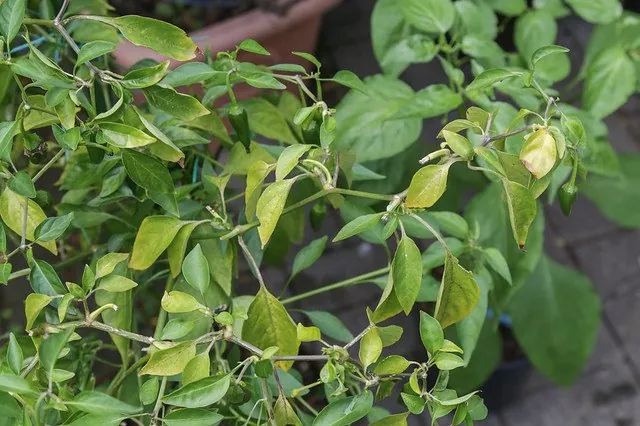
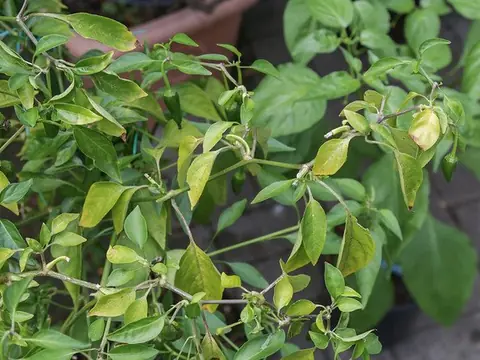
Start with one question: did the change begin on the old leaves or on the young ones? Nitrogen, potassium, phosphorus and magnesium move inside the plant, so a shortage shows on the old, lower leaves first. But zinc, manganese and iron stay where the plant first put them, so the young leaves and the growing tip show it first. After that, the color and the pattern narrow down which purple yam nutrient deficiency you have, and a soil test confirms it. Each one below has its signs, its causes and its fix.
Purple yam nutrient deficiency signs, old leaves and young leaves
Shows first on the old leaves
| Nutrient | Where it starts | What you see | Fix with |
|---|---|---|---|
| Nitrogen | the whole plant, old, lower leaves | Dull, light green vines with small leaves and short internodes. | Urea 46 0 0, Ammonium sulfate 21 0 0 |
| Potassium | old, lower leaves, between the veins | Lighter green crop with fine yellow between the veins of young mature leaves. Lower leaves brown from the tips at tuber filling. | Muriate of potash 0 0 60, Complete 14 14 14 |
| Phosphorus | young leaves and the tip | Growth slows with no clear marks, then young leaves get small, stiff and curl down at the tip. | Single superphosphate 0 20 0, 16 20 0 |
| Magnesium | old, lower leaves, between the veins | Light green crop with yellow between the veins of young mature leaves and light brown stains on old leaves. | Dolomite, Epsom salt / magnesium sulfate |
Shows first on the young leaves
| Nutrient | Where it starts | What you see | Fix with |
|---|---|---|---|
| Zinc | young leaves and the tip, between the veins | Smaller, narrow, curled or wavy leaves on short internodes, and cracked tubers. | Zinc sulfate, Agricultural lime |
| Manganese | young leaves and the tip, between the veins | Young leaves show fine pale, sunken spots between the veins that turn into dead spots, on limey soil. | Manganese sulfate |
| Iron | young leaves and the tip, between the veins | On coral or limey ground the young leaves go pale while thin green veins stay visible like a net, then they bleach white. | Chelated iron, Ferrous sulfate |
Before you buy fertilizer for a purple yam nutrient deficiency
So use the table to pick the likeliest purple yam nutrient deficiency, then read its section below. Also keep in mind that dry soil, standing water, cold nights, a pest or a disease can look the same. That is why it pays to check the roots and the whole field first.
Nitrogen deficiency in purple yam
The foliage turns a dull light green, often slightly darker along the main veins. Mature leaves are smaller, the vine tip grows slowly with short internodes and few branches. The oldest leaves may yellow and drop early. In severe cases the paleness increases toward the youngest leaves. You see it most at this stage: rapid vine growth, 2 to 4 months after planting.
Why nitrogen deficiency happens in ubi
Intensive cropping with short fallows and burning of fallow vegetation, which loses nitrogen. Pale yam crops are almost universal where land is cropped hard.
How to tell it apart
Sulfur deficiency looks similar. Potassium shortage also makes the crop pale. To be sure, put urea on one or two rows and ammonium sulfate on another, at about 50 kg N per hectare (5 g N per mound at 1 by 1 meter). If both green up it is nitrogen. If only ammonium sulfate works, it is sulfur.
What to apply for nitrogen deficiency
Common rates are 50 to 200 kg N per hectare, half after the crop is established and half during rapid vine growth, buried in a shallow furrow or spread just before rain. Use Urea 46 0 0, Ammonium sulfate 21 0 0 or a complete fertilizer.
- Urea 46 0 0
- Ammonium sulfate 21 0 0
- Complete 14 14 14
Sold here with nitrogen: Atlas Granular Urea (46 0 0) by Atlas Fertilizer, Amigo Planters Ammonium Chloride by La Filipina (25 0 0), Agripower 46 0 0 (Locally Blended) Coated by Green Acres Agri Tech and Calcipro by Ramgo (15.5 0 0 with 18.8 percent calcium). Check the FPA registration on the bag and follow the label rate. For the how and when, see our guide to urea fertilizer, and the page on nitrogen deficiency in every crop. In anee.io, Anee, the smart farm technician, reads a photo of the leaf and tells you which nutrient is short.
To keep it away, do not burn fallow vegetation, grow legumes in the rotation, and mulch with legume tree prunings such as kakawate (Gliricidia). Let a soil test and the crop's color set the season's nitrogen. Split the nitrogen into two or three doses.
Potassium deficiency in purple yam
The crop is a lighter green, with fine yellowing between a network of greener veins, clearest on young mature leaves. The vine tip slows and internodes shorten. At tuber filling the lowest leaves quickly brown from the tips and edges, often with a yellow strip ahead of the dead area. Plants wilt more in dry weather. You see it most at this stage: tuber filling.
Why potassium deficiency happens in ubi
Sandy soils, leached soils, and gardens cropped with root crops for many years. Potassium shortage is among the most common and serious problems of yam.
How to tell it apart
Magnesium deficiency also yellows between veins but with a light brown stain on old leaves. Nitrogen deficiency makes the whole crop dull green with small leaves. To be sure, A soil test, and a leaf test of blades picked at the 5th and 6th nodes counted from the tip (for ubi the critical range is 2.1 to 3.9 percent potassium).
What to apply for potassium deficiency
Apply 80 to 200 kg potassium per hectare, mostly as Muriate of potash 0 0 60. On sandy soils put half in the planting hole and broadcast half during rapid vine growth. On clay soils one dose at planting is enough.
- Muriate of potash 0 0 60
- Complete 14 14 14
Sold here with potassium: Atlas Muriate of Potash (MOP) by Atlas Fertilizer (0 0 60), Simplot Sulfate 0 0 50 by Nutranta, Potassium Nitrate by Parafield (13 0 46) and Qrop Mix Production 14 0 23 plus 13 Cao by Farmtech Agriland (14 0 23 with 9.3 percent calcium). Check the FPA registration on the bag and follow the label rate. For the how and when, see our guide to potash fertilizer, and the page on potassium deficiency in every crop.
To keep it away, mulch with plant material and return crop waste. Do not overdo potash, which can cause magnesium and calcium shortage. Test the soil every two or three years.
Phosphorus deficiency in purple yam
Moderate shortage slows growth without visible signs, and leaves can be even darker green. When severe, internodes shorten and young leaves become thick, stiff and curl down toward the tip, with bleached zones between the main veins, then die from the tip. Tubers stay small. You see it most at this stage: vine growth.
Why phosphorus deficiency happens in ubi
Volcanic ash soils, acid soils and calcareous soils that hold phosphorus. In Tonga, phosphorus raised yam yields 20 to 100 percent on volcanic ash soils.
How to tell it apart
Unlike most crops, yam shows phosphorus shortage on young leaves. Boron deficiency also deforms young leaves. To be sure, leaf test (0.21 to 0.37 percent phosphorus is the critical range for ubi) and a soil test.
What to apply for phosphorus deficiency
Band or spot place single superphosphate, ammonium phosphate or an NPK fertilizer in the mound. On phosphorus binding soils 50 to 100 kg P per hectare placed in a band may be needed. Put it in at planting: phosphorus given late helps little.
- Single superphosphate 0 20 0
- 16 20 0
- Complete 14 14 14
Sold here with phosphorus: Philphos 18 46 0 (Di Ammonium Phosphate), Atlas Super Gro (16 20 0) by Atlas Fertilizer, Amigo Planters Granular Single Super Phosphate by La Filipina (0 18 0 with 11 percent sulfur) and Triple Super Phosphate by Newman Chemicals (0 46 0). Check the FPA registration on the bag and follow the label rate. For the how and when, see our guide to 16 20 0 fertilizer, and the page on phosphorus deficiency in every crop.
To keep it away, add manure or compost, which feeds the soil fungi that help yam take up phosphorus. Test the soil every two or three years.
Magnesium deficiency in purple yam
The crop is light green with yellow between the veins, strongest on young mature leaves, while vine tips look healthy. Leaves in full sun are paler. Older leaves develop tan dead patches with dark edges, and their surface often gets a light brown stain between the veins. You see it most at this stage: mid season.
Why magnesium deficiency happens in ubi
Sandy soils, volcanic soils high in potassium, some calcareous soils, and too much potash fertilizer.
How to tell it apart
Potassium deficiency browns the lowest leaves from tips and edges. Iron deficiency hits the youngest leaves. To be sure, leaf test (0.10 to 0.14 percent magnesium is the critical range).
What to apply for magnesium deficiency
Mix Dolomite or magnesium oxide into acid soils at 20 to 50 kg magnesium per hectare, or band kieserite or magnesium sulfate at 10 to 40 kg magnesium per hectare. For a standing crop magnesium sulfate (Epsom salt) can be sprayed on the leaves. For quick help, spray Magnesium sulfate at 1 to 2 percent (160 to 320 grams in a 16 liter sprayer) two or three times, 10 to 14 days apart.
- Dolomite
- Epsom salt / magnesium sulfate
- Kieserite
Sold here with magnesium: Dolomite by A6 Agrisource (24 percent calcium and 11 percent magnesium), Agsmart Kieserite Granule (20 percent sulfur and 16.3 percent magnesium), DDDD Planter's Choice Magnesium Sulphate Monohydrate by Modern Time (15.1 percent magnesium) and Zetryl MAG 9 by Zetryl Chem (9 percent magnesium). Check the FPA registration on the bag and follow the label rate. For the how and when, see our guide to complete fertilizer, and the page on magnesium deficiency in every crop.
To keep it away, keep the potassium to magnesium balance and use dolomite on acid soils. Test the soil every two or three years. Lime acid soil with Dolomite rather than plain lime.
Zinc deficiency in purple yam
Leaves are smaller than normal and curled or wavy. Mid vine leaves show mild yellowing between a network of green veins, older leaves may get purple mottling. Young leaves become narrow, twisted and pale or bronzed on short internodes. Side shoots show it worst. Tubers often have long cracks. You see it most at this stage: vine growth.
Why zinc deficiency happens in ubi
Sandy, acid to neutral soils low in zinc, alkaline soils, and fields limed heavily or given much phosphorus.
How to tell it apart
Manganese and iron deficiency also hit young leaves on limey soils, often together with zinc. To be sure, paint half of a pale leaf with 0.5 percent zinc sulfate plus 0.25 percent hydrated lime. Regreening after a few days confirms it. A leaf test also works.
What to apply for zinc deficiency
Spray a 1 percent zinc sulfate mix at about 8 kg zinc sulfate per hectare (2 kg zinc), which clears the signs. On neutral and acid soils apply zinc to the soil at or before planting.
- Zinc sulfate
- Agricultural lime
Sold here with zinc: Harvester Zinc Sulphate Heptahydrate by Universal Harvester (22 percent zinc), Petbowe Zinc Sulphate Monohydrate (33 percent zinc), Tierramino ZN by Unilox Far East Resources (7 0 0 with 10 percent zinc) and Liquid Chelate Zinc with Sulfur by Sagrex (10 percent zinc and 5 percent sulfur). Check the FPA registration on the bag and follow the label rate. For the how and when, see our guide to fertilizer with zinc, and the page on zinc deficiency in every crop.
To keep it away, avoid over liming and heavy phosphorus on zinc poor soils. Test the soil every two or three years.
Manganese deficiency in purple yam
Young expanding leaves get a fine yellowing between the minor veins, with pale, see through spots that may be sunken. These turn into dead spots, also on the stem wings. Older leaves get dark dead spots, and roots and tubers grow less. You see it most at this stage: vine growth, worse in dry spells.
Why manganese deficiency happens in ubi
Alkaline soils such as coral soils, and limed soils. It can come and go as the soil dries and wets.
How to tell it apart
Iron deficiency bleaches young leaves without the sunken spots. Zinc deficiency makes small, twisted leaves. To be sure, leaf test (10 to 15 mg per kg manganese is the critical range). Painting a leaf with manganese sulfate causes regreening.
What to apply for manganese deficiency
On alkaline soils, soil manganese gets locked up, so spray 0.1 percent manganese sulfate on the leaves. Build up soil organic matter. Spray the young leaves in the cool of the day, soon after sunrise or near sunset.
- Manganese sulfate
Sold here with manganese: Manganese Sulfate by Zetryl Chem (31 percent manganese), Tierramino MN by Unilox Far East Resources (7 0 0 with 12 percent manganese), Multimate by Agway (4 0 0 with 4.5 percent sulfur, 2.8 percent zinc and 1.8 percent manganese) and Nutri Tabble Meta Foliar by NS Northern Organic Fertilizer (12 percent zinc, 9 percent sulfur, 2 percent magnesium and 1.2 percent manganese). Check the FPA registration on the bag and follow the label rate. For the how and when, see our guide to foliar fertilizer, and the page on manganese deficiency in every crop.
To keep it away, do not over lime, and keep organic matter high on coral soils. Test the soil every two or three years.
Iron deficiency in purple yam
Young leaves turn yellowish green with darker veins. Leaves that have just matured keep a fine mesh of green veins across a pale blade. In severe cases young leaves bleach white and die from the edges, while the stem stays alive. You see it most at this stage: vine growth.
Why iron deficiency happens in ubi
High pH soils on coral or limestone, heavy lime or phosphorus, and sandy or organic soils. Often found together with manganese, copper and zinc shortage.
How to tell it apart
Manganese deficiency gives sunken spots. Nitrogen deficiency pales the whole vine. To be sure, paint half of a pale leaf with 1 percent ferric ammonium sulfate. Regreening in 4 to 7 days confirms it. A soil pH test and a leaf test of the young leaves confirm it.
What to apply for iron deficiency
Soil iron does not work on limey soils. Spray chelated iron or a 1 to 2 percent ammonium ferric sulfate mix. Burying scrap iron such as old cans in the mound, away from the tubers, also helps. Spray the young leaves in the cool of the day, soon after sunrise or near sunset.
- Chelated iron
- Ferrous sulfate
Sold here with iron: DDDD Planter's Choice Ferrous Sulphate Heptahydrate by Modern Time (19 percent iron), Ferrous Sulfate Monohydrate by Zetryl Chem (30 percent iron), Ferrous Sulphate Monohydrate by Newman Chemicals (30 percent iron) and Liquid Chelate Iron with Sulfur by Sagrex (5 percent iron and 3 percent sulfur). Check the FPA registration on the bag and follow the label rate. For the how and when, see our guide to foliar fertilizer, and the page on iron deficiency in every crop.
To keep it away, build up organic matter with compost, the traditional fix on coral soils. Test the soil every two or three years.
A soil test is the surest check for any purple yam nutrient deficiency. Before you buy, ask your Municipal Agriculture Office where to send a soil sample. The DA regional soil laboratories test soil, and the result says how much of each fertilizer your ubi needs. That saves money, because extra fertilizer is money lost.
Open the Nutrient Deficiency Finder, pick ubi, say where the leaves changed first and what you see, and get the fertilizers sold here that fix it.
- Anee, the smart farm technician, reads a photo of the leaf
- The cropping calendar dates every fertilizer application of your season
Purple yam nutrient deficiency questions
Why are my ubi leaves turning yellow?
What fertilizer fixes nitrogen deficiency in purple yam?
What fertilizer fixes potassium deficiency in purple yam?
What fertilizer fixes phosphorus deficiency in purple yam?
How do I know which nutrient my ubi lacks?
Find the missing nutrient and fix it
With Libre + Anee, read the whole guide: how to tell the deficiency from look alikes, how to be sure, what to apply, and the fertilizers sold here that supply it.
The account is free, no credit card.