Manganese Deficiency in Plants: Signs, Causes and How to Fix It
Manganese deficiency in plants starts on the young leaves and the growing tip. Manganese switches on many enzymes and works in the part of photosynthesis that splits water and releases oxygen. It also helps the plant make chlorophyll and protein. Here are the signs in each crop, what brings it, how to be sure and the fertilizer that fixes it.
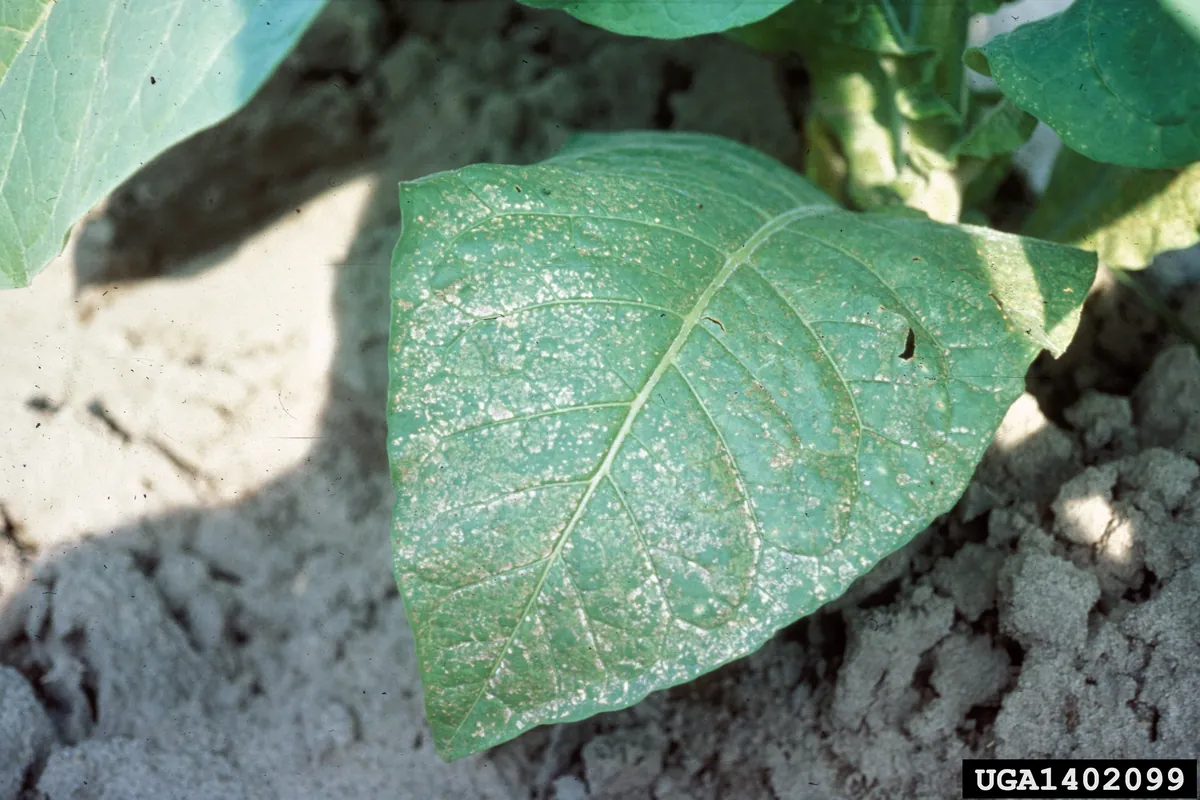
Manganese is very immobile in the plant, so the first signs show on the young leaves. The old leaves stay green until the shortage gets severe.
Manganese deficiency symptoms
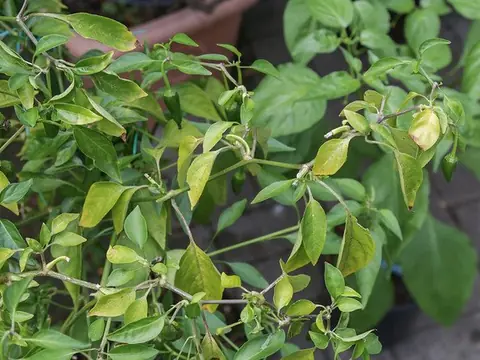
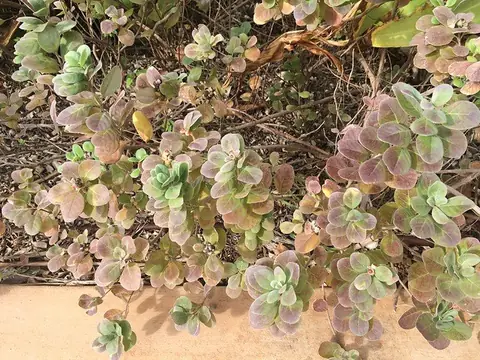
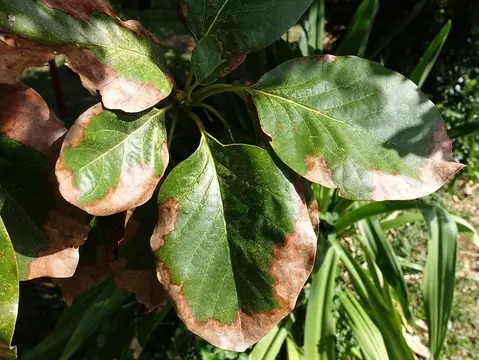
Young leaves turn pale yellow between the veins, often as a fine mottle of tiny yellow spots, while the veins stay green. Rice and corn show grayish green specks or streaks on the young leaves, which later turn yellow, orange and brown. New leaves come out short and narrow, and plants stay small with smaller roots. In rice, plants short of manganese also get more brown spot disease.
Manganese deficiency by crop
Each crop shows it its own way. So find yours in the tables below, then open its page for the photo and the full fix, like the one for manganese in rice.
Rice
| Crop | The first sign | Fix with |
|---|---|---|
| Palay | Young leaves turn greyish green between the veins from the tip down, then get brown spots. | Manganese sulfate, Ammonium sulfate 21 0 0 |
Legumes
| Crop | The first sign | Fix with |
|---|---|---|
| Mani | Leaves pale between the veins and plants stay short, often after heavy liming. | Manganese sulfate |
| Utaw | Leaves pale green to yellow between green veins, later with brown spots, often after liming. | Manganese sulfate |
| Sitaw | New leaves pale between green veins, often where lime was spread heavily. | Manganese sulfate |
| Paayap | Young leaves pale between green veins, later with brown spots, often on limed sandy soil. | Manganese sulfate |
| Patani | Top leaves turn yellow between green veins, often where the soil was limed too much. | Manganese sulfate |
Root Crops
| Crop | The first sign | Fix with |
|---|---|---|
| Ubi | Young leaves show fine pale, sunken spots between the veins that turn into dead spots, on limey soil. | Manganese sulfate |
| Labanos | A general yellowing of the leaves about midway through the season, on high pH soil. | Manganese sulfate |
| Luyang dilaw | New leaves look mottled, light green to yellow green between the veins. | Manganese sulfate |
Vegetables
| Crop | The first sign | Fix with |
|---|---|---|
| Kamatis | Young leaves get orange yellow mottling between green veins with tiny dark brown dots. | Manganese sulfate |
| Pipino | Middle and upper leaves turn pale yellow while the veins stay green. | Manganese sulfate |
| Sili | Young leaves are mottled yellow with a fine net of green veins and dark spots along the veins. | Manganese sulfate |
| Atsal | Young leaves go pale between the veins while even the small veins stay dark green. | Manganese sulfate |
Onion and Garlic
| Crop | The first sign | Fix with |
|---|---|---|
| Sibuyas | Older leaves yellow between veins, tips burn and curl, and bulbs have thick necks. | Manganese sulfate |
Sugarcane and Industrial Crops
| Crop | The first sign | Fix with |
|---|---|---|
| Tubo | Pale stripes on the young leaves start in the middle of the blade and run to the tip. The leaves split in the wind. | Manganese sulfate |
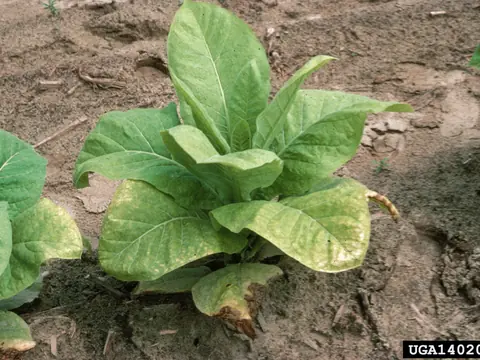
| Tabako | Yellow netting between the veins with small white spots, on fields that were limed too much. | Manganese sulfate |
Fruits and Plantation Crops
| Crop | The first sign | Fix with |
|---|---|---|
| Saging | The second or third youngest leaf yellows from the edge inward along the veins, like the teeth of a comb. | Manganese sulfate |
| Mangga | Leaves just reaching full size turn yellowish green with a fine net of green veins and grey specks. | Manganese sulfate |
| Niyog | New fronds come out yellow with dead streaks, then wither and frizzle. Leaflet tips drop off. | Manganese sulfate |
| Kalamansi | Young full size leaves pale between the veins with broad dark green bands along the veins. Leaf size stays normal. | Manganese sulfate, Urea 46 0 0 |
| Citrus, dalandan or ponkan | Young and medium leaves light green between dark green vein bands. Leaves keep their size. Fruit pale and soft. | Manganese sulfate, Urea 46 0 0 |
| Sapodilla | Pale yellow between the veins with wide green bands along the veins, light spots and early leaf drop. | Manganese sulfate |
What causes manganese deficiency
Manganese shortage comes on calcareous, alkaline and over limed soils, because high pH locks it up. Neutral soils high in organic matter, leached sandy soils, and old, highly weathered or degraded soils low in manganese also run short. Upland rice and other dryland crops suffer more than flooded rice, because flooding makes manganese more soluble.
How to be sure it is manganese
Iron shortage also yellows young leaves, but it is a smooth yellow that can turn white, while manganese gives a speckled mottle. Magnesium shortage looks alike between the veins but starts on the old leaves, and manganese shortage often comes with phosphorus shortage. A soil test for manganese at a DA Regional Soils Laboratory, read together with the soil pH, shows the risk. A leaf tissue test is the more accurate check, because it measures what the plant actually takes up.
How to fix manganese deficiency
On high pH soils the soil ties up manganese fast. So band manganese sulfate near the row or spray it instead of broadcasting. Use ammonium sulfate instead of urea to acidify the root zone. Add manure or straw where soil manganese and organic matter are low. Let the soil and tissue tests decide the rate.
Manganese sulfate works well as a spray. A typical rate in a Haifa vegetable guide is about 100 grams per 100 liters of water. Two or three sprays are sometimes needed for a full response.
Fertilizers sold here that supply manganese
| Product | Made or sold by | What it holds | Use |
|---|---|---|---|
| Manganese Sulfate | Zetryl Chem | 31 percent manganese | Soil or leaves |
| Turan | SCL Filipinas | 11 percent manganese, 6 percent zinc and 2.8 percent copper | Soil or leaves |
| Tierramino MN | Unilox Far East Resources | 7 0 0 with 12 percent manganese | On the leaves |
| Cambiar Lsa Combi | Donato C. Cruz | 2 percent manganese, 1 percent zinc and 0.5 percent copper | Soil or leaves |
| Multimate | Agway | 4 0 0 with 4.5 percent sulfur, 2.8 percent zinc and 1.8 percent manganese | On the leaves |
| Nutri Tabble Meta Foliar | NS Northern Organic Fertilizer | 12 percent zinc, 9 percent sulfur, 2 percent magnesium and 1.2 percent manganese | On the leaves |
| Nutri Tabble Meta | Bon Affaire | 12 percent zinc, 9 percent sulfur, 2 percent magnesium and 1.2 percent manganese | On the soil |
| Dumangan Prime Fertilizer | Dumangan Prime | 3 percent zinc, 3 percent iron, 3 percent manganese and 1 percent boron | Soil or leaves |
For rates and timing, see our guides to foliar fertilizer and to fertilizer application methods. Also, anee.io keeps every application on the cropping calendar, so you know what went on each lot and when.
How to keep manganese deficiency away
Do not over lime, and on soils known to be low in manganese keep the pH near neutral rather than high. Use acidifying fertilizers such as ammonium sulfate and keep returning organic matter.
On strongly acid soils below about pH 5.5, manganese turns toxic, giving crumpled leaves with dark brown specks and dead leaf edges. Toxic manganese levels have also been found in Central Luzon rice soils, and liming acid soils is the usual cure.
Pick your crop in the Nutrient Deficiency Finder, say where the leaves changed first and what you see, and get the fertilizers sold here that fix it.
- Anee, the smart farm technician, reads a photo of the leaf in Tagalog or English
Manganese deficiency questions
What does manganese deficiency look like?
What is the best fertilizer for manganese deficiency?
Why does my soil have manganese but my plants are short of it?
Can too much manganese harm my crop?
Find the missing nutrient and fix it
With Libre + Anee, read the whole guide: how to tell the deficiency from look alikes, how to be sure, what to apply, and the fertilizers sold here that supply it.
The account is free, no credit card.