Mustard Nutrient Deficiency: Signs, Causes and the Fertilizer That Fixes It
Mustard nutrient deficiency is one of the first things to check when the leaves of your mustasa (mustard) turn yellow, purple or burnt at the edges. On Philippine farms the usual ones are nitrogen, sulfur, potassium, phosphorus, boron, magnesium and calcium. This guide shows where each one starts, how to be sure, and the fertilizer that fixes it.
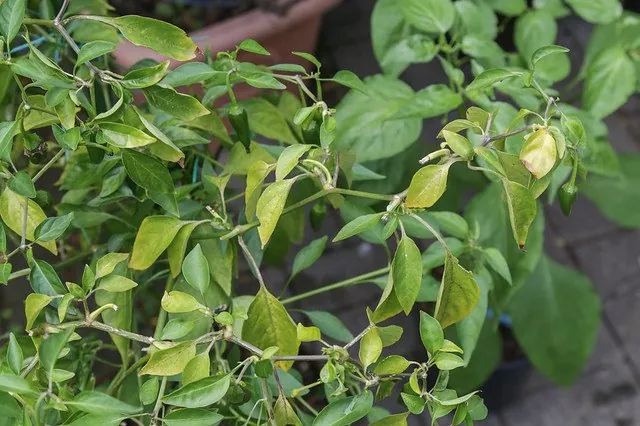
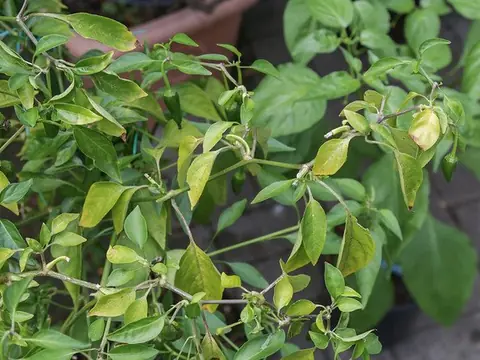
Start with one question: did the change begin on the old leaves or on the young ones? Nitrogen, potassium, phosphorus and magnesium move inside the plant, so a shortage shows on the old, lower leaves first. But sulfur, boron and calcium stay where the plant first put them, so the young leaves and the growing tip show it first. After that, the color and the pattern narrow down which mustard nutrient deficiency you have, and a soil test confirms it. Each one below has its signs, its causes and its fix.
Mustard nutrient deficiency signs, old leaves and young leaves
Shows first on the old leaves
| Nutrient | Where it starts | What you see | Fix with |
|---|---|---|---|
| Nitrogen | old, lower leaves, the whole plant | Lower leaves turn pale yellow, sometimes with red tints, and leaves stay small. | Urea 46 0 0, Ammonium sulfate 21 0 0 |
| Potassium | old, lower leaves, leaf edges and tips | Older leaves get light brown, dry edges that curl up. | Complete 14 14 14, Muriate of potash 0 0 60 |
| Phosphorus | old, lower leaves, the whole plant | Small, slow plants with reddish or purple older leaves. | Complete 14 14 14, Ammonium phosphate 16 20 0 |
| Magnesium | old, lower leaves, between the veins | Older leaves yellow between green veins, starting from the edge. | Magnesium sulfate (Epsom salt), Dolomite |
Shows first on the young leaves
| Nutrient | Where it starts | What you see | Fix with |
|---|---|---|---|
| Sulfur | young leaves and the tip, the whole plant | Young leaves turn pale between blue green veins, cup, and get purple undersides. | Ammonium sulfate 21 0 0, Gypsum |
| Boron | young leaves and the tip | New leaves come out small, crinkled and brittle, and stalks may crack. | Borax, Solubor (sodium borate) |
| Calcium | young leaves and the tip, leaf edges and tips | Brown, dead tips on the youngest leaves in hot, dry weather. | Agricultural lime, Dolomite |
Before you buy fertilizer for a mustard nutrient deficiency
So use the table to pick the likeliest mustard nutrient deficiency, then read its section below. Also keep in mind that dry soil, standing water, cold nights, a pest or a disease can look the same. That is why it pays to check the roots and the whole field first.
Nitrogen deficiency in mustard
Older leaves turn yellow green first, then the whole plant pales. Some leaves get reddish or orange tints and dry patches. Leaves keep their shape but stay small, growth slows and plants may bolt early. You see it most at this stage: from transplanting to harvest.
Why nitrogen deficiency happens in mustasa
Sandy soils, heavy rain or watering, low organic matter and too little nitrogen for a fast leafy crop.
How to tell it apart
Sulfur shortage, very common in mustard, starts on the young leaves instead. Purple color in some mustard varieties is normal. To be sure, old leaves yellow first. Soil test and leaf tissue test.
What to apply for nitrogen deficiency
Side dress or drench with urea or ammonium sulfate in small weekly doses based on the soil test. Give a urea leaf spray at 10 grams per liter of water (160 grams in a 16 liter sprayer) for cole crops. Side dress 1 to 2 bags of Urea 46 0 0 per hectare, about 5 grams a plant, two and four weeks after transplanting, and water it in.
- Urea 46 0 0
- Ammonium sulfate 21 0 0
- Complete 14 14 14
Sold here with nitrogen: Atlas Granular Urea (46 0 0) by Atlas Fertilizer, Crown Champion Ammonium Sulfate by Aqua Hydroponic Prime Ventures (21 0 0 with 24 percent sulfur), Agripower 46 0 0 (Locally Blended) Coated by Green Acres Agri Tech and Calcipro by Ramgo (15.5 0 0 with 18.8 percent calcium). Check the FPA registration on the bag and follow the label rate. For the how and when, see our guide to urea fertilizer, and the page on nitrogen deficiency in every crop. In anee.io, Anee, the smart farm technician, reads a photo of the leaf and tells you which nutrient is short.
To keep it away, add manure or compost at bed preparation and feed weekly. Mustard is a short leafy crop.
Sulfur deficiency in mustard
Plants are small and spindly. Young and middle leaves turn pale between the veins while the veins stand out blue green, the leaves cup and become brittle. The undersides turn purple or bronze. Symptoms develop slowly. You see it most at this stage: early growth on light soils after heavy rain.
Why sulfur deficiency happens in mustasa
Light, sandy soils with low organic matter, wet weather that leaches sulfate, and fertilizer programs of urea and muriate of potash only. Mustard and other brassicas need a lot of sulfur.
How to tell it apart
Nitrogen shortage starts on the older, lower leaves. To be sure, A leaf tissue test is the most reliable check, since sulfate leaches and soil tests can mislead. In a soil test, less than 10 ppm of sulfate sulfur is low.
What to apply for sulfur deficiency
Use ammonium sulfate or gypsum. Brassica vegetables on light soils need about 20 kg of sulfur per hectare, roughly 85 kg of ammonium sulfate. To supply sulfur to mustard kept for seed, gypsum yields better than single superphosphate. Give it at planting or with the first side dress.
- Ammonium sulfate 21 0 0
- Gypsum
- Single superphosphate
Sold here with sulfur: Crown Champion Ammonium Sulfate by Aqua Hydroponic Prime Ventures (21 0 0 with 24 percent sulfur), Philphos Gypsum (22.2 percent calcium and 17.4 percent sulfur), Harvester Sulphate of Potash by Universal Harvester (0 0 50 with 17.5 percent sulfur) and Agsmart Kieserite Granule (20 percent sulfur and 16.3 percent magnesium). Check the FPA registration on the bag and follow the label rate. For the how and when, see our guide to ammonium sulfate fertilizer, and the page on sulfur deficiency in every crop.
To keep it away, use some sulfur fertilizer every crop. Test the soil every two or three years. Keep organic matter up with compost, manure or crop residues.
Potassium deficiency in mustard
The edges of older leaves yellow and then turn light brown and dry, and the dead band spreads inward. Leaf edges curl upward and growth slows. You see it most at this stage: mid growth to harvest.
Why potassium deficiency happens in mustasa
Sandy or acid soils, heavy rain or watering, and fertilizing with urea only.
How to tell it apart
Fertilizer burn appears suddenly after a strong feed. Potassium shortage builds slowly on the old leaves. To be sure, soil test for potassium.
What to apply for potassium deficiency
Apply complete fertilizer or muriate of potash based on the soil test. For a quick fix, give a morning spray of sulfate of potash at 10 grams per liter of water (160 grams in a 16 liter sprayer) for cabbage, a close relative. A usual dose is 1 to 2 bags of Muriate of potash 0 0 60 per hectare, split between transplanting and the first side dress.
- Complete 14 14 14
- Muriate of potash 0 0 60
- Sulfate of potash 0 0 50
Sold here with potassium: Atlas Muriate of Potash (MOP) by Atlas Fertilizer (0 0 60), Simplot Sulfate 0 0 50 by Nutranta, Potassium Nitrate by Parafield (13 0 46) and Qrop Mix Production 14 0 23 plus 13 Cao by Farmtech Agriland (14 0 23 with 9.3 percent calcium). Check the FPA registration on the bag and follow the label rate. For the how and when, see our guide to potash fertilizer, and the page on potassium deficiency in every crop.
To keep it away, use complete fertilizer at bed preparation. Keep organic matter up with compost, manure or crop residues.
Phosphorus deficiency in mustard
Plants grow slowly and stay small. Older leaves can turn dark, then reddish or purple from the edges, often on the undersides. You see it most at this stage: seedling and early growth, in cold or dry soil.
Why phosphorus deficiency happens in mustasa
Acid or iron rich soils, low organic matter, cold, wet or dry soil, and no phosphorus at planting.
How to tell it apart
Some mustard varieties are naturally purple. Nitrogen shortage gives pale rather than dark leaves. To be sure, soil test for available phosphorus and pH.
What to apply for phosphorus deficiency
Apply complete 14 14 14 or 16 20 0 at planting based on the soil test. Use single superphosphate for a quick correction in cole crops. A usual basal dose is 4 to 6 bags of Complete 14 14 14 per hectare, about 10 grams a hill, mixed into the soil at transplanting.
- Complete 14 14 14
- Ammonium phosphate 16 20 0
- Single superphosphate
Sold here with phosphorus: Philphos 18 46 0 (Di Ammonium Phosphate), Atlas Super Gro (16 20 0) by Atlas Fertilizer, Amigo Planters Granular Single Super Phosphate by La Filipina (0 18 0 with 11 percent sulfur) and Triple Super Phosphate by Newman Chemicals (0 46 0). Check the FPA registration on the bag and follow the label rate. For the how and when, see our guide to 16 20 0 fertilizer, and the page on phosphorus deficiency in every crop.
To keep it away, use a phosphorus fertilizer and manure at bed preparation.
Boron deficiency in mustard
Young leaves stay small, curl and become deformed, with yellow mottling along the edges. Leaf stalks and midribs may split or go corky, and a bad case kills the growing tip. You see it most at this stage: mid growth.
Why boron deficiency happens in mustasa
Sandy soils, overlimed or alkaline soils, low organic matter and drought. Brassicas need more boron than most crops.
How to tell it apart
Aphids also curl young leaves. Look for insects. To be sure, soil test for boron and a leaf tissue test. In a soil test, less than 0.5 ppm of boron is low.
What to apply for boron deficiency
For cole crops, give borax at about 10 kg per hectare in the soil or a spray at 1 gram per liter of water (16 grams in a 16 liter sprayer). Do not repeat without a test. Give boron before flowering: flowers and fruit set need it most.
- Borax
- Solubor (sodium borate)
Sold here with boron: Etifert 11 (Borax Decahydrate) by Zetryl Chem (11 percent boron), Fertibagra 15G by Unilox Far East Resources (14.6 percent boron), B17 (Boric Acid) by Newman Chemicals (17 percent boron) and Better Yield by Bacphil Planters Fertilizer (0 0 0.9 with 10 percent boron). Check the FPA registration on the bag and follow the label rate. For the how and when, see our guide to foliar fertilizer, and the page on boron deficiency in every crop.
To keep it away, add a small dose of borax to the basal fertilizer on sandy beds. Test the soil every two or three years. Keep organic matter up with compost, manure or crop residues.
Magnesium deficiency in mustard
Older leaves yellow between the veins, starting at the edges and moving toward the midrib, while the veins stay green. Yellow areas may later turn orange, red or brown. You see it most at this stage: mid growth to harvest.
Why magnesium deficiency happens in mustasa
Acid sandy soils, soils high in potassium, heavy potash fertilizer and heavy rain.
How to tell it apart
Nitrogen shortage yellows the whole leaf. To be sure, soil test for magnesium, potassium and pH.
What to apply for magnesium deficiency
Spray magnesium sulfate for quick relief. For cole crops give magnesium sulfate in a band at about 80 kg per hectare. Do not apply it together with potash. For quick help, spray Magnesium sulfate at 1 to 2 percent (160 to 320 grams in a 16 liter sprayer) two or three times, 10 to 14 days apart.
- Magnesium sulfate (Epsom salt)
- Dolomite
Sold here with magnesium: Dolomite by A6 Agrisource (24 percent calcium and 11 percent magnesium), Agsmart Kieserite Granule (20 percent sulfur and 16.3 percent magnesium), DDDD Planter's Choice Magnesium Sulphate Monohydrate by Modern Time (15.1 percent magnesium) and Zetryl MAG 9 by Zetryl Chem (9 percent magnesium). Check the FPA registration on the bag and follow the label rate. For the how and when, see our guide to complete fertilizer, and the page on magnesium deficiency in every crop.
To keep it away, use dolomite on acid soil. Test the soil every two or three years. Lime acid soil with Dolomite rather than plain lime.
Calcium deficiency in mustard
The tips and edges of young, fast growing leaves die and turn brown, and the damage spreads inward. Rot can enter the damaged tissue. You see it most at this stage: fast growth in hot, dry spells.
Why calcium deficiency happens in mustasa
Uneven watering and fast growth, acid sandy soils, and heavy ammonium or potash.
How to tell it apart
Bacterial rots start wet. Tip burn starts as dry dead edges. To be sure, soil test for calcium and pH.
What to apply for calcium deficiency
Water evenly. On acid soil, try lime at about 250 kg per hectare when pH is 5.5 to 6, or about 840 kg per hectare in two doses when pH is 3.5 to 4.5. Gypsum on soil that is not acid. Lime 2 to 4 weeks before planting. Calcium sprays go on young fruit from fruit set.
- Agricultural lime
- Dolomite
- Gypsum
Sold here with calcium: Micronized Activated Calcite by CMCS Agricultural Products (37.6 percent calcium), Dolomite by A6 Agrisource (24 percent calcium and 11 percent magnesium), Titon Pro by Vast Agro (27.2 percent calcium, 6.1 percent silicon and 3.6 percent magnesium) and Calcipro by Ramgo (15.5 0 0 with 18.8 percent calcium). Check the FPA registration on the bag and follow the label rate. For the how and when, see our guide to fertilizer for tomatoes, and the page on calcium deficiency in every crop.
To keep it away, lime acid beds before planting and keep watering steady. Test the soil every two or three years. Keep potash in balance with magnesium and calcium.
A soil test is the surest check for any mustard nutrient deficiency. Before you buy, ask your Municipal Agriculture Office where to send a soil sample. The DA regional soil laboratories test soil, and the result says how much of each fertilizer your mustasa needs. That saves money, because extra fertilizer is money lost.
Open the Nutrient Deficiency Finder, pick mustasa, say where the leaves changed first and what you see, and get the fertilizers sold here that fix it.
- Anee, the smart farm technician, reads a photo of the leaf
- The cropping calendar dates every fertilizer application of your season
Mustard nutrient deficiency questions
Why are my mustasa leaves turning yellow?
What fertilizer fixes nitrogen deficiency in mustard?
What fertilizer fixes sulfur deficiency in mustard?
What fertilizer fixes potassium deficiency in mustard?
How do I know which nutrient my mustasa lacks?
- Yara UK: Nitrogen deficiency in cabbage
- Teagasc: Sulphur requirements of brassica crops (technical note 2020)
- Indian Journal of Agronomy: Response of Indian mustard to irrigation and sulphur sources and levels
- Yara UK: Sulfur deficiency in broccoli
- Yara UK: Potassium deficiency in cabbage
- Yara UK: Phosphorus deficiency in broccoli
- Yara UK: Boron deficiency in cabbage
- Yara UK: Magnesium deficiency in cabbage
- Yara UK: Calcium deficiency in cabbage
Find the missing nutrient and fix it
With Libre + Anee, read the whole guide: how to tell the deficiency from look alikes, how to be sure, what to apply, and the fertilizers sold here that supply it.
The account is free, no credit card.