Jackfruit Nutrient Deficiency: Signs, Causes and the Fertilizer That Fixes It
Jackfruit nutrient deficiency is one of the first things to check when the leaves of your langka (jackfruit) turn yellow, purple or burnt at the edges. On Philippine farms the usual ones are nitrogen, potassium, phosphorus, boron, zinc, magnesium and iron. This guide shows where each one starts, how to be sure, and the fertilizer that fixes it.
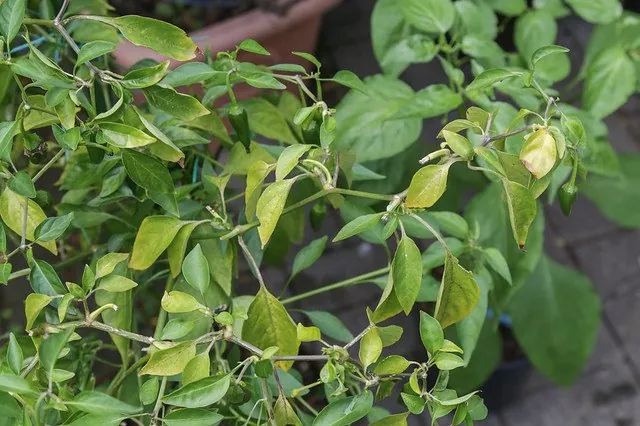
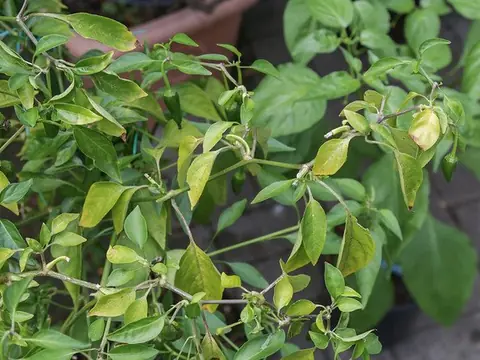
Start with one question: did the change begin on the old leaves or on the young ones? Nitrogen, potassium, phosphorus and magnesium move inside the plant, so a shortage shows on the old, lower leaves first. But boron, zinc and iron stay where the plant first put them, so the young leaves and the growing tip show it first. After that, the color and the pattern narrow down which jackfruit nutrient deficiency you have, and a soil test confirms it. Each one below has its signs, its causes and its fix.
Jackfruit nutrient deficiency signs, old leaves and young leaves
Shows first on the old leaves
| Nutrient | Where it starts | What you see | Fix with |
|---|---|---|---|
| Nitrogen | old, lower leaves, the whole plant | The whole canopy turns pale green, older leaves go yellow and drop, and new shoots stay short. | Ammonium sulfate 21 0 0, Urea 46 0 0 |
| Potassium | old, lower leaves, leaf edges and tips | Edges of older leaves yellow and then burn brown. Fruits stay small with thin flakes. | Muriate of potash 0 0 60, Sulfate of potash 0 0 50 |
| Phosphorus | old, lower leaves | A slow, stunted tree whose older leaves turn dull with a purple or bronze tint underneath. | Superphosphate 0 20 0, 16 20 0 |
| Magnesium | old, lower leaves, between the veins | Older leaves yellow between the side veins, from the edge in toward the midrib, while the veins stay green. | Magnesium sulfate (Epsom salt), Dolomite |
Shows first on the young leaves
| Nutrient | Where it starts | What you see | Fix with |
|---|---|---|---|
| Boron | fruit, grain or tubers, young leaves and the tip | Fruits split or crack with a reddish purple color and gum in the cracks. Young leaves yellow and brittle. | Borax, Solubor |
| Zinc | young leaves and the tip, between the veins | Small leaves on short stalks crowd into a rosette and yellow between the veins. Many fruits drop. | Zinc sulfate, Agricultural lime |
| Iron | young leaves and the tip, between the veins | Young leaves turn yellow between green veins. In bad cases the whole new leaf goes yellow. | Ferrous sulfate, Iron chelate (Fe EDDHA) |
Before you buy fertilizer for a jackfruit nutrient deficiency
So use the table to pick the likeliest jackfruit nutrient deficiency, then read its section below. Also keep in mind that dry soil, standing water, cold nights, a pest or a disease can look the same. That is why it pays to check the roots and the whole field first.
Nitrogen deficiency in jackfruit
Jackfruit shows it like most fruit trees. The tree first looks light green all over. Then the older, lower leaves turn evenly yellow, veins included, and fall early, while the yellowing slowly moves up to younger leaves. New flushes are short with small leaves, and the tree sets fewer fruits. You see it most at this stage: young trees in the first years after planting, and old bearing trees that never get fertilizer.
Why nitrogen deficiency happens in langka
In the Philippines jackfruit is seldom fertilized, so many trees run short. Sandy or eroded soils low in organic matter, heavy rain that washes nitrogen away. Weeds or grass competing under the canopy make it worse.
How to tell it apart
Magnesium deficiency also starts on old leaves, but the yellow sits between the veins while the veins stay green. Jackfruit does not tolerate wet soil, and two or three days of standing water can yellow and kill a tree. To be sure, send a sample of recently matured leaves for a leaf test and a soil sample for a soil test. A clear greening of new leaves within a few weeks after a nitrogen dose confirms it.
What to apply for nitrogen deficiency
For young trees, the Philippine practice described by Coronel gives 100 to 150 grams of Ammonium sulfate 21 0 0 per tree one month after planting and the same again six months later. Fruiting trees take 0.5 to 1 kg of Complete 14 14 14 each when the rains begin and the same amount again as they end. At least 2 to 3 kg per dose for full grown trees of 15 to 20 years. Spread it in a ring under the canopy edge and water it in.
- Ammonium sulfate 21 0 0
- Urea 46 0 0
- Complete 14 14 14
Sold here with nitrogen: Atlas Granular Urea (46 0 0) by Atlas Fertilizer, Amigo Planters Ammonium Chloride by La Filipina (25 0 0), Agripower 46 0 0 (Locally Blended) Coated by Green Acres Agri Tech and Calcipro by Ramgo (15.5 0 0 with 18.8 percent calcium). Check the FPA registration on the bag and follow the label rate. For the how and when, see our guide to urea fertilizer, and the page on nitrogen deficiency in every crop. In anee.io, Anee, the smart farm technician, reads a photo of the leaf and tells you which nutrient is short.
To keep it away, fertilize every year in two splits, raise the amount as the tree grows. Keep a mulch or compost ring under the canopy. Let a soil test and the crop's color set the season's nitrogen.
Potassium deficiency in jackfruit
The signs on jackfruit are those of most fruit trees. The edges and tips of older or newly matured leaves yellow first, then dry brown as a scorch that moves in toward the midrib. Badly hit leaves drop. Fruit and seed production suffers, so fruits are smaller and lower in quality. You see it most at this stage: bearing trees, most of all during fruit growth when the fruit pulls potash from the leaves.
Why potassium deficiency happens in langka
Heavy crops remove potash every year, and most trees get none back. Sandy, leached soils under heavy rain and dry spells that cut uptake make it worse.
How to tell it apart
Magnesium deficiency also hits old leaves but yellows between the veins, not along the edge. Fertilizer burn from too much fertilizer close to the trunk and dry wind can also brown leaf edges. To be sure, A leaf test of recently matured leaves and a soil test for exchangeable potassium.
What to apply for potassium deficiency
Give potash with the yearly fertilizer, following the soil test. Feed each EVIARC Sweet tree 0.83 kg Complete 14 14 14, 3.33 kg Solophos and 0.73 kg Muriate of potash 0 0 60. Fed trees bear bigger pulp and more flakes per fruit than unfed ones. The usual schedule rises from 0.1 kg potash per tree in the first year to 0.5 kg from the sixth year, in two splits.
- Muriate of potash 0 0 60
- Sulfate of potash 0 0 50
- Complete 14 14 14
Sold here with potassium: Atlas Muriate of Potash (MOP) by Atlas Fertilizer (0 0 60), Simplot Sulfate 0 0 50 by Nutranta, Potassium Nitrate by Parafield (13 0 46) and Qrop Mix Production 14 0 23 plus 13 Cao by Farmtech Agriland (14 0 23 with 9.3 percent calcium). Check the FPA registration on the bag and follow the label rate. For the how and when, see our guide to potash fertilizer, and the page on potassium deficiency in every crop.
To keep it away, include potash every year, split in two doses, and return leaves and fruit waste to the ring as compost.
Phosphorus deficiency in jackfruit
Jackfruit shows it the way most fruit trees do. Growth is slow and the tree stays small. Older leaves lose their shine and take on a purple or bronze color, most of all on the underside. Roots stay weak and young trees take longer to start bearing. You see it most at this stage: young trees after planting, and trees on very acid soils.
Why phosphorus deficiency happens in langka
Acid soils that lock phosphorus up, soils low in organic matter, and cold or waterlogged soil.
How to tell it apart
Cool weather, drought and root damage can also slow growth and redden leaves, so check the soil moisture and the roots. Nitrogen deficiency makes old leaves pale yellow rather than purple or bronze. To be sure, A soil test for available phosphorus and pH, and a leaf test.
What to apply for phosphorus deficiency
Apply a phosphorus fertilizer in a ring under the canopy and work it into the topsoil, following the soil test. Give 3.33 kg Solophos (Superphosphate 0 20 0) per tree, along with complete fertilizer and potash. The usual schedule gives 0.08 kg phosphorus per tree in the first year, rising to 0.4 kg from the sixth year. Lime very acid soils so the phosphorus stays available. Give it when the rains begin.
- Superphosphate 0 20 0
- 16 20 0
- Ammonium phosphate 18 46 0
- Complete 14 14 14
Sold here with phosphorus: Philphos 18 46 0 (Di Ammonium Phosphate), Atlas Super Gro (16 20 0) by Atlas Fertilizer, Amigo Planters Granular Single Super Phosphate by La Filipina (0 18 0 with 11 percent sulfur) and Triple Super Phosphate by Newman Chemicals (0 46 0). Check the FPA registration on the bag and follow the label rate. For the how and when, see our guide to 16 20 0 fertilizer, and the page on phosphorus deficiency in every crop.
To keep it away, mix compost and a phosphorus fertilizer into the planting soil, and add some every year.
Boron deficiency in jackfruit
Fruits split or crack, and the cracks show a reddish purple color with gum oozing out. Young leaves turn yellow, thin and brittle, and the shoot tips grow poorly. Flowers can drop before they are pollinated, which leaves misshapen fruit. You see it most at this stage: flowering and fruit growth, and on new flushes.
Why boron deficiency happens in langka
Sandy or leached soils low in organic matter, dry spells, and heavy liming. Boron moves little inside the tree, so young tissue and fruit show it first.
How to tell it apart
Rhizopus fruit rot makes young fruits go soft and grey black with mould, not dry cracks with gum. Fruit borers leave holes with frass. To be sure, do a soil test, and a leaf test for boron. Cracked fruit together with yellow, brittle young leaves points to boron. In a soil test, less than 0.5 ppm of boron is low.
What to apply for boron deficiency
Spread about 10 kg of Borax per hectare on the soil, or spray it on the leaves at 1 gram per liter (16 grams in a 16 liter sprayer). Do not mix boron with calcium fertilizers or apply it together with ammonium fertilizers. Too much boron is toxic, so do not repeat high doses without a test. Give boron before flowering: flowers and fruit set need it most.
- Borax
- Solubor
Sold here with boron: Etifert 11 (Borax Decahydrate) by Zetryl Chem (11 percent boron), Fertibagra 15G by Unilox Far East Resources (14.6 percent boron), B17 (Boric Acid) by Newman Chemicals (17 percent boron) and Better Yield by Bacphil Planters Fertilizer (0 0 0.9 with 10 percent boron). Check the FPA registration on the bag and follow the label rate. For the how and when, see our guide to foliar fertilizer, and the page on boron deficiency in every crop.
To keep it away, keep organic matter up, water during long dry spells, and add a small boron dose on soils that tested low. Test the soil every two or three years.
Zinc deficiency in jackfruit
New leaves come out small with short stalks and crowd together at the shoot tip in a rosette. They yellow between the veins and can show yellow streaks. Fruits stay smaller and more of them drop, so the yield falls. You see it most at this stage: new flushes, flowering and early fruit growth.
Why zinc deficiency happens in langka
Zinc is the most common micronutrient shortage of fruit crops. Soils with pH outside about 5 to 7.5, heavy phosphate fertilizer, and sandy or eroded soils bring it on.
How to tell it apart
Iron deficiency also yellows young leaves between the veins, but the leaves stay normal in size and do not rosette. Mites and thrips can also stunt new leaves. To be sure, A soil test for zinc and pH, and a leaf test. New leaves that come out normal after a zinc spray on a few branches confirm it. In a soil test, less than 0.8 ppm of zinc is low.
What to apply for zinc deficiency
Give a foliar spray of 500 grams Zinc sulfate, 250 grams lime and 100 grams urea with 100 ml soap in 100 liters of water (5 grams Zinc sulfate per liter), three times at 20 day intervals, plus 250 grams Zinc sulfate per tree mixed with compost or manure in two equal doses when the tree puts out new growth. Where the soil is short of zinc, give about 20 kg Zinc sulfate per hectare. Do not apply zinc and phosphate fertilizer at the same time. Give the soil dose at planting or when the rains begin, and sprays on young growth.
- Zinc sulfate
- Agricultural lime
- Urea 46 0 0
Sold here with zinc: Harvester Zinc Sulphate Heptahydrate by Universal Harvester (22 percent zinc), Tierramino ZN by Unilox Far East Resources (7 0 0 with 10 percent zinc), Liquid Chelate Zinc with Sulfur by Sagrex (10 percent zinc and 5 percent sulfur) and Nemes Foliar by SCL Filipinas (4.8 0 0 with 10 percent zinc, 4.9 percent boron and 4.8 percent magnesium). Check the FPA registration on the bag and follow the label rate. For the how and when, see our guide to fertilizer with zinc, and the page on zinc deficiency in every crop.
To keep it away, avoid heavy phosphate, keep organic matter up, and include zinc in the program on soils that tested low. Test the soil every two or three years.
Magnesium deficiency in jackfruit
Older, lower leaves turn yellow between the side veins on both sides of the midrib while the veins stay green. The yellow starts at the leaf edge and moves in toward the midrib. Later the yellow parts turn reddish with dead patches, and the leaves drop early. You see it most at this stage: bearing trees, often after heavy potash fertilizer.
Why magnesium deficiency happens in langka
Acid, sandy and leached soils, and heavy potash fertilizer, which competes with magnesium.
How to tell it apart
Potassium deficiency also hits old leaves, but it burns the leaf edge brown instead of yellowing between the veins. Nitrogen deficiency yellows the whole old leaf, veins included. To be sure, do a soil test for magnesium, potassium and calcium, and a leaf test.
What to apply for magnesium deficiency
Band about 80 kg Magnesium sulfate per hectare near the trees. Give 1.5 kg Dolomite per tree per year to the soil and a foliar spray of Magnesium sulfate at 10 to 20 grams per liter (160 to 320 grams in a 16 liter sprayer). A 10 to 20 gram per liter spray is strong, so try it on a few branches first. Do not apply magnesium and potassium fertilizers together. Put the soil dose in before planting or when the rains begin. Sprays show results in 10 to 14 days.
- Magnesium sulfate (Epsom salt)
- Dolomite
- Kieserite
Sold here with magnesium: Dolomite by A6 Agrisource (24 percent calcium and 11 percent magnesium), Agsmart Kieserite Granule (20 percent sulfur and 16.3 percent magnesium), DDDD Planter's Choice Magnesium Sulphate Monohydrate by Modern Time (15.1 percent magnesium) and Zetryl MAG 9 by Zetryl Chem (9 percent magnesium). Check the FPA registration on the bag and follow the label rate. For the how and when, see our guide to complete fertilizer, and the page on magnesium deficiency in every crop.
To keep it away, use Dolomite when liming acid soils, and keep potash and magnesium in balance based on a soil test.
Iron deficiency in jackfruit
Young leaves yellow between the veins while the veins and midrib stay green. In bad cases the whole young leaf turns yellow, though the midrib can stay green, and growth is stunted. Older leaves usually stay green. You see it most at this stage: new flushes, mostly on high pH soils or after waterlogging.
Why iron deficiency happens in langka
Iron is plentiful in most acid Philippine soils, so true shortage is uncommon. It shows on limestone, coralline or overlimed soils with high pH, and in waterlogged soil. Low potassium can also bring on iron yellowing.
How to tell it apart
Zinc deficiency also yellows young leaves between the veins, but the leaves are small and bunched. Manganese deficiency shows on fully grown leaves as a mix of green and yellow between the main veins. To be sure, A soil test for pH and iron. Many soils here already hold a lot of iron. So use a soil test to find the real cause before adding iron.
What to apply for iron deficiency
Where the soil is short of iron, give about 15 kg Ferrous sulfate per hectare. Use chelated iron (EDDHA) as a soil drench on high pH soils, since iron sprays on the leaves generally work poorly. Ferrous sulfate to the soil on acid soils. Improve drainage where water stands. Spray Ferrous sulfate at 0.5 to 1 percent (80 to 160 grams in a 16 liter sprayer), or an iron chelate at the label rate, two or three times 7 to 10 days apart.
- Ferrous sulfate
- Iron chelate (Fe EDDHA)
Sold here with iron: DDDD Planter's Choice Ferrous Sulphate Heptahydrate by Modern Time (19 percent iron), Ferrous Sulfate Monohydrate by Zetryl Chem (30 percent iron), Ferrous Sulphate Monohydrate by Newman Chemicals (30 percent iron) and Liquid Chelate Iron with Sulfur by Sagrex (5 percent iron and 3 percent sulfur). Check the FPA registration on the bag and follow the label rate. For the how and when, see our guide to foliar fertilizer, and the page on iron deficiency in every crop.
To keep it away, do not overlime, drain wet spots, and keep potash up. Test the soil every two or three years. Keep organic matter up with compost, manure or crop residues.
A soil test is the surest check for any jackfruit nutrient deficiency. Before you buy, ask your Municipal Agriculture Office where to send a soil sample. The DA regional soil laboratories test soil, and the result says how much of each fertilizer your langka needs. That saves money, because extra fertilizer is money lost.
Open the Nutrient Deficiency Finder, pick langka, say where the leaves changed first and what you see, and get the fertilizers sold here that fix it.
- Anee, the smart farm technician, reads a photo of the leaf
- The cropping calendar dates every fertilizer application of your season
Jackfruit nutrient deficiency questions
Why are my langka leaves turning yellow?
What fertilizer fixes nitrogen deficiency in jackfruit?
What fertilizer fixes potassium deficiency in jackfruit?
What fertilizer fixes phosphorus deficiency in jackfruit?
How do I know which nutrient my langka lacks?
- Rare Fruit Council of Australia archives: Jakfruit in the Philippines, Part II (from Coronel, Promising Fruits of the Philippines)
- NParks Singapore (Jiang Qiuyun): Identifying nutrient deficiency in plants
- Briones and Lina 2020, Organic and inorganic fertilizer and the postharvest quality of jackfruit var. EVIARC Sweet (Mindanao Journal of Science and Technology)
Find the missing nutrient and fix it
With Libre + Anee, read the whole guide: how to tell the deficiency from look alikes, how to be sure, what to apply, and the fertilizers sold here that supply it.
The account is free, no credit card.