Tamarind Nutrient Deficiency: Signs, Causes and the Fertilizer That Fixes It
Tamarind nutrient deficiency is one of the first things to check when the leaves of your sampalok (tamarind) turn yellow, purple or burnt at the edges. On Philippine farms the usual ones are nitrogen, potassium, phosphorus and zinc. This guide shows where each one starts, how to be sure, and the fertilizer that fixes it.
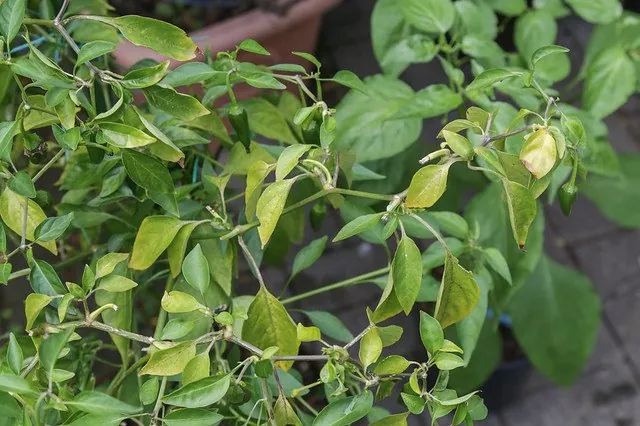
Start with one question: did the change begin on the old leaves or on the young ones? Nitrogen, potassium and phosphorus move inside the plant, so a shortage shows on the old, lower leaves first. But zinc stay where the plant first put them, so the young leaves and the growing tip show it first. After that, the color and the pattern narrow down which tamarind nutrient deficiency you have, and a soil test confirms it. Each one below has its signs, its causes and its fix.
Tamarind nutrient deficiency signs, old leaves and young leaves
Shows first on the old leaves
| Nutrient | Where it starts | What you see | Fix with |
|---|---|---|---|
| Nitrogen | old, lower leaves, the whole plant | Pale, thin crowns with yellowing older leaflets, slow growth and few pods. | Urea 46 0 0, Ammonium sulfate 21 0 0 |
| Potassium | old, lower leaves, leaf edges and tips | Tips and edges of older leaflets scorch brown. Pods stay small and poorly filled. | Muriate of potash 0 0 60, Sulfate of potash 0 0 50 |
| Phosphorus | old, lower leaves | Seedlings and young trees grow slowly, with a purplish tint on older leaflets. | Superphosphate 0 20 0, 16 20 0 |
Shows first on the young leaves
| Nutrient | Where it starts | What you see | Fix with |
|---|---|---|---|
| Zinc | young leaves and the tip, between the veins | New leaflets come out small and pale, bunched on short shoots. | Zinc sulfate |
Before you buy fertilizer for a tamarind nutrient deficiency
So use the table to pick the likeliest tamarind nutrient deficiency, then read its section below. Also keep in mind that dry soil, standing water, cold nights, a pest or a disease can look the same. That is why it pays to check the roots and the whole field first.
Nitrogen deficiency in tamarind
The signs on tamarind are like those on other fruit trees. The crown turns light green, older leaflets turn yellow, then brown, and drop. Young trees grow slowly with thin shoots, and bearing trees set fewer pods. You see it most at this stage: grafted trees in the first years after planting, and bearing trees that are never fed.
Why nitrogen deficiency happens in sampalok
Poor, eroded and gravelly soils low in organic matter, where tamarind is often planted, and trees that get no manure or fertilizer. Tamarind trees usually get little care.
How to tell it apart
Powdery mildew coats leaflets with a white powder and leaf eating caterpillars strip leaves, which is not a color change from hunger. Few pods may also come from the weather, not hunger. To be sure, A leaf test of mature leaflets from recent growth shows low nitrogen. New leaves that come out greener after a nitrogen dose confirm it.
What to apply for nitrogen deficiency
Give 200 grams of nitrogen, 150 grams of phosphate and 250 grams of potash per tree each year, along with 25 kg of farm manure and 2 kg of neem cake. 200 grams of nitrogen is about 430 grams of Urea 46 0 0 or about 950 grams of Ammonium sulfate 21 0 0. Spread it in a ring under the canopy edge when the soil is moist, early in the rainy season.
- Urea 46 0 0
- Ammonium sulfate 21 0 0
- Complete 14 14 14
Sold here with nitrogen: Atlas Granular Urea (46 0 0) by Atlas Fertilizer, Amigo Planters Ammonium Chloride by La Filipina (25 0 0), Agripower 46 0 0 (Locally Blended) Coated by Green Acres Agri Tech and Calcipro by Ramgo (15.5 0 0 with 18.8 percent calcium). Check the FPA registration on the bag and follow the label rate. For the how and when, see our guide to urea fertilizer, and the page on nitrogen deficiency in every crop. In anee.io, Anee, the smart farm technician, reads a photo of the leaf and tells you which nutrient is short.
To keep it away, feed every year, add manure, and keep the circle under young trees free of weeds. Legume intercrops in the first four years, also help the soil. Let a soil test and the crop's color set the season's nitrogen.
Potassium deficiency in tamarind
The signs on tamarind are like those on other fruit trees. The tips and edges of older leaflets look burnt, and the scorch moves inward. Pod filling and pulp quality drop. You see it most at this stage: bearing trees, most of all during pod filling.
Why potassium deficiency happens in sampalok
Sandy, leached and eroded soils, and years of pod harvests with no potash returned.
How to tell it apart
Salt in the soil or water also scorches leaflet edges. Tamarind seedlings bear salt fairly well, and high salt mostly yellows their leaves without dead patches. To be sure, A soil test for potash and a leaf test.
What to apply for potassium deficiency
The usual yearly dose for tamarind gives the largest share to potash: 250 grams per tree, with 200 grams of nitrogen and 150 grams of phosphate. 250 grams of potash (K2O) is about 420 grams of Muriate of potash 0 0 60. Spread it under the canopy with the farm manure, in split doses on sandy soils.
- Muriate of potash 0 0 60
- Sulfate of potash 0 0 50
- Complete 14 14 14
Sold here with potassium: Atlas Muriate of Potash (MOP) by Atlas Fertilizer (0 0 60), Simplot Sulfate 0 0 50 by Nutranta, Potassium Nitrate by Parafield (13 0 46) and Qrop Mix Production 14 0 23 plus 13 Cao by Farmtech Agriland (14 0 23 with 9.3 percent calcium). Check the FPA registration on the bag and follow the label rate. For the how and when, see our guide to potash fertilizer, and the page on potassium deficiency in every crop.
To keep it away, give potash every year once the tree bears, and return fallen leaflets and prunings under the tree. Test the soil every two or three years.
Phosphorus deficiency in tamarind
The signs on tamarind are like those on other fruit trees. Growth is slow and stunted, and older leaflets take on a purple color, most of all on the underside. Seedlings in the nursery show it most. You see it most at this stage: nursery seedlings and rootstocks, and young trees in the first years.
Why phosphorus deficiency happens in sampalok
Low phosphorus tropical soils. Tamarind seedlings need phosphorus more than any other nutrient, so low phosphorus soil holds them back. Eroded and gravelly soils add to it.
How to tell it apart
Nitrogen shortage gives an even pale color without the purple. Leaf eating caterpillars thin the canopy but do not change the leaf color. To be sure, A soil test for available phosphorus and pH, and a leaf test.
What to apply for phosphorus deficiency
Give 150 grams of phosphate per tree each year with manure. 150 grams of phosphate (P2O5) is about 750 grams of Superphosphate 0 20 0. In the nursery, cattle or goat manure in the potting mix gives seedlings enough phosphorus to grow well. But added superphosphate raised the phosphorus in the shoots. 16 20 0 or Complete 14 14 14 can also carry it.
- Superphosphate 0 20 0
- 16 20 0
- Complete 14 14 14
- Ammonium phosphate 18 46 0
Sold here with phosphorus: Philphos 18 46 0 (Di Ammonium Phosphate), Atlas Super Gro (16 20 0) by Atlas Fertilizer, Amigo Planters Granular Single Super Phosphate by La Filipina (0 18 0 with 11 percent sulfur) and Triple Super Phosphate by Newman Chemicals (0 46 0). Check the FPA registration on the bag and follow the label rate. For the how and when, see our guide to 16 20 0 fertilizer, and the page on phosphorus deficiency in every crop.
To keep it away, fill planting pits with manure and topsoil, and add phosphate there and in the yearly feeding. Test the soil every two or three years.
Zinc deficiency in tamarind
The signs on tamarind are like those on other fruit trees. Zinc is the most widespread micronutrient shortage in fruit crops. Young leaflets turn pale or yellow between the veins and come out small and sometimes distorted. Shoots stay short so the leaves bunch in a rosette. You see it most at this stage: new flushes after the dry season.
Why zinc deficiency happens in sampalok
Tamarind is often grown on poor, eroded, saline or alkaline soils. Zinc is harder for roots to take up on high pH soils. Heavy phosphate fertilizer can also hold back zinc.
How to tell it apart
High salt yellows the leaves of tamarind seedlings (Gebauer and others), which is not the same as small new leaves. Iron shortage yellows young leaves on alkaline soils too, but leaf size stays normal. To be sure, A leaf test for zinc and a soil test for pH and zinc. Spray a few branches and see whether the next flush comes out normal sized. In a soil test, less than 0.8 ppm of zinc is low.
What to apply for zinc deficiency
Tamarind has no zinc rate of its own, so borrow the one used on other fruit trees. Use a 0.5 percent Zinc sulfate spray (5 grams per liter, 80 grams in a 16 liter sprayer) on several fruit trees, for example guava before flowering. So try it on a few branches of the new flush first. On soils proven low in zinc, add Zinc sulfate to the soil following the soil test. Give 50 to 100 grams of Zinc sulfate a young tree and 100 to 250 grams a bearing tree a year under the canopy.
- Zinc sulfate
Sold here with zinc: Harvester Zinc Sulphate Heptahydrate by Universal Harvester (22 percent zinc), Tierramino ZN by Unilox Far East Resources (7 0 0 with 10 percent zinc), Liquid Chelate Zinc with Sulfur by Sagrex (10 percent zinc and 5 percent sulfur) and Nemes Foliar by SCL Filipinas (4.8 0 0 with 10 percent zinc, 4.9 percent boron and 4.8 percent magnesium). Check the FPA registration on the bag and follow the label rate. For the how and when, see our guide to fertilizer with zinc, and the page on zinc deficiency in every crop.
To keep it away, add manure every year, avoid heavy phosphate alone, and test the soil pH before planting on alkaline or saline ground.
A soil test is the surest check for any tamarind nutrient deficiency. Before you buy, ask your Municipal Agriculture Office where to send a soil sample. The DA regional soil laboratories test soil, and the result says how much of each fertilizer your sampalok needs. That saves money, because extra fertilizer is money lost.
Open the Nutrient Deficiency Finder, pick sampalok, say where the leaves changed first and what you see, and get the fertilizers sold here that fix it.
- Anee, the smart farm technician, reads a photo of the leaf
- The cropping calendar dates every fertilizer application of your season
Tamarind nutrient deficiency questions
Why are my sampalok leaves turning yellow?
What fertilizer fixes nitrogen deficiency in tamarind?
What fertilizer fixes potassium deficiency in tamarind?
What fertilizer fixes phosphorus deficiency in tamarind?
How do I know which nutrient my sampalok lacks?
- PROSEA Plant Resources of South East Asia: Tamarindus indica (tamarind), husbandry
- Gebauer, El Siddig and Ebert 2003, Growth, gas exchange and ion uptake of Tamarindus indica seedlings under salt stress (Tropentag 2003)
- Pereira and others 2016, Growth and levels of N, P and K in rootstocks of tamarind trees using organic substrates and doses of phosphorus (Revista Caatinga)
Find the missing nutrient and fix it
With Libre + Anee, read the whole guide: how to tell the deficiency from look alikes, how to be sure, what to apply, and the fertilizers sold here that supply it.
The account is free, no credit card.