Pineapple Nutrient Deficiency: Signs, Causes and the Fertilizer That Fixes It
Pineapple nutrient deficiency is one of the first things to check when the leaves of your pinya (pineapple) turn yellow, purple or burnt at the edges. On Philippine farms the usual ones are nitrogen, potassium, iron, zinc, magnesium, phosphorus, boron, calcium and copper. This guide shows where each one starts, how to be sure, and the fertilizer that fixes it.
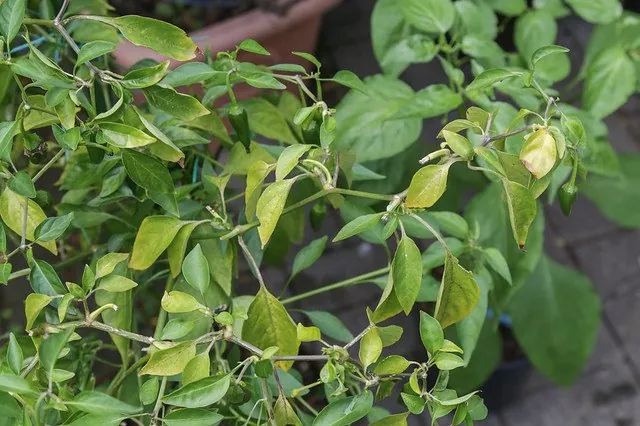
Start with one question: did the change begin on the old leaves or on the young ones? Nitrogen, potassium, magnesium and phosphorus move inside the plant, so a shortage shows on the old, lower leaves first. But iron, zinc, boron, calcium and copper stay where the plant first put them, so the young leaves and the growing tip show it first. After that, the color and the pattern narrow down which pineapple nutrient deficiency you have, and a soil test confirms it. Each one below has its signs, its causes and its fix.
Pineapple nutrient deficiency signs, old leaves and young leaves
Shows first on the old leaves
| Nutrient | Where it starts | What you see | Fix with |
|---|---|---|---|
| Nitrogen | old, lower leaves, the whole plant | Plants look pale yellow green with narrow leaves, and the fruits come out small (batterball). | Urea 46 0 0, Ammonium sulfate 21 0 0 |
| Potassium | old, lower leaves, leaf edges and tips | Old leaves get yellow to orange spots and dry tips while young leaves stay dark green. The fruit is small and sour. | Muriate of potash 0 0 60, Sulfate of potash 0 0 50 |
| Magnesium | old, lower leaves, between the veins | Older leaves turn yellow between the veins, most often where potash is applied heavily. | Kieserite, Magnesium sulfate (Epsom salt) |
| Phosphorus | old, lower leaves, young leaves and the tip | Leaves stay small and narrow with a purple or bronze color, and the plant barely grows. | 16 20 0, Ammonium phosphate 18 46 0 |
Shows first on the young leaves
| Nutrient | Where it starts | What you see | Fix with |
|---|---|---|---|
| Iron | young leaves and the tip, the whole plant | The young heart leaves turn pale yellow, often on acid red soils that are high in manganese. | Ferrous sulfate, Urea 46 0 0 |
| Zinc | young leaves and the tip, old, lower leaves | The heart leaves bunch together and the top bends over to one side, called crookneck. | Zinc sulfate |
| Boron | fruit, grain or tubers, young leaves and the tip | The fruitlets crack and turn corky between the eyes, and the flesh browns inside. | Borax, Solubor |
| Calcium | young leaves and the tip, fruit, grain or tubers | Young leaves go pale and curl down, then turn pinkish red, and the fruit is soft or brown inside. | Gypsum, Calcium nitrate |
| Copper | young leaves and the tip | Young leaves fold up into a narrow gutter shape and their tips droop, then die. | Copper sulfate, Bordeaux mixture |
Before you buy fertilizer for a pineapple nutrient deficiency
So use the table to pick the likeliest pineapple nutrient deficiency, then read its section below. Also keep in mind that dry soil, standing water, cold nights, a pest or a disease can look the same. That is why it pays to check the roots and the whole field first.
Nitrogen deficiency in pineapple
Older, lower leaves turn pale green to light yellow first, often starting at the tips, and then the whole plant looks pale. Leaves stay narrow and the plant grows slowly. Fruits come late, small and less sweet. Cutting fertilizer doses gives the small fruits farmers call batterball. You see it most at this stage: vegetative growth in the first 8 months, before flower induction.
Why nitrogen deficiency happens in pinya
Skipped or late urea doses, sandy and leached soils, and heavy rain.
How to tell it apart
Mealybug wilt turns leaves red then pink, with tips dying and curling down and rotten roots. Look for mealybugs and ants at the base. To be sure, leaf color is the quickest guide: healthy pineapple is an intense green, and pale or yellowish green means low nitrogen. For a lab test, send D leaves (the longest, youngest fully grown leaves) at 6 to 8 months. A D leaf below about 1.7 percent N is low.
What to apply for nitrogen deficiency
Apply Urea 46 0 0 or Ammonium sulfate 21 0 0 on a split schedule. Per hill for Formosa, give 10 g Ammonium phosphate 16 20 0 and 5 g Muriate of potash 0 0 60 one month after planting, then 5 g urea at 3, 5 and 7 months. For a quick fix, spray 1 to 2 percent urea (10 to 20 g per liter, 160 to 320 g in a 16 liter sprayer) every two weeks. From about 12 months, place fertilizer in the axils of the old leaves. Spray Urea 46 0 0 at 2 to 3 percent (320 to 480 grams in a 16 liter sprayer) every month during leaf growth, and stop at flower forcing.
- Urea 46 0 0
- Ammonium sulfate 21 0 0
- 16 20 0
Sold here with nitrogen: Atlas Granular Urea (46 0 0) by Atlas Fertilizer, Amigo Planters Ammonium Chloride by La Filipina (25 0 0), Agripower 46 0 0 (Locally Blended) Coated by Green Acres Agri Tech and Calcipro by Ramgo (15.5 0 0 with 18.8 percent calcium). Check the FPA registration on the bag and follow the label rate. For the how and when, see our guide to urea fertilizer, and the page on nitrogen deficiency in every crop. In anee.io, Anee, the smart farm technician, reads a photo of the leaf and tells you which nutrient is short.
To keep it away, do not cut doses or skip splits. Use the free soil test at the regional soils laboratory before planting. Keep organic matter up with compost, manure or crop residues.
Potassium deficiency in pineapple
Older, lower leaves get white, yellow or orange spots and streaks that spread in from the tips and edges, and the tips die. The upper leaf surface turns reddish purple while the young leaves stay dark green. The leaves bend downward and go limp. Fruits are small and low in sugar, and the flesh can turn brown. You see it most at this stage: grand growth and fruit filling, when potassium need is highest.
Why potassium deficiency happens in pinya
Sandy, acid soils low in exchangeable potassium and too little potash in the schedule. Pineapple takes up more potassium than nitrogen.
How to tell it apart
Mealybug wilt also reddens the leaves, but it starts about halfway up the plant, turns pink and wilts, and the roots rot. Magnesium shortage yellows the old leaves between the veins without the orange spotting and dead tips. To be sure, send D leaves at 6 to 8 months. A D leaf reading below about 2.2 percent K means the plant is short. A soil test helps too: little potash is needed where the soil has over 140 ppm exchangeable K.
What to apply for potassium deficiency
Keep potash in the schedule. Give 5 g Muriate of potash 0 0 60 per hill at one month and again at about five months for Formosa. Sulfate of potash 0 0 50 gives a bigger harvest and better fruit than the chloride form, Muriate of potash. For a quick fix, spray potassium sulfate at 1 percent (10 g per liter, 160 g in a 16 liter sprayer) every two weeks.
- Muriate of potash 0 0 60
- Sulfate of potash 0 0 50
- Complete 14 14 14
Sold here with potassium: Atlas Muriate of Potash (MOP) by Atlas Fertilizer (0 0 60), Simplot Sulfate 0 0 50 by Nutranta, Potassium Nitrate by Parafield (13 0 46) and Qrop Mix Production 14 0 23 plus 13 Cao by Farmtech Agriland (14 0 23 with 9.3 percent calcium). Check the FPA registration on the bag and follow the label rate. For the how and when, see our guide to potash fertilizer, and the page on potassium deficiency in every crop.
To keep it away, set potash from a soil test, and balance it with magnesium because high potassium holds back magnesium uptake. Keep organic matter up with compost, manure or crop residues. Split the potash on sandy soil.
Iron deficiency in pineapple
The youngest leaves in the heart turn pale yellow first, and later the whole leaf goes yellow. Growth slows. On acid soils rich in manganese, whole blocks of the field can yellow even though the soil holds plenty of iron. You see it most at this stage: vegetative growth, worst during fast growth.
Why iron deficiency happens in pinya
Two kinds of soil cause it: acid soils very high in manganese, where manganese stops iron from working inside the plant. High pH or limed soils, where iron is locked in the soil.
How to tell it apart
Nitrogen deficiency yellows the older leaves first, while iron starts in the young heart leaves. Zinc deficiency gives yellow spots and a bent heart (crookneck). To be sure, test soil pH and manganese. A test spray of ferrous sulfate on a few plants that greens the new heart leaves confirms it. A soil pH test and a leaf test of the young leaves confirm it.
What to apply for iron deficiency
Spray Ferrous sulfate at 2 to 3 percent (20 to 30 g per liter, 320 to 480 g in a 16 liter sprayer) once a month or when needed. It works best mixed into the urea spray. A common mix is 3 percent ferrous sulfate in the urea spray (480 grams in a 16 liter sprayer). A milder spray of 0.5 to 1 percent (80 to 160 grams in a 16 liter sprayer) also works. So try the lower rate first on young plants. Do not lime to fix it, because lime makes root and heart rot more likely. Without iron sprays no calcium source stopped the yellowing.
- Ferrous sulfate
- Urea 46 0 0
Sold here with iron: DDDD Planter's Choice Ferrous Sulphate Heptahydrate by Modern Time (19 percent iron), Ferrous Sulfate Monohydrate by Zetryl Chem (30 percent iron), Ferrous Sulphate Monohydrate by Newman Chemicals (30 percent iron) and Liquid Chelate Iron with Sulfur by Sagrex (5 percent iron and 3 percent sulfur). Check the FPA registration on the bag and follow the label rate. For the how and when, see our guide to foliar fertilizer, and the page on iron deficiency in every crop.
To keep it away, on high manganese soils, plan regular iron sprays from the start of the crop. Test the soil every two or three years. Keep organic matter up with compost, manure or crop residues.
Zinc deficiency in pineapple
In young plants the heart leaves bunch together and then tilt over sideways, which is called crookneck. Leaves are narrow and pale, with yellowing between the veins that starts at the tip and leaves only the midrib green. Older plants get yellow spots and dashes near the edges of older leaves that join into brown, blister like patches that feel rough. You see it most at this stage: young plants in the first months after planting.
Why zinc deficiency happens in pinya
Old pineapple soils and sandy soils low in zinc, high pH or limed soils, and heavy phosphate use.
How to tell it apart
Copper deficiency gives narrow young leaves folded into a U shape with drooping tips, but the heart does not bend over. Mealybug wilt makes leaves curl down and turn red to pink. To be sure, look for the bent heart in young plants. Send D leaves for a zinc test. Healthy plants test at about 19 mg/kg zinc.
What to apply for zinc deficiency
Spray Zinc sulfate at 1 percent (10 g per liter, 160 g in a 16 liter sprayer) one or two times. A lighter 0.5 percent spray (5 g per liter, 80 grams in a 16 liter sprayer) also works. Where crookneck keeps coming back, mix Zinc sulfate into the soil before planting. Give about 20 kg per hectare. Do not mix zinc with phosphate fertilizer in one application.
- Zinc sulfate
Sold here with zinc: Harvester Zinc Sulphate Heptahydrate by Universal Harvester (22 percent zinc), Petbowe Zinc Sulphate Monohydrate (33 percent zinc), Tierramino ZN by Unilox Far East Resources (7 0 0 with 10 percent zinc) and Liquid Chelate Zinc with Sulfur by Sagrex (10 percent zinc and 5 percent sulfur). Check the FPA registration on the bag and follow the label rate. For the how and when, see our guide to fertilizer with zinc, and the page on zinc deficiency in every crop.
To keep it away, on fields with past crookneck, add zinc sulfate at planting and spray young plants once. Test the soil every two or three years.
Magnesium deficiency in pineapple
Older leaves turn yellow between the veins while the young leaves stay green. On fruiting plants, the leaves at the base of the fruit crown can die. Yield falls, since plants short of magnesium bear less fruit than well fed ones. You see it most at this stage: grand growth and fruit development.
Why magnesium deficiency happens in pinya
Acid, sandy soils with exchangeable magnesium below about 70 ppm, and heavy potash, which holds back magnesium uptake.
How to tell it apart
Potassium deficiency also starts on old leaves, but it shows orange spots and dry tips. Nitrogen deficiency yellows the whole leaf evenly rather than between the veins. To be sure, send D leaves at 6 to 8 months. A reading below about 0.25 percent magnesium is low. Ask for exchangeable magnesium on the soil test.
What to apply for magnesium deficiency
Where soil magnesium is low, give 50 to 120 kg MgO per hectare as Kieserite or magnesium sulfate. Keep the MgO to K2O ratio near 1 to 2.5. Leaf sprays of magnesium help most while the fruit is growing fast. Use magnesium sulfate at the label rate. For quick help, spray Magnesium sulfate at 1 to 2 percent (160 to 320 grams in a 16 liter sprayer) two or three times, 10 to 14 days apart.
- Kieserite
- Magnesium sulfate (Epsom salt)
Sold here with magnesium: Dolomite by A6 Agrisource (24 percent calcium and 11 percent magnesium), Agsmart Kieserite Granule (20 percent sulfur and 16.3 percent magnesium), Magnesium Sulphate Anhydrous by Newman Chemicals (20 percent magnesium) and Zetryl MAG 9 by Zetryl Chem (9 percent magnesium). Check the FPA registration on the bag and follow the label rate. For the how and when, see our guide to complete fertilizer, and the page on magnesium deficiency in every crop.
To keep it away, do not pile on potash without magnesium, and test the soil before each crop. Lime acid soil with Dolomite rather than plain lime.
Phosphorus deficiency in pineapple
Leaves stay small and thin and turn purplish or bronze. Older leaves develop dead patches and drop. New leaves can turn reddish purple and fruits get a reddish skin. Plants are stunted with weak roots, and badly starved plants may bear no fruit at all. You see it most at this stage: early growth, from planting to about 6 months.
Why phosphorus deficiency happens in pinya
Acid soils that lock up phosphorus and no phosphate at planting.
How to tell it apart
Strong sun and drought also redden pineapple leaves, but the plant keeps growing. Phosphorus shortage comes with small, narrow leaves and poor growth. To be sure, send D leaves to a lab. A good reading is 0.2 to 0.3 percent phosphorus. A soil test before planting shows available phosphorus.
What to apply for phosphorus deficiency
Give phosphate early: use 10 g Ammonium phosphate 16 20 0 per hill one month after planting. For a quick fix, spray DAP 18 46 0 at 2 percent (20 g per liter, 320 grams in a 16 liter sprayer).
- 16 20 0
- Ammonium phosphate 18 46 0
- Superphosphate 0 18 0
Sold here with phosphorus: Philphos 18 46 0 (Di Ammonium Phosphate), Atlas Super Gro (16 20 0) by Atlas Fertilizer, Amigo Planters Granular Single Super Phosphate by La Filipina (0 18 0 with 11 percent sulfur) and Triple Super Phosphate by Newman Chemicals (0 46 0). Check the FPA registration on the bag and follow the label rate. For the how and when, see our guide to 16 20 0 fertilizer, and the page on phosphorus deficiency in every crop.
To keep it away, put the phosphate in at or soon after planting, at the soil test rate.
Boron deficiency in pineapple
The fruit shows corky tissue and cracks between the fruitlets, and fruits come out misshapen. Inside, the flesh browns from the center outward, and brownish black areas can show on the skin. Buds and young growth can die back, and fruit set is poor. You see it most at this stage: flowering and fruit development.
Why boron deficiency happens in pinya
Sandy, leached soils low in organic matter, and dry spells during fruiting.
How to tell it apart
Fruit borers and fruit rots also make brown spots in fruit. But borers leave holes and gum, while boron gives corky lines and cracks between the eyes. To be sure, send D leaves for a boron test. Red Spanish pineapple does best at about 14 mg/kg boron in the leaf. Test soil boron.
What to apply for boron deficiency
Spray Borax at 0.3 percent (3 g per liter, 48 g in a 16 liter sprayer) two or three times toward the end of grand growth. Sprays from 1 to 5 g per liter (16 to 80 grams in a 16 liter sprayer) are also used. Give soil borax at about 10 kg per hectare. Do not overdo boron, because too much is toxic to the plant. Give boron before flowering: flowers and fruit set need it most.
- Borax
- Solubor
Sold here with boron: Etifert 11 (Borax Decahydrate) by Zetryl Chem (11 percent boron), Fertibagra 15G by Unilox Far East Resources (14.6 percent boron), B17 (Boric Acid) by Newman Chemicals (17 percent boron) and Better Yield by Bacphil Planters Fertilizer (0 0 0.9 with 10 percent boron). Check the FPA registration on the bag and follow the label rate. For the how and when, see our guide to foliar fertilizer, and the page on boron deficiency in every crop.
To keep it away, add compost to sandy fields, and give one or two boron sprays before fruiting on fields that showed cracked fruit. Test the soil every two or three years.
Calcium deficiency in pineapple
Young emerging leaves turn pale green and curl down, later turning greenish pink or red. Root and leaf tips brown and die, and leaf edges become ragged and brittle. Fruit quality falls: low calcium, often with low boron, gives soft fruit with brown flesh inside and more glassy, translucent flesh. You see it most at this stage: fast growth and fruit development.
Why calcium deficiency happens in pinya
Very acid, leached soils. Growers keep the pH low to avoid rot, so calcium can run short. Heavy potash or ammonium fertilizer, salty soil and dry spells keep calcium from reaching fruit and young leaves.
How to tell it apart
Mealybug wilt also reddens and curls the leaves, but it starts halfway up the plant and the roots rot. Copper deficiency gives narrow U shaped young leaves with drooping tips. To be sure, send D leaves to a lab. A good reading is 0.4 to 0.7 percent calcium. Test soil pH and calcium.
What to apply for calcium deficiency
Use Gypsum to add calcium without raising the pH. Gypsum lifts the calcium in leaves and fruit, so less of the flesh turns translucent. But lime raised the risk of root and heart rot. Leaf sprays of calcium help most while the fruit is growing fast. Use a calcium foliar product at the label rate. On acid soil, lime by the soil test: usually 1 to 3 tons of Agricultural lime or Dolomite per hectare, mixed in 2 to 4 weeks before planting. On soil that is not acid, use 200 to 500 kg of Gypsum per hectare. For quick help on fruit and young leaves, spray Calcium nitrate at 0.5 to 1 percent (80 to 160 grams in a 16 liter sprayer) every 7 to 10 days from fruit set.
- Gypsum
- Calcium nitrate
Sold here with calcium: Planters Products Lifelime (36.2 percent calcium), Dolomite by A6 Agrisource (24 percent calcium and 11 percent magnesium), Calcipro by Ramgo (15.5 0 0 with 18.8 percent calcium) and Philphos Gypsum (22.2 percent calcium and 17.4 percent sulfur). Check the FPA registration on the bag and follow the label rate. For the how and when, see our guide to fertilizer for tomatoes, and the page on calcium deficiency in every crop.
To keep it away, use gypsum rather than lime on pineapple fields, and keep boron and calcium in the program. Keep potash in balance with magnesium and calcium.
Copper deficiency in pineapple
Young leaves are narrow, their margins folded upward so that a cut across the leaf would show a U shape. The leaf tip droops, then dies back. The underside looks waxy because it lacks its normal powdery bloom. Badly affected plants are stunted, with short heart leaves and dead older leaves. You see it most at this stage: from about a year after planting, on poor soils.
Why copper deficiency happens in pinya
Very acid, sandy soils and fields that never got copper.
How to tell it apart
Zinc deficiency bends the whole heart over (crookneck), while copper folds each young leaf into a U with a drooping tip. Mealybug wilt makes leaves curl down and turn red to pink. To be sure, send the white base of the D leaves to a lab. About 3 ppm copper means the plant is short, and healthy plants carry 8 ppm or more.
What to apply for copper deficiency
Use copper sulfate in the soil at 30 kg per hectare, because copper sprays can burn the leaves. Bordeaux mixture carrying 7 to 11 kg copper sulfate per hectare also works. Spray Copper sulfate at 0.1 percent (16 grams in a 16 liter sprayer) with as much hydrated lime, once or twice. Spray the young leaves in the cool of the day, soon after sunrise or near sunset.
- Copper sulfate
- Bordeaux mixture
Sold here with copper: Grower's Choice Copper Sulphate Pentahydrate by Zetryl Chem (25 percent copper and 12 percent sulfur), Liquid Chelate Copper with Sulfur by Sagrex (5 percent copper and 2 percent sulfur), Indra by Farmtech Agriland (2 percent zinc, 2 percent manganese and 2 percent copper) and Biozome by Manchem Industries (12 percent sulfur, 12 percent zinc, 3 percent manganese, 1 percent magnesium and traces of iron, copper, boron, molybdenum). Check the FPA registration on the bag and follow the label rate. For the how and when, see our guide to foliar fertilizer, and the page on copper deficiency in every crop.
To keep it away, on acid sandy soils, include copper in the basal fertilizer when a soil or leaf test shows it is low. Test the soil every two or three years. Never repeat copper without a test: it stays in the soil for years.
A soil test is the surest check for any pineapple nutrient deficiency. Before you buy, ask your Municipal Agriculture Office where to send a soil sample. The DA regional soil laboratories test soil, and the result says how much of each fertilizer your pinya needs. That saves money, because extra fertilizer is money lost.
Open the Nutrient Deficiency Finder, pick pinya, say where the leaves changed first and what you see, and get the fertilizers sold here that fix it.
- Anee, the smart farm technician, reads a photo of the leaf
- The cropping calendar dates every fertilizer application of your season
Pineapple nutrient deficiency questions
Why are my pinya leaves turning yellow?
What fertilizer fixes nitrogen deficiency in pineapple?
What fertilizer fixes potassium deficiency in pineapple?
What fertilizer fixes iron deficiency in pineapple?
How do I know which nutrient my pinya lacks?
- Haifa: Pineapple crop data and fertilizer recommendation
- Vikaspedia (NIPHM): Nutritional deficiencies of pineapple
- ICL: Pineapple complete nutrition and fertigation guide
- Pacific Pests and Pathogens: Pineapple mealybug wilt disease
- Ramos et al. 2009: Visual symptoms of macronutrient and boron deficiency in Imperial pineapple (Rev. Bras. Fruticultura)
- Silva et al. 2006: Lime, gypsum, and basaltic dust effects on the calcium nutrition and fruit quality of pineapple (Acta Horticulturae 702)
- Haag et al. 1963: Studies on the mineral nutrition of pineapple (Anais ESALQ)
Find the missing nutrient and fix it
With Libre + Anee, read the whole guide: how to tell the deficiency from look alikes, how to be sure, what to apply, and the fertilizers sold here that supply it.
The account is free, no credit card.